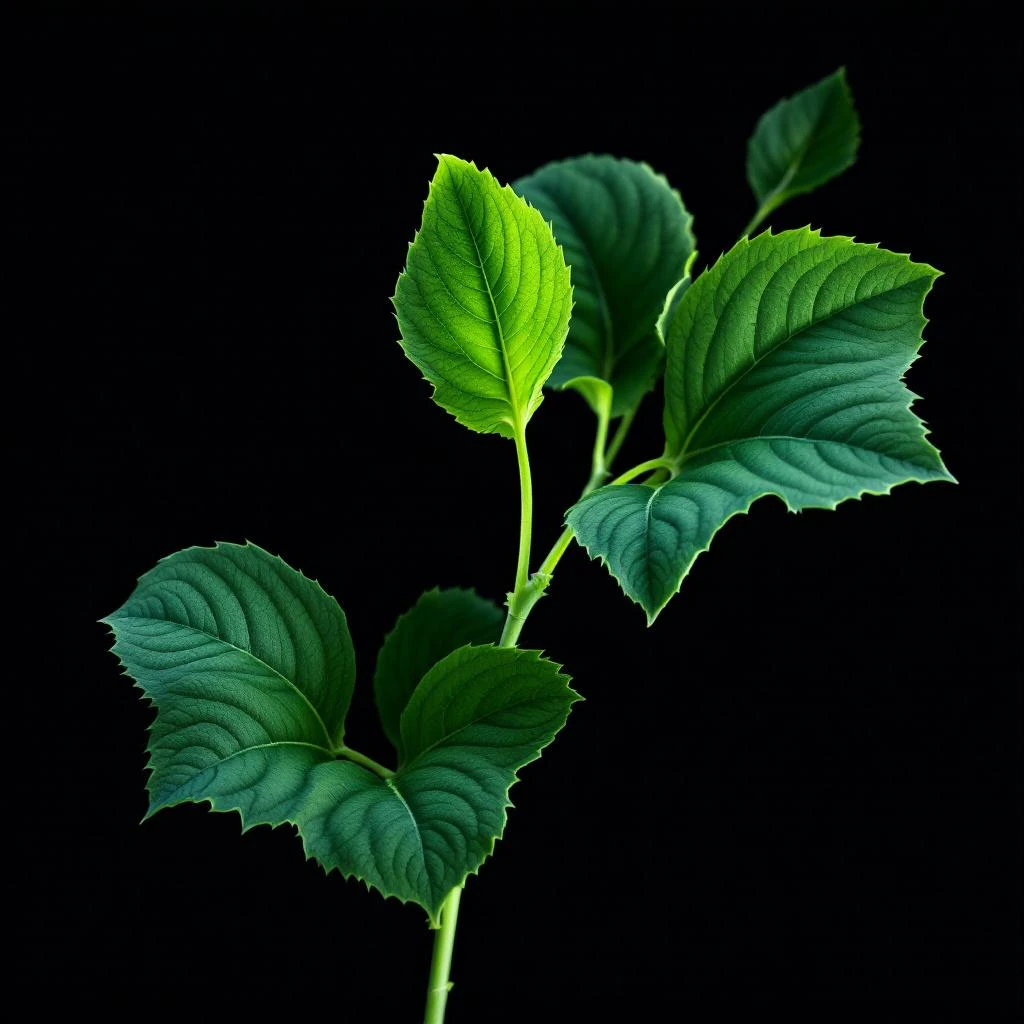
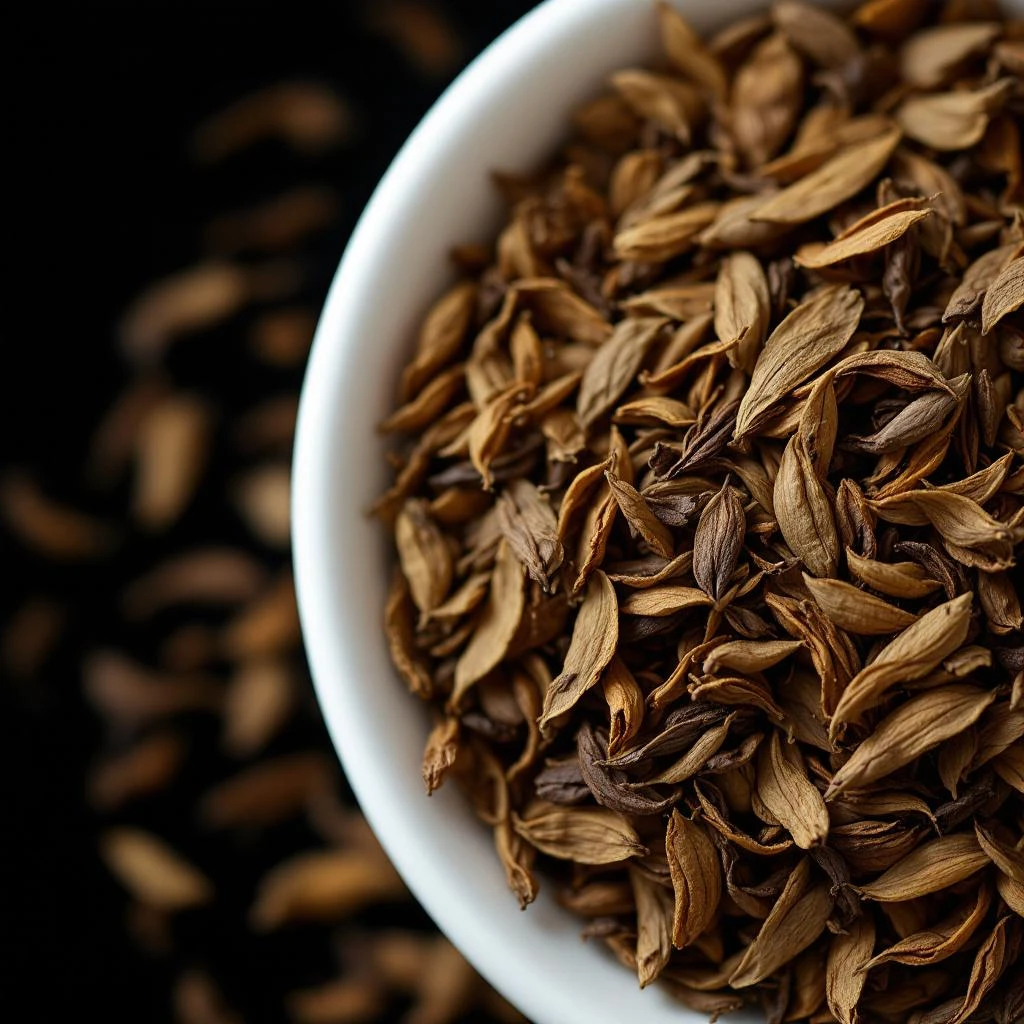
Rice Leaf
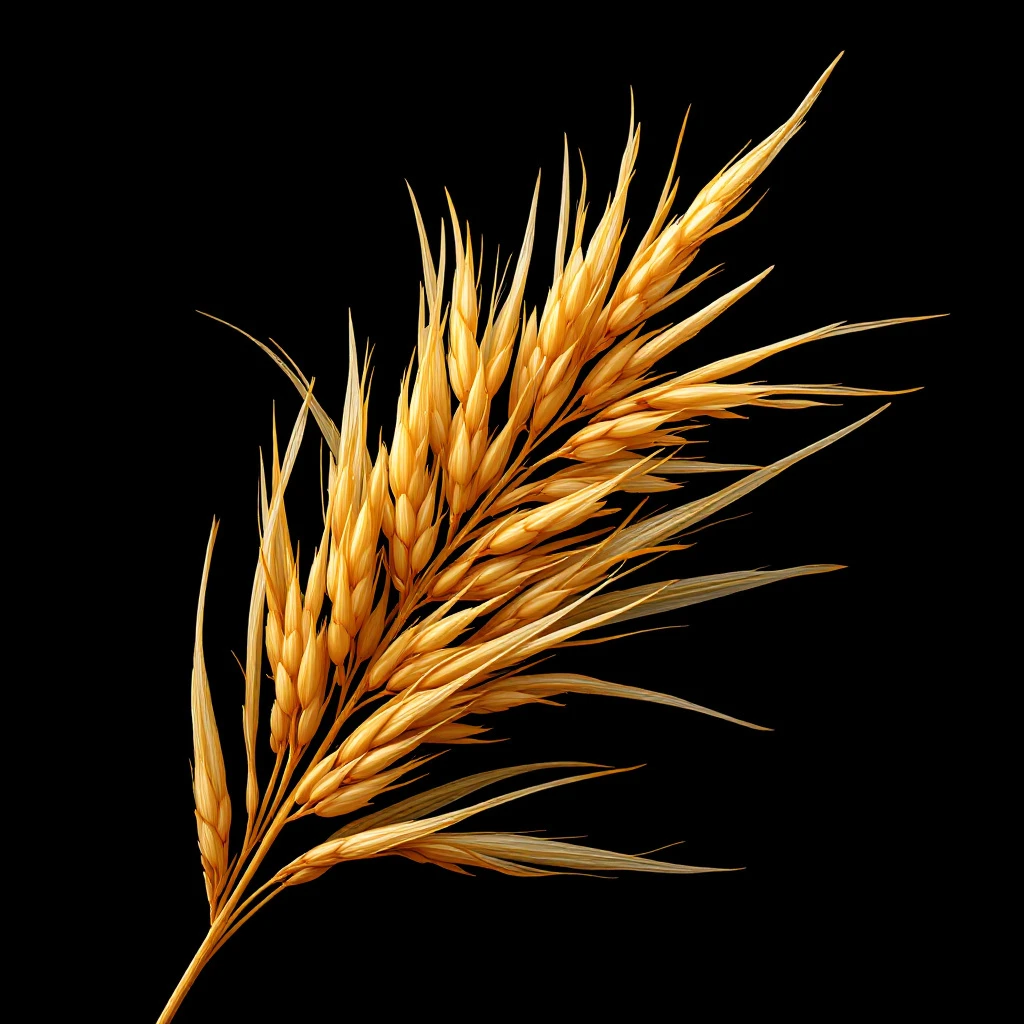
Fresh rice leaf captures the tender greenness of young paddy fields — a crisp, mineral, slightly sweet note that brings clean, natural freshness to fragrances. It evokes morning dew on a field of stalks.
Character
How it smells
The green, dewy essence of freshly harvested rice fields.
The distinctive 'green rice' aroma comes from 2-acetyl-1-pyrroline, the same compound that gives basmati and jasmine rice their characteristic scent.


Origin
Thailand
Rice has anchored Asian agricultural societies for over 10,000 years, but perfumers only recently adopted its green foliage as a fragrance material. Traditional Asian incense and botanical perfumery rarely used rice leaf directly, though rice itself held profound ceremonial significance — burned as offerings, used in purification rituals across China, Japan, and Southeast Asia.
The modern emergence of rice leaf as a fragrance ingredient traces to late twentieth-century demand for fresh, non-floral green notes. Japanese and Korean perfumers pioneered early experimentation with rice plant extracts during the 1980s, seeking alternatives to traditional aromatics like green tea and bamboo. The ingredient gained broader recognition as clean, natural aesthetic movements influenced Western fragrance design in the 1990s and 2000s.
Rice leaf now appears primarily in contemporary fragrances aiming for 'green clean' or 'natural' positioning. Its mineral, dewy quality brings authenticity to aquatic-green compositions and adds freshness to skin-centric fragrance concepts.
Wears it best
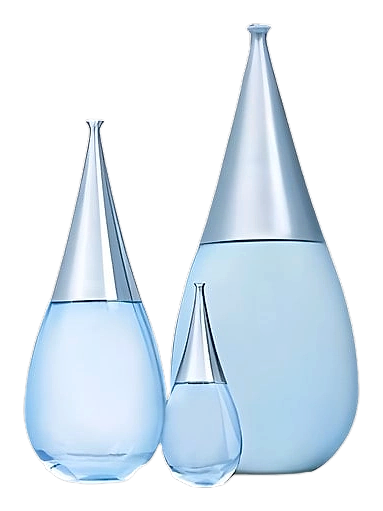
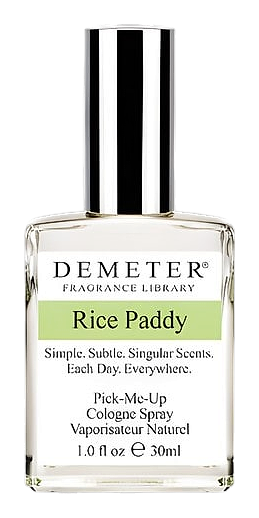
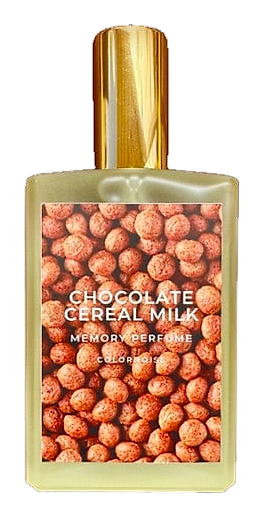
Fragrances featuring Rice Leaf
Brands
Brands known for Rice Leaf
Good to know
Questions, answered
The essentials on Rice Leaf in perfumery: how it smells, where it comes from, and how it behaves on skin.
What does rice leaf smell like?
Rice leaf has a crisp, green, mineral scent with subtle sweetness. It evokes freshly cut grass mixed with a faint starchy quality, like morning dew on a paddy field.
Is rice leaf a natural or synthetic ingredient?
Rice leaf is primarily natural, extracted from fresh rice foliage via solvent or CO2 extraction. Synthetic reproductions of the key aroma compound 2-acetyl-1-pyrroline exist but rarely replicate the full complexity of natural rice leaf.
What fragrances feature rice leaf as a key note?
Rice leaf appears in numerous 'clean' and 'green' fragrances, often positioned as a fresh base or transition note. It pairs well with aquatic and citrus materials.
How is rice leaf absolute different from rice grain scent?
Rice leaf absolute captures the fresh, green foliage of the plant, while rice grain scent focuses on the starchy, cooked aroma of the grain. Rice leaf is brighter and more vegetal.
Why is rice leaf considered rare in perfumery?
Rice leaf extraction yields are low, requiring large quantities of fresh plant material. The ingredient is also seasonal, available only during certain growth stages of the rice plant.
Does rice leaf provide any functional benefits in fragrance?
Rice leaf acts primarily as a fragrance material. Some producers note mild fixative properties due to fatty acid content, helping mid-notes linger on skin.
Can rice leaf be used in home fragrances?
Rice leaf absolute is typically professional-use only. Home perfumers may find rice leaf tinctures through specialty suppliers, though options remain limited.
What sustainability concerns exist around rice leaf production?
Rice cultivation faces water and pesticide concerns globally. Sustainable sourcing requires verification that rice leaf harvesting does not interfere with grain production or displace food crops.