Rice Flour
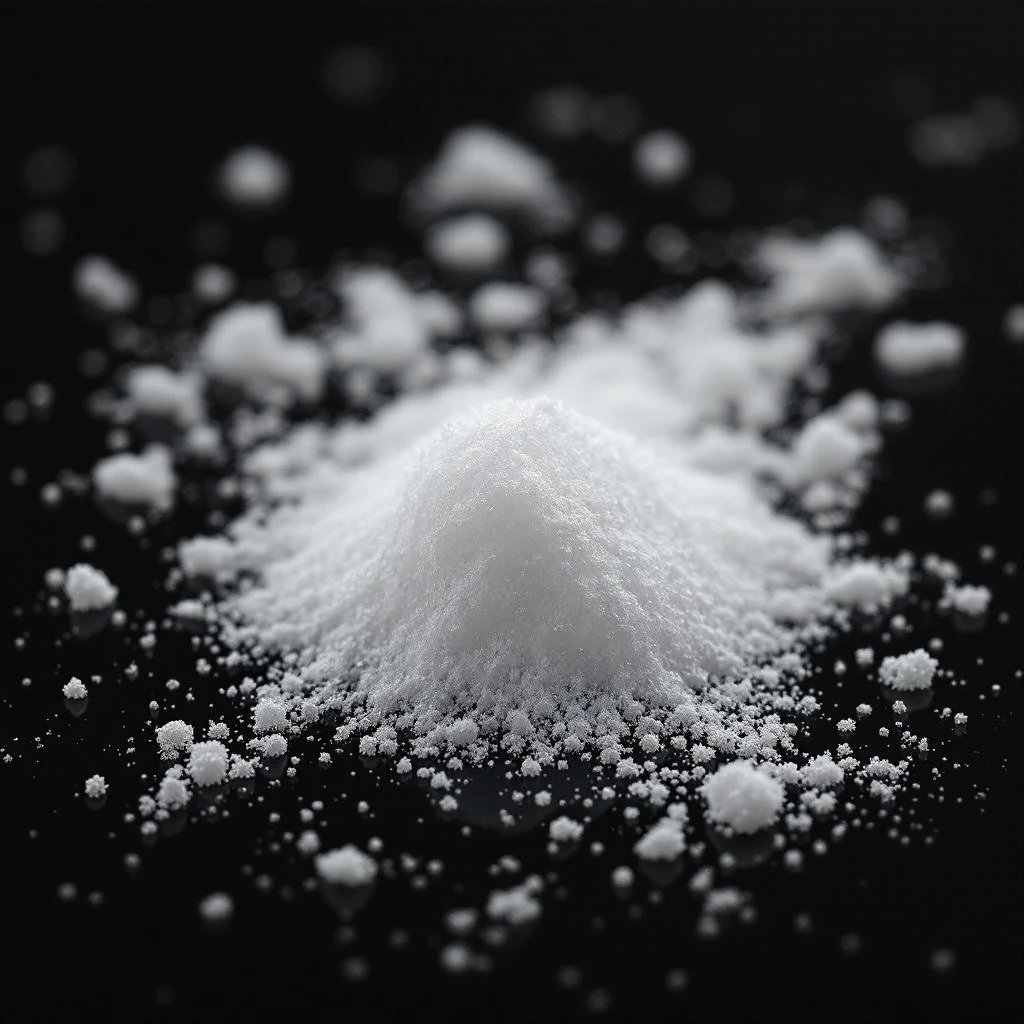
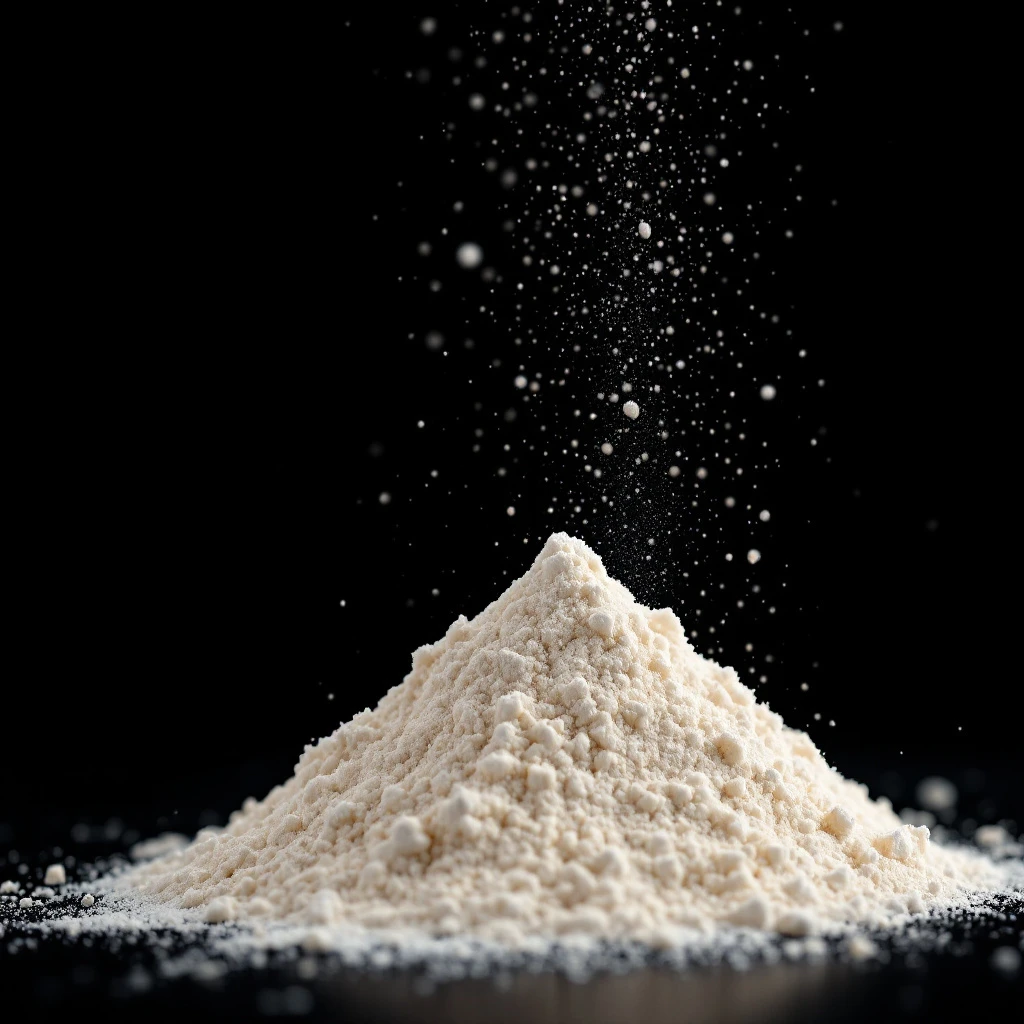
Rice flour brings a delicate, powdery softness to perfumery. Its subtle sweetness and clean scent evoke freshly milled grain and quiet mornings, lending fragrance compositions an approachable warmth that feels both modern and timeless.
Character
How it smells
Clean, powdery softness with a quiet warmth.
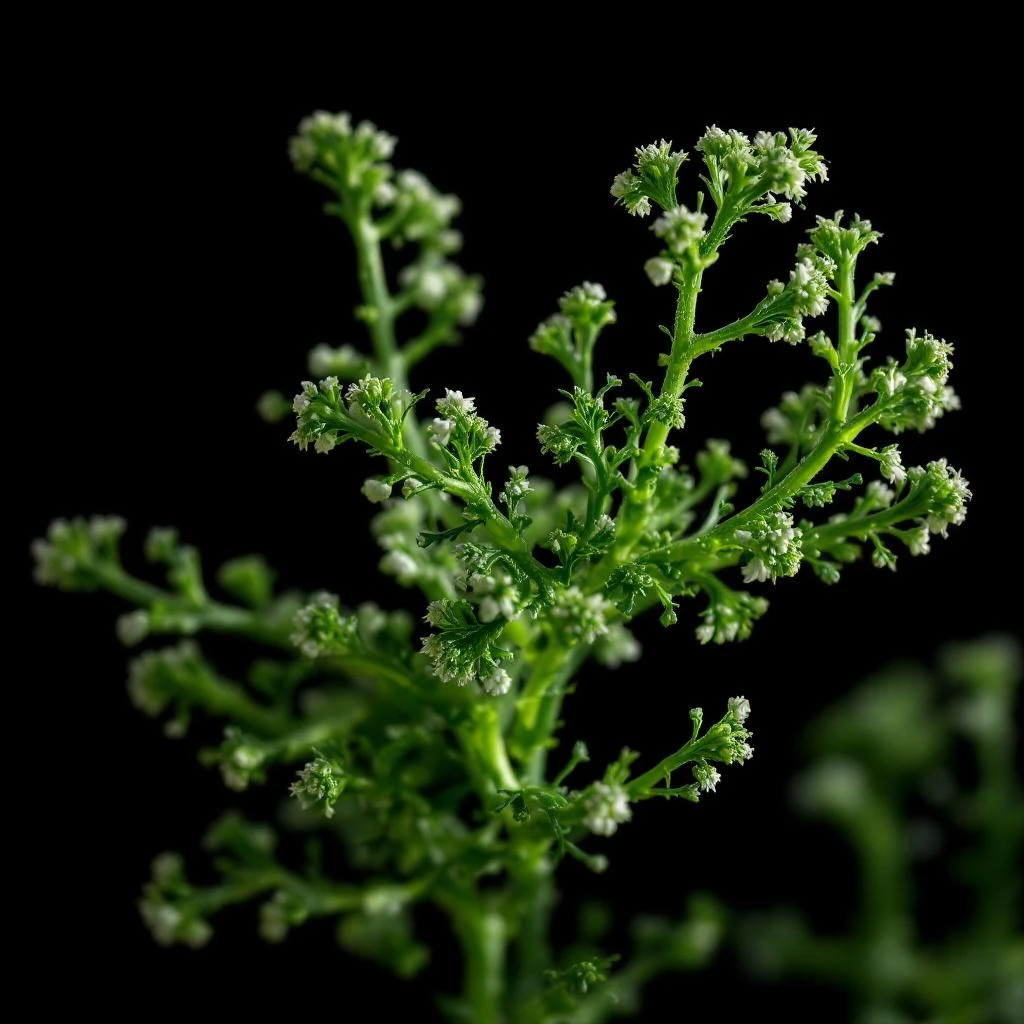
The same compound responsible for the smell of fresh jasmine rice (2-acetyl-1-pyrroline) defines rice flour's aromatic identity in perfumery.





Origin
Japan
Rice cultivation spans roughly 10,000 years, originating in China's Yangtze River valley before spreading across Asia. Traditional perfumers in Japan and China incorporated rice-derived materials into incense and cosmetic preparations centuries before synthetic aromatics emerged. The Japanese aesthetic of wabi-sabi, finding beauty in simplicity, aligned naturally with rice's understated character.
When modern perfumery expanded in the 20th century, rice-based accords found their place as clean, accessible notes that grounded more complex compositions. Today, rice flour remains a quiet workhorse in perfumers' palettes, lending its powdery warmth to countless fragrance families from fresh fougeres to soft oriental blends.
Wears it best
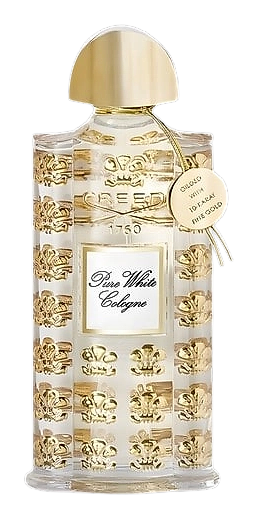
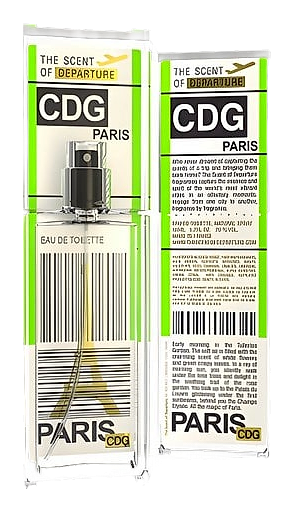
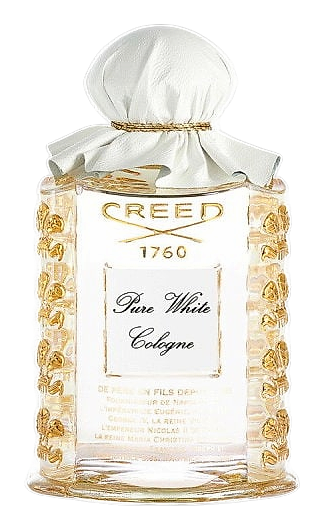
Fragrances featuring Rice Flour
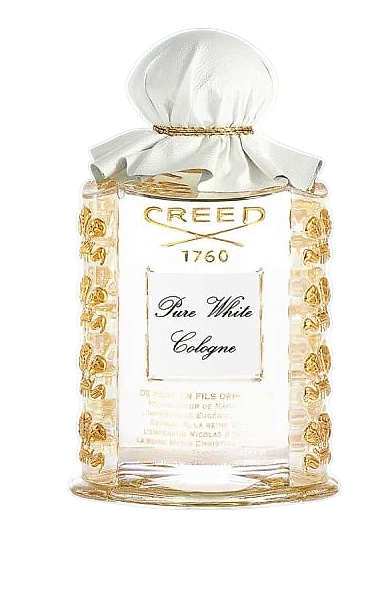

Brands
Brands known for Rice Flour
Good to know
Questions, answered
The essentials on Rice Flour in perfumery: how it smells, where it comes from, and how it behaves on skin.
What does rice flour smell like in perfume?
Rice flour delivers a gentle, powdery scent with subtle sweetness. The defining compound is 2-acetyl-1-pyrroline, the same molecule responsible for jasmine rice's aroma.
Is rice flour used as a fixative in perfumery?
Yes, rice flour acts as both an aromatic material and a fixative base. It helps slow the evaporation of lighter top notes, extending the fragrance's wear time on skin.
What makes rice flour different from rice bran oil?
Rice bran oil captures the fatty aromatic compounds from the grain's outer layer. Rice flour provides the internal grain's clean, powdery character and functions as a structural base material.
Can rice flour be used in natural fragrance formulations?
Absolutely. Rice flour works well in natural and clean fragrance categories where its mild profile supports botanical compositions without dominating them.
How does rice flour perform on different skin types?
Rice flour base notes tend to project softly and remain close to the skin. The powdery character often deepens slightly as it reacts with skin warmth over several hours.
What fragrance families use rice flour most often?
Fresh, clean, and skin-close fragrance families frequently incorporate rice flour. It appears in modern fougeres, skin musks, and soft oriental compositions.
Is rice flour a natural or synthetic ingredient?
Rice flour is a natural material derived from milled rice grains. The aromatic compounds responsible for its scent profile occur naturally in the grain.
How is rice flour processed for fragrance use?
Polished rice grains undergo mechanical milling to produce fine powder. Fractional extraction isolates aromatic compounds, which manufacturers then grade by particle size for consistent fragrance performance.