Rhubarb Lemonade
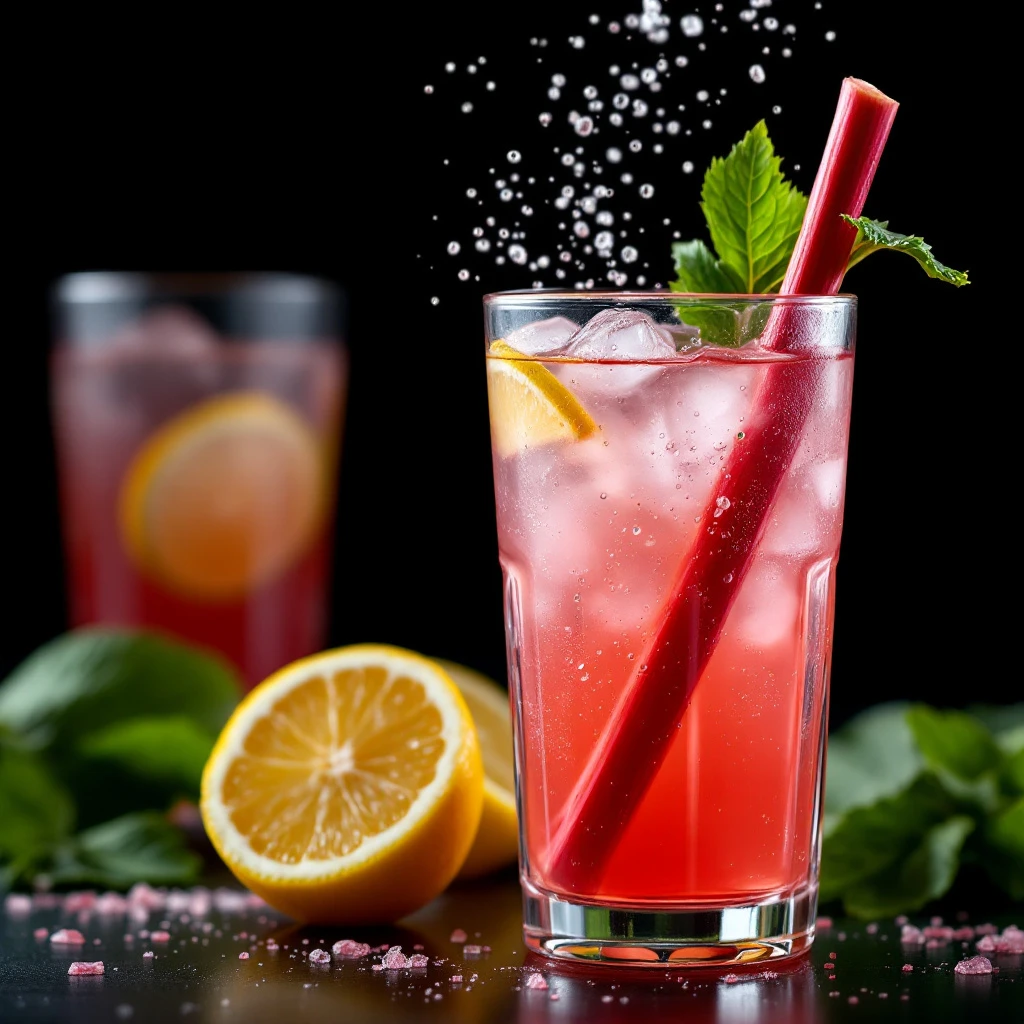
A crisp, sun-dappled morning in the garden. Tart rhubarb stalks meet fizzing citrus in a note that tastes like summer's first sip.
Character
How it smells
Bright. Tart. Like biting into a stalk in June.
Rhubarb leaves contain toxic oxalic acid, yet the stalks taste sweet-tart. In perfumery, chemists recreate this paradox in a laboratory.


Origin
China
Rhubarb originated in the wild highlands of Siberia and Mongolia, where it grew as a hardy perennial for thousands of years before anyone thought to eat it. Chinese physicians adopted it as a purgative and digestive remedy as early as 2700 BCE, valuing the root so highly that it traded alongside silk along the ancient Silk Road. European botanists encountered it in the 18th century and initially grew it in physic gardens for medicine.
Only later did the stalks become a pie ingredient in England and America. The synthetic rhubarb note we use in perfumery today reflects this unusual journey from ancient remedy to culinary staple to abstract fragrance abstraction.
Wears it best
Fragrances featuring Rhubarb Lemonade
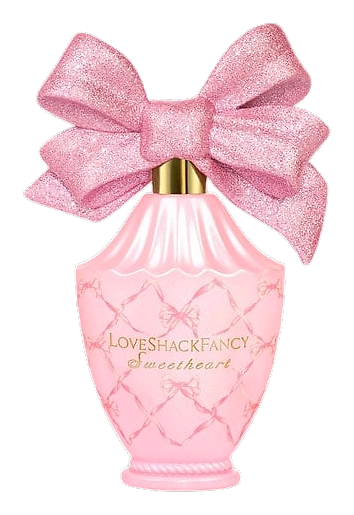
Brands
Brands known for Rhubarb Lemonade
Good to know
Questions, answered
The essentials on Rhubarb Lemonade in perfumery: how it smells, where it comes from, and how it behaves on skin.
Is rhubarb in perfume synthetic?
Yes. No commercial method extracts rhubarb scent from the plant. The vegetable is too water-soluble for steam distillation and lacks enough aromatic oil for solvent extraction. Perfumers build the note entirely from synthesized aroma chemicals.
Does rhubarb perfume smell like the vegetable?
It captures the fresh, bright character of rhubarb stalks. The note reads as green and tart, with a faint floral undertone from ionones. In a blend, it adds crispness without heavy sweetness.
Where does culinary rhubarb grow?
China produces roughly 80% of the world's rhubarb, most grown in Shanxi and Hebei provinces. It thrives in cold climates with well-drained soil, preferring altitudes above 1,000 meters.
When did rhubarb enter perfumery?
Modern perfumery adopted rhubarb as a note in the late 20th century. The green, tart character became popular as consumers shifted toward fresher, fruit-forward fragrances.
What chemicals create the rhubarb note?
Rhubarb reconstruction typically combines damascone for green tartness, ionones for a violet-floral softness, and C6 aldehydes for a bright, citrusy opening. The blend mimics the vegetable's refreshing, almost effervescent quality.
Is rhubarb safe in fragrance?
Synthesized rhubarb aroma materials used in perfumery are IFRA-compliant and safe at standard dilution. Unlike the raw vegetable's toxic leaves, these aroma chemicals are designed for topical use.
What fragrance families use rhubarb?
Rhubarb appears most often in fruity chypre, green florals, and fresh fougere compositions. Paired with citrus or mint, it reinforces a cool, green character; combined with musk, it adds brightness to warmer bases.
What does rhubarb pair well with in perfume?
Lemon, bergamot, mint, and verbena amplify its citrusy side. Blackberry and rose deepen the fruity dimension. Cedar and vetiver ground it with earthy weight, preventing the note from reading as too fleeting.