Pink Raspberry
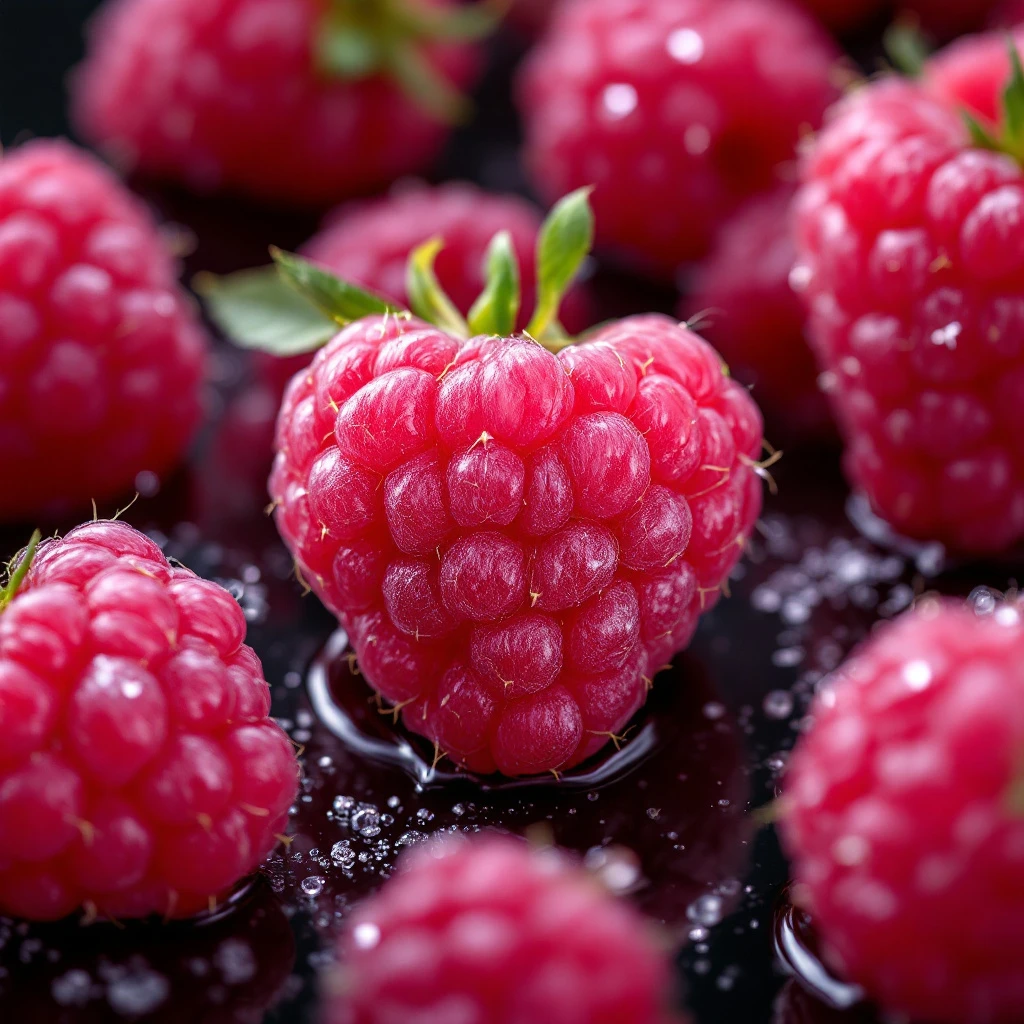
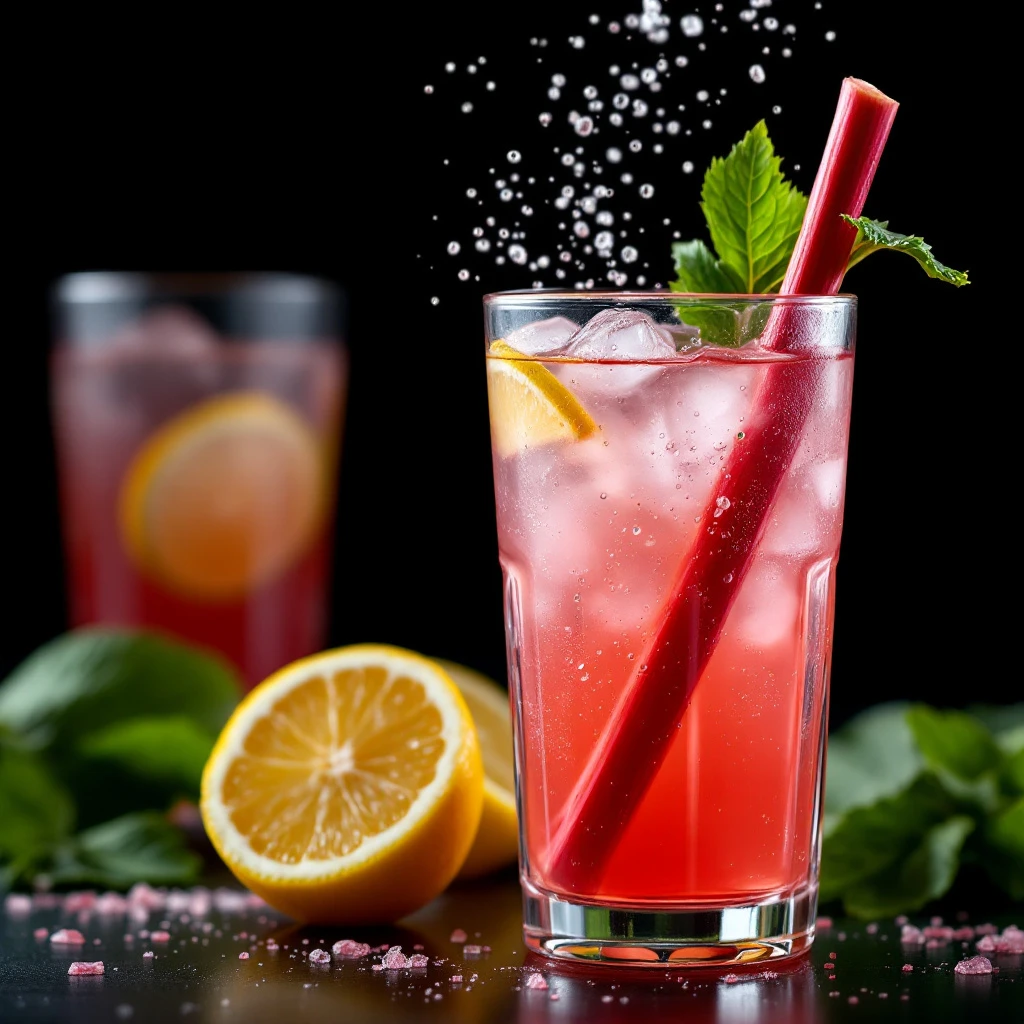
Pink Raspberry brings a vibrant, juicily-real fruit impression to fragrance. It captures the berry's signature blend of sun-kissed sweetness and mouthwatering tartness, lending a modern, playful energy to compositions.
Character
How it smells
Bridges playful sweetness and tart brightness in perfumery.
Greek mythology credits a nymph named Idaea with creating the raspberry from drops of her own blood on Earth.





Origin
United Kingdom
Raspberries have held human attention since antiquity. Ancient Greek mythology placed them at the center of a tragic tale involving the nymph Idaea and the god Pan, where crimson fruit arose from drops of divine blood. The Romans documented wild raspberry use for medicinal purposes, recommending preparations for numerous ailments.
Native to Western Asia and Southern Europe, raspberries spread through cultivation across medieval Europe as garden plants prized for both fruit and ornamental appeal. Despite centuries of human familiarity with the berry, perfumery found natural raspberry extract impractical due to volatile aroma compounds. The synthetic recreation only became viable in the modern era.
By the late twentieth century, chemists successfully isolated and could reproduce the key esters responsible for raspberry's unmistakable scent, opening the door to widespread use of this fruit note in contemporary fragrance.
Wears it best
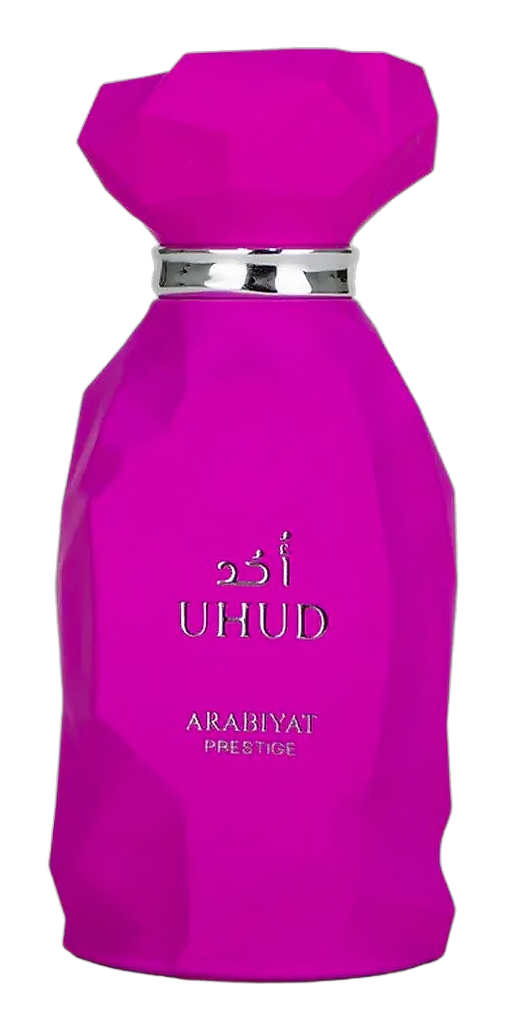
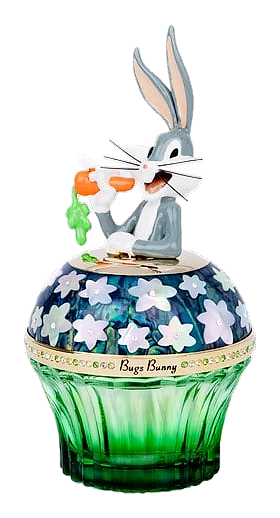
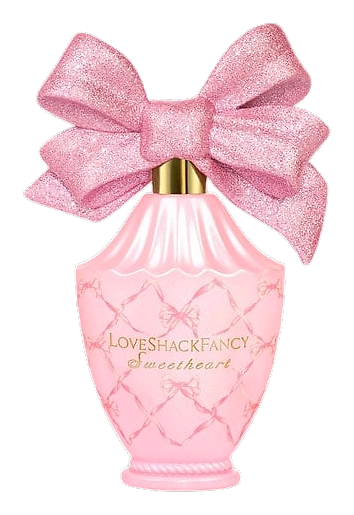
Fragrances featuring Pink Raspberry
Brands
Brands known for Pink Raspberry
Good to know
Questions, answered
The essentials on Pink Raspberry in perfumery: how it smells, where it comes from, and how it behaves on skin.
What does Pink Raspberry smell like in a fragrance?
Pink Raspberry reads as a bright, sun-kissed berry with a distinct dual personality. It delivers juicy sweetness upfront balanced by a lively tartness that keeps it from feeling cloying. The effect evokes fresh raspberry fruit rather than candy, offering natural warmth without heaviness.
Is pink raspberry a natural or synthetic ingredient in perfume?
Pink Raspberry exists as a synthetic reconstruction in virtually all commercial fragrances. Natural raspberry extract lacks stability and longevity as a fragrance material. Perfumers combine specific esters and aroma chemicals to capture the berry's characteristic sweet-tart profile at a usable concentration.
Why don't perfumers use real raspberries in fragrance formulas?
Real raspberries yield very little usable fragrance material because their aromatic compounds are highly volatile and break down quickly. Natural extracts fade rapidly on skin, making them impractical for perfumery. Synthetic recreation provides consistent, lasting results that natural extraction simply cannot deliver at commercial scale.
When did raspberry scent become common in modern perfumery?
The commercial viability of synthetic raspberry compounds emerged through twentieth-century aroma chemistry advances. Biotech processes for producing key esters like hexyl acetate reached industrial scale in the 1980s and 1990s, enabling widespread adoption of the raspberry note across fragrance families over the past few decades.
What chemical compounds create raspberry scent?
The primary raspberry odorants include hexyl acetate (sweet, fruity ester) and ethyl hexanoate (deeper, rounder berry character). Berry aldehydes contribute darker, more complex undertones. These compounds blend together to form the complete sensory impression that perfumers identify as characteristic raspberry aroma.
How does Pink Raspberry work in fragrance composition?
Pink Raspberry functions as a versatile bridge note between top and heart phases of a fragrance structure. Its immediate brightness grabs attention on application, then connects smoothly to fuller floral or deeper base notes that emerge subsequently, creating pleasant transitions across the wearing experience.
Which fragrance families use pink raspberry most often?
Pink Raspberry appears most prominently in fruity chypres and fruity florals for women's scents. It also features in fresh masculine compositions and unisex fragrances seeking approachable brightness. Designers use it to add youthfulness, energy, and immediate appeal across numerous market segments.
Why does pink raspberry pair well with tartness in perfumery?
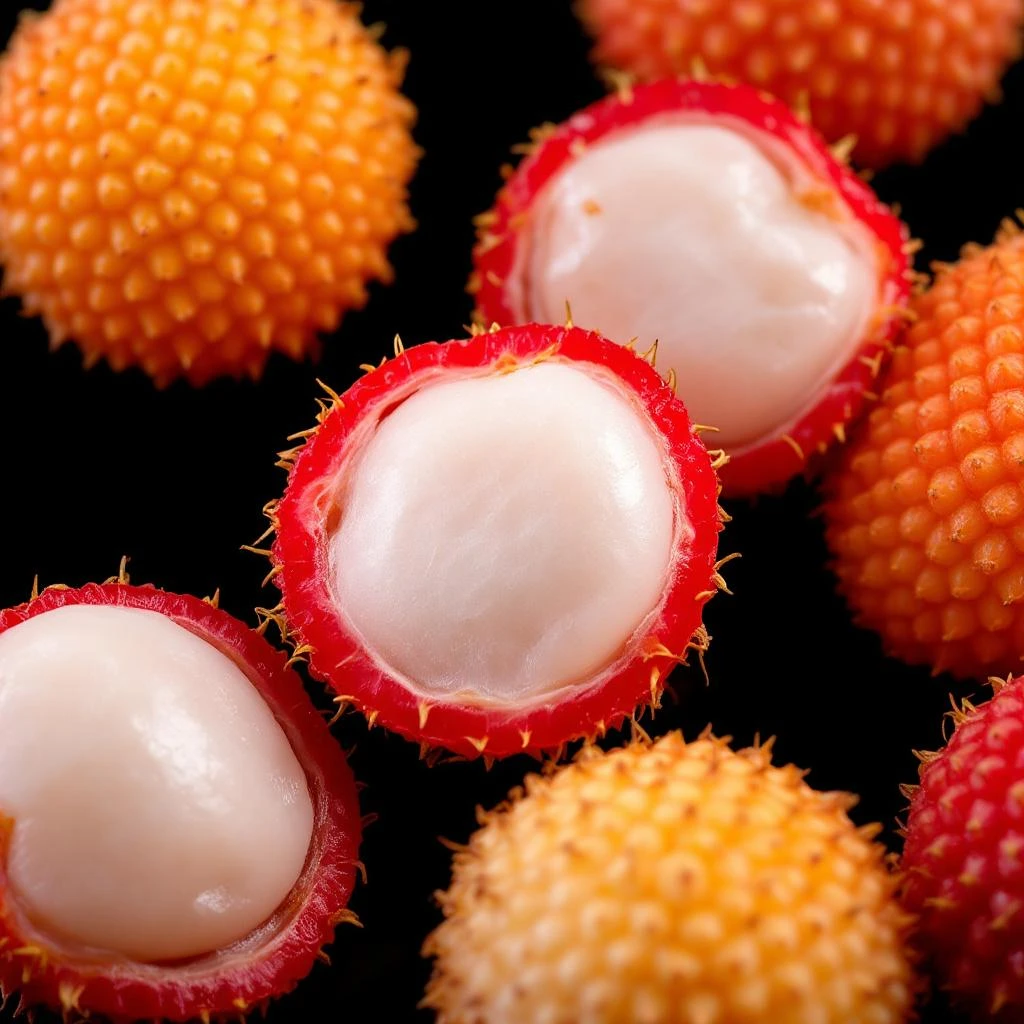
The berry's natural acidity keeps its sweetness from becoming overwhelming. When paired with complementary tart notes like bergamot or litchi, Pink Raspberry gains refreshing lift that maintains vibrancy throughout wear. This balance prevents the note from flattening or cloying as the fragrance develops on skin.