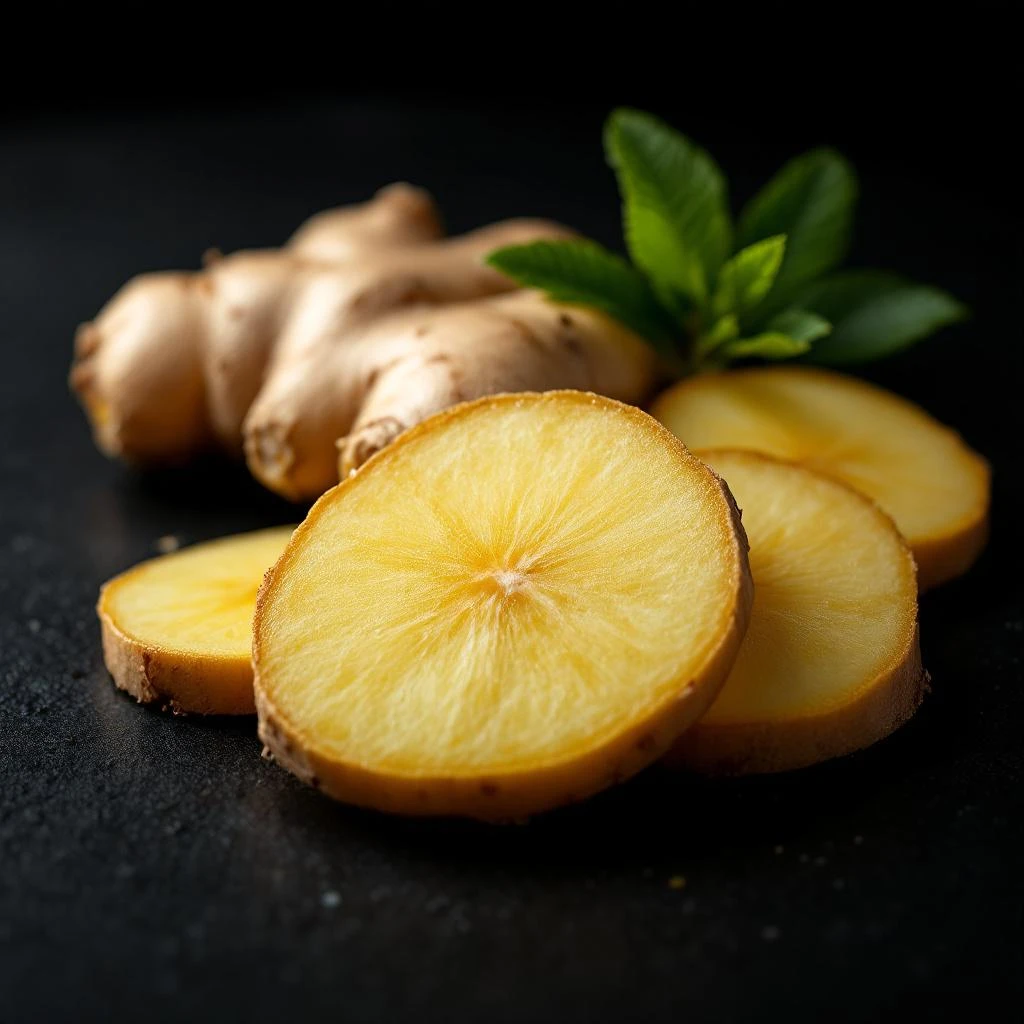
Red Paprika
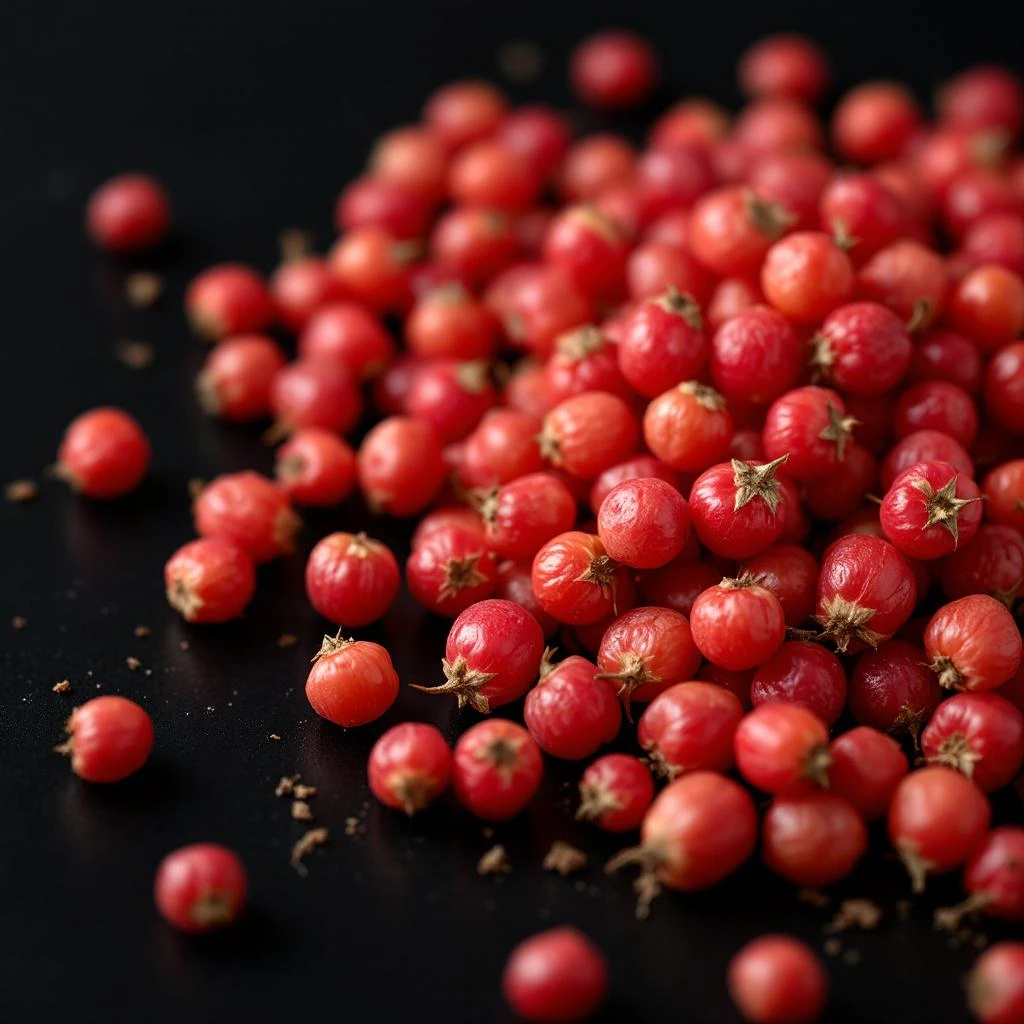
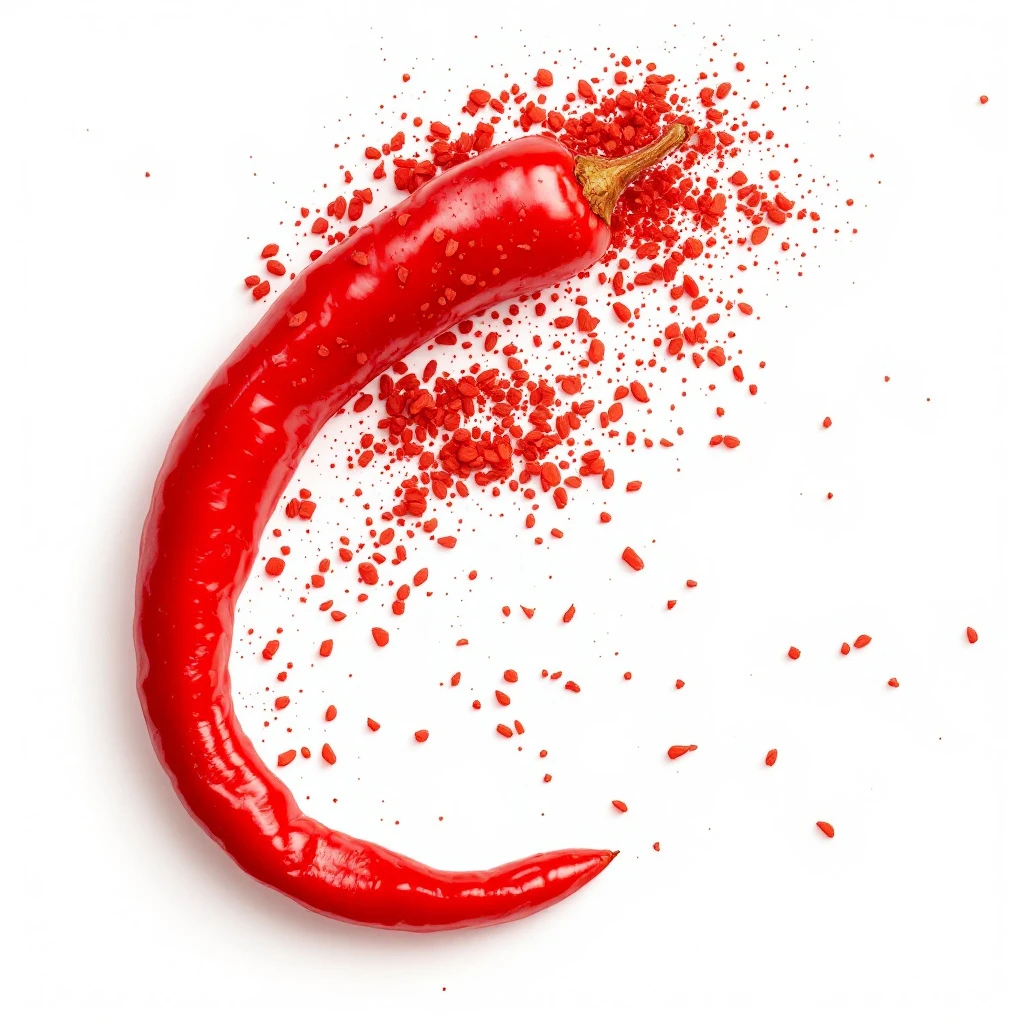
Red Paprika brings an unexpected warmth to perfumery, its oleoresin extracted from Capsicum annuum delivering smoky, subtly sweet spice that lingers like afternoon light through kitchen windows.
Character
How it smells
Fiery warmth captured in amber glass.
The same capsaicin that makes paprika taste hot also makes it an effective fragrance fixative, slowing evaporation of lighter notes.



Origin
Mexico
While Capsicum annuum originated in the Americas and traveled to European kitchens via 16th-century trade routes, its use in perfumery emerged much later, driven by modern extraction technology. Early perfumers seeking spicy, warm notes relied on pepper, cinnamon, and clove—paprika remained primarily culinary. The development of solvent extraction techniques in the 20th century opened new possibilities, allowing extraction of complex aromatic profiles from materials previously inaccessible to perfumery.
Today, Hungarian and Spanish paprika-producing regions supply the perfumery industry with specific cultivars bred for color intensity and flavor complexity, paralleling their culinary counterparts. This crossover represents a fascinating reversal: ingredients that traveled from medicinal and aromatic uses into kitchens now return to the fragrance world with new applications.
Wears it best
Fragrances featuring Red Paprika
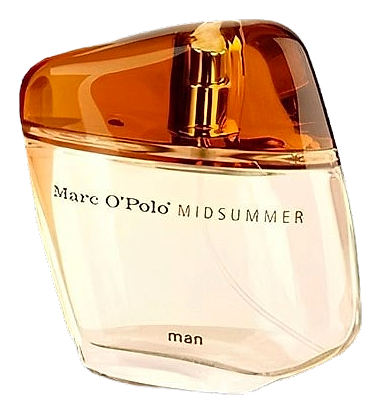
Brands
Brands known for Red Paprika
Good to know
Questions, answered
The essentials on Red Paprika in perfumery: how it smells, where it comes from, and how it behaves on skin.
What does Red Paprika smell like in perfume?
Red Paprika registers as warm, smoky, and gently sweet with a subtle spice kick. It adds depth without overwhelming, functioning as a base-note contributor that gives fragrances a cozy, slightly piquant character.
Is Red Paprika used in men's or women's fragrances?
Paprika works across gender presentations. It appears in masculine fragrances for its warmth and in feminine compositions for its unexpected spice, typically in Oriental, spicy, and woody fragrance families.
Is paprika extract natural or synthetic?
Paprika oleoresin is a natural ingredient extracted from Capsicum annuum fruits via steam distillation and solvent extraction. No synthetic equivalent perfectly replicates its complex profile.
How much paprika is needed in a fragrance formula?
Paprika oleoresin is potent. Perfumers typically use it at 0.1-2% dilution in the concentrate. Excessive use produces harsh, biting notes rather than the desired warmth.
What fragrance families use Red Paprika?
Oriental fragrances, spicy compositions, and warm woody scents most commonly feature paprika. It pairs well with vanilla, benzoin, sandalwood, and other warm base materials.
Does Red Paprika have any skin sensitization concerns?
Like many spice-derived materials, paprika oleoresin may cause sensitivity in concentrated form. Regulatory guidelines restrict usage concentrations in consumer products to minimize reaction risk.
What gives paprika its distinctive red color in perfumery?
The characteristic red comes from carotenoid pigments, primarily capsanthin and capsorubin, present in the fruit pods. These fat-soluble compounds extract alongside the aromatic materials.
Can paprika be used as a substitute for pepper in perfumery?
Not directly. While both are spicy, paprika delivers smoky warmth and sweetness, whereas pepper provides sharper, more biting heat. They create different olfactory effects in compositions.