Red Clover
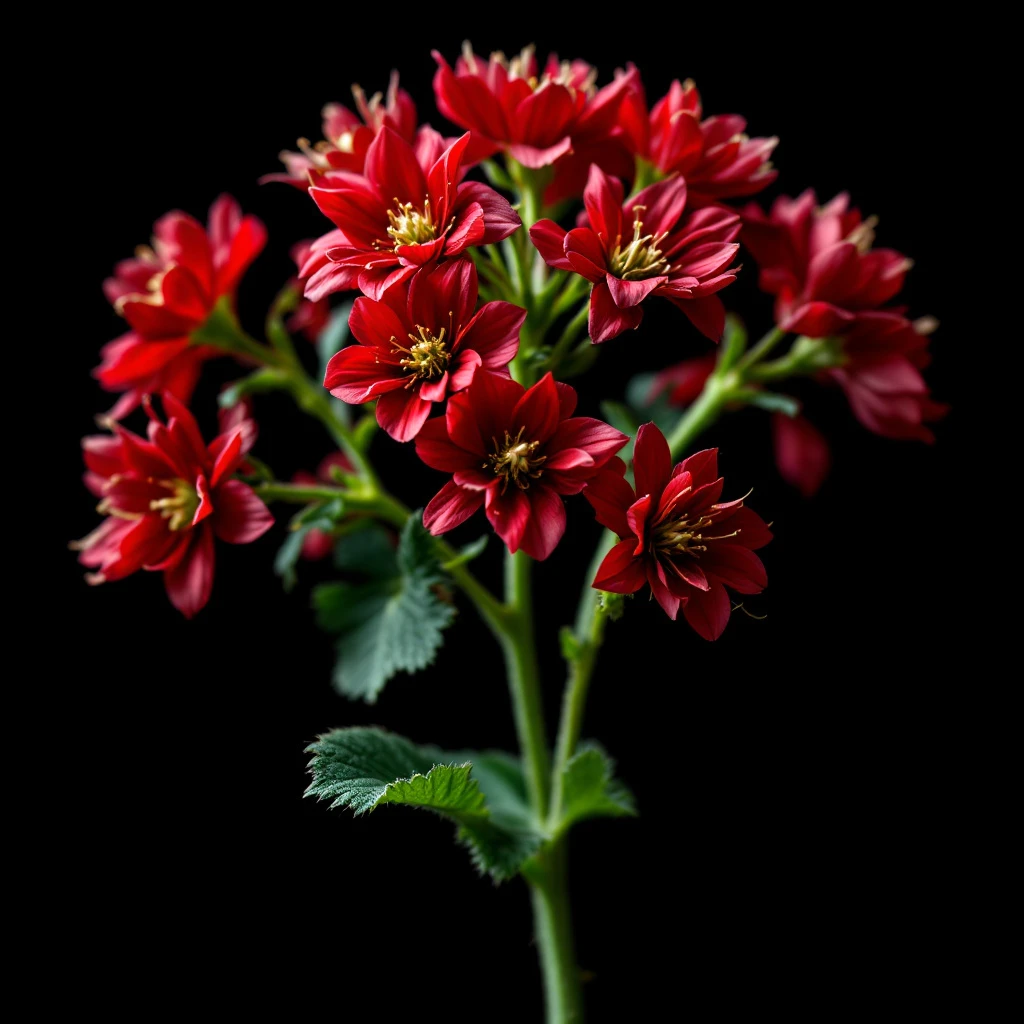
Red clover brings a warm, hay-like sweetness to perfumery. Its coumarin-rich blooms offer softly herbaceous facets reminiscent of summer meadows after the first cut. A subtle botanical that lends depth and natural warmth to compositions.
Character
How it smells
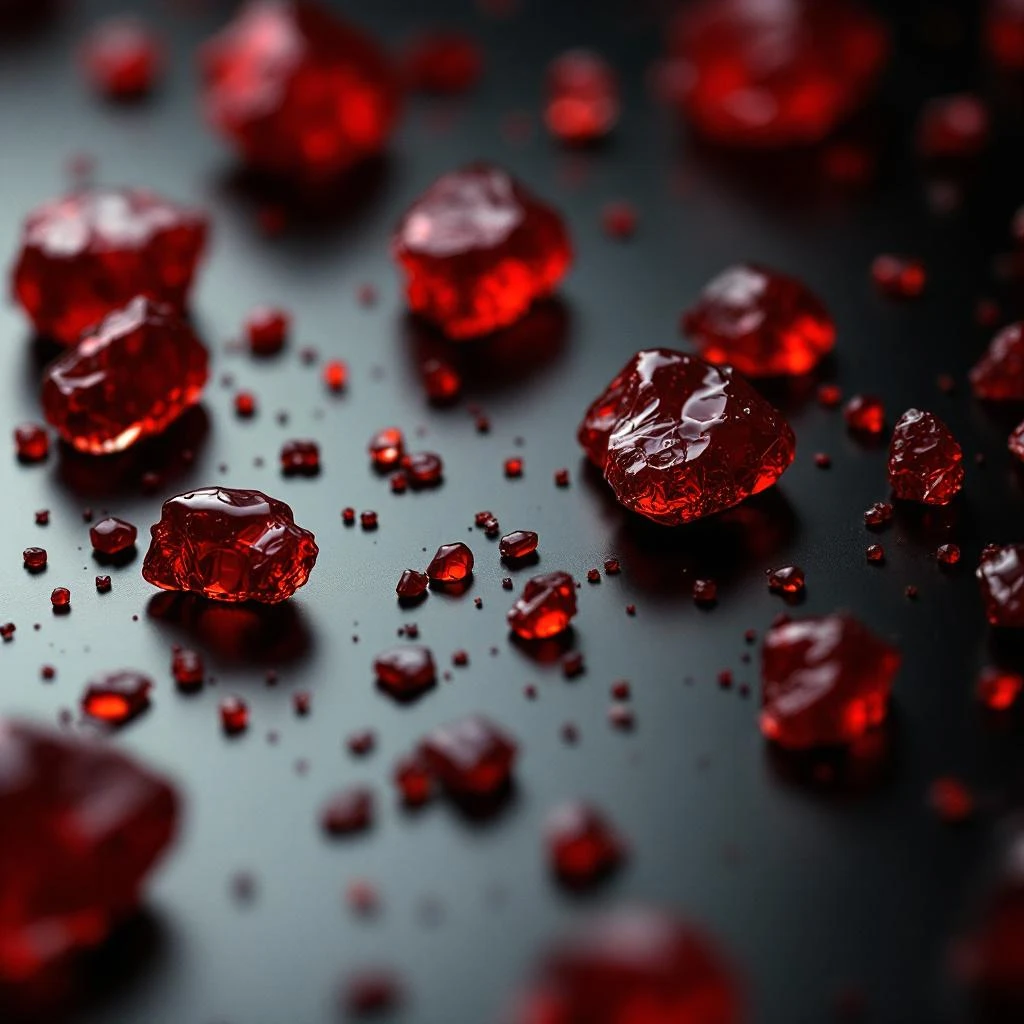
Meadow sweetness captured in essence.
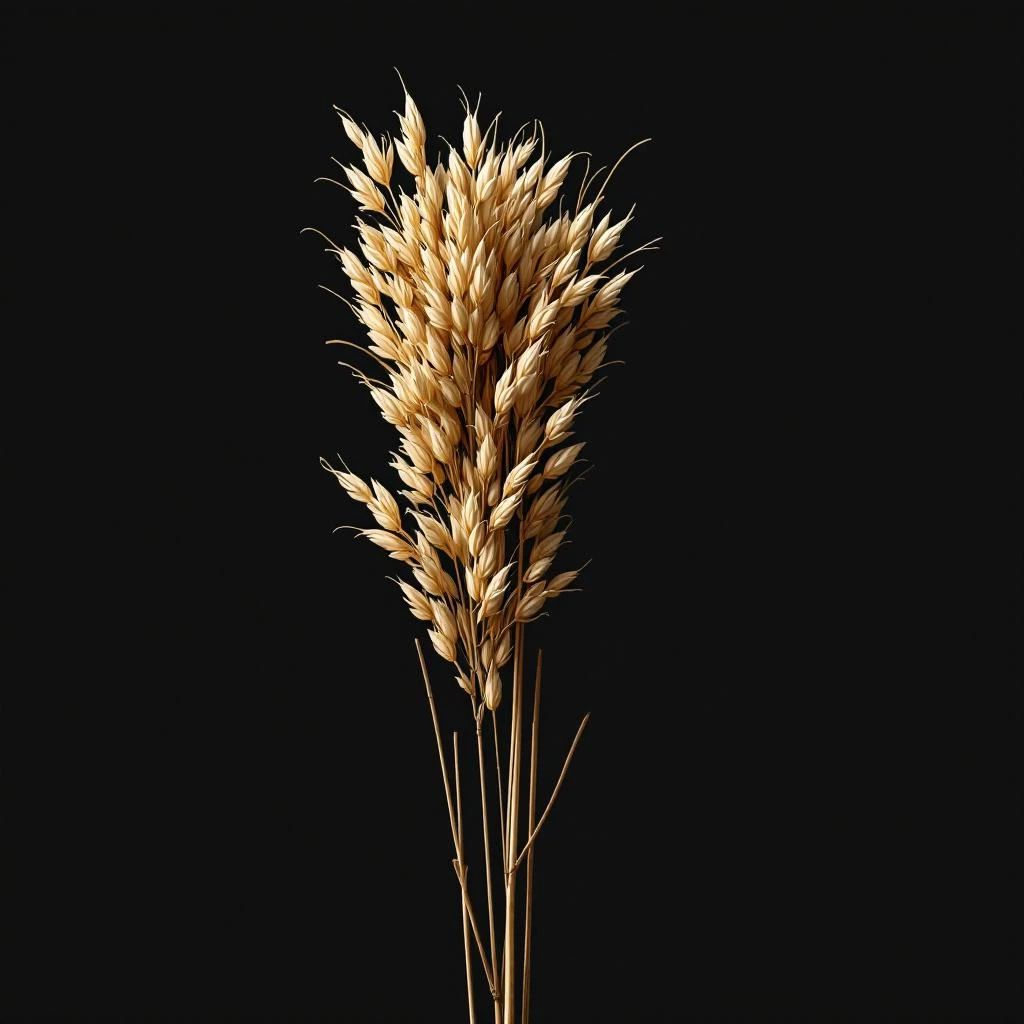
Red clover's characteristic sweet scent comes from coumarin, the same compound that gives freshly cut hay its distinctive aroma.




Origin
France
Red clover (Trifolium pratense) has accompanied human civilization since ancient times, though primarily for agricultural and medicinal purposes rather than fragrance. Native to meadows and grasslands across Europe, Western Asia, and Northwest Africa, this hardy legume has been cultivated since at least Roman times as livestock fodder and soil enricher. Traditional herbalists valued clover for its purported healing properties, particularly for respiratory conditions.
The plant entered perfumery consciousness gradually as chemists identified coumarin as its primary aromatic compound. This discovery prompted the development of synthetic coumarin in the 19th century, though natural clover absolute remains valued by natural perfumers seeking authentic botanical character.
Wears it best
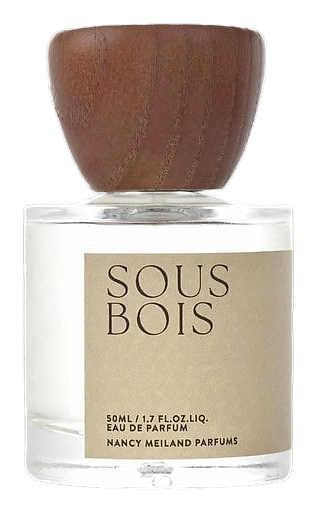
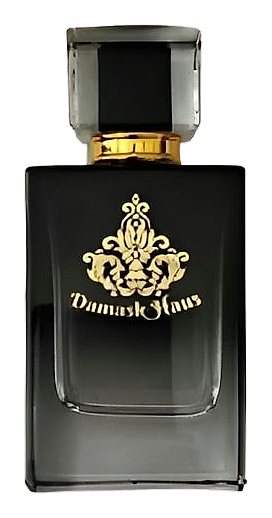
Fragrances featuring Red Clover
Brands
Brands known for Red Clover
Good to know
Questions, answered
The essentials on Red Clover in perfumery: how it smells, where it comes from, and how it behaves on skin.
What does red clover smell like in perfume?
Red clover has a sweet, hay-like aroma with herbaceous undertones. Its coumarin content creates warm, slightly vanillic facets reminiscent of summer meadows after the first grass cut.
Is red clover commonly used in perfumery?
Red clover appears less frequently than other botanicals, typically as a supporting note. It works as a modifier in compositions that seek natural, grassy warmth.
What gives red clover its distinctive scent?
Coumarin is the primary aromatic compound in red clover. This same molecule occurs in hay, sweet woodruff, and tonka bean, creating similar sweet-hay characteristics.
Is natural red clover absolute commonly available?
Natural red clover absolute is relatively scarce in the perfumery market. Many formulators rely on synthetic coumarin to replicate its characteristic aroma more economically.
What extraction method produces red clover absolute?
Solvent extraction yields red clover absolute from flowering tops. This process first produces a concrete, then refines it to isolate the aromatic compounds.
Which fragrance families use red clover?
Red clover suits fougere, chypre, and green fragrance families. It adds natural warmth to compositions alongside herbs like lavender and clary sage.
Where does perfumery-grade red clover originate?
European production centers around France and the Mediterranean region, where meadow-grown red clover develops optimal aromatic compounds during summer flowering.
Does red clover have any historical significance in fragrance?
Red clover entered perfumery indirectly through coumarin discovery in the 19th century. Traditional medicine valued the plant long before perfumers adopted it as a botanical material.




