Primula Scotica
Primula scotica, the Scottish primrose, grows wild along the windswept northern coasts of Scotland. Its delicate, violet-scented blooms are among Britain's rarest botanical treasures and a hidden jewel of the northern fragrance world.
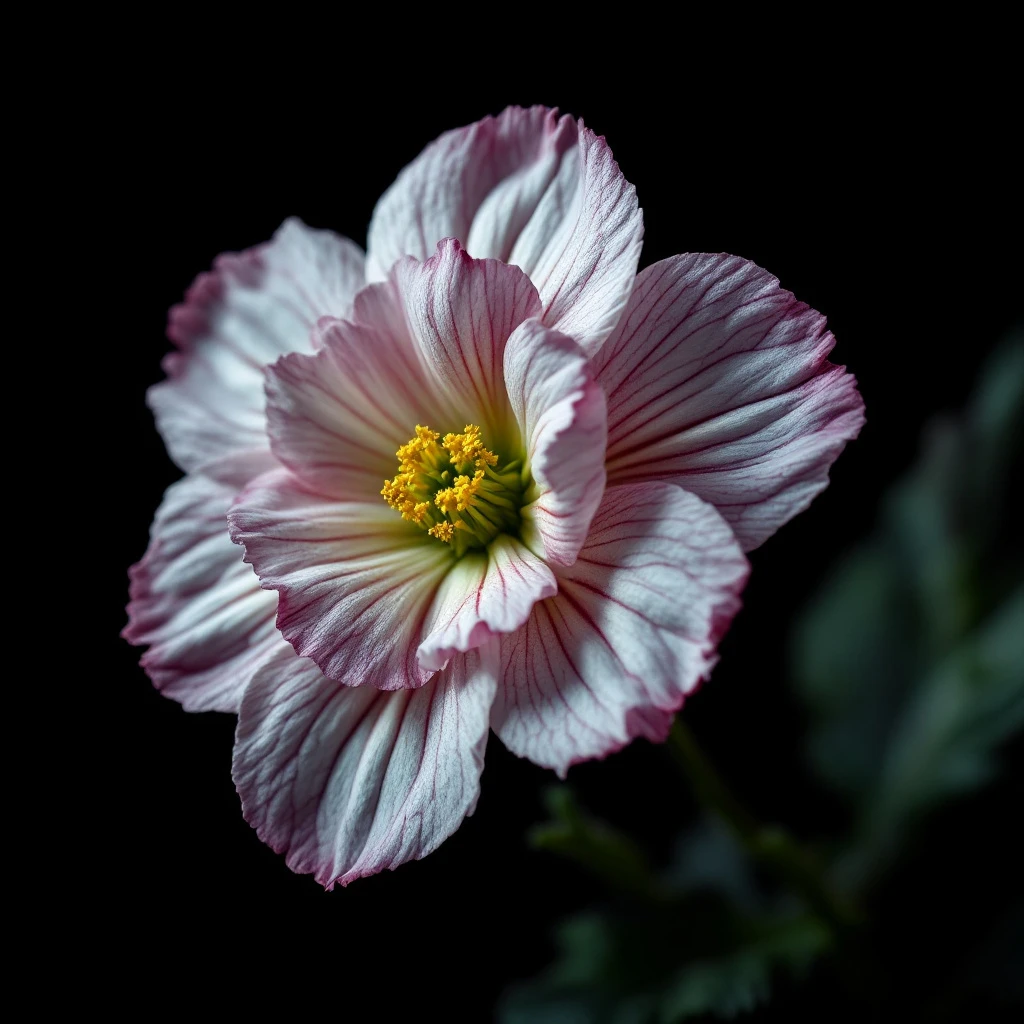
Character
How it smells
Scotland's violet-scented coastal wildflower, rarely found beyond its native shores.
Primula scotica is endemic to Scotland and cannot be found growing naturally anywhere else on Earth.



Origin
Scotland
Primula scotica was formally described by Scottish botanist William William Jackson Hooker in the early 19th century. It belongs to the Primulaceae family and occupies a restricted ecological niche along the shorelines of Caithness, Orkney, and Sutherland, making it one of Britain's most geographically limited flowering plants.
While primroses have appeared in folk medicine and cosmetic preparations across Europe for centuries, Scottish primrose specifically has remained a botanical curiosity rather than a commercial ingredient. Its rarity and protected status mean perfumers encounter it only as an aromatic reference point or in rare natural perfumery projects with a conservation angle.
Wears it best
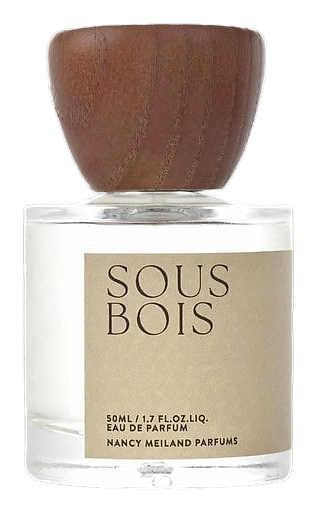
Fragrances featuring Primula Scotica
Brands
Brands known for Primula Scotica
Good to know
Questions, answered
The essentials on Primula Scotica in perfumery: how it smells, where it comes from, and how it behaves on skin.
Is Primula scotica commonly used in perfumery?
No. Primula scotica has no established commercial role in perfumery due to its protected status and microscopic wild populations. It appears almost exclusively as a reference note or in conservation-themed rare botanical projects.
What does Primula scotica smell like?
Headspace analysis reveals a green, slightly honeyed violet character with fresh stem-like facets. The scent is delicate and fleeting, similar to wild English primrose but with a cooler, more mineral quality influenced by its coastal habitat.
Where does Primula scotica grow naturally?
It grows only along the northern coastline of mainland Scotland, particularly in Caithness and Sutherland, and on the Orkney islands. Its total global range spans just a few hundred square kilometres.
Is Primula scotica protected?
Yes. It is listed as a Schedule 8 species under the Wildlife and Countryside Act 1981, making it an offence to pick, uproot, or disturb the plant without a specific licence.
What is the flowering season for Primula scotica?
The plant typically flowers from late April through June, with a second, smaller flush sometimes appearing in late summer. Its bloom period is considerably shorter than its more widespread primrose relatives.
How is Primula scotica different from common primrose?
Primula vulgaris (common primrose) is widespread across Britain and Europe. Primula scotica is genetically distinct, smaller in stature, and confined exclusively to northern Scottish coastal habitats with acidic, heather-rich soils.
Are any synthetic alternatives to Scottish primrose fragrance available?
Fragrance chemists have characterised its key volatile constituents, allowing the creation of primrose-type aromatic materials. These reconstruction materials enable perfumers to incorporate a primrose-like note without using any wild-collected plant material.
Why does Silloria include an ingredient with no commercial perfumery use?
Silloria documents the full spectrum of botanical fragrance possibilities, including rare and protected species. Highlighting Primula scotica educates readers about the intersection of conservation, fragrance history, and the limits of natural sourcing.




