Raw Sugar
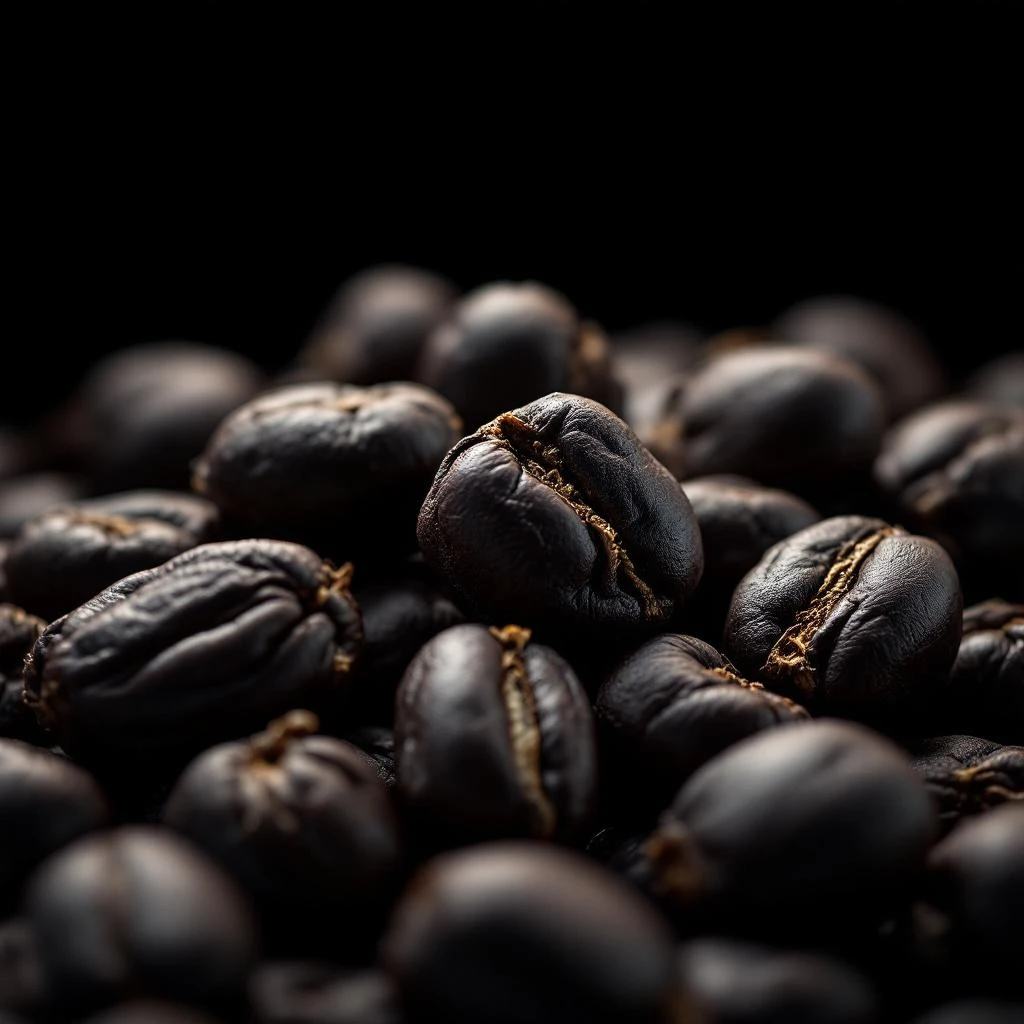
The unrefined sweetness of cane sugar, grounding fragrances with warm, honeyed depth. A perfumery staple that brings lasting comfort.
Character
How it smells
Nature's purest sweetener, captured in scent.
Sugar cane cultivation dates to 8000 BCE in Southeast Asia, predating modern perfumery by millennia.



Origin
India
Sugarcane originated in Southeast Asia around 8000 BCE, spreading to India by 600 BCE where early civilizations first processed it into sugar crystals. Ancient Indian texts mention sugarcane as a sacred plant, while traders introduced it to the Mediterranean world through Persian and Arab merchants. Greek and Roman physicians initially used sugar medicinally before it became a culinary luxury.
The Arabic world refined sugar production techniques during the medieval period, and European colonists later established vast sugarcane plantations in the Caribbean and Americas, transforming global trade. While sugar itself was too valuable for everyday perfumery, perfumers long used honey and other sweet materials. Only in the modern era did chemists isolate the aromatic compounds responsible for sugar's warm sweetness, enabling their systematic use in fragrance compositions.
Today, raw sugar notes honor this ancient relationship between sweetness and scent, bridging traditional natural perfumery with contemporary aromatic chemistry.
Wears it best
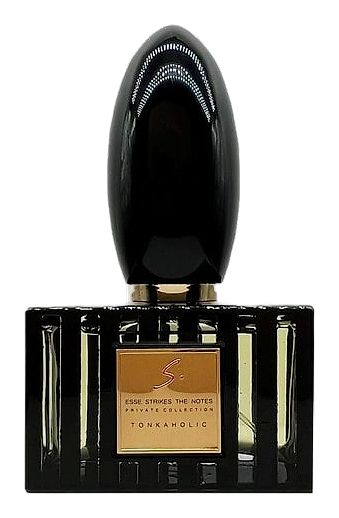
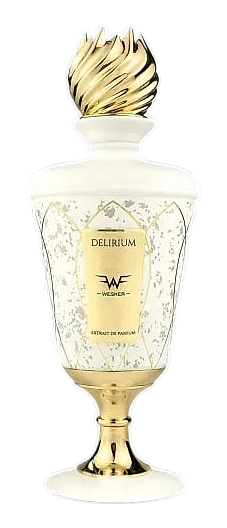
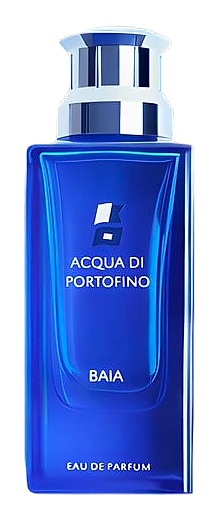
Fragrances featuring Raw Sugar
Brands
Brands known for Raw Sugar
Good to know
Questions, answered
The essentials on Raw Sugar in perfumery: how it smells, where it comes from, and how it behaves on skin.
What does raw sugar smell like in perfume?
Raw sugar delivers a warm, honeyed sweetness with caramel and toffee undertones. It creates a comforting, inviting quality that works as a base note, adding depth without being cloying.
Is raw sugar in perfume natural or synthetic?
Both versions exist. Natural perfumers extract sugar notes through fermentation of sugarcane materials. Synthetic alternatives replicate sugar's aromatic profile using compounds like vanillin and musks.
What part of the sugarcane plant provides the fragrance material?
Perfumers extract sugar notes from molasses, the thick syrup remaining after sugar crystallization. The processing byproducts contain the aromatic compounds responsible for warm, sweet scent.
How do perfumers create sugar accords?
Perfumers combine materials like vanillin, musks, helional, and sweet base notes to construct realistic sugar accords. These constructed accords provide consistent, controllable sweetness in fragrance compositions.
Where does most sugarcane for fragrance materials originate?
India produces over 20% of the world's sugarcane, making it the primary source. Brazil and Thailand also supply significant quantities for aromatic and fragrance applications.
Does raw sugar help fragrance last longer?
Sugar molecules act as fixatives, slowing the evaporation of lighter top notes. This extends fragrance longevity and helps maintain a consistent scent profile throughout wear.
How has sugar's history influenced its use in perfumery?
Sugarcane cultivation began in Southeast Asia around 8000 BCE and reached India by 600 BCE. The plant's long history with sweetness and scent predates modern perfumery, giving raw sugar deep roots in aromatic tradition.
Can raw sugar notes trigger scent memories?
Sugar's association with comfort food and childhood treats creates powerful olfactory memories. Fragrances using raw sugar notes often evoke warmth, home-baked goods, and familiar sweetness.