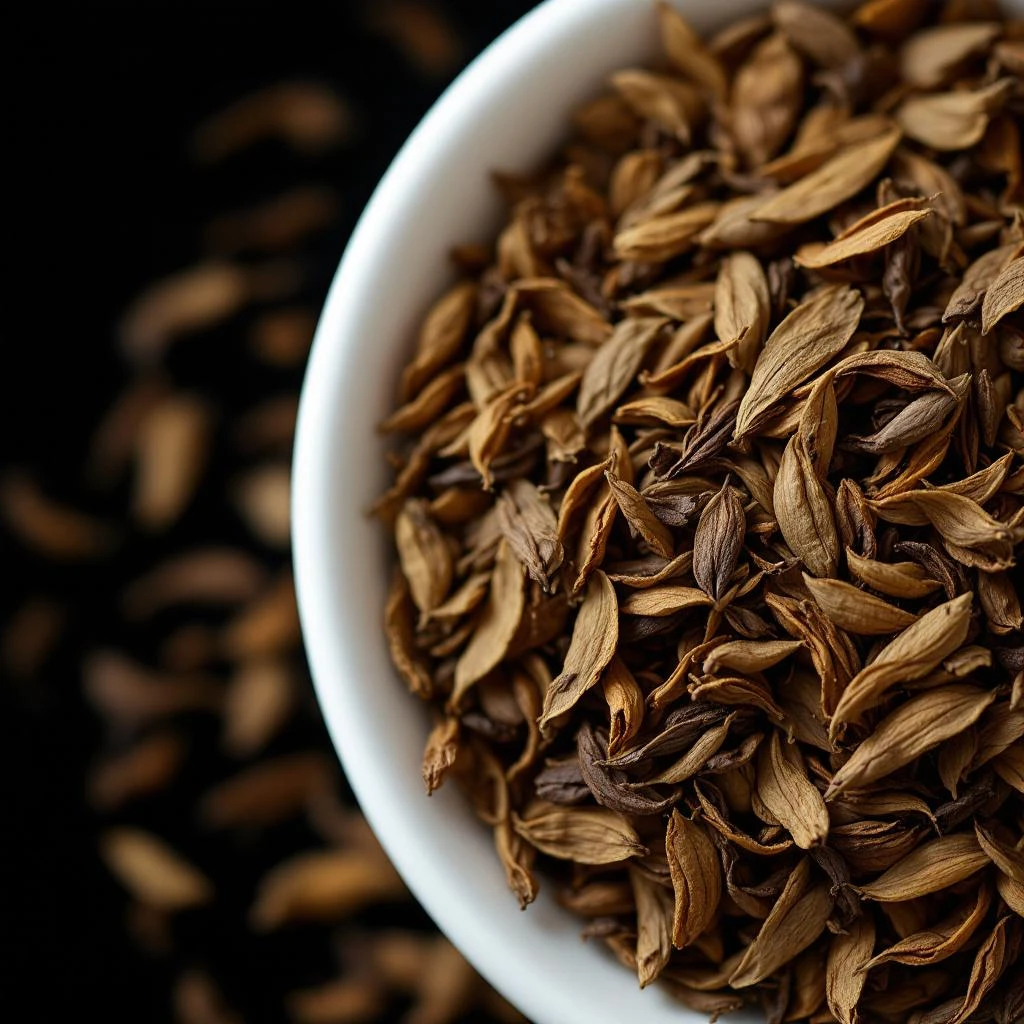
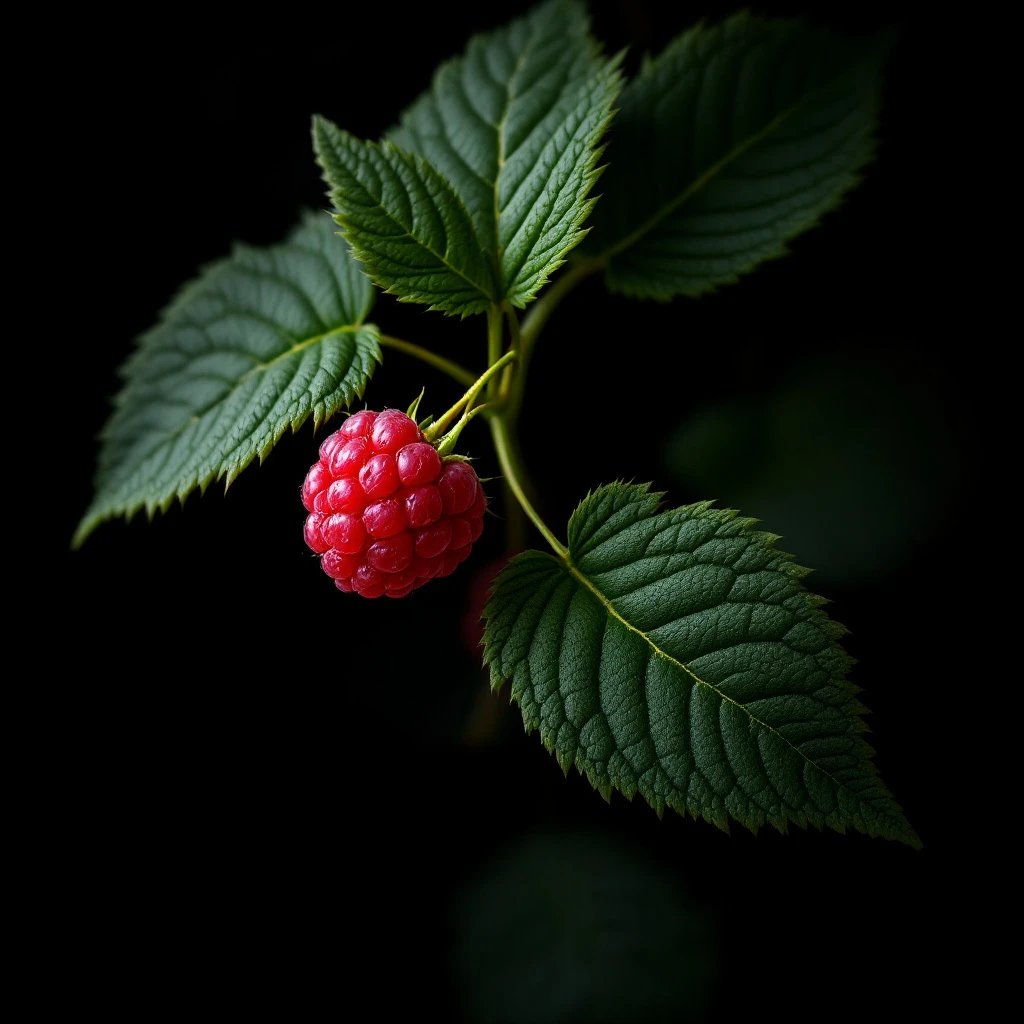
Raspberry Leaves
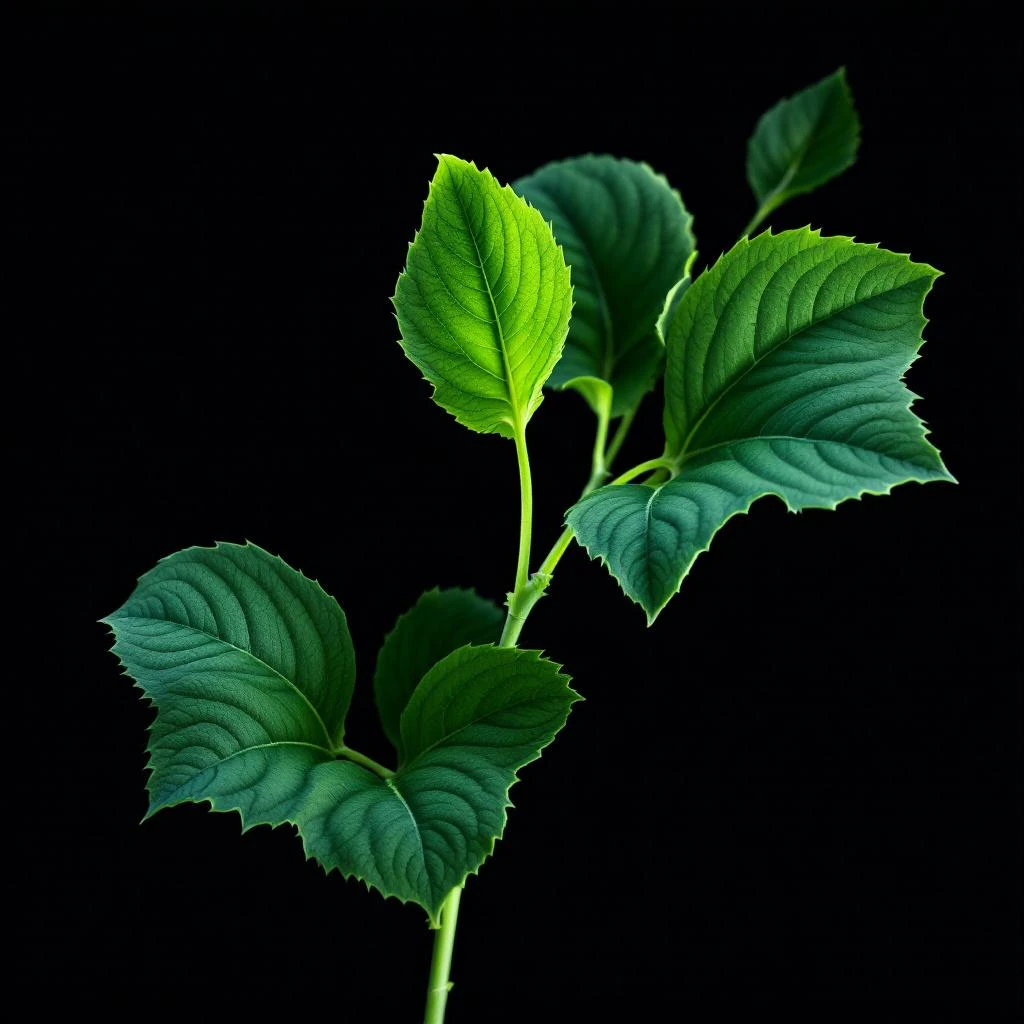
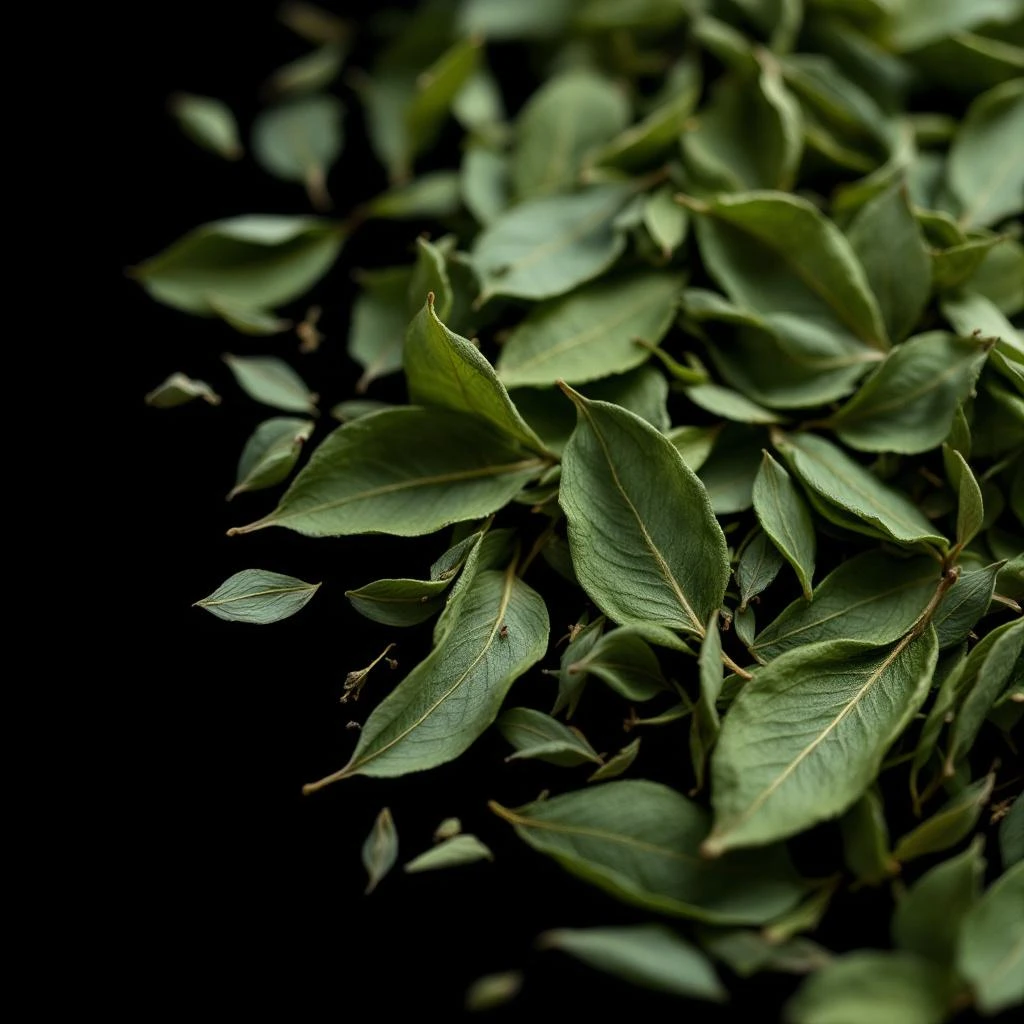
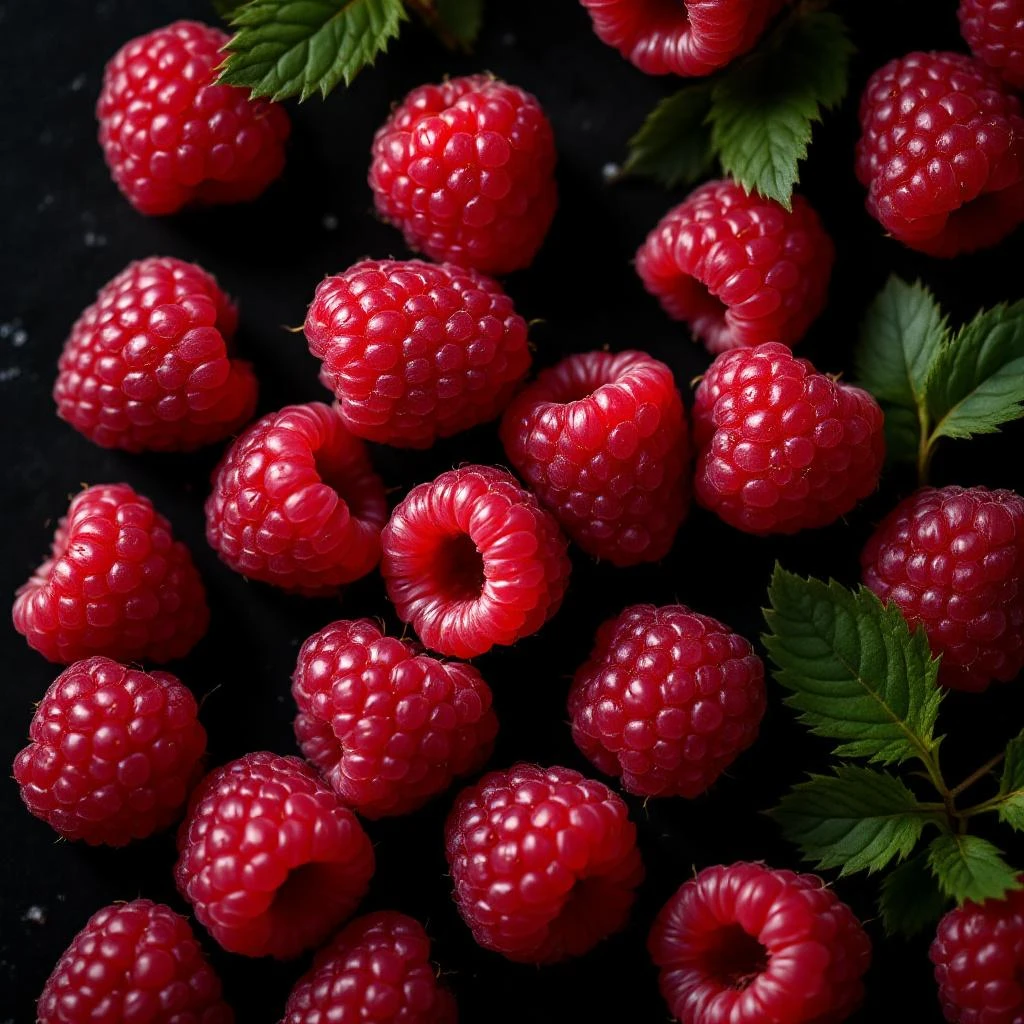
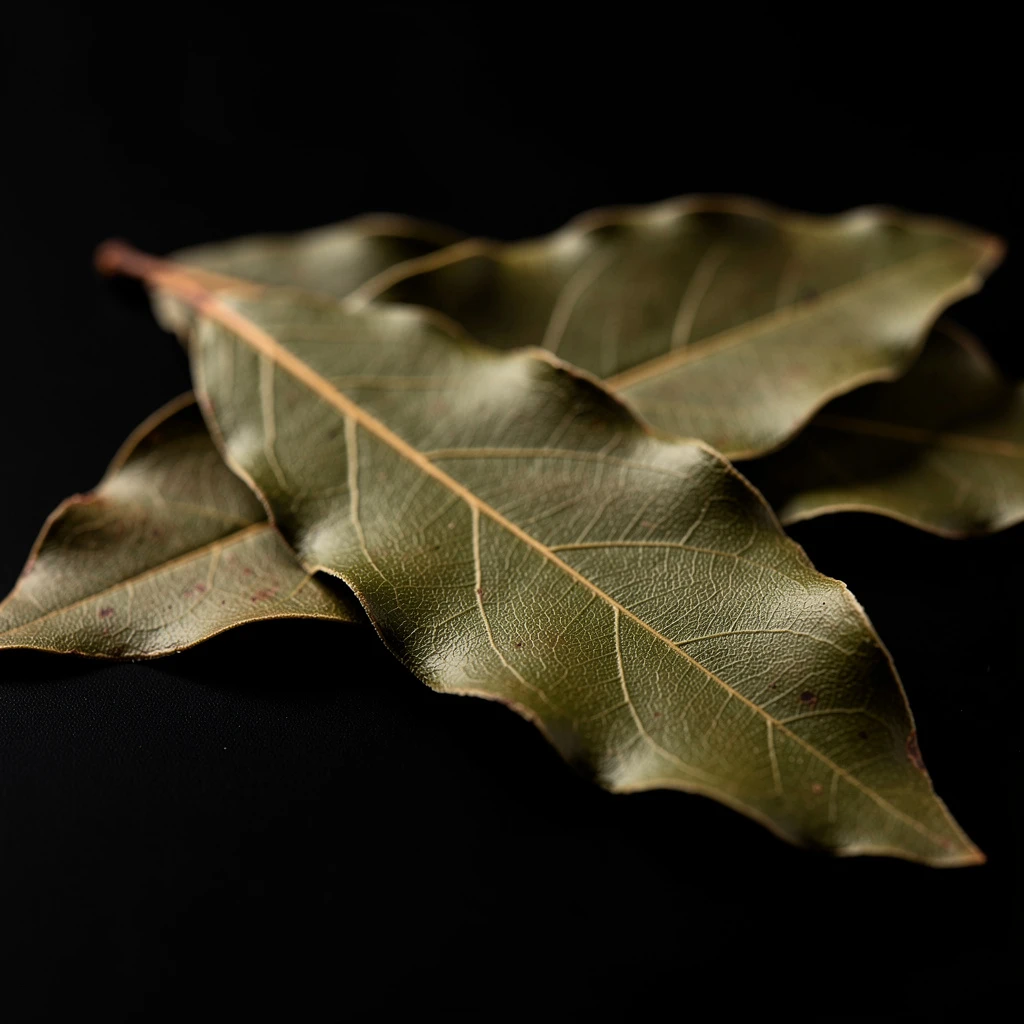
Green, dewy, and undeniably verdant: raspberry leaves capture the fresh scent of bramble patches at dawn, lending fragrances an authentic botanical realism rarely achieved by synthetic accord.
Character
How it smells
The verdant soul of the bramble
Before raspberry became a perfumery staple, herbalists prized the leaves for tea, valuing their tannin-rich, slightly astringent character for digestive tonics.




Origin
France
Raspberry leaves have accompanied human civilization far longer than their aromatic application. European herbalists documented Rubus idaeus preparations dating to ancient Greek and Roman times, primarily for medicinal use, yet the leaves themselves found perfumery only recently.
The fruit, by contrast, appears in recorded fragrance recipes from medieval monastery gardens, where monks cultivated brambles for both culinary and aromatic purposes. The shift toward using leaves specifically emerged in twentieth-century French perfumery as naturists sought to capture complete botanical profiles rather than isolated notes.
By the 1980s, green fragrance trends drove commercial production of raspberry leaf absolute, establishing the Loire Valley as the quality benchmark. Today, the ingredient honors centuries of herbal tradition while serving modern creative visions in fine fragrance.
Wears it best
Fragrances featuring Raspberry Leaves
Brands
Brands known for Raspberry Leaves
Good to know
Questions, answered
The essentials on Raspberry Leaves in perfumery: how it smells, where it comes from, and how it behaves on skin.
What does raspberry leaf smell like in perfume?
Raspberry leaf absolute delivers an intensely green, slightly bitter aroma with dewy, cut-grass nuances. Unlike the fruity sweetness of raspberry fruit, the leaf absolute captures authentic bramble character with earthy undertones. Perfumers value it for adding natural depth and botanical realism to compositions.
How is raspberry leaf absolute produced?
Producers harvest Rubus idaeus leaves and subject them to solvent extraction, typically using hexane. The solvent dissolves aromatic compounds including chlorophyll and ionones, then evaporates to leave a viscous olive-green absolute. This method preserves delicate green notes that steam distillation typically destroys.
Where does quality raspberry leaf absolute come from?
France leads production, particularly the Loire Valley and Rhône-Alpes regions. These areas offer the temperate climate and well-drained soil that Rubus idaeus requires for optimal aromatic development. French material sets the quality standard for perfumers worldwide.
Is raspberry leaf used in natural or synthetic perfumery?
Raspberry leaf absolute is a natural aromatic material. The fragrant compound comes from cultivated or wild-harvested Rubus idaeus leaves processed through solvent extraction. No reliable synthetic equivalent captures the full green complexity of natural raspberry leaf.
What fragrances use raspberry leaf?
Niche houses favor raspberry leaf in green and chypre compositions seeking botanical authenticity. You will find it paired with blackcurrant, galbanum, and oakmoss. The note works especially well in spring and summer fragrances where natural vegetation character matters.
How does raspberry leaf differ from raspberry fruit in fragrance?
Raspberry fruit absolute or synthetic accords deliver sweet, jammy, sometimes tart fruit character. Raspberry leaf absolute instead provides green, slightly bitter, dewy vegetation notes. The leaf captures the living bramble rather than the harvested berry.
When did raspberry leaf enter perfumery?
Raspberry leaf absolute gained commercial traction in the 1980s, driven by green fragrance trends. While raspberry fruit appears in older formulas, using leaves specifically emerged as naturals-focused perfumery expanded. Herbal traditions with the plant predate aromatic applications by centuries.
Can raspberry leaf absolute stand alone in a fragrance?
Raspberry leaf works best as a supporting note rather than a solo feature. Its strength lies in adding green depth and natural authenticity that elevates other ingredients. Perfumers typically use it at low concentrations to provide botanical realism without dominating the composition.