Raspberry Ketone
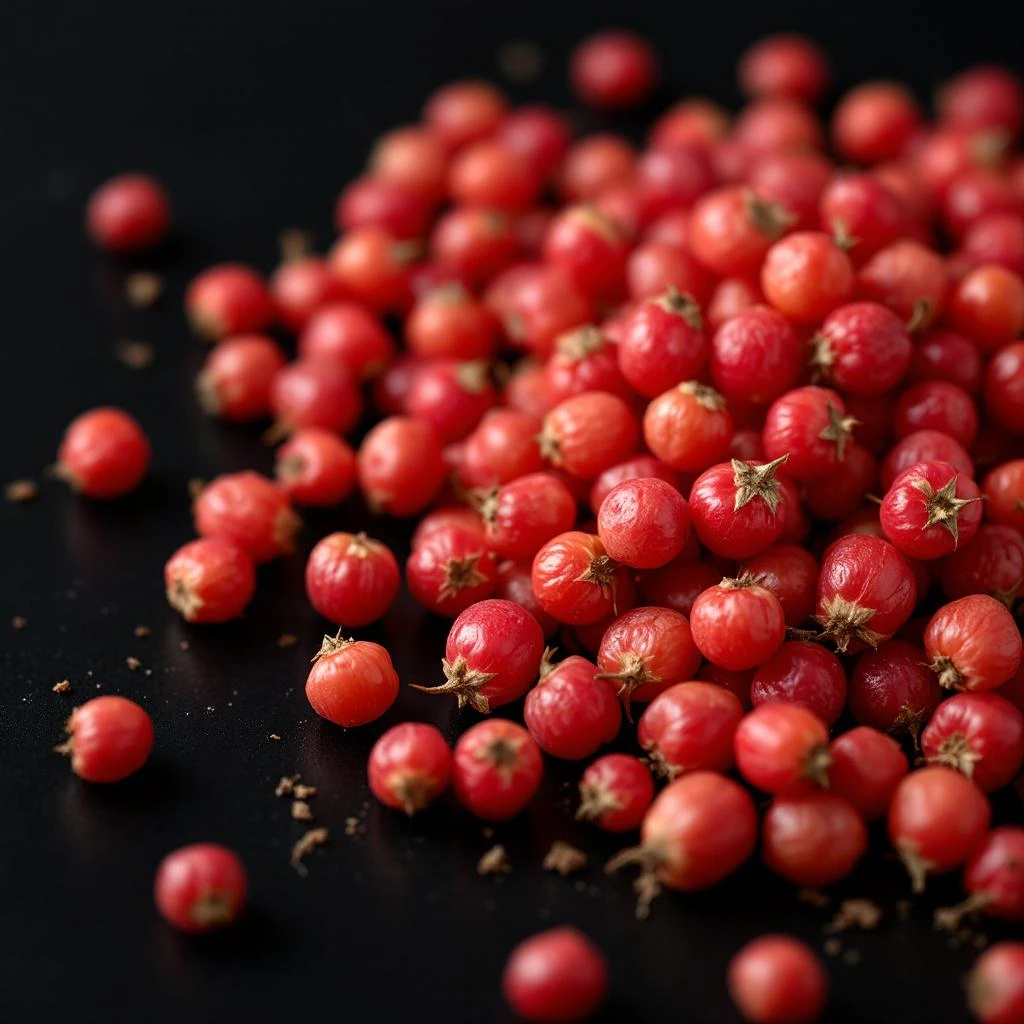
Raspberry ketone is a crystalline aromatic compound that captures the essence of ripe raspberries in perfumery. Known as frambinone in the fragrance world, this synthetic material delivers the sweet, jammy character of fresh raspberries to countless modern fragrances.
Character
How it smells
The synthetic compound that brings raspberry's sweet charm to perfume.
Natural raspberry ketone exists at only 1-4 mg per kilogram of fresh raspberries, making synthetic production the only practical source for perfumery.




Origin
United States
The discovery of raspberry ketone dates to the late 19th century when chemists first identified the compound responsible for raspberry's distinctive aroma. Natural sources contain vanishingly small concentrations of this material, making extraction economically impractical on any commercial scale.
The fragrance industry responded by developing synthetic production methods, which became refined throughout the 20th century as aroma chemistry advanced. Perfumer Roja Dove has noted synthetic raspberry ketone as an example of lab-created compounds successfully mimicking natural fruity scents.
The ingredient found early application in flavorings for food and beverages before becoming established in perfumery. Today, raspberry ketone appears across fruity, floral, and fresh fragrance families, rarely as a starring note but consistently as a supporting element that adds believability to berry interpretations.
Wears it best
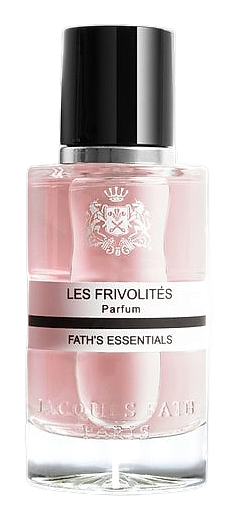
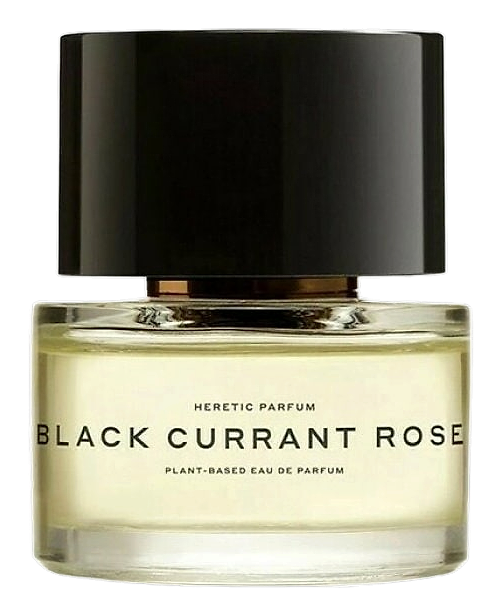
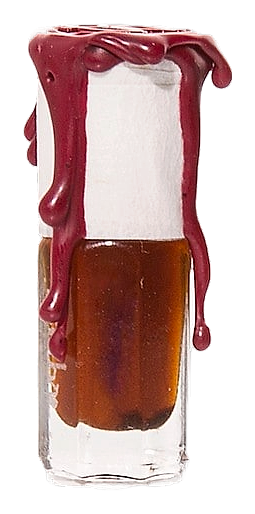
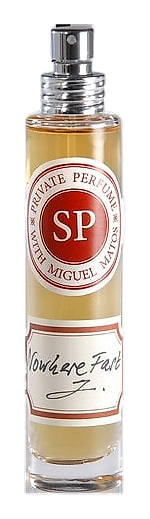
Fragrances featuring Raspberry Ketone
Brands
Brands known for Raspberry Ketone
Good to know
Questions, answered
The essentials on Raspberry Ketone in perfumery: how it smells, where it comes from, and how it behaves on skin.
What is raspberry ketone in perfumery?
Raspberry ketone is a synthetic aromatic compound that replicates the scent of fresh raspberries in fragrance. Also called frambinone, it serves as a key fruity note in berry and floral compositions.
Is raspberry ketone natural or synthetic?
Raspberry ketone is primarily synthetic. Natural concentrations in raspberries are too low for practical extraction, so manufacturers produce it chemically through condensation and hydrogenation processes.
What does raspberry ketone smell like?
Raspberry ketone smells like raspberry jam with sweet, fruity characteristics. It carries a distinctively ripe berry quality that works well in fruity and floral fragrance families.
How is raspberry ketone used in perfumery?
Perfumers use raspberry ketone at trace concentrations, typically below 1%, to add fruity sweetness to compositions. It dissolves easily in perfumers' alcohol and dipropylene glycol, making it straightforward to incorporate into fragrance bases.
Is raspberry ketone safe for cosmetic use?
Raspberry ketone is approved for use in cosmetics and fragrances by regulatory bodies when used within established concentration limits. It has been evaluated and deemed safe for application in consumer products.
Why do perfumers prefer synthetic raspberry ketone over natural extract?
Natural raspberry ketone exists at only 1-4 mg per kilogram of fruit, making extraction prohibitively expensive. Synthetic production provides a cost-effective alternative that delivers identical olfactory properties.
Does raspberry ketone last long on skin?
Raspberry ketone has moderate substantivity as a fragrance material. It functions as part of the heart notes in compositions and contributes to the overall fruity character rather than standing as a primary fixative.
In which fragrance families does raspberry ketone appear?
Raspberry ketone appears across fruity, floral, and fresh fragrance families. It commonly supports raspberry, strawberry, and various berry interpretations in women's and unisex fragrances.
In the same family