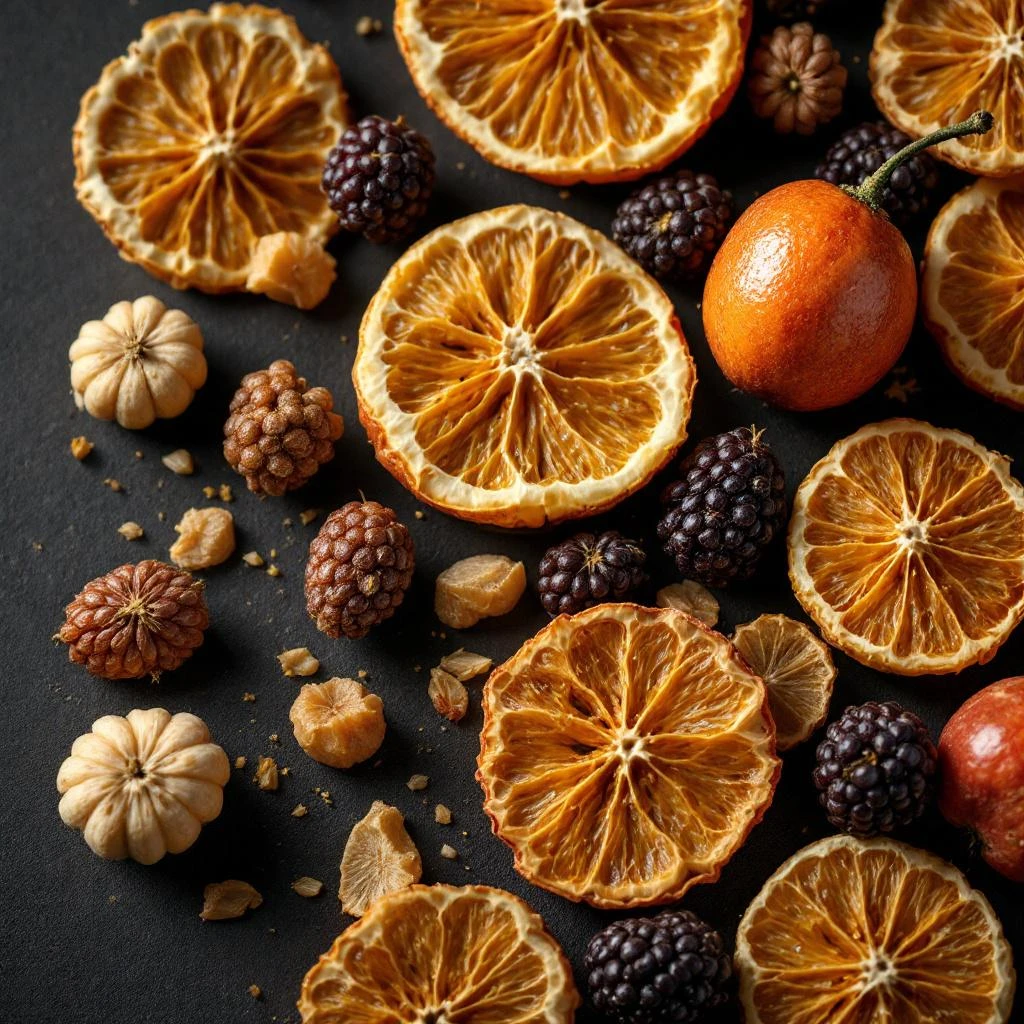
Quenepa
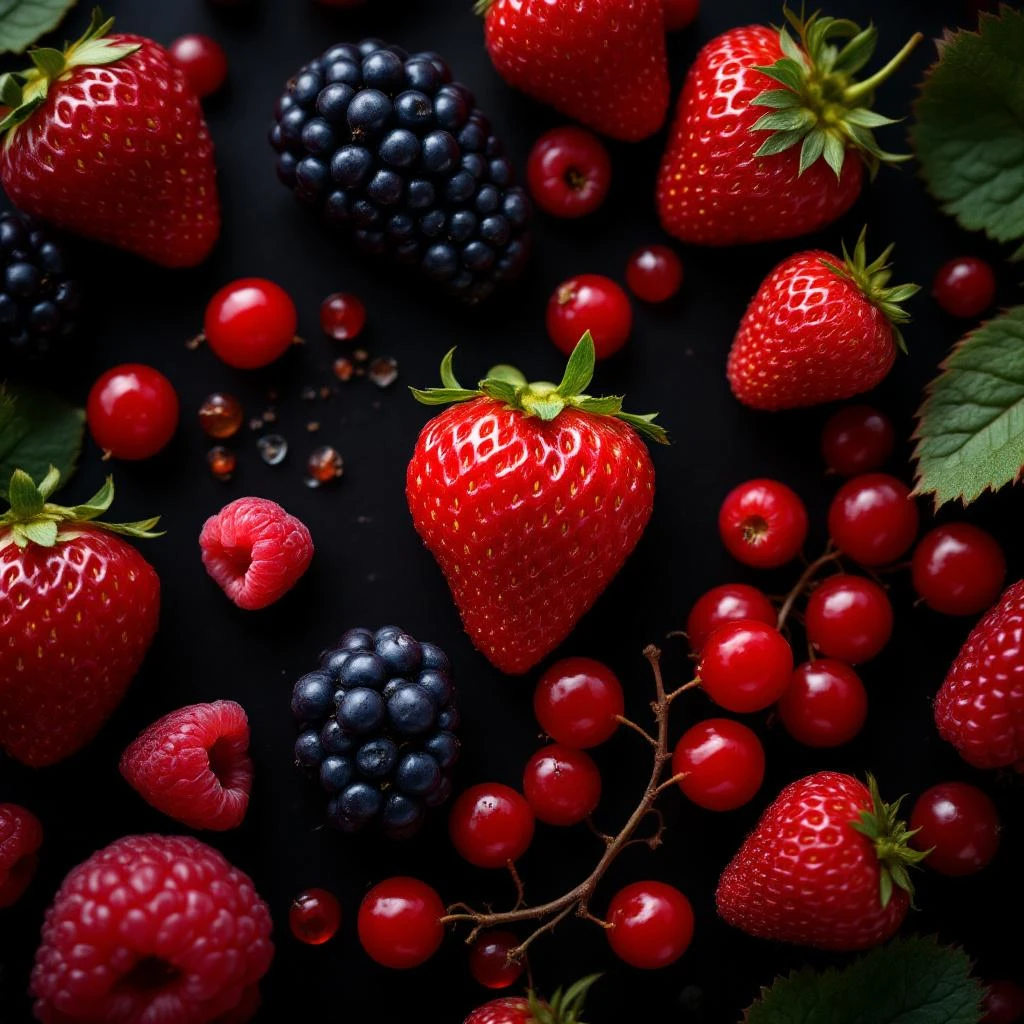
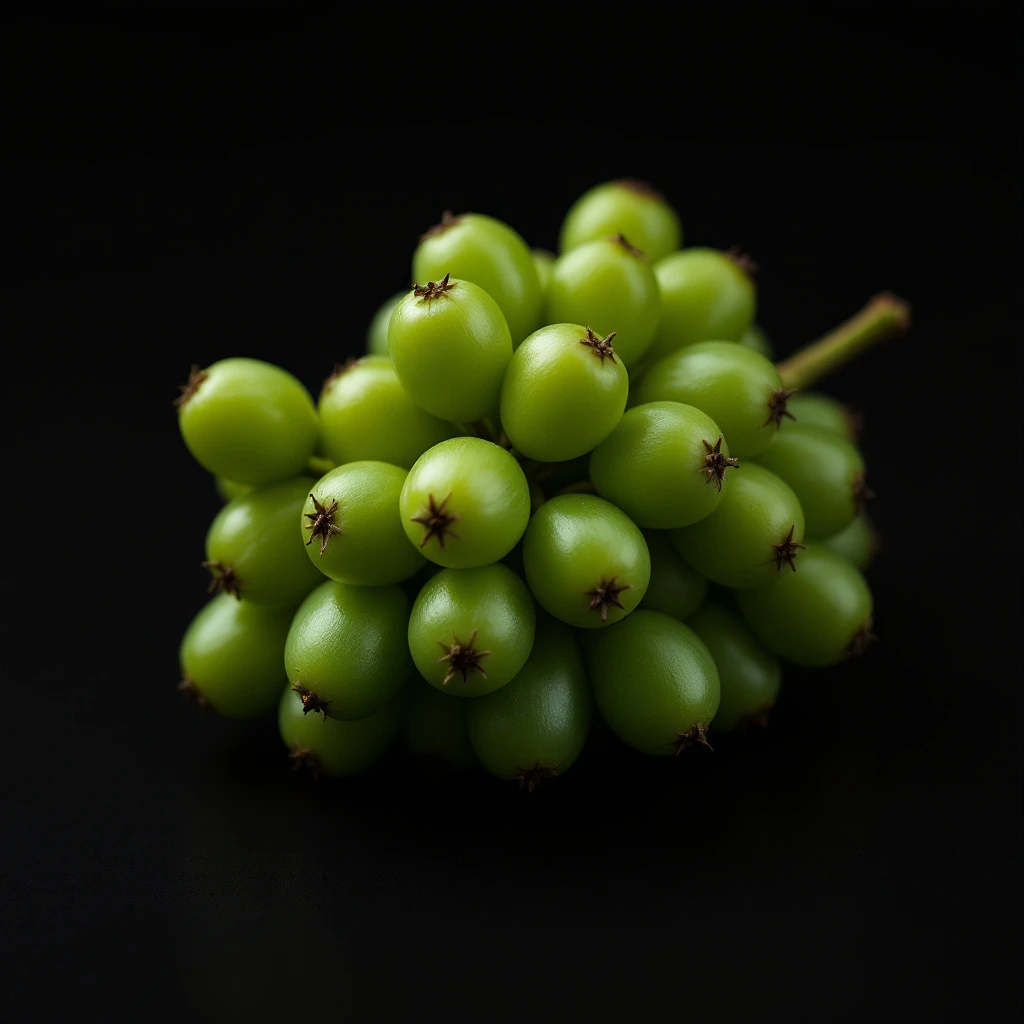
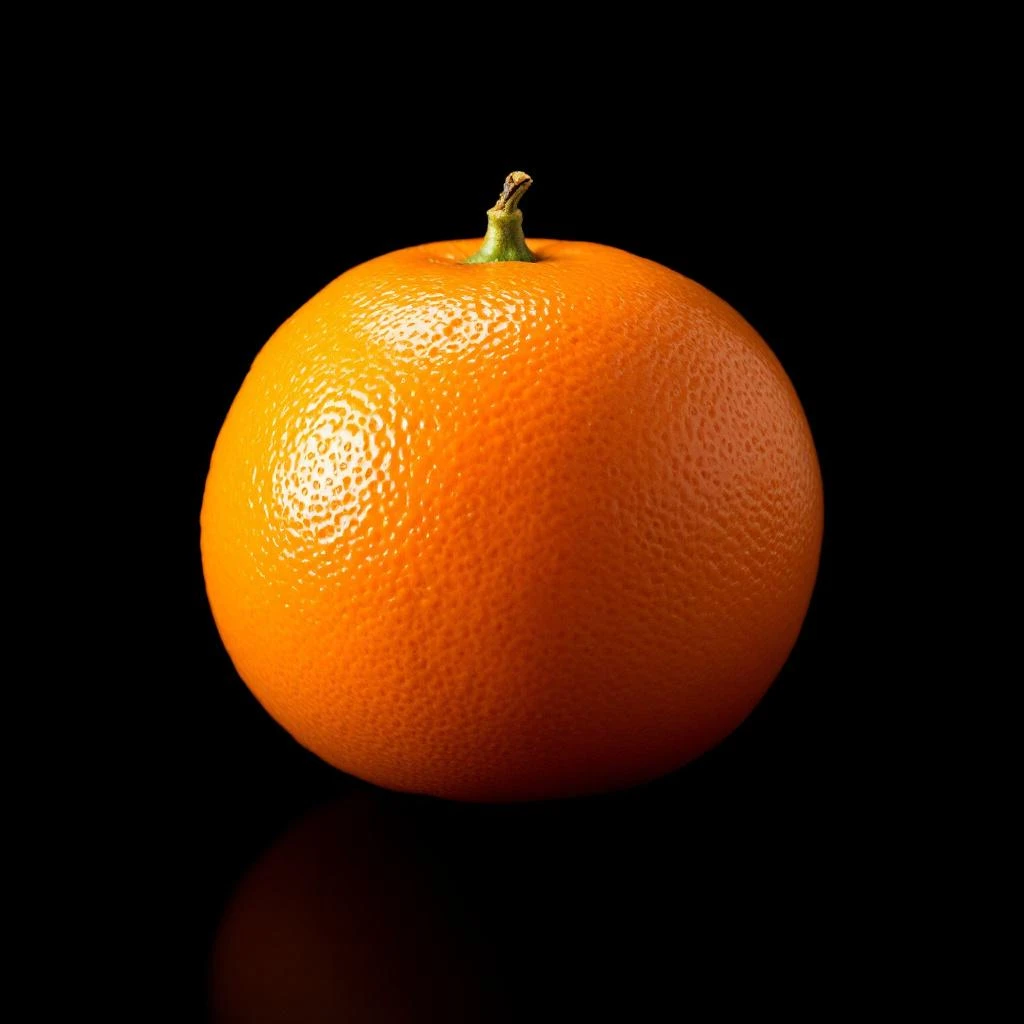
Quenepa, the tropical fruit known as Spanish lime, yields a rare perfumery material prized for its sweet-tart, honeyed-green aroma. The scent carries notes of ripe mango, citrus zest, and a subtle floral lift.
Character
How it smells
A Caribbean fruit hiding an unexpected perfumer's secret
Quenepa trees can produce up to 3,000 fruits per season, yet almost none enter perfumery, making genuine quenepa extracts among the rarest fruit-derived aroma materials.





Origin
Venezuela
Quenepa, or Melicoccus bijugatus, carries deep roots in indigenous Caribbean culture, where the Taíno people cultivated the tree for centuries before European contact. The fruit sustained communities across the northern coast of South America and the Caribbean Antilles, valued as a reliable seasonal food source during late summer months. Spanish colonists documented the fruit in the 16th century, noting its widespread presence from Venezuela through Puerto Rico.
The name quenepa persists in Puerto Rico and the Dominican Republic, while Venezuelans call it mamón and Colombians know it as mamoncillo. Despite its cultural importance, quenepa never crossed into European perfumery traditions the way citrus or tropical florals did. The fruit's aromatic potential remained largely unexplored until niche perfumers began experimenting with Caribbean botanical materials in the early 2000s.
Today, quenepa represents a frontier ingredient for artisan perfumers interested in authentically capturing the scent of the Caribbean, a region whose flora has historically been underrepresented in the global fragrance canon.
Wears it best
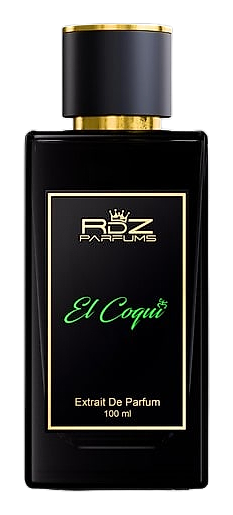
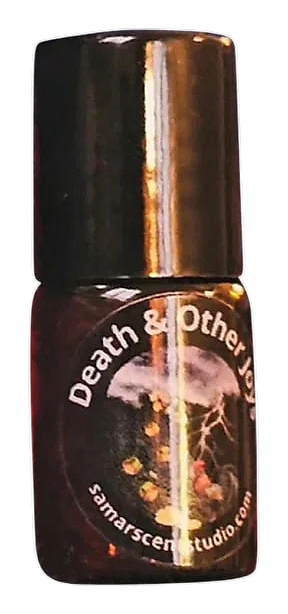
Fragrances featuring Quenepa
Brands
Brands known for Quenepa
Good to know
Questions, answered
The essentials on Quenepa in perfumery: how it smells, where it comes from, and how it behaves on skin.
What does quenepa smell like in perfumery?
Quenepa delivers a sweet-tart, tropical fruit aroma with notes of ripe mango, citrus zest, and subtle honey. It reads green and slightly floral, evoking fresh Caribbean fruit rather than a candy-like sweetness.
Is quenepa a common fragrance ingredient?
No, quenepa remains extremely rare in commercial perfumery. Most fragrances labeled with quenepa notes use reconstructed aroma chemicals, since genuine extract requires processing hundreds of kilograms of fresh pulp per kilogram of absolute.
Where does quenepa fruit grow?
Quenepa, Melicoccus bijugatus, originates from northern South America and the Caribbean. Venezuela, Colombia, the Dominican Republic, and Puerto Rico remain the primary growing regions, with harvest season peaking between June and September.
How is quenepa extract produced?
Producers use solvent extraction on ripe fruit pulp within hours of harvest. Steam distillation proves impractical because heat destroys the delicate fruity-floral top notes. The result is a rare amber absolute with low yield.
Are quenepa and Spanish lime the same fruit?
Yes, quenepa and Spanish lime both refer to Melicoccus bijugatus. Regional names include mamón in Venezuela, mamoncillo in Colombia, and genip in parts of the Caribbean.
Why is quenepa rarely used in mainstream perfumes?
The fruit's short post-harvest shelf life and exceptionally low extraction yield make genuine quenepa uneconomical for mass-market production. Additionally, synthetic reconstruction offers similar olfactory profiles at accessible cost.
What fragrance families feature quenepa notes?
Quenepa appears primarily in tropical, fruity, and gourmand compositions. Niche perfumers exploring Caribbean and Latin American botanical themes have driven its limited but growing presence in artisanal launches.
Does quenepa have a history in traditional perfumery?
Quenepa has no documented history in classical European perfumery traditions. Its aromatic use is recent, emerging among niche perfumers in the early 21st century who sought underrepresented Caribbean botanical materials.