Quandong Desert Peach
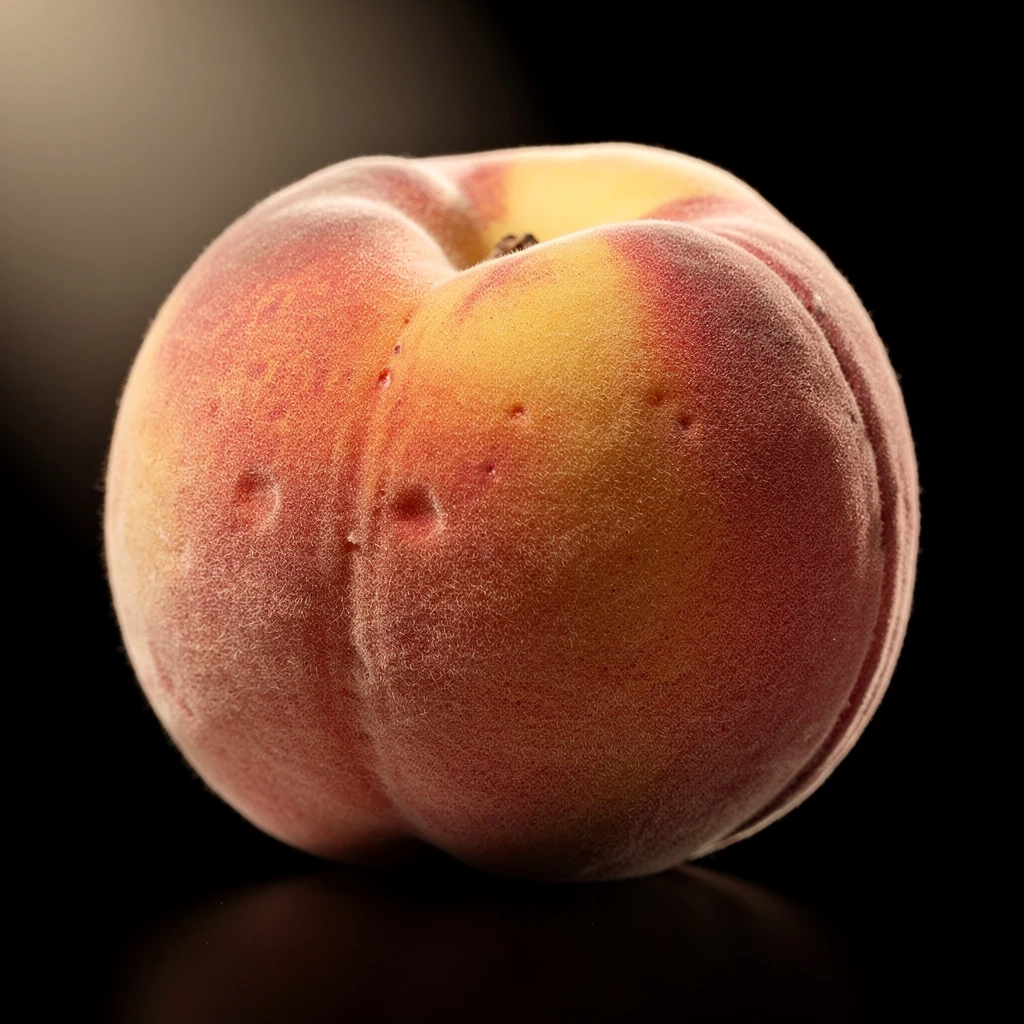
A native Australian fruit with a distinctive peach-apricot character. Quandong brings sun-drenched desert complexity to fragrance compositions, offering a fruity sweetness unlike any imported stone fruit.
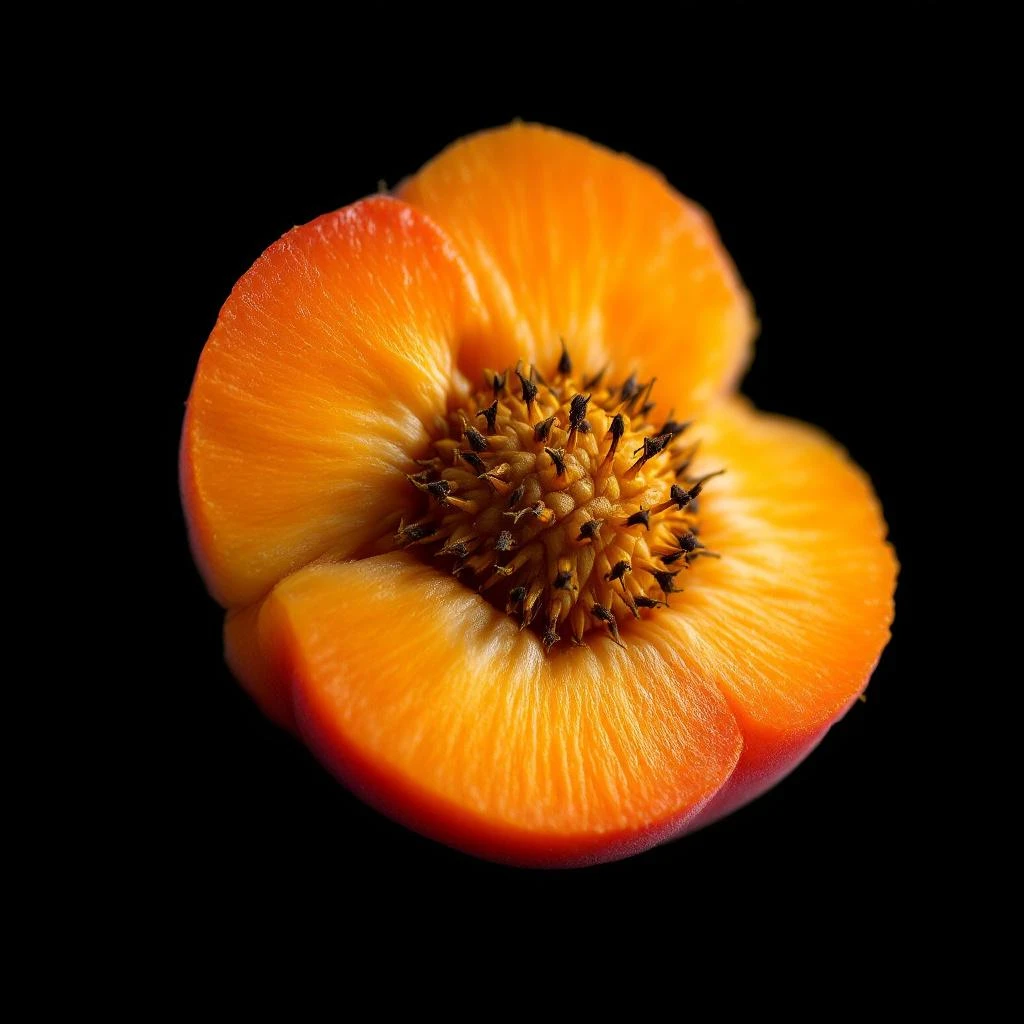
Character
How it smells
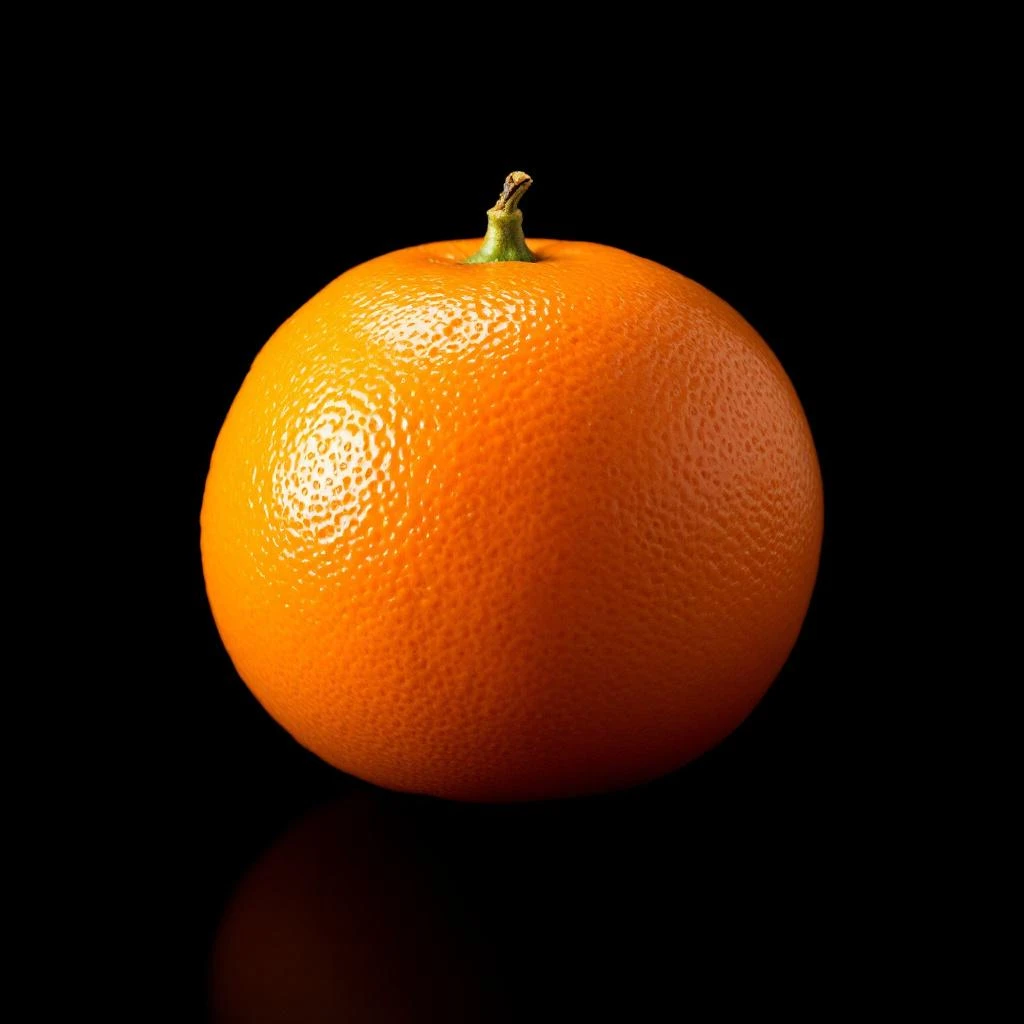
Sun-hardened fruit of the Australian outback.
Indigenous Australians have used quandong for thousands of years as both food and medicine, adapting its protective properties from the harsh desert climate.




Origin
Australia
Quandong, Santalum acuminatum, has been a staple food source for Indigenous Australian communities for millennia, particularly in the central and southern desert regions. The fruit was so valued that it features prominently in Aboriginal dreamtime stories and traditional medicine practices.
Unlike many native Australian plants, colonial settlers largely ignored quandong, preferring European stone fruits. The plant belongs to the Santalum family, making it a distant relative of sandalwood, though it grows as a hemiparasitic tree that taps into the root systems of surrounding vegetation.
Contemporary perfumers have only recently begun exploring this ingredient, drawn by its unique terroir-driven character and the compelling story of desert adaptation. The growing interest in native Australian botanicals reflects a broader movement in fine fragrance toward regional ingredients with authentic provenance.
Wears it best
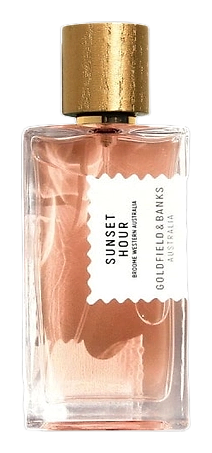
Fragrances featuring Quandong Desert Peach
Brands
Brands known for Quandong Desert Peach
Good to know
Questions, answered
The essentials on Quandong Desert Peach in perfumery: how it smells, where it comes from, and how it behaves on skin.
What does quandong smell like in perfumery?
Quandong brings a sun-drenched stone-fruit sweetness with peach and apricot nuances. The desert origin adds a subtle tannic quality missing from cultivated stone fruits. It reads as a brighter, more primal peach note with slight tartness.
Is quandong used as natural or synthetic in fragrances?
Quandong appears primarily as a natural extract in fine fragrances. Australian native ingredient suppliers now offer quandong extract specifically for perfumery use, though availability remains limited compared to mainstream materials.
What parts of the quandong plant are used in perfumery?
The fruit is the primary material for fragrance use. Extracts come from the flesh and peel, capturing the characteristic stone-fruit aroma. The plant's parasitic nature means fruit production requires specific host plants nearby.
Where does commercial quandong grow?
Quandong grows wild across arid and semi-arid regions of central and southern Australia. Commercial cultivation remains rare, with most supply coming from sustainable wild harvesting in South Australia, Victoria, and New South Wales.
How long have Indigenous Australians used quandong?
Indigenous communities have used quandong for food and medicine for thousands of years. Aboriginal people traditionally ate the fruit fresh, dried it for storage, and used it medicinally for skin conditions and digestive issues.
What fragrance families pair well with quandong?
Quandong works well in fruity compositions, particularly alongside citruses, florals like boronia and wattle, and native Australian ingredients such as lemon myrtle or wattleseed. It adds depth to amber and gourmand structures.
Is quandong harvesting sustainable?
Quandong grows on a hemiparasitic tree that requires specific environmental conditions, making cultivation challenging. Ethical suppliers work with Indigenous communities on wild harvesting practices to protect natural populations.
What makes quandong unique among stone-fruit ingredients?
Unlike imported peaches or apricots, quandong develops its flavor profile while surviving extreme desert conditions. This stress response creates a more complex aromatic signature with higher antioxidant content than cultivated stone fruits.