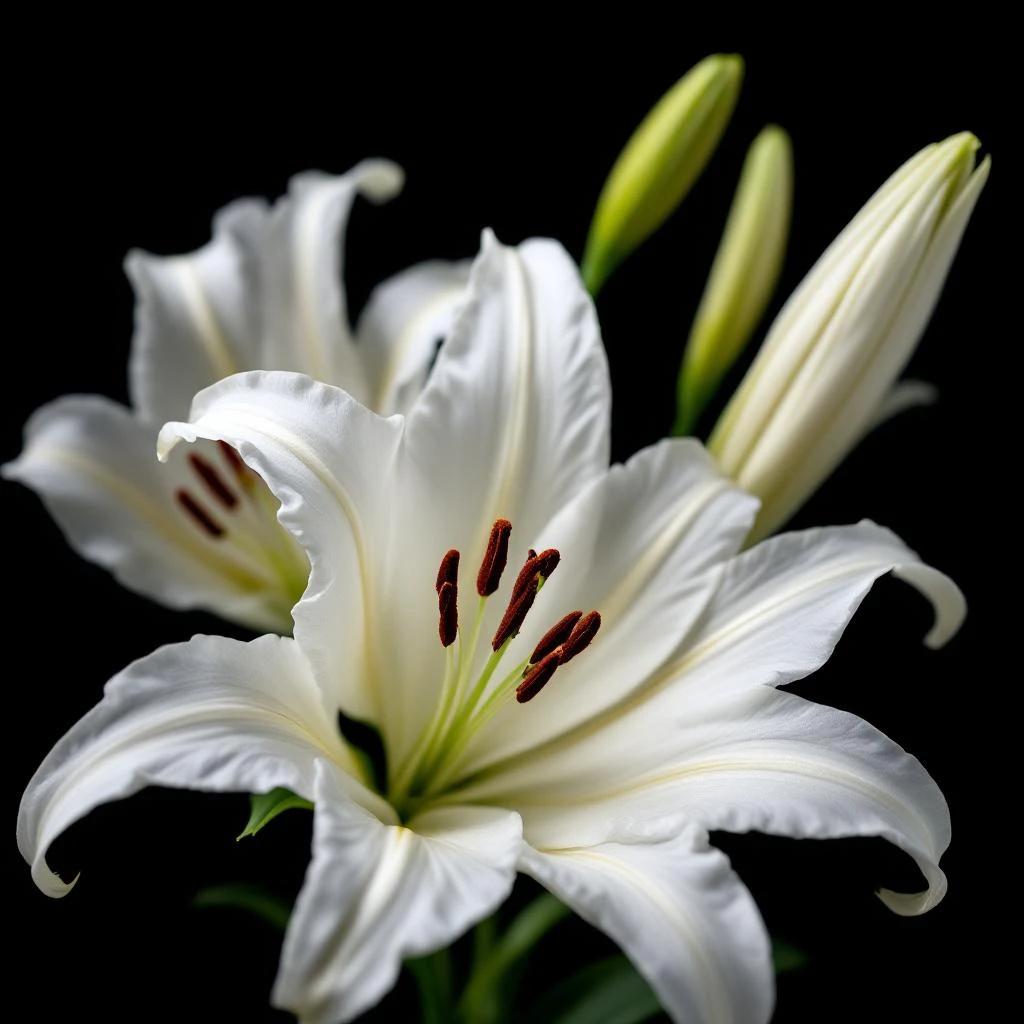
Purple Hyacinth
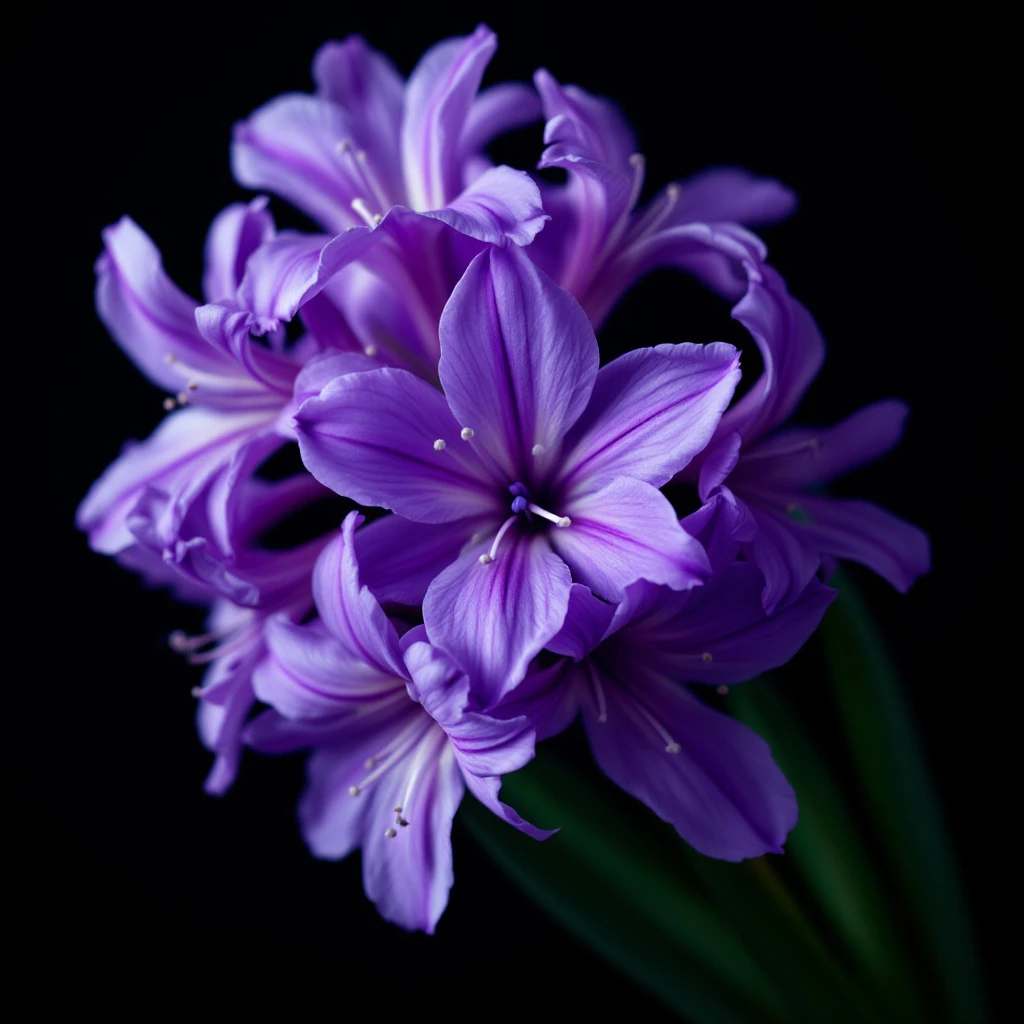
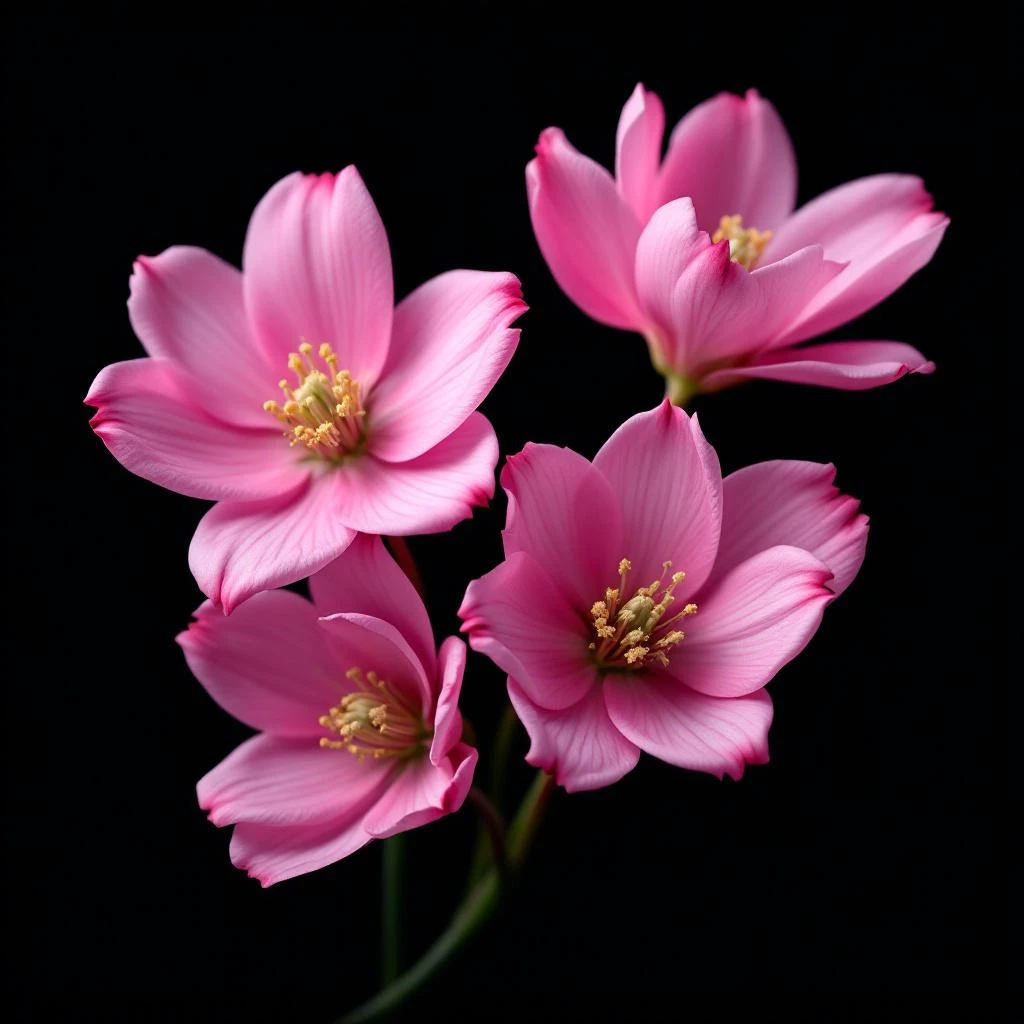
Purple hyacinth delivers an intensely green, Narcisse-like floralcy that captures the electric freshness of spring gardens in concentrated form. This precious material transforms perfumes with its bold, living-leaf character, a scent that feels like crushing stems between your fingers.
Character
How it smells
Electric spring green captured in a blossom.
It takes approximately 1,000 kilograms of fresh hyacinth blooms to produce just one kilogram of absolute.




Origin
Turkey
Hyacinthus orientalis traces its roots to the dry hillsides of Asia Minor, where wild populations once carpeted rocky terrain with their intensely fragrant spring blooms. Turkish and Persian civilizations valued the flower for both its beauty and scent centuries before it reached European gardens. Dutch horticulturists transformed hyacinth cultivation into an art form during the 17th and 18th centuries, developing hundreds of cultivars including prized purple varieties.
The flower's entry into European perfumery came during the 19th century as solvent extraction techniques advanced, finally allowing perfumers to capture what cultivators had long admired in gardens across France and the Netherlands. Purple hyacinth cultivars, developed through careful breeding, produce the same aromatic profile as their white and blue relatives, offering perfumers the full spectrum of hyacinth's green-floral character.
Wears it best
Fragrances featuring Purple Hyacinth
Brands
Brands known for Purple Hyacinth
Good to know
Questions, answered
The essentials on Purple Hyacinth in perfumery: how it smells, where it comes from, and how it behaves on skin.
What does purple hyacinth smell like in perfume?
Purple hyacinth delivers an intensely green, leafy floral scent reminiscent of crushed Narcissus stems. It carries water-green notes, a slightly sweet floral heart, and a fresh, almost crisp quality that evokes the feeling of spring gardens.
Is purple hyacinth used as a natural or synthetic ingredient?
Both forms exist. Natural hyacinth absolute comes from solvent extraction and costs significantly more than most natural materials. Synthetic alternatives replicate key aromatic compounds and see broader use in mainstream perfumery.
How much flower material does hyacinth absolute require?
Production demands are extreme. Manufacturers need roughly 1,000 kilograms of freshly harvested blooms to yield a single kilogram of absolute, making natural hyacinth one of the most flower-intensive materials in perfumery.
When did hyacinth become a perfumery ingredient?
European perfumers began working with hyacinth during the 19th century as extraction technology advanced. The flower had grown in European gardens since the 15th century but only became commercially viable for fragrance after solvent extraction methods improved.
What extraction method produces hyacinth absolute?
Fresh hyacinth flowers undergo solvent extraction to produce a concrete, which is then washed with alcohol and filtered to yield the absolute. Speed is critical since the aromatic compounds begin degrading within hours of harvest.
Where does hyacinth originate geographically?
Hyacinthus orientalis, the single species recognized by modern botanists, originated in the wild hillsides of Asia Minor, in the region now comprising Turkey and surrounding areas.
What part of the hyacinth plant is used for fragrance?
Perfumers use only the fresh flowers. The blooms contain the volatile aromatic compounds that capture hyacinth's distinctive green-floral character. Stems and foliage are not utilized.
Are purple hyacinths chemically different from other colors?
No. All Hyacinthus orientalis cultivars, regardless of petal color, produce essentially the same aromatic profile. The purple designation typically refers to flower color rather than any distinct chemical composition.