Portuguese Chestnut
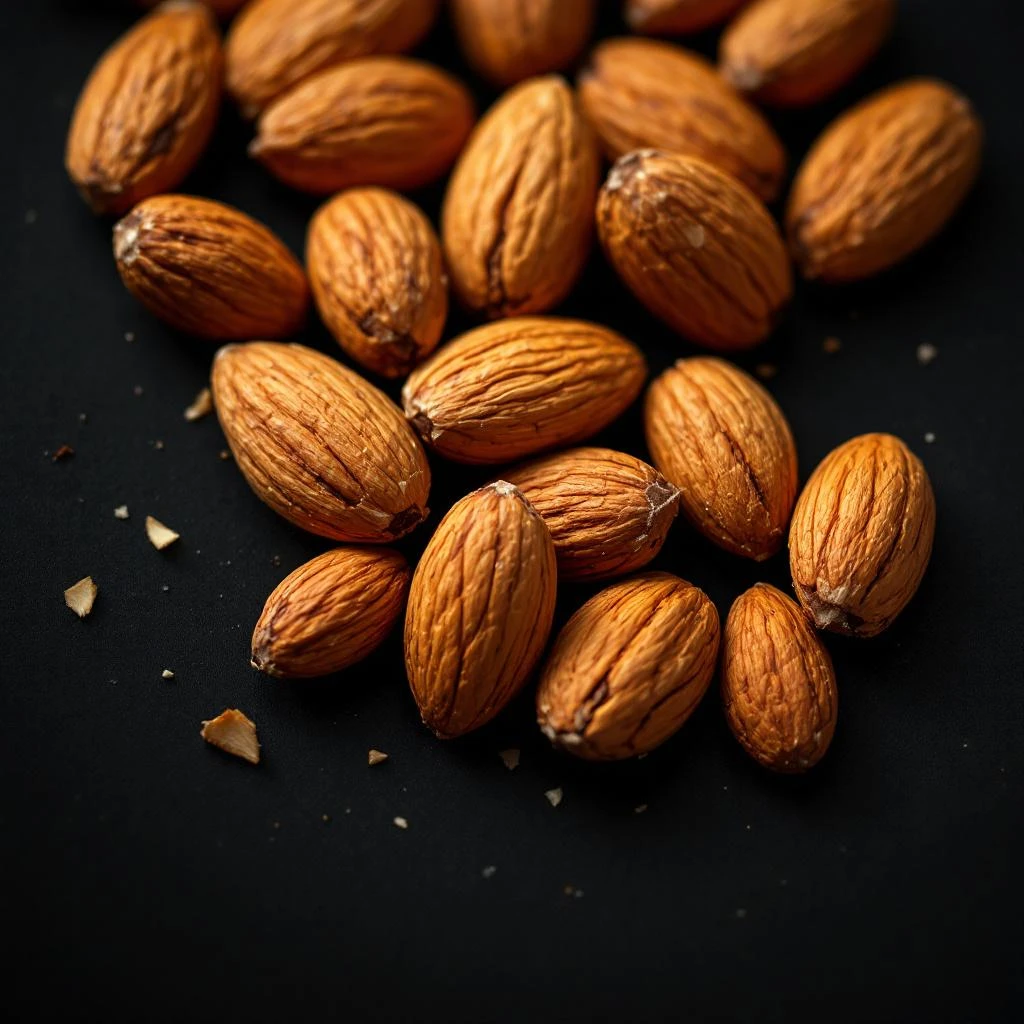
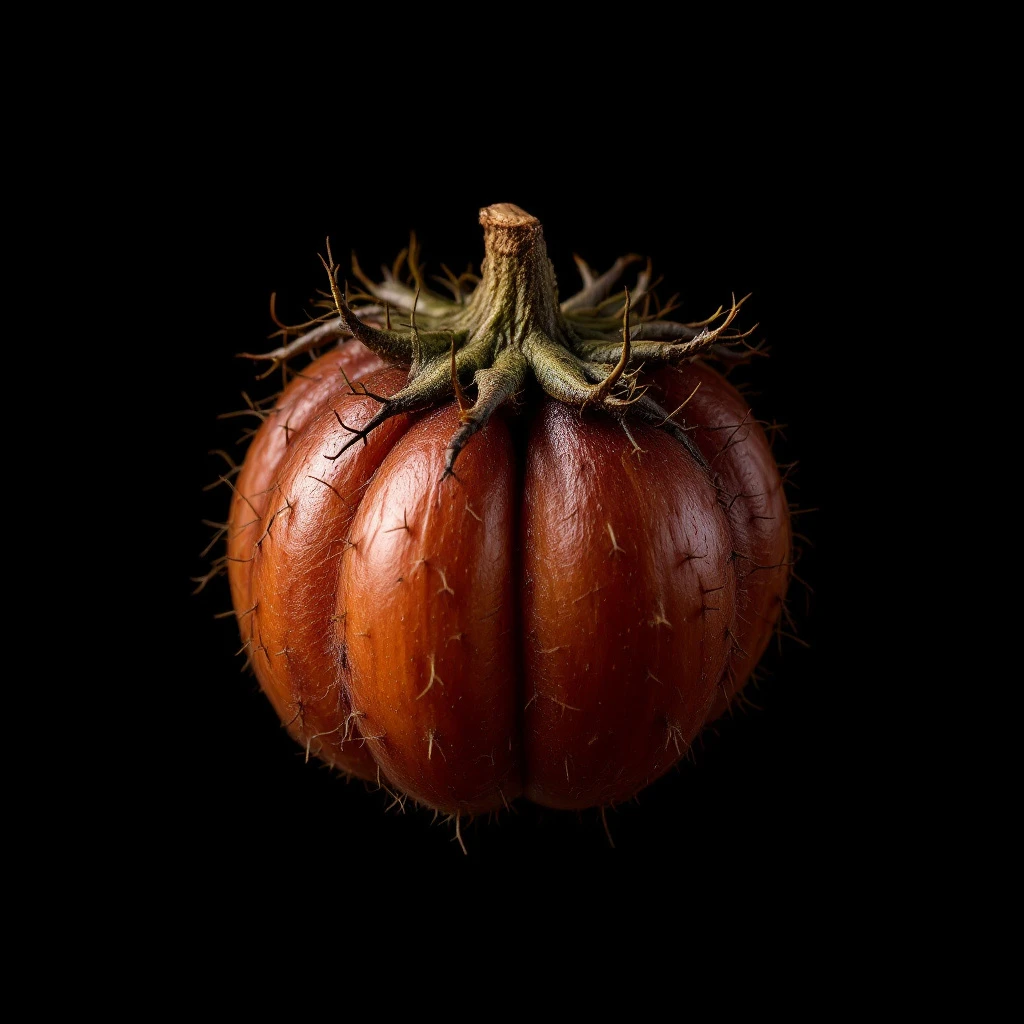
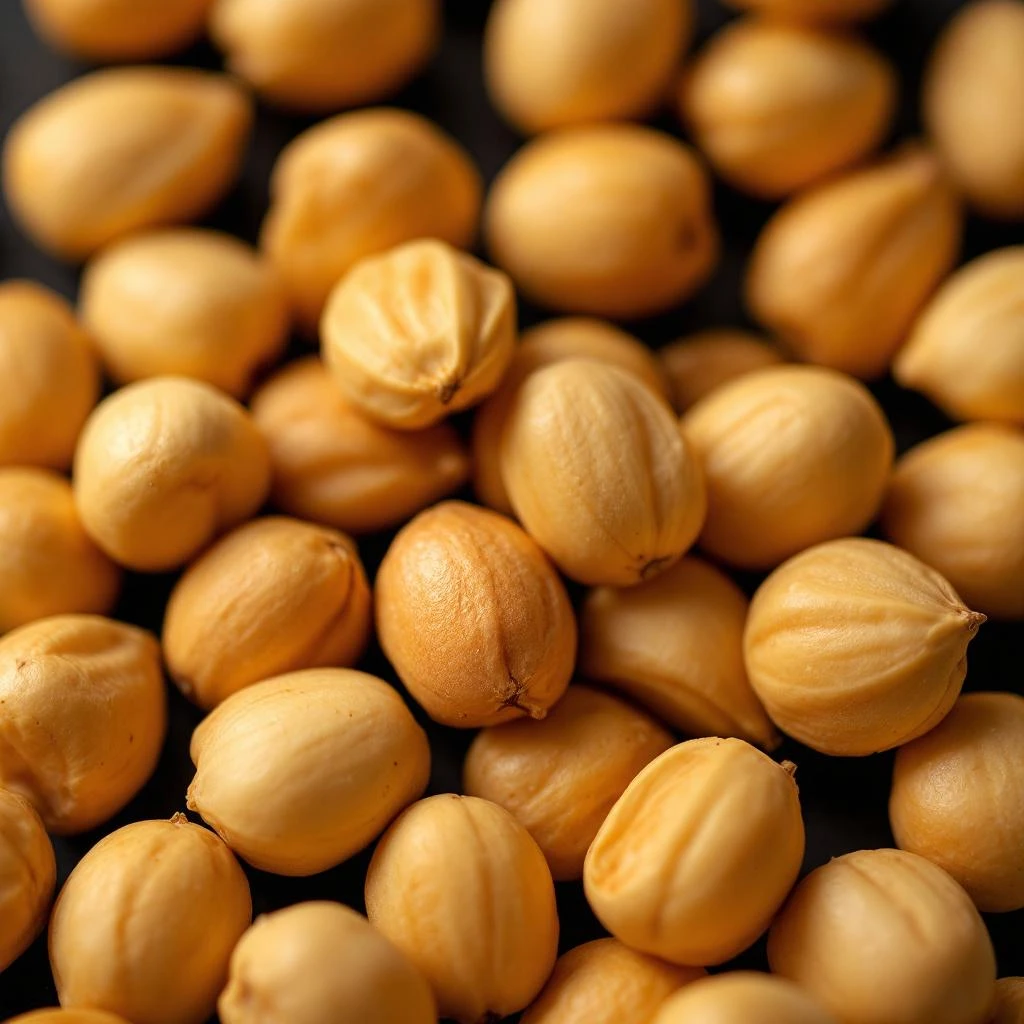
The toasted heart of the Castanea sativa nut, Portuguese Chestnut brings roasted warmth and buttery depth to gourmand and woody fragrances alike.
Character
How it smells
Smoky, buttery, and distinctly autumnal.
Chestnut absolute yields are so minimal that obtaining one kilogram requires processing over a ton of roasted nuts.





Origin
Portugal
The sweet chestnut has shaped Mediterranean landscapes and cultures for over two millennia. The Romans introduced cultivated Castanea sativa across their empire, though wild chestnut populations existed in Southern Europe long before. Portugal's northern provinces, particularly Trás-os-Montes and Beira Alta, became synonymous with chestnut production, with specific villages developing distinctive varieties prized for their size and sweetness.
Annual festivals celebrating the chestnut harvest persist in these regions, underscoring the fruit's cultural weight. Chestnut entered perfumery differently than most ingredients. Rather than arriving through traditional perfumers or trade routes, it entered the fragrance vocabulary through cultural memory and sensory association.
The smell of roasting chestnuts evokes autumn markets, winter festivals, and warm kitchens across Southern Europe. Modern perfumery adopted the note to capture these associative qualities, using it to create fragrances that feel familiar, comforting, and rooted in seasonal tradition. Today, Portuguese chestnut varieties remain highly regarded, though the ingredient itself appears more often as a synthetic recreation than a natural extract.
Wears it best
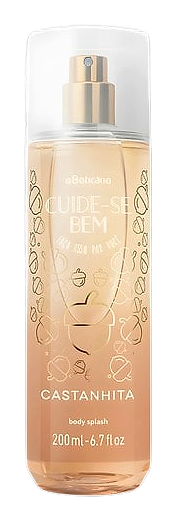
Fragrances featuring Portuguese Chestnut
Brands
Brands known for Portuguese Chestnut
Good to know
Questions, answered
The essentials on Portuguese Chestnut in perfumery: how it smells, where it comes from, and how it behaves on skin.
What does Portuguese Chestnut smell like?
Portuguese Chestnut has a warm, buttery aroma with roasted and slightly smoky undertones. The scent evokes autumn markets and wood-fired ovens.
Is Portuguese Chestnut natural or synthetic in perfumery?
Both exist. Natural chestnut absolute comes from roasted Castanea sativa nuts, but yields are extremely low. Most fragrances use nature-identical synthetics to replicate the note.
What type of fragrance ingredient is chestnut?
Chestnut functions as a gourmand base note. It adds warmth, sweetness, and an edible quality that suits autumn and winter fragrance compositions.
What notes pair well with Portuguese Chestnut?
Vanilla, sandalwood, and benzoin amplify its gourmand warmth, while vetiver, cedar, and patchouli ground it in woody territory.
Is Portuguese Chestnut a common ingredient?
No. Low natural yields make it rare and expensive. Most perfumers rely on synthetic recreations of the roasted chestnut accord.
How is chestnut absolute produced?
Producers extract it from roasted chestnut kernels using solvent extraction or supercritical CO₂ extraction. Roasting the nuts first develops the signature warm aroma through Maillard reactions.
What kinds of perfumes use Portuguese Chestnut?
It appears primarily in autumn and winter fragrances as a heart or base note. The ingredient suits gourmand, woody, and chypre compositions seeking warm, nostalgic character.
What does Portuguese Chestnut contribute to a fragrance?
It adds comfort, warmth, and an edible quality that many wearers find familiar and reassuring. The note bridges gourmand and woody fragrance families effectively.