Pomegranate Cider
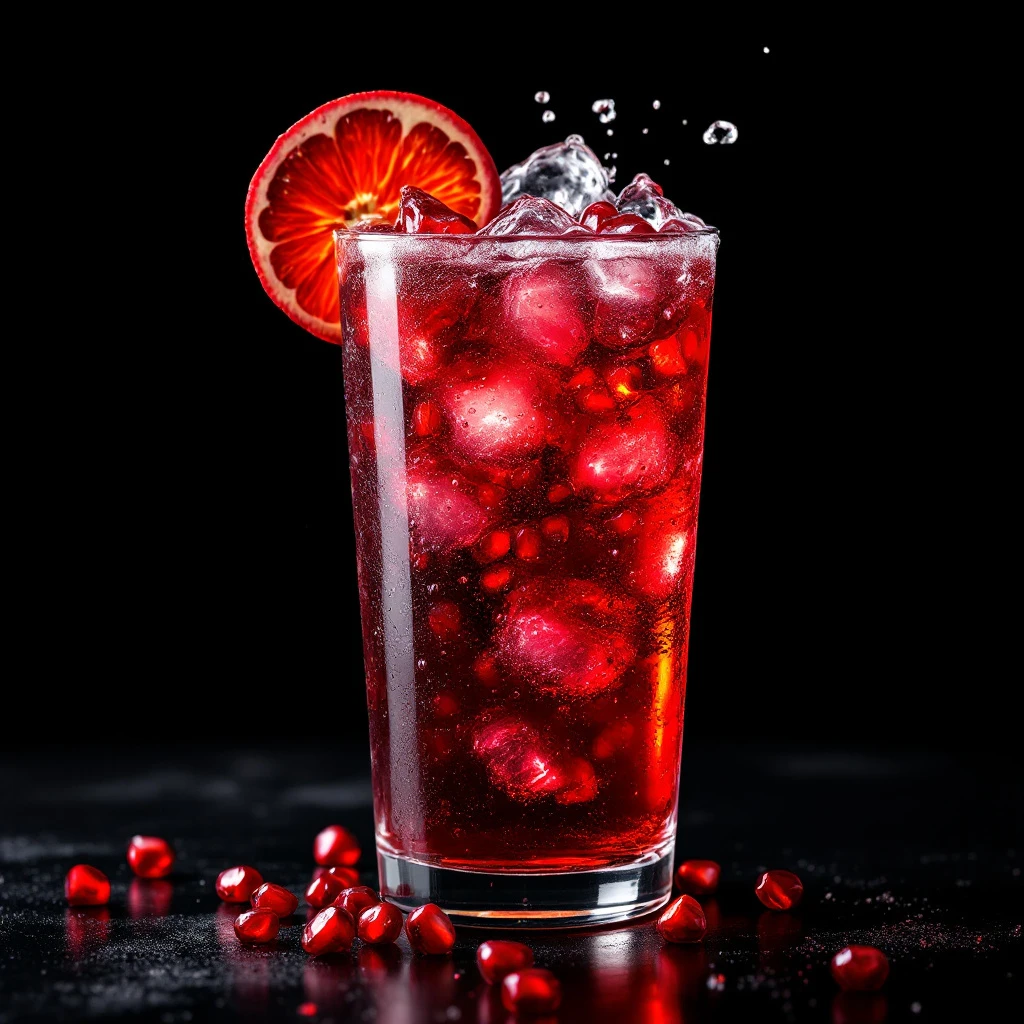
Pomegranate cider captures the snap of cold-pressed fruit and the warm ferment of orchard-pressed apple. It sits in the tart-fruity family with a vinous undertone.
Character
How it smells
Tart snap meets orchard warmth
Pomegranates contain over 600 cultivated varieties, each yielding distinct acidity levels that perfumers exploit to mimic natural cider fermentation.

Origin
Iran
Pomegranates have perfumed sacred spaces for at least 4,000 years. Ancient Egyptian and Mesopotamian records describe the fruit being crushed into oils and unguents used in temple rituals and burial rites. The Persians carried pomegranate cultivation across the Mediterranean, and by the classical period it symbolized abundance in Greek and Roman fragrance traditions.
Cider, by contrast, is a relative newcomer to perfumery. Hard cider fermented in the Celtic and Iberian traditions produced apple-derived aromas that early perfumers occasionally captured through rudimentary distillation. The deliberate fusion of pomegranate and cider as a single accord is a 21st century construction, born from gourmand perfumery's appetite for edible, atmospheric notes.
Modern perfumers treat the combination as a seasonal cue: autumnal, festive, faintly rustic. It first gained traction in niche fragrance houses around 2015, when interest in fermented and beverage-inspired scents surged. Today the accord appears in everything from unisex eaux de parfum to candle lines aiming for kitchen-table warmth.
Wears it best
Fragrances featuring Pomegranate Cider
Brands
Brands known for Pomegranate Cider
Good to know
Questions, answered
The essentials on Pomegranate Cider in perfumery: how it smells, where it comes from, and how it behaves on skin.
What does pomegranate cider actually smell like in a fragrance?
It smells tart and vinous, with the snap of fresh pomegranate juice layered over warm, slightly funky fermented apple. The accord often carries a faint tannic dryness that softens sweet gourmand bases. It reads as edible and seasonal without smelling like a literal beverage.
Is pomegranate cider a natural or synthetic note?
Most versions are partially synthetic. True pomegranate and cider extracts oxidize rapidly and lose aromatic fidelity within weeks. Perfumers reconstruct the scent using isolated aroma molecules like ethyl 2-methylbutyrate for fruit sweetness and diacetyl for fermented richness.
Which fragrance families use pomegranate cider most often?
It belongs primarily to the gourmand and fruity families, frequently anchoring oriental and seasonal compositions. Niche houses especially favor it in autumn and winter launches where warm, edible notes carry the formula.
When did pomegranate cider become a common perfumery accord?
The accord emerged in niche perfumery around 2015, coinciding with a broader interest in fermented and beverage-inspired scents. Before then, pomegranate and apple cider notes appeared separately, rarely combined into a single thematic accord.
Does pomegranate cider contain real pomegranate extract?
Some formulations include cold-pressed pomegranate seed oil for its polyphenol content and slight astringency, though it contributes more texture than aroma. The recognizable pomegranate smell usually comes from synthetic aroma molecules designed to mimic fresh fruit.
Is pomegranate cider suitable for sensitive skin?
Concentration matters more than the ingredient itself. Cider-style accords often rely on ester compounds, which tend to be low-irritation, but always patch-test finished fragrances first since full formulas include solvents and fixatives that may trigger reactions.
Why pair pomegranate with cider rather than other fruits?
Both share a sharp malic-tannic profile that creates contrast against sweet gourmands. Pomegranate adds depth and a wine-like edge while cider contributes buttery fermented warmth, producing a layered accord neither fruit achieves alone.
Can pomegranate cider notes last more than a few hours?
The top note fades within two to three hours as esters evaporate, but base notes like pomegranate tannins and apple-derived lactones extend the accord through the drydown. Longevity depends heavily on the formula's base and fixative concentration.