Polywood
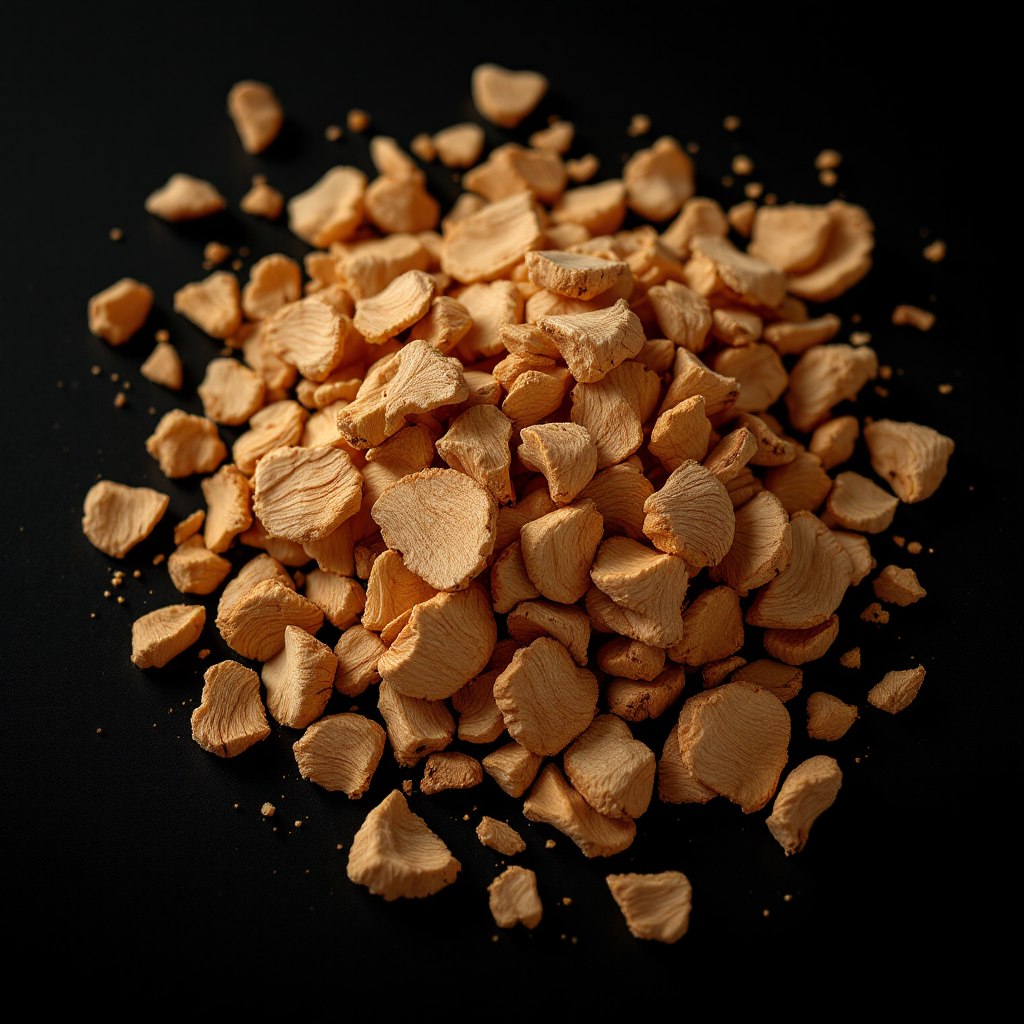
Polywood is a synthetic aromatic molecule prized in fine perfumery for its warm, woody-amber character. It functions as a powerful fixative and base note, lending compositions a creamy, enveloping quality that extends longevity on skin.

Character
How it smells
Synthetic woody-amber fixative with remarkable longevity
A single molecule synthesized in the 20th century can replace the aromatic profile of entire wood essential oils in a fragrance formula.






Origin
Switzerland
The emergence of synthetic aromatic molecules in the late 19th and early 20th centuries marked a turning point in perfumery. With the rise of organic chemistry, perfumers gained access to single molecules that could replicate or entirely reinvent natural scent profiles. Polywood represents one such innovation, developed to provide the rich, warm character of wood notes without relying on natural sources.
The rise of synthetic ingredients also addressed sustainability concerns around overharvested timber species and made woody fragrance notes more accessible. Today, Polywood appears in numerous fine fragrances as a reliable base-note component, appreciated by perfumers for its versatility and staying power in compositions ranging from orientals to modern woody florals.
Wears it best
Fragrances featuring Polywood
Brands
Brands known for Polywood
Good to know
Questions, answered
The essentials on Polywood in perfumery: how it smells, where it comes from, and how it behaves on skin.
What does Polywood smell like?
Polywood has a warm, woody-amber scent reminiscent of creamy sandalwood with subtle resinous depth. It adds roundness and body to fragrance bases rather than standing alone as a primary note.
Is Polywood a natural ingredient?
No, Polywood is a synthetic aromatic molecule created through controlled organic synthesis in a laboratory. It mimics woody scent profiles found in natural woods.
What fragrances use Polywood?
Polywood appears in numerous woody and oriental fragrance bases across men's and women's lines. Specific formulations are proprietary, but it commonly supports ambery and sandalwood character in mid to dry-down phases.
How does Polywood function in a fragrance formula?
Polywood acts primarily as a fixative and base-note enhancer. It slows fragrance evaporation, adds depth to woody and amber accords, and contributes a creamy, lasting dry-down to compositions.
Is Polywood safe for skin application?
When used at recommended concentrations set by the International Fragrance Association, Polywood is considered safe for cosmetic and fine fragrance applications. Regulatory bodies worldwide approve its use within defined limits.
When was Polywood introduced to perfumery?
Polywood emerged as part of the broader expansion of synthetic aromatic chemistry in the 20th century, with widespread adoption accelerating during the latter half of the 1900s as fragrance houses embraced lab-created woody molecules.
Can Polywood replace natural wood oils?
Polywood does not fully replicate natural wood oils but enhances and stabilizes woody accords. Perfumers typically combine it with natural isolates like sandalwood or cedarwood to achieve complex, long-lasting wood characters.
Why do perfumers choose synthetic woody molecules like Polywood?
Synthetic woody molecules offer consistency, sustainability, and potency that natural woods cannot always guarantee. They reduce dependence on slow-growing timber species while providing reliable olfactory performance across batches.