Polygonum
Polygonum, a diverse botanical genus once valued in perfumery for its peppery, slightly astringent character, offers earthy green accords that ground brighter notes in compositions. This ingredient exemplifies how unconventional botanicals expand the perfumer's palette.
Character
How it smells
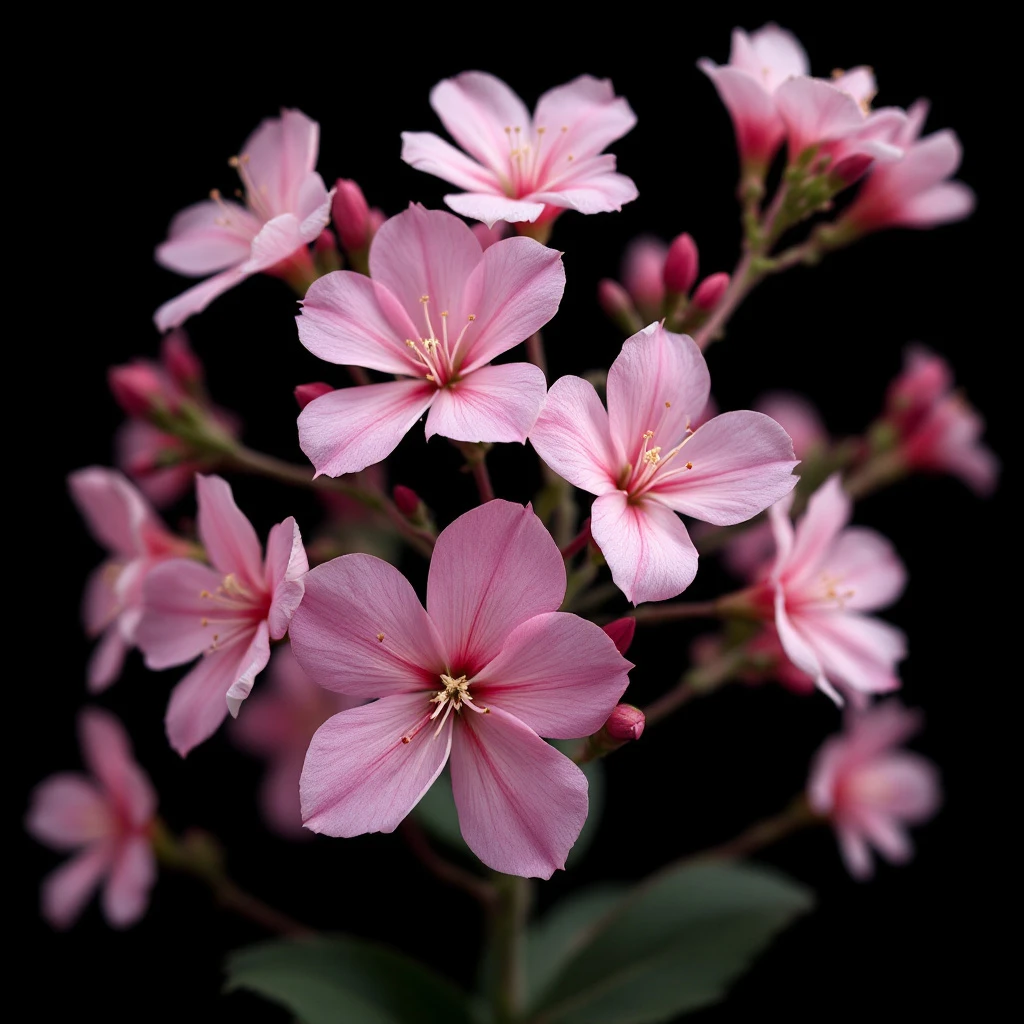
An unconventional botanical with green, peppery warmth.
The genus Polygonum contains over 300 species, including one used in traditional Kyrgyz medicine for its aromatic properties.





Origin
Central Asia
Polygonum species have served human cultures across Asia and Europe for millennia. Ancient Greek physicians documented its use in medicinal preparations, while traditional Chinese medicine employed certain species for their warming properties. The genus name derives from the Greek words for 'much' and 'knee,' describing the jointed stems characteristic of many species.
Traditional communities across Central Asia used Polygonum bistorta in ceremonial preparations, believing it carried protective qualities. However, perfumers adopted it only in the 19th century, when naturists began experimenting with unconventional botanical sources to differentiate their compositions from mainstream offerings.
Wears it best
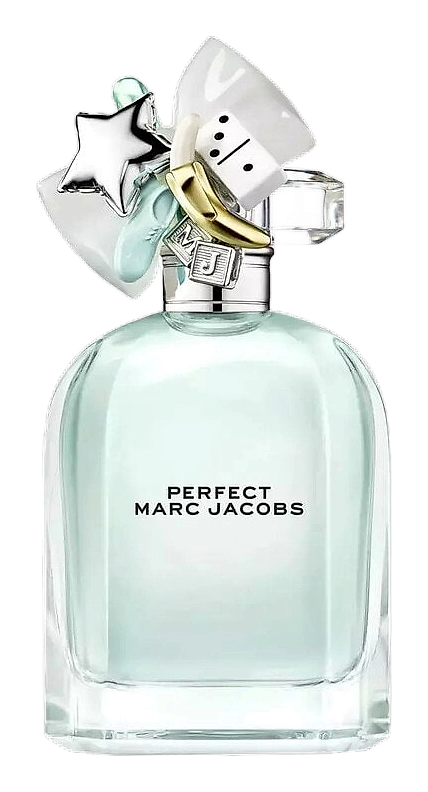
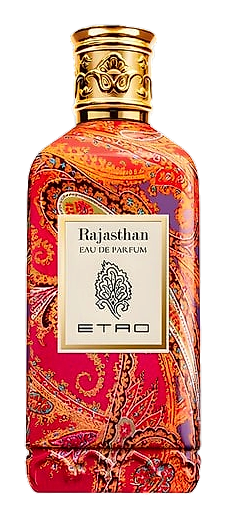
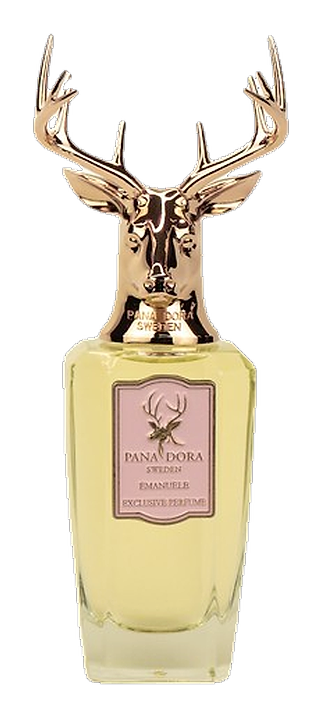
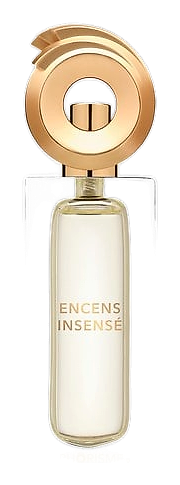
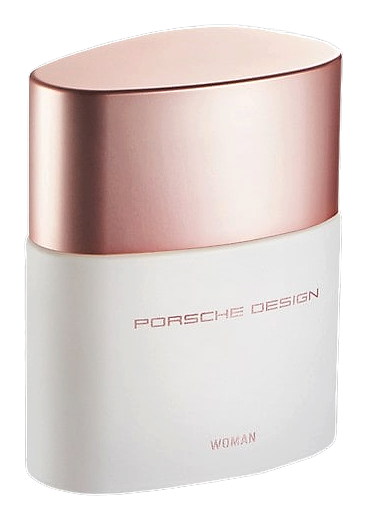
Fragrances featuring Polygonum
Brands
Brands known for Polygonum
Good to know
Questions, answered
The essentials on Polygonum in perfumery: how it smells, where it comes from, and how it behaves on skin.
What does Polygonum smell like?
Polygonum produces a green, slightly peppery aroma with earthy undertones. The scent recalls fresh-cut herbs with a mild astringent quality that works well in grounding lighter fragrance notes.
Is Polygonum a natural or synthetic ingredient?
Polygonum is a natural botanical ingredient. Perfumers obtain it through steam distillation of the plant's aerial parts, though production remains rare and small-scale.
Which Polygonum species are used in perfumery?
Polygonum bistorta and closely related Persicaria species see occasional use in naturist perfumery. The genus contains over 300 species, but only select ones yield aromatic compounds suitable for fragrance production.
What fragrances feature Polygonum?
Polygonum appears primarily in artisanal and naturist fragrances from independent houses, particularly those emphasizing green, herbal, or botanical compositions. Conventional designer fragrances rarely list it.
Is Polygonum safe in fragrances?
Polygonum ingredients in perfumery undergo standard IFRA safety assessments. Natural does not automatically mean safe, and responsible producers include it at dilutions considered safe for cosmetic use.
How does Polygonum compare to other green ingredients?
Polygonum offers a more peppery, less floral green character compared to galbanum or cut grass. Its astringent quality adds depth that softer green notes cannot achieve.
Why is Polygonum so rare in modern perfumery?
Polygonum remains uncommon because extraction yields are relatively low, demand is limited to niche markets, and most perfumers lack established supply chains for this unconventional botanical ingredient.