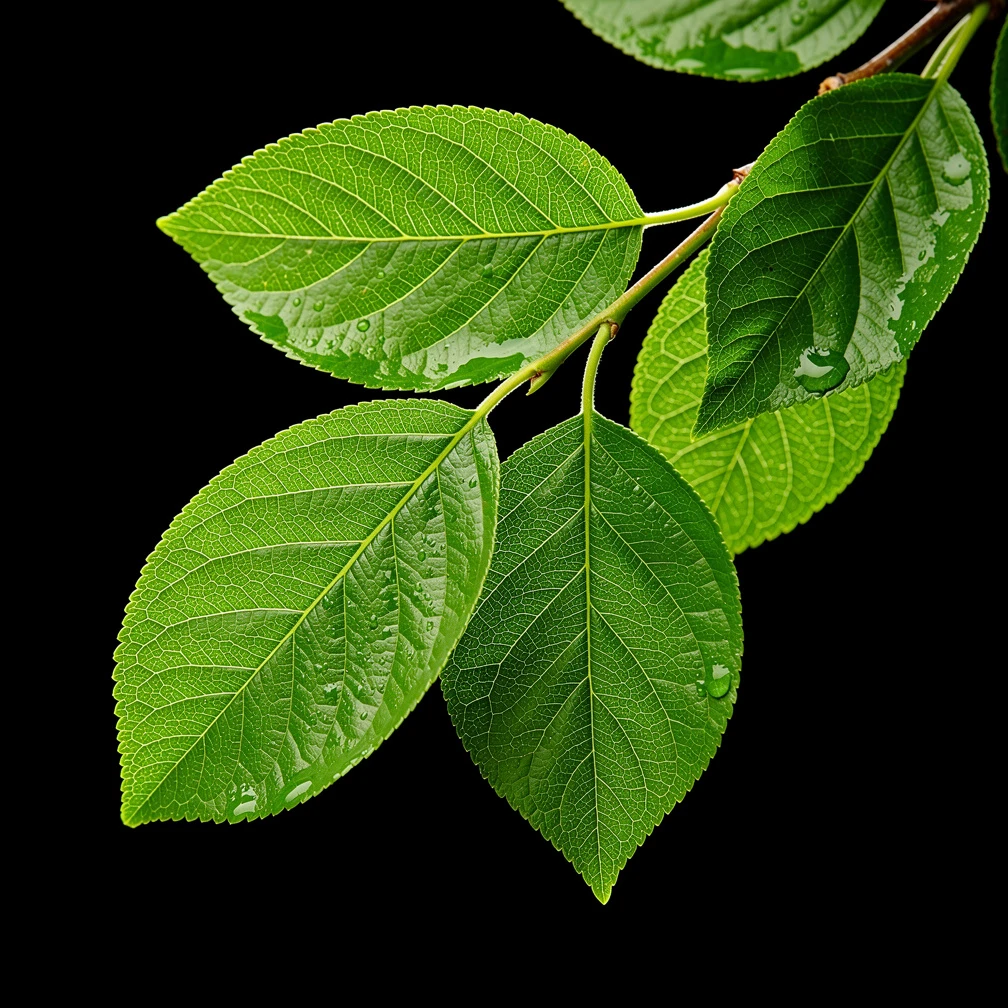
Plum leaf
Plum leaf absolute brings a distinctive bitter-green character to perfume compositions, delivering crisp vegetable-like freshness and subtle fruity undertones that add complexity to heart notes. This botanical ingredient creates an unexpected organic depth, bridging green and fruity fragrance families with nuanced botanical elegance.
Character
How it smells
Bitter greens and crisp vegetable notes from plum leaves create unexpected freshness in perfume.
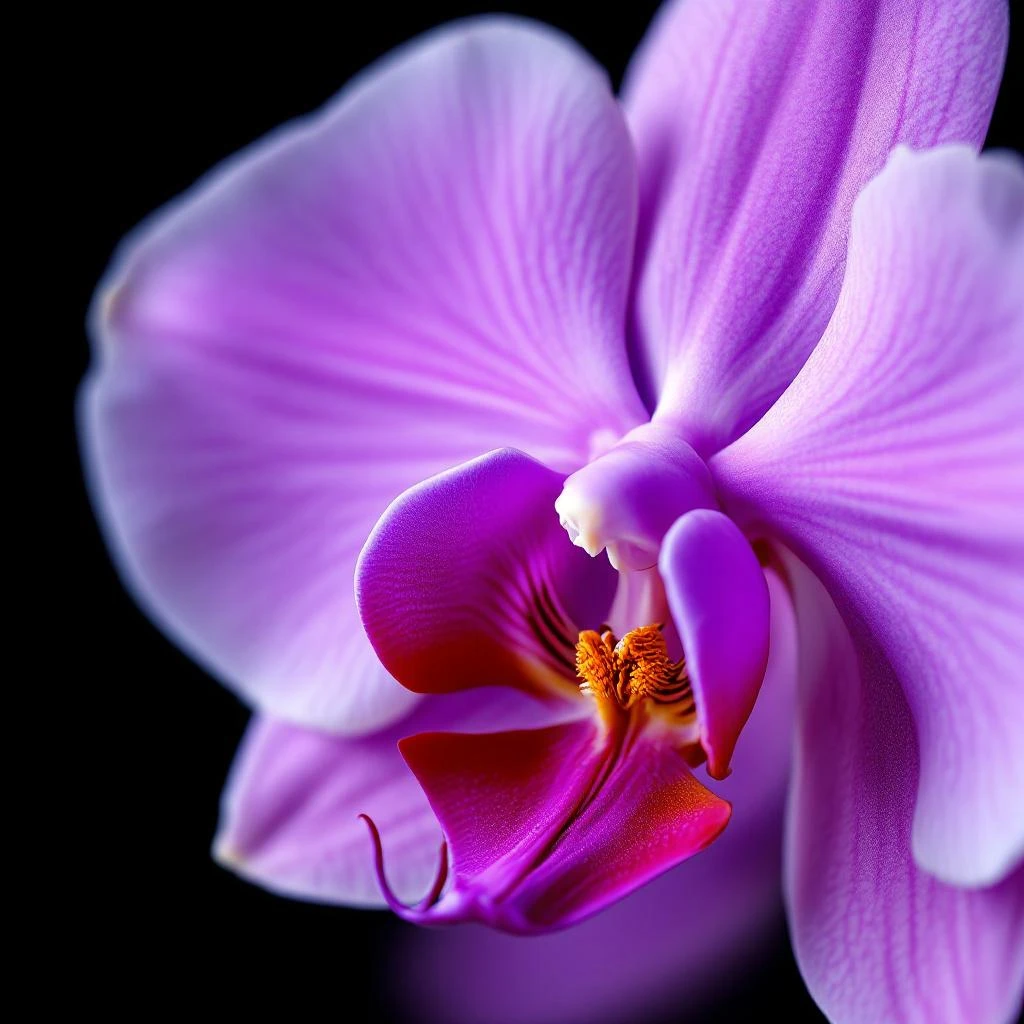
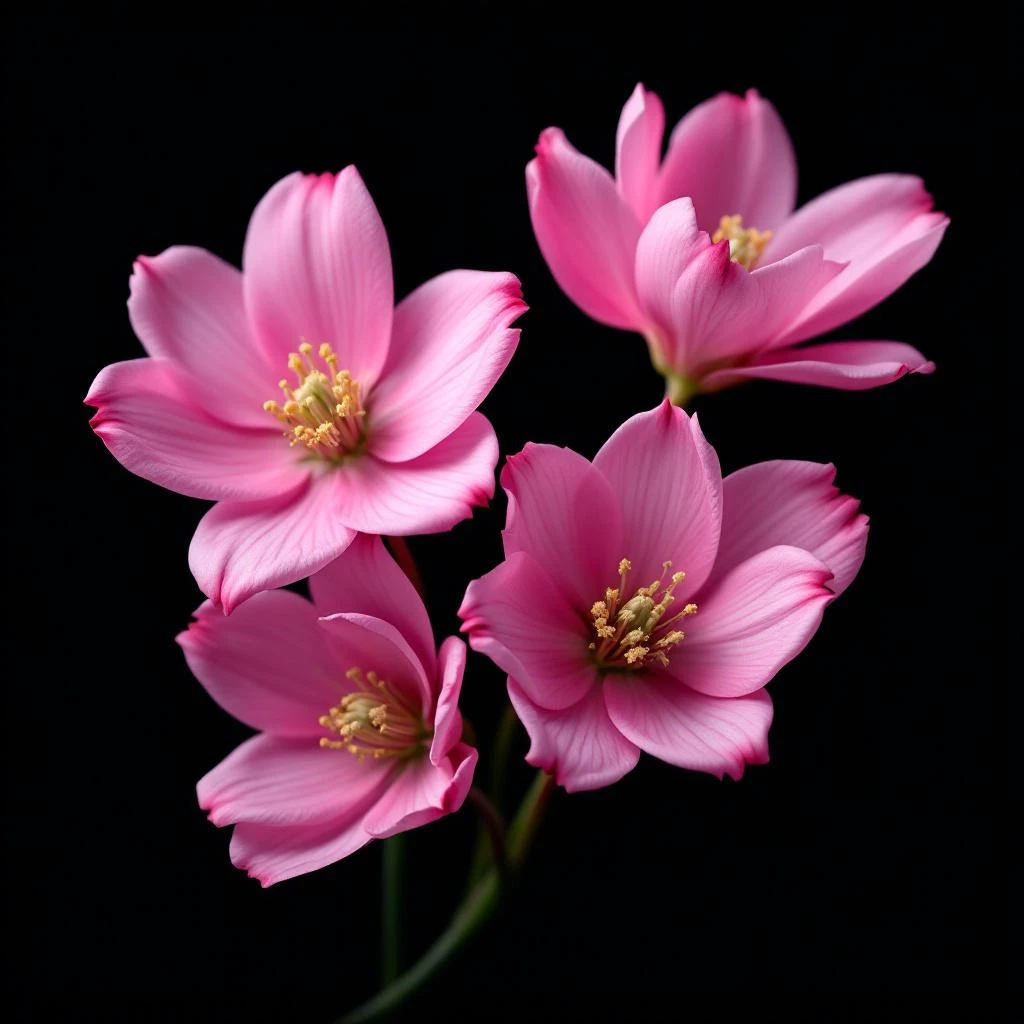
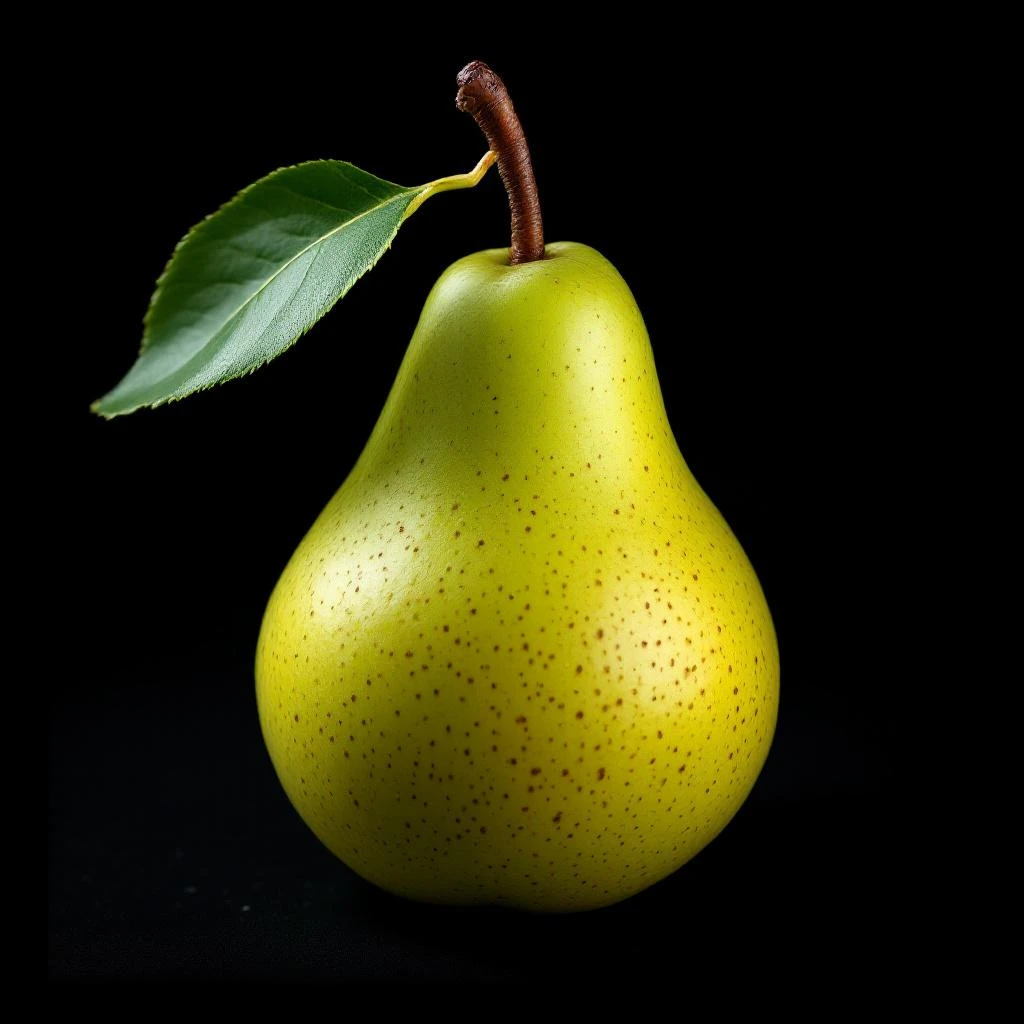
Plum leaves belong to the Prunus genus, which includes almonds, cherries, and apricots, each contributing distinct aromatic profiles to perfumery.





Origin
France
While plum cultivation dates back millennia for its fruit, using plum leaves in perfumery represents a more recent development in botanical fragrance ingredients. The Prunus genus has been significant in traditional medicine across Europe and Asia, with various parts of the tree used in therapeutic preparations.
Plum leaf extraction for perfumery emerged alongside the broader interest in lesser-used botanical materials during the late 20th century, as perfumers sought to expand beyond common floral and citrus ingredients. Today, plum leaf absolute remains a specialty ingredient, used sparingly by perfumers who appreciate its ability to add organic complexity and bitter-green depth to fragrance compositions, particularly in niche and natural fragrance lines.
Wears it best
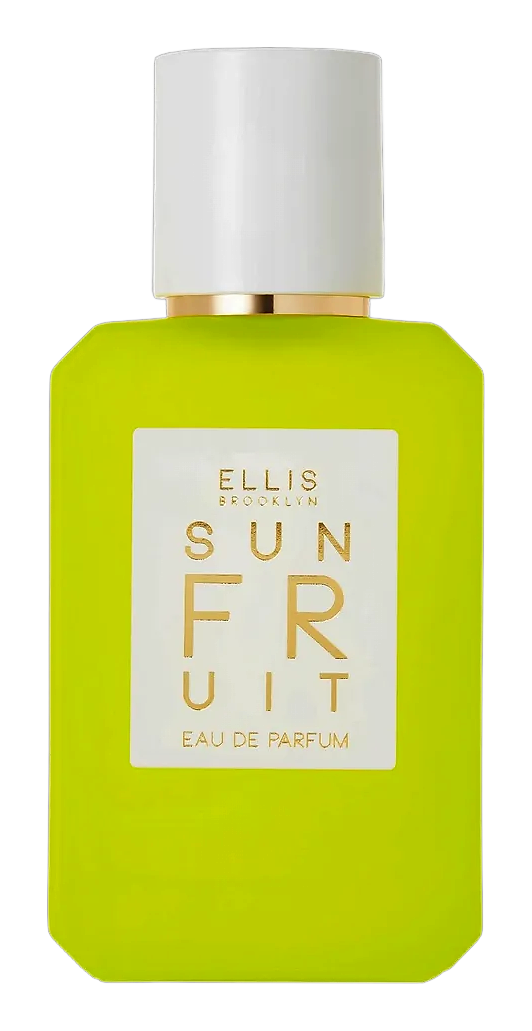
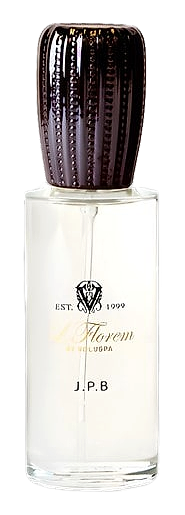
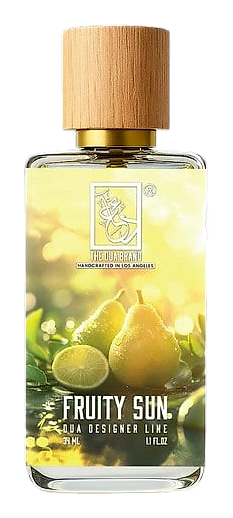
Fragrances featuring Plum leaf
Brands
Brands known for Plum leaf
Good to know
Questions, answered
The essentials on Plum leaf in perfumery: how it smells, where it comes from, and how it behaves on skin.
What does Plum leaf smell like in perfume?
Plum leaf absolute delivers bitter-green, vegetable-like notes with subtle fruity undertones. It creates crisp, organic freshness reminiscent of freshly crushed leaves, adding unexpected depth and complexity to heart note compositions.
Why is Plum leaf used in perfumery?
Plum leaf adds unique bitter-green complexity that distinguishes fragrances from standard fruity compositions. It bridges green and fruity scent families, providing organic depth that resonates with consumers seeking natural and unconventional perfume ingredients.
Is Plum leaf in perfume natural or synthetic?
Plum leaf absolute is a natural ingredient extracted from fresh leaves via solvent extraction. Synthetic alternatives exist that mimic the bitter-green character, though natural versions remain preferred in botanical and niche fragrance formulations.
What famous perfumes contain Plum leaf?
Plum leaf appears primarily in niche and natural fragrance lines rather than mainstream commercial perfumes. Due to its specialty status, specific perfume formulations containing this ingredient are not widely documented in published fragrance databases.
Is Plum leaf a top note, heart note, or base note?
Plum leaf functions primarily as a heart note in perfume compositions. It adds complexity to the middle phase of fragrance development, contributing green, bitter qualities that complement the evolution from top to base notes.
What notes pair well with Plum leaf in perfume?
Plum leaf pairs naturally with stone fruit notes like peach and apricot, green ingredients such as fig and galbanum, and florals including jasmine and magnolia. It also complements woody bases and fresh citrus elements in well-balanced compositions.
How is Plum leaf extracted?
Plum leaf undergoes solvent extraction to produce absolute. Fresh leaves are harvested in spring and processed with food-grade solvents that capture aromatic compounds, yielding a concrete that is further refined to remove waxes and produce the final aromatic material.
Is Plum leaf used in men's or women's fragrances?
Plum leaf absolute is gender-neutral in perfumery application. Its bitter-green character adapts equally well to masculine compositions featuring woody and aromatic elements and feminine fragrances emphasizing fruity-floral dynamics with organic depth.