Pistachio Blossom
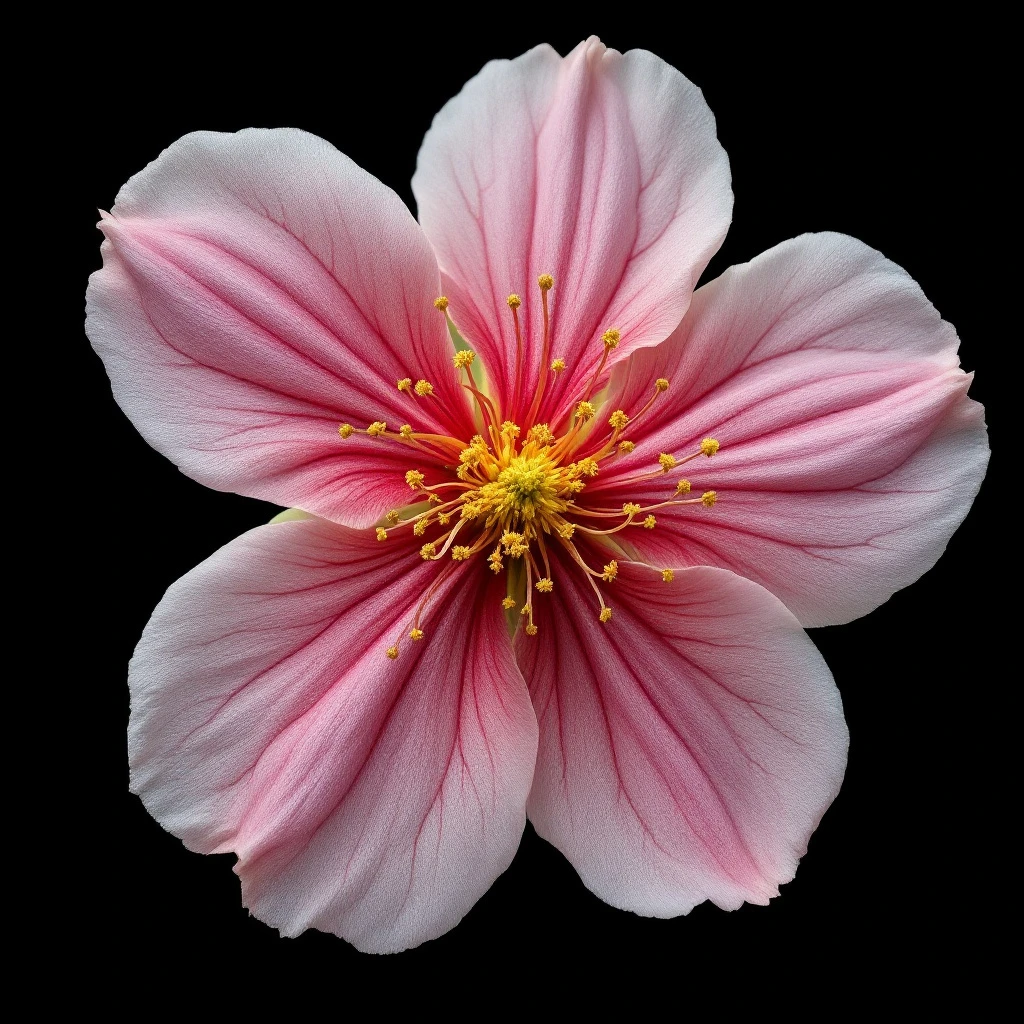
Pistachio Blossom captures the rare, fleeting aroma of the pistachio tree's spring flowers paired with the warm, creamy nuttiness that made this ingredient iconic in modern perfumery.
Character
How it smells
Nutty warmth meets floral delicacy.
Pistachio trees are dioecious—separate male and female trees—and only female trees produce both blossoms and the beloved green nuts.





Origin
Iran
The pistachio tree, Pistacia vera, has ancient roots in the Middle East and Central Asia, where it has grown for over 7,000 years. Ancient Persians considered pistachios a symbol of wealth and robustness, often gifting them to royalty. While the nuts dominated culinary history, perfumers only began exploring the pistachio profile in the late 20th century, when gourmand fragrances revolutionized the industry.
The introduction of Pistachio Blossom as a named note reflects perfumers' growing interest in highlighting the entire botanical character—not just the nut—acknowledging the subtle floral dimension that precedes the harvest. Today, Iran remains the largest producer, followed by California, but the perfume industry sources its raw materials from multiple regions to ensure consistent quality.
Wears it best
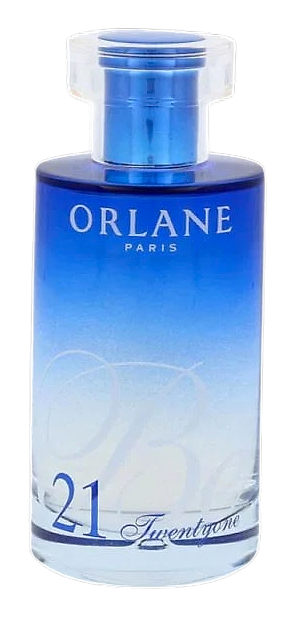
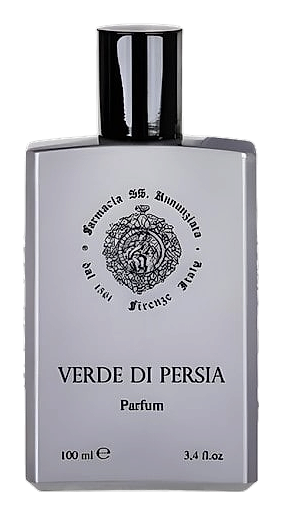
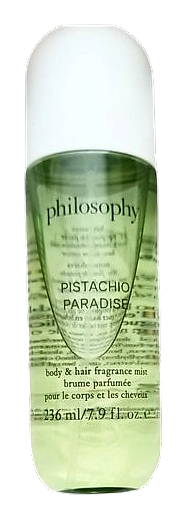
Fragrances featuring Pistachio Blossom
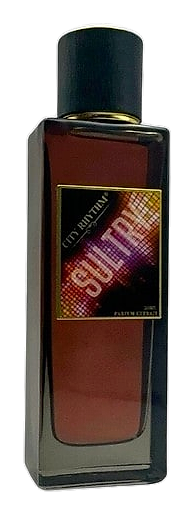

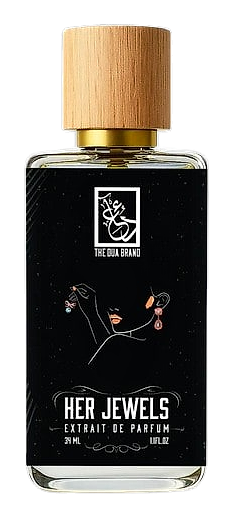
Brands
Brands known for Pistachio Blossom
Good to know
Questions, answered
The essentials on Pistachio Blossom in perfumery: how it smells, where it comes from, and how it behaves on skin.
What does Pistachio Blossom smell like?
Pistachio Blossom combines creamy, buttery nuttiness with delicate green-floral top notes. The result is warm yet fresh—a sweet, slightly roasted character softened by subtle floral whispers reminiscent of the tree's spring blossoms.
Is Pistachio Blossom a natural or synthetic ingredient?
It can be either. Natural pistachio absolute comes from extracted nuts, while headspace technology captures the actual blossom scent. Many fragrances use a blend of natural and nature-identical aroma chemicals to achieve a consistent pistachio profile.
Which fragrance families commonly use Pistachio Blossom?
Gourmand and floral-gourmand fragrances most frequently feature this note. It pairs well with almond, tonka bean, vanilla, and white flowers, adding warmth and a modern, edible quality to compositions.
Where does pistachio for perfumery originate?
Iran leads global pistachio production, followed by the United States (California) and Turkey. Perfumery ingredients may be sourced from multiple origins to maintain supply consistency.
How long has pistachio been used in perfumery?
Pistachio emerged as a recognizable perfumery note in the 1990s, coinciding with the gourmand fragrance boom. Its rise mirrored consumer appetite for edible, comforting aroma profiles.
Does Pistachio Blossom come from the flower or the nut?
The term references both. The blossoms provide fleeting green-floral nuances, while the nuts deliver the rich, creamy nuttiness. Modern perfumers capture both through different extraction and analysis techniques.
Is pistachio allergenic in perfumery?
Pistachio nuts contain proteins that can trigger allergies in susceptible individuals. EU cosmetic regulations require declaration of specific allergens; those with nut allergies should review ingredient lists carefully.
What perfumers are known for working with Pistachio Blossom?
Multiple niche houses have featured pistachio prominently since the 2000s. The note gained wider recognition through several landmark gourmand releases that established it as a modern perfumery staple.




