Pink Honeysuckle
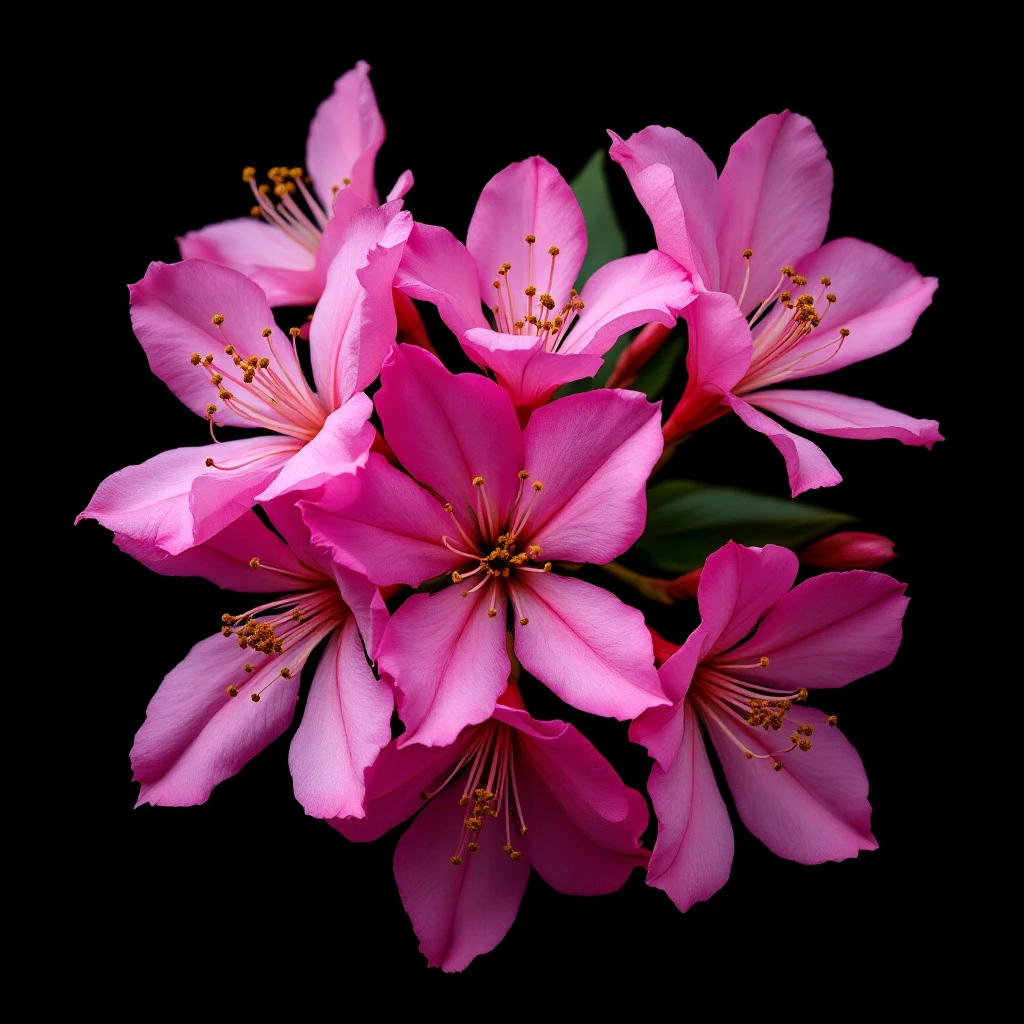
The sun-drenched heart of summer: Pink Honeysuckle captures the sweet, nectar-rich bloom that drapes garden walls with climbing vines and intoxicating perfume. Its warm floralcy evokes lazy afternoons and childhood memory.
Character
How it smells
Nectar-rich blooms of late summer gardens
No steam-distilled honeysuckle oil exists in commercial perfumery—the flower is too delicate for heat extraction, making headspace technology essential to capturing its scent.





Origin
France
Honeysuckle has wound through human culture for millennia, valued as much for its intoxicating fragrance as for its medicinal properties. The Romans used Lonicera caprifolium in their gardens and ceremonial contexts, while traditional Chinese medicine has employed several honeysuckle species for cooling remedies and anti-inflammatory preparations.
European perfumers of the 18th and 19th centuries attempted extraction from Lonicera gigantea L. grown in southern France, though these early efforts produced only minute quantities of highly prized flower oil.
China remains the world's largest cultivator of honeysuckle for traditional applications, yet the fragrance industry found that natural extraction proved impractical for this delicate bloom. The honeysuckle note we experience in modern perfumery emerged alongside headspace technology in the late 20th century, finally allowing perfumers to capture what had long seemed impossible to extract.
Wears it best
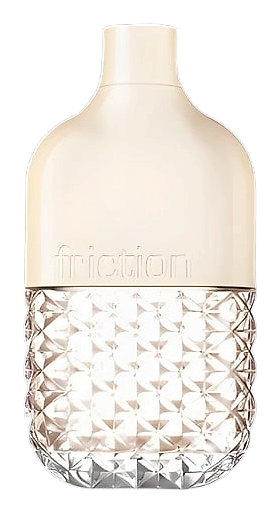
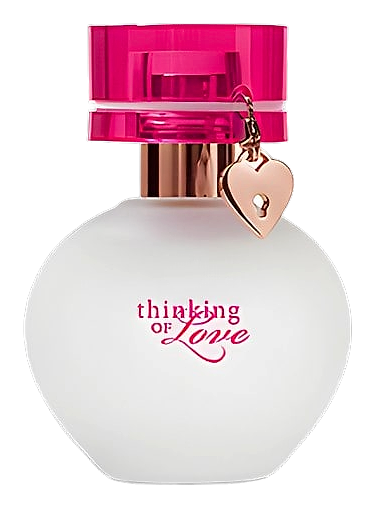
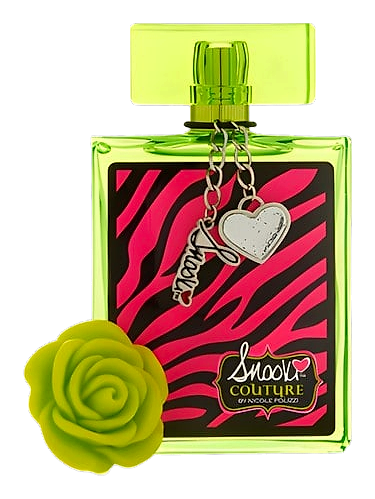
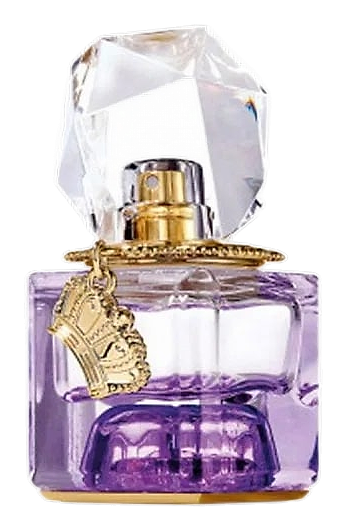
Fragrances featuring Pink Honeysuckle
Brands
Brands known for Pink Honeysuckle
Good to know
Questions, answered
The essentials on Pink Honeysuckle in perfumery: how it smells, where it comes from, and how it behaves on skin.
Can honeysuckle essential oil be extracted from the flower?
No. Steam distillation produces no viable honeysuckle oil because the flower is too delicate for heat-based extraction. Modern perfumers use headspace technology to capture its scent profile instead.
What does Pink Honeysuckle smell like?
Pink Honeysuckle smells warm and honeyed with creamy, slightly vanillic undertones. It carries a sunlit quality reminiscent of nectar, with a green leafy nuance that grounds its sweetness.
Is honeysuckle absolute a natural or synthetic ingredient?
Headspace-derived honeysuckle is a nature-identical material. The molecule-by-molecule recreation matches what living flowers release, but no physical extraction from the plant occurs.
Why is honeysuckle considered challenging in perfumery?
Honeysuckle yields negligible aromatic material through conventional extraction. Early perfumers in southern France attempted production from Lonicera gigantea L., but economics and yields made it impractical.
What other ingredients pair well with honeysuckle?
Honeysuckle amplifies jasmine, tuberose, and ylang-ylang in floral compositions. It also bridges beautifully to citrus top notes and warm base materials like sandalwood and amber.
Does enfleurage produce honeysuckle extract?
Some artisanal producers practice enfleurage with honeysuckle, using cold fat to absorb the flower's volatiles. This method captures the delicate top notes that heat-based processes destroy.
Where does honeysuckle for perfumery originate?
Historical extraction attempts occurred in southern France with Lonicera gigantea L. Today, headspace technology allows honeysuckle captures from multiple regions without depending on natural extraction yields.
Is honeysuckle used in food or aromatherapy as well?
Honeysuckle appears in traditional Chinese herbal preparations and infusions. For aromatherapy, the scent is recreated synthetically since no true essential oil exists for therapeutic use.





