Pink Geranium
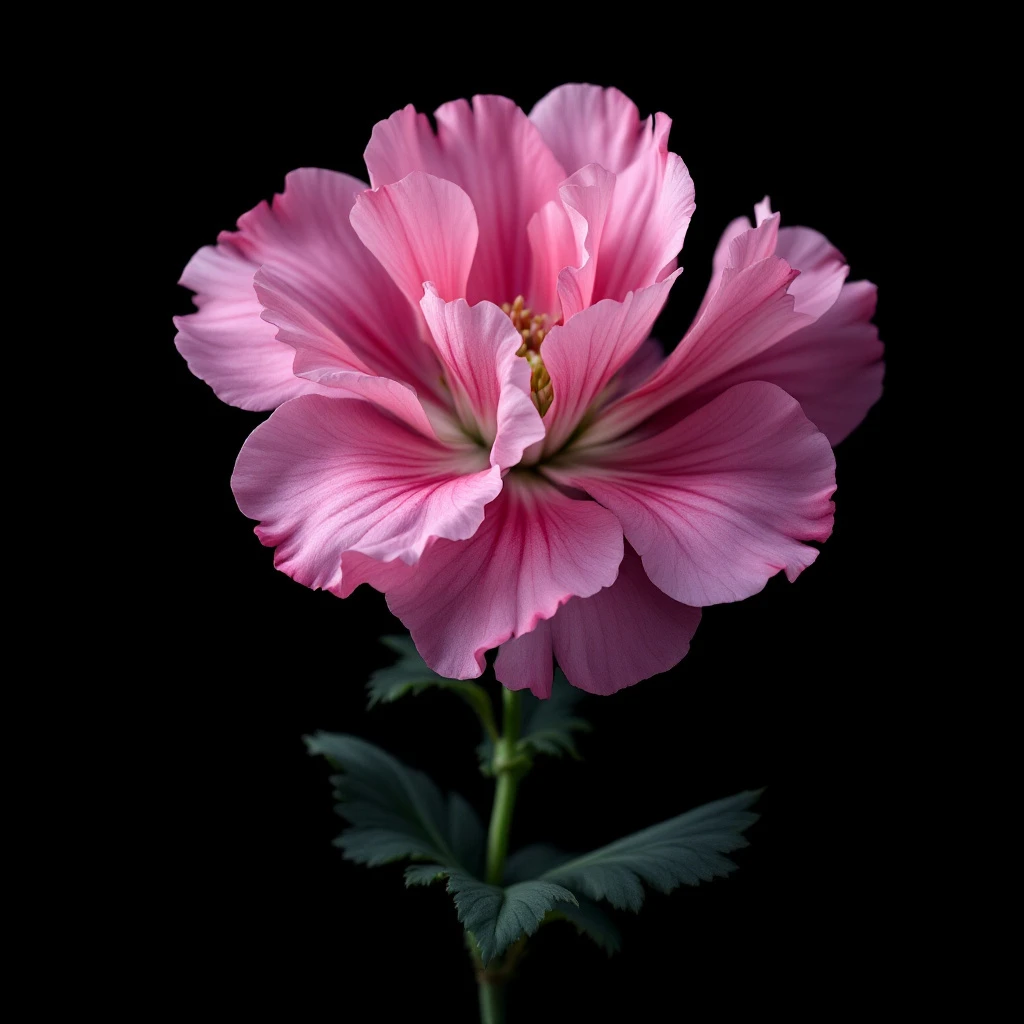
Pink Geranium brings a verdant, rosy whisper to compositions with lemony brightness and cool menthol facets. Extracted from Pelargonium graveolens grown in Madagascar's highlands, this oil bridges the garden and the lab with effortless grace.
Character
How it smells
Garden-fresh, rose-kissed, endlessly versatile.
Geranium leaves appear dewy even in dry heat because glandular hairs actively secrete aromatic compounds to cool the plant.





Origin
Madagascar
Commercial geranium cultivation began in the early 19th century when French botanists brought Pelargonium varieties from South Africa to Provence. Growers in Grasse developed the perfume strain now known as rose-leaf geranium. By the 1920s, Madagascar emerged as a major production hub, leveraging its climate to grow geraniums at elevations exceeding 1000 meters.
Local farmers adopted the crop because it thrived where other cash crops failed and processing required minimal infrastructure. The oil became known in commerce as otto of rose-leaf geranium, reflecting its rose-like character. Today, geranium cultivation supports rural economies across Madagascar and neighboring African nations.
The ingredient itself has remained a perfumery staple, valued for its ability to add freshness, depth, and a subtle floral character without dominating a composition.
Wears it best
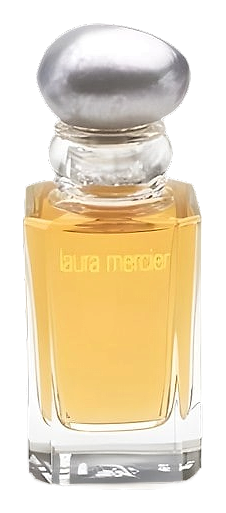
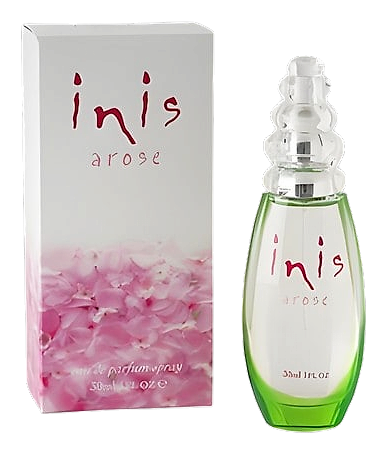
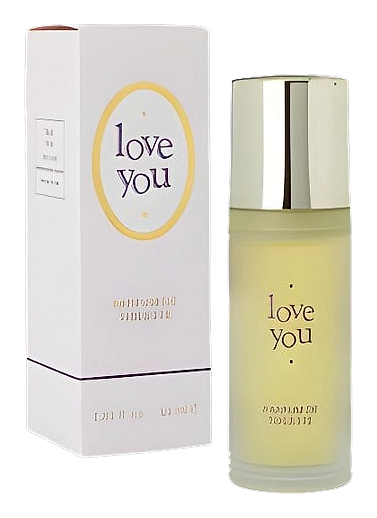
Fragrances featuring Pink Geranium
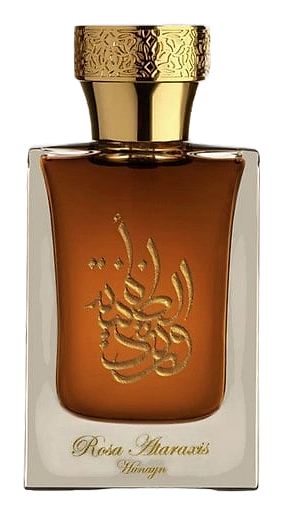

Brands
Brands known for Pink Geranium
Good to know
Questions, answered
The essentials on Pink Geranium in perfumery: how it smells, where it comes from, and how it behaves on skin.
What does Pink Geranium smell like?
Pink Geranium combines rosy sweetness with sharp lemony top notes and a cooling menthol undertone. The effect is green and garden-fresh, with an androgynous quality that works across fragrance families.
Is geranium oil from geranium flowers?
No. Perfumers extract geranium oil from the leaves and stems, not the flowers. The leaves contain specialized glandular hairs that produce and store the aromatic compounds.
Where does quality geranium oil come from?
Madagascar produces the most prized geranium oil today. High-altitude cultivation in the central highlands creates temperature stress that increases aromatic compound concentration in the leaves.
Does geranium oil smell like roses?
Geranium shares aromatic compounds with roses, including citronellol and geraniol, giving them a similar rosy quality. However, geranium also adds lemony and mentholated facets roses lack.
How is geranium oil extracted?
Steam distillation separates geranium oil from crushed leaves and stems. Steam passes through the plant material, carrying volatile compounds into a condenser where they cool and separate from the water phase.
Is geranium used in natural or synthetic perfumery?
Both. Natural geranium oil appears in botanical and niche fragrances. Synthesized equivalents like geraniol and citronellol allow broader use in mainstream perfumery at stable prices.
What fragrance families use geranium?
Geranium appears in floral, chypre, fougère, and green compositions. It serves as a bridging agent between citrus and floral notes while adding aromatic freshness to masculine and unisex scents.
Has geranium cultivation impacted producing regions?
Geranium cultivation has become economically significant in Madagascar and surrounding African nations. The crop provides income for smallholder farmers in regions where few alternatives exist.




