Pie Crust
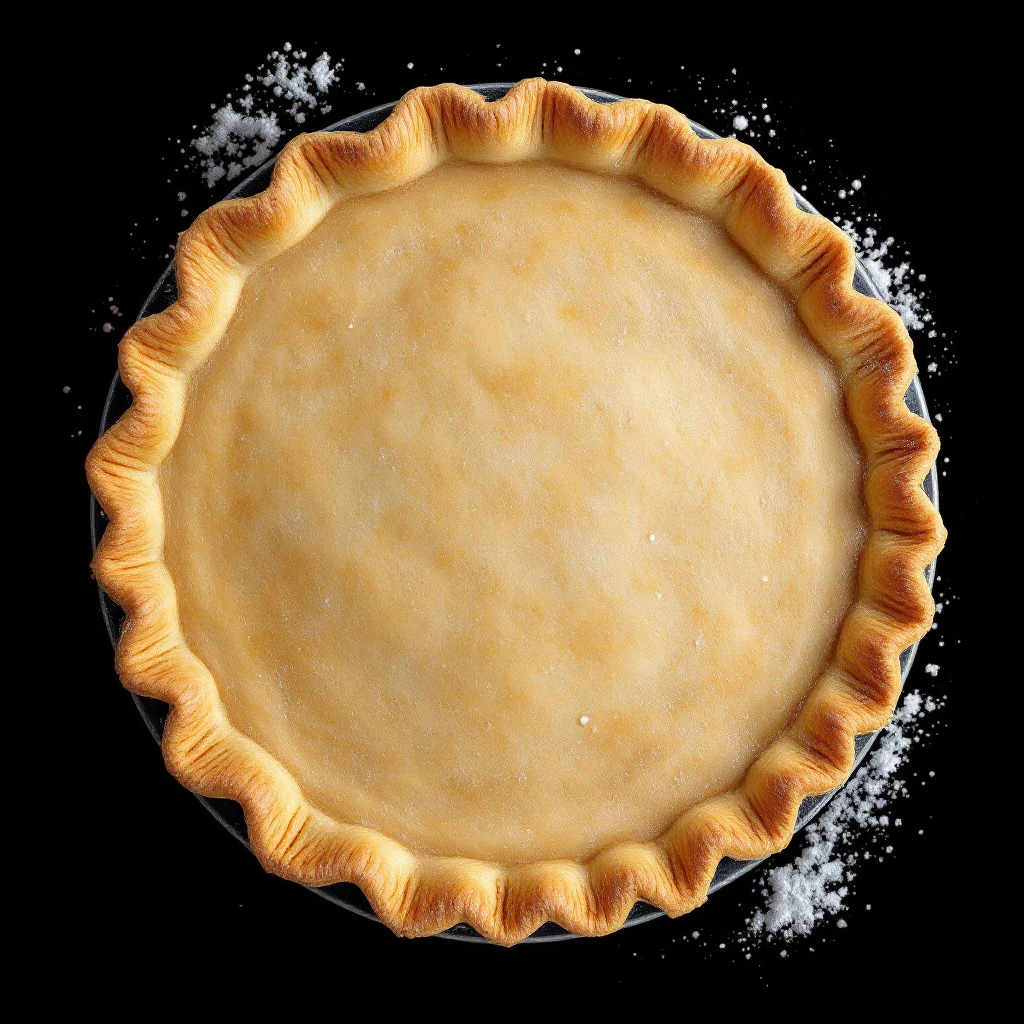
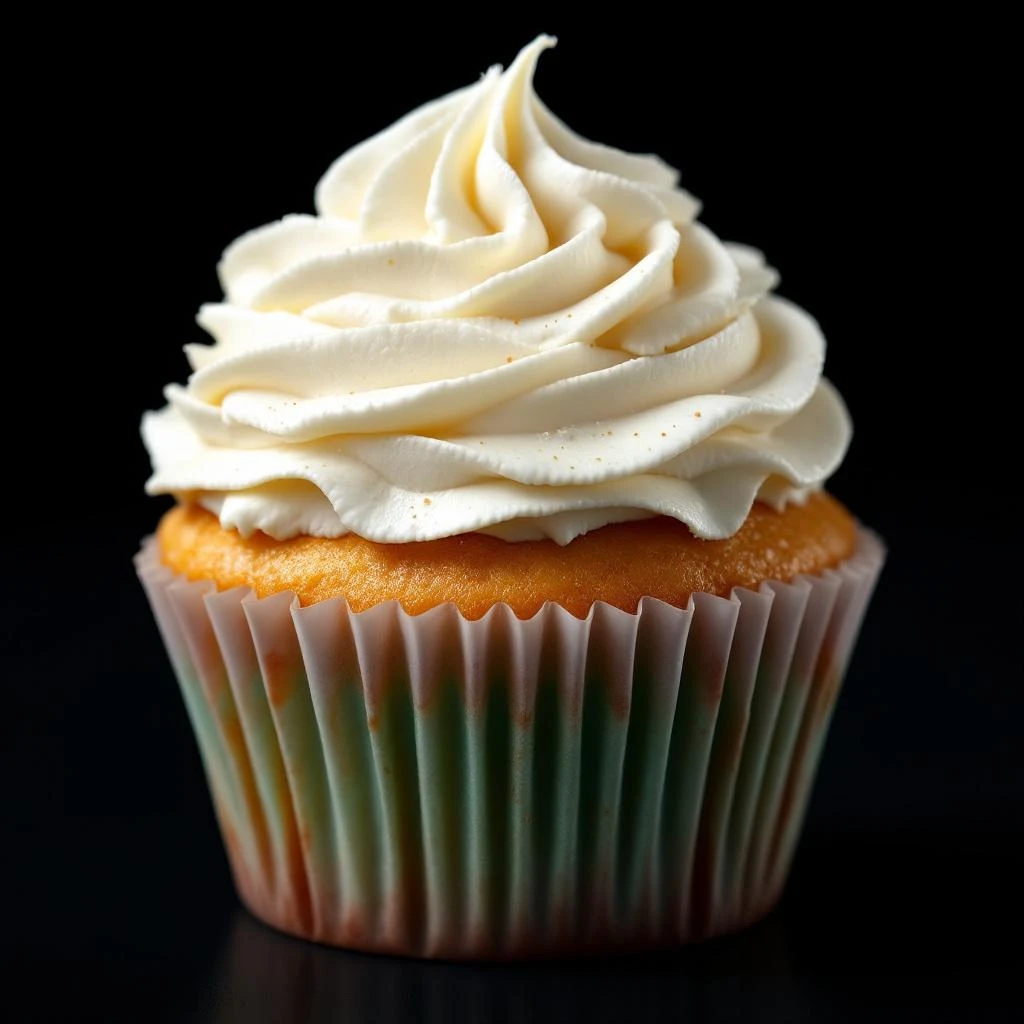
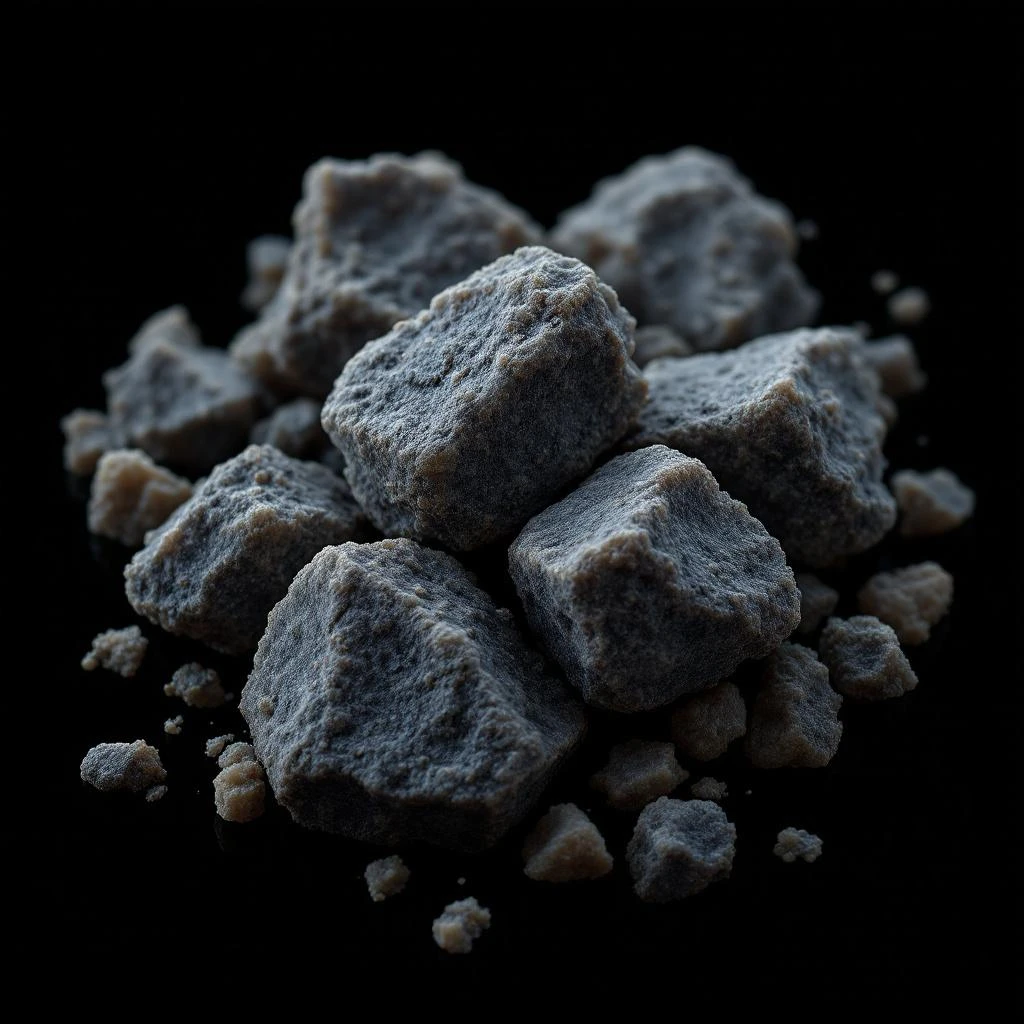
Pie crust in perfumery captures the warm, buttery essence of freshly baked pastry—a gourmand note that evokes the golden, flaky layers of a perfectly made crust. This aromatic captures the comforting intersection of butter, flour, and gentle heat.
Character
How it smells
The comforting aroma of golden pastry in a bottle.
Pie crust was among the first edible notes perfumers could realistically recreate, thanks to advances in synthetic aroma chemistry during the 1970s gourmand movement.


Origin
France (center of modern perfumery development)
Pie crust as a fragrance note emerged from the gourmand movement that reshaped perfumery in the late 20th century. Before the 1970s, perfumers rarely attempted to recreate food smells with such literal accuracy.
When chemists developed new synthetic aroma chemicals, perfumers gained the tools to construct edible notes that previously seemed impossible. The success of edible-scented products in other industries, particularly food flavoring, inspired perfumers to apply similar techniques to fragrance.
Pie crust specifically became popular as perfumers realized that warm, buttery bakery notes created emotional comfort—a connection to home cooking and nostalgia that translated powerfully to skin. Today, it appears primarily in gourmand fragrances and oriental compositions where a cozy, edible warmth supports sweeter notes.
Wears it best
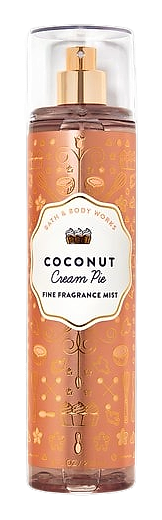
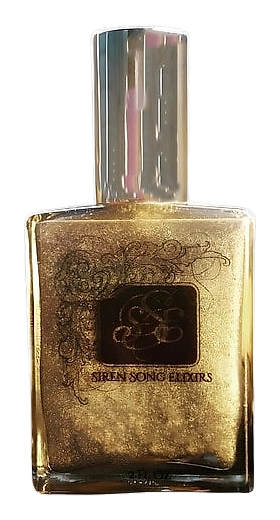
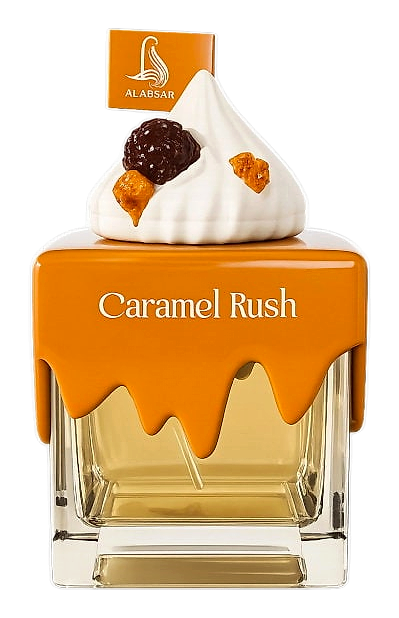
Fragrances featuring Pie Crust
Brands
Brands known for Pie Crust
Good to know
Questions, answered
The essentials on Pie Crust in perfumery: how it smells, where it comes from, and how it behaves on skin.
What does pie crust smell like in perfume?
Pie crust in perfumery smells like warm, buttery pastry with subtle notes of flour, gentle sweetness, and a baked quality reminiscent of fresh pie straight from the oven.
Is pie crust a natural fragrance ingredient?
No. Pie crust is a synthetic aromatic accord created by blending multiple aroma chemicals to reproduce the scent of baked pastry. It has no direct botanical or animal origin.
What other notes pair well with pie crust?
Pie crust harmonizes with sweet gourmand notes like caramel, vanilla, and tonka. It also pairs well with warm spices such as cinnamon and nutmeg, and complements fruity accords like apple and cherry.
Which perfumes feature pie crust as a prominent note?
Pie crust appears in numerous gourmand fragrances, particularly those with bakery or comfort food themes. It is often listed in the base note category since it typically provides a warm, lasting foundation in fragrance compositions.
How long does pie crust last in a fragrance?
Pie crust, as a warm base note, tends to have moderate to long staying power on skin, usually lasting several hours. Its performance depends on the concentration and the other materials used in the formula.
Can pie crust be found in natural perfumery?
While no natural ingredient smells exactly like pie crust, natural materials like tonka bean absolute, vanilla absolute, and heliotropin can contribute similar warm, sweet, and buttery qualities in natural perfumery.
When did pie crust notes first appear in perfume?
Pie crust as a named fragrance note emerged during the gourmand revolution in perfumery, gaining traction in the 1980s and 1990s as synthetic chemistry enabled perfumers to recreate food scents with unprecedented accuracy.
Is pie crust suitable for all skin types?
Pie crust accords are generally well-tolerated, though individuals with sensitivities to specific aroma chemicals like coumarin should check the ingredient list. As with any fragrance ingredient, a patch test is advisable for sensitive skin.