Cupcake
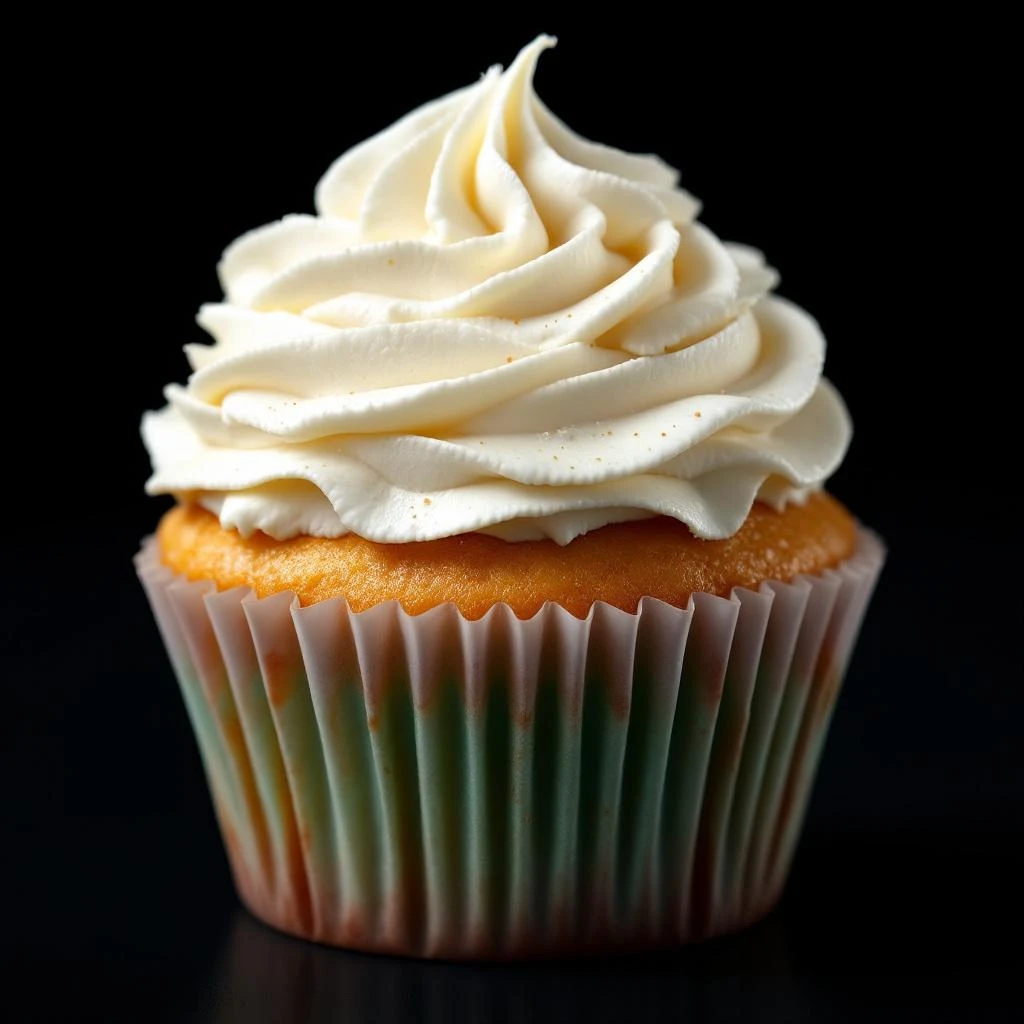
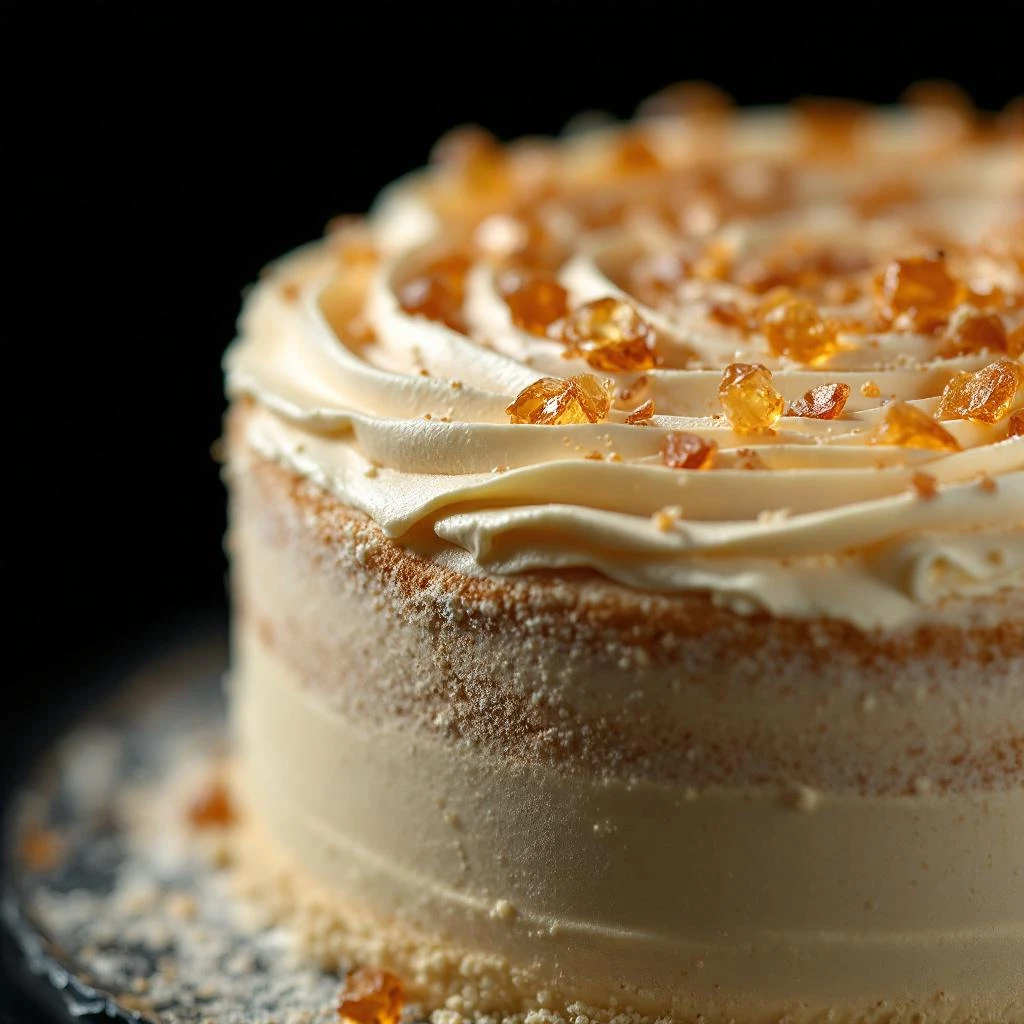
A synthetic gourmand accord replicating the warm sweetness of vanilla cake with buttercream frosting. Perfumers layer vanillin, coumarin, and lactones to build a creamy, edible character. Cupcake brings comfort and indulgence to fragrance compositions, popular in body care and seasonal releases.
Character
How it smells
Warm vanilla cake sweetness, fresh from the oven
The gourmand fragrance family, including cupcake accords, emerged in the 1990s and now accounts for roughly 15-20% of the modern fragrance market.





Origin
Global
The cupcake accord belongs to the gourmand family, a fragrance classification that emerged in the late 1980s and exploded in popularity during the 1990s. Before this period, sweet edible notes were rare in fine perfumery, which favored floral, chypre, and fougere compositions. The turning point came with Thierry Mugler Angel in 1992, which featured a candy-like sweetness that challenged conventional fragrance aesthetics and opened doors for fully edible scent profiles.
During this era, chemists had already developed the core aroma chemicals for cupcake-style scents: vanillin from industrial synthesis since the 1890s, coumarin from clover grass research, and lactones discovered through early organic chemistry experiments. These materials found new purpose as perfumers began crafting fragrances that smelled like food and drink. By the 2000s, cupcake and related gourmand accords had infiltrated body care, candles, and fine fragrances across all market segments.
The comfort factor of these scents proved particularly resonant during economic uncertainty, contributing to their sustained popularity into the 2020s.
Wears it best
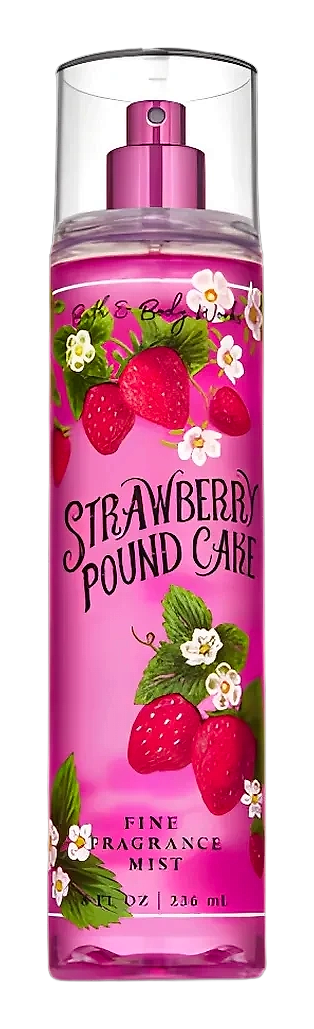
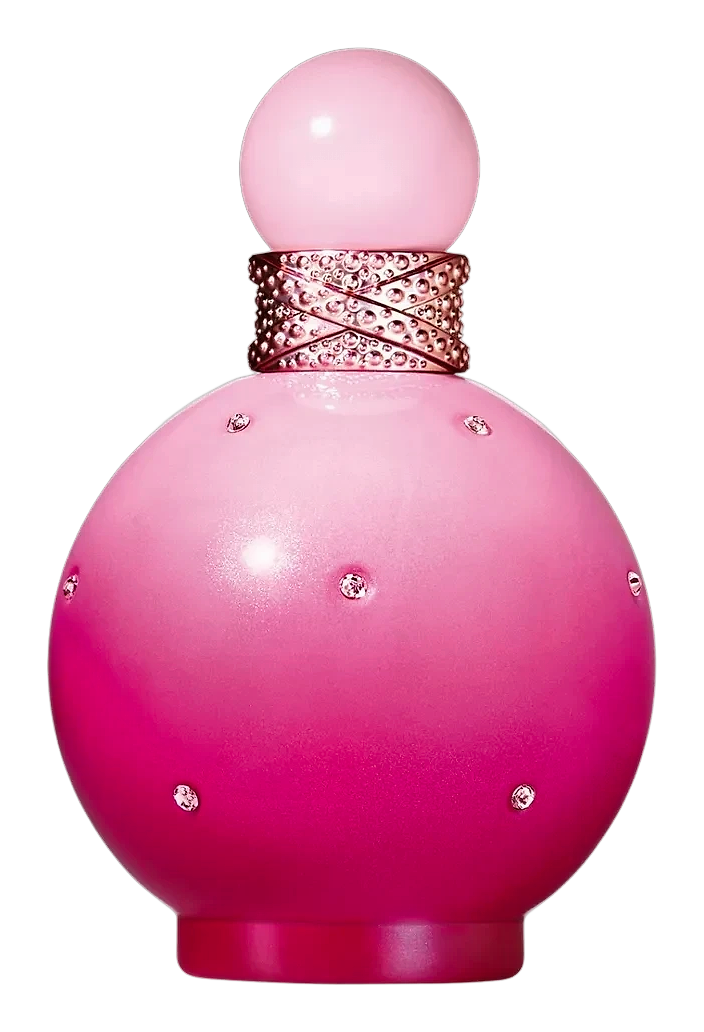
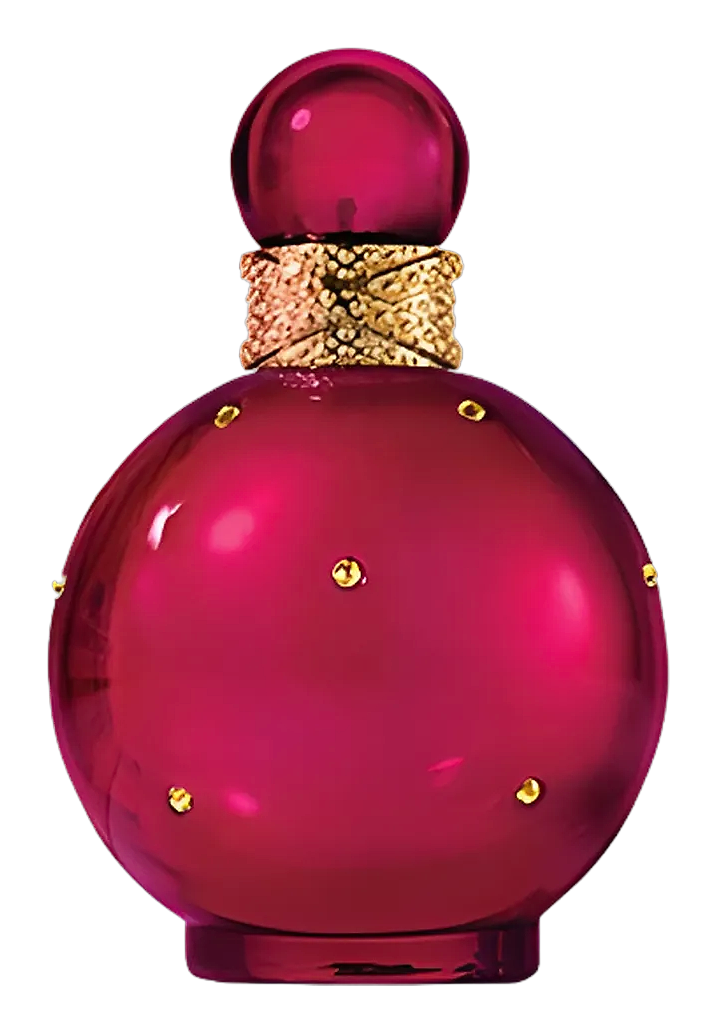
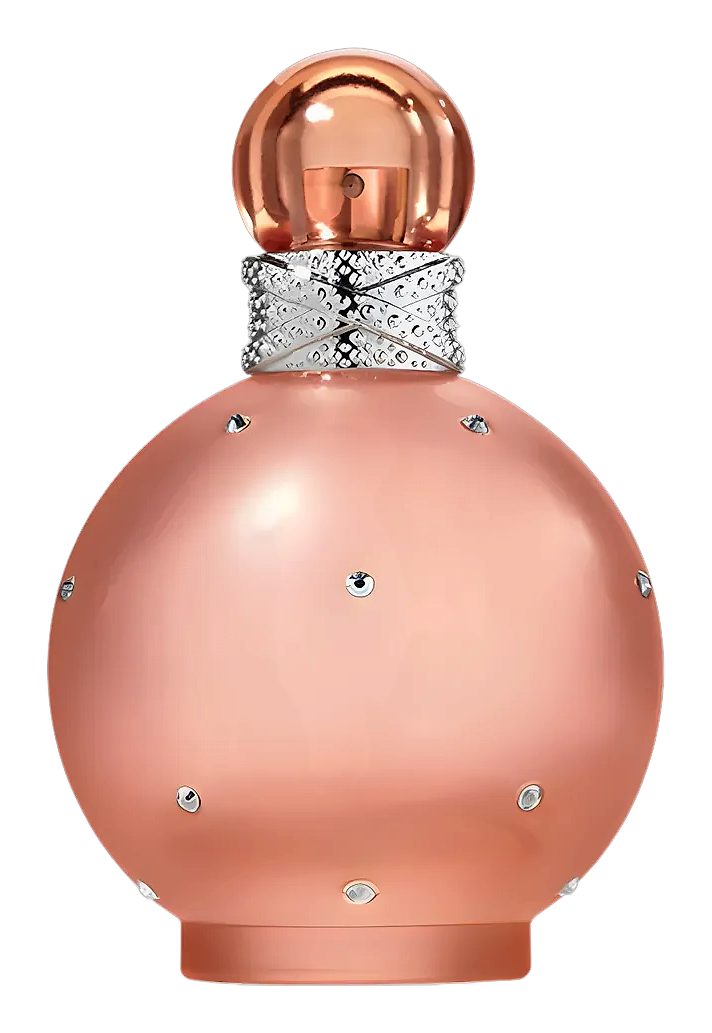
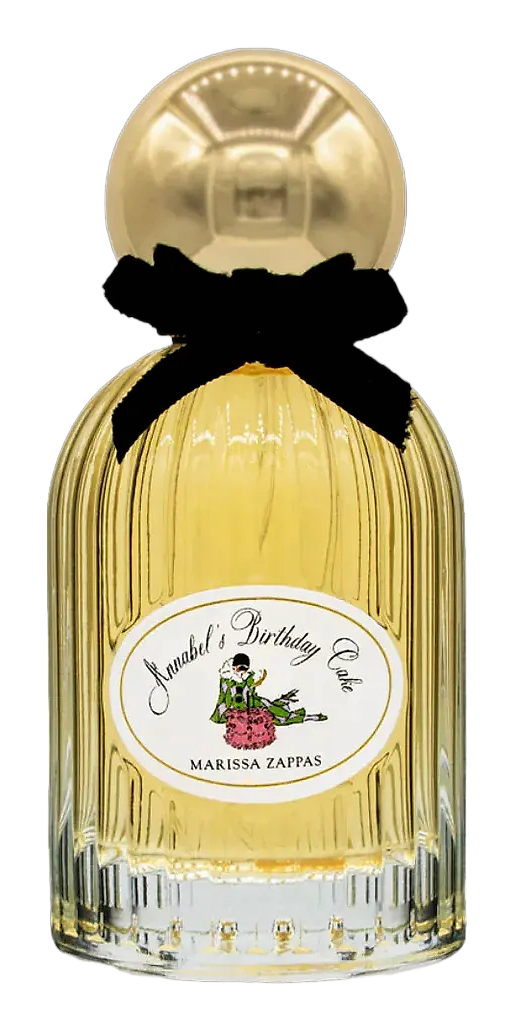
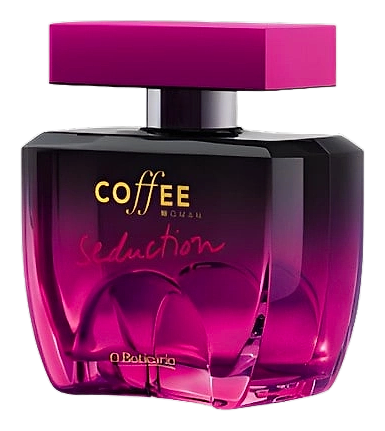
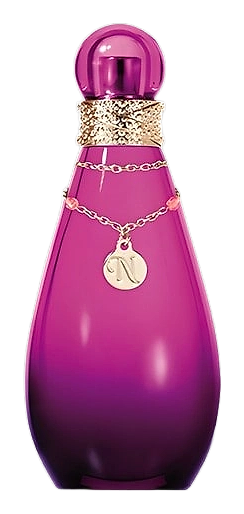
Fragrances featuring Cupcake

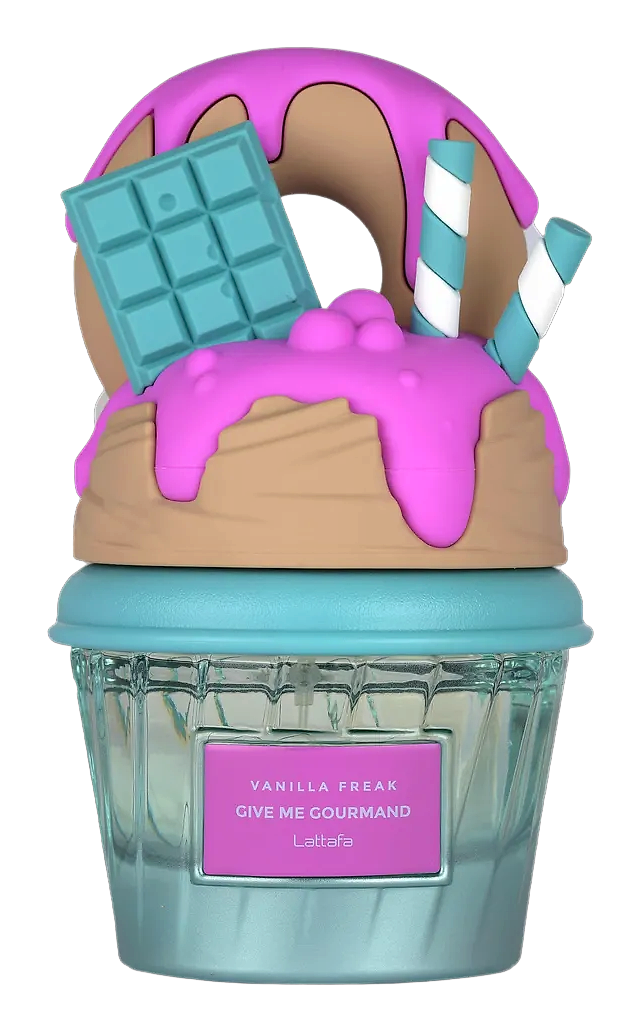
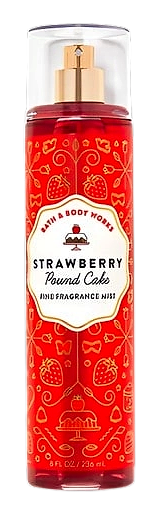
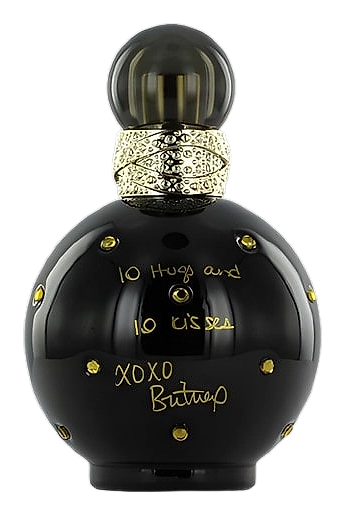

Brands
Brands known for Cupcake
Good to know
Questions, answered
The essentials on Cupcake in perfumery: how it smells, where it comes from, and how it behaves on skin.
What does Cupcake smell like in perfume?
Cupcake accord smells like freshly baked vanilla cake with buttercream frosting. It combines warm vanillin, caramelized sugar notes, and creamy lactones to create an edible, comforting sweetness that reads as bakery-fresh. Individual interpretations vary from more buttery cake bases to heavily sweet frosting-forward profiles.
Why is Cupcake used in perfumery?
Cupcake accord delivers comfort, warmth, and emotional resonance that attracts broad consumer appeal. Gourmand fragrances with cupcake notes consistently rank among top-selling fragrance families, making them commercially attractive. The accord also helps perfumers create accessible, mass-appealing scents for body care and candle lines where food-like familiarity drives purchasing decisions.
Is Cupcake in perfume natural or synthetic?
Cupcake in perfume is always synthetic. The accord combines lab-produced aroma chemicals like vanillin, coumarin, and ethyl maltol in specific ratios. While vanillin occurs naturally in vanilla beans, the volume needed for commercial fragrance would make natural sourcing prohibitively expensive, so manufacturers use synthetic versions derived from sources including guaiacol and lignin.
What famous perfumes contain Cupcake?
Several popular fragrances feature cupcake-style gourmand accords. Bath and Body Works Warm Vanilla Sugar captures cupcake essence through vanillin and ethyl maltol. Aqua Oleum Vanilla and various Solinotes fragrances offer accessible cupcake interpretations. Haute Perfumerie lines including Mugler Angel and its flankers pioneered similar gourmand warmth that inspired countless cupcake-scented releases.
Is Cupcake a top note, heart note, or base note?
Cupcake accord typically functions as a heart to base note in fragrance construction. The vanilla and sweetness components have moderate longevity, projecting strongly in the first hour while remaining detectable for three to six hours on skin. Perfumers often reinforce cupcake foundations with musks and woods to extend its warm, edible trail throughout wear.
What notes pair well with Cupcake in perfume?
Cupcake accord pairs successfully with light florals like peony and iris, which soften its bakery character. Woody notes such as sandalwood and cashmeran add creaminess that enhances the sweetness. Complementary gourmand notes including caramel, marshmallow, and praline amplify the edible quality. Fresh touches of bergamot or coconut prevent the composition from becoming cloying.
How is Cupcake extracted?
Cupcake cannot be extracted since it is a synthetic fragrance accord. The individual components undergo industrial organic synthesis: vanillin forms from guaiacol through the Reimer-Tiemann reaction, coumarin derives from salicylaldehyde condensation, and ethyl maltol results from carbohydrate pyrolysis. Fragrance houses manufacture these chemicals in facilities across Europe, North America, and Asia before blending them into finished accords.
Is Cupcake used in men's or women's fragrances?
Cupcake accord appears in fragrances marketed to all genders. While gourmand scents gained popularity through women's fragrances in the 1990s, the comfort and sweetness translate across gender marketing boundaries. Many unisex fragrances now feature cupcake-style notes balanced with oud, leather, or aromatic herbs to create gender-neutral appeal. Body care lines use cupcake extensively regardless of gender positioning.