Peony Root
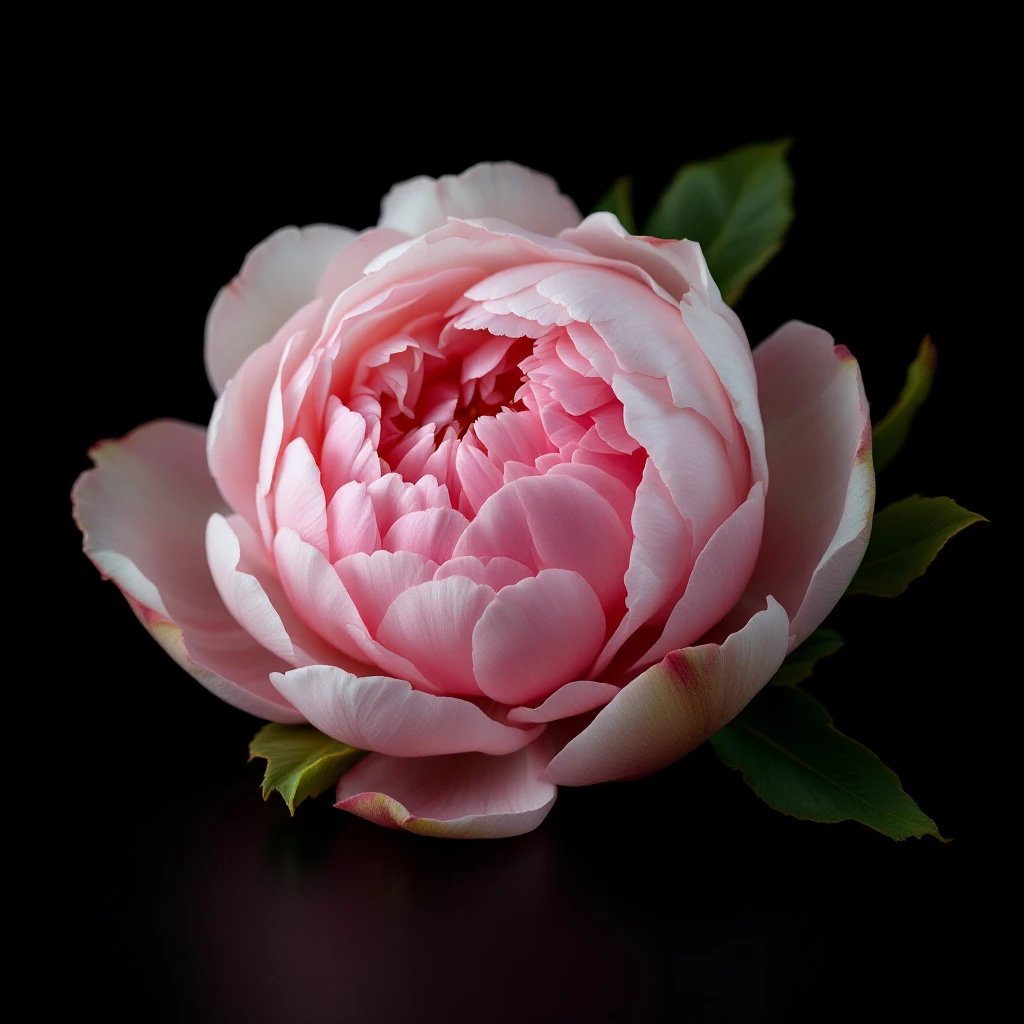
Peony refuses extraction — its fragile metabolites collapse under heat and solvents. Perfumers rebuild it molecule by molecule, creating an accord that captures the flower's fresh, rosy, green soul.
Character
How it smells
The mute flower that perfumers learned to speak.
Peony root has been used in Traditional Chinese Medicine for centuries, yet perfumers still cannot extract its floral scent naturally.



Origin
China
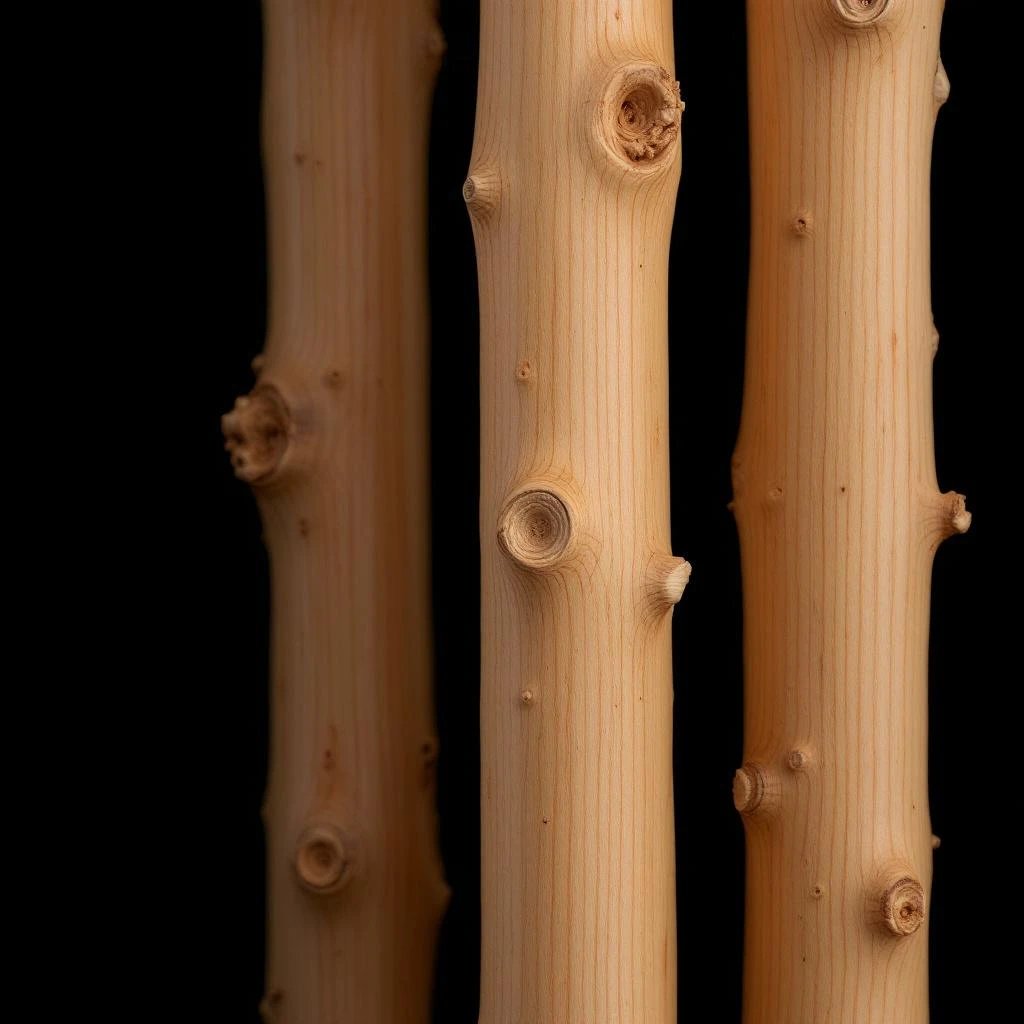
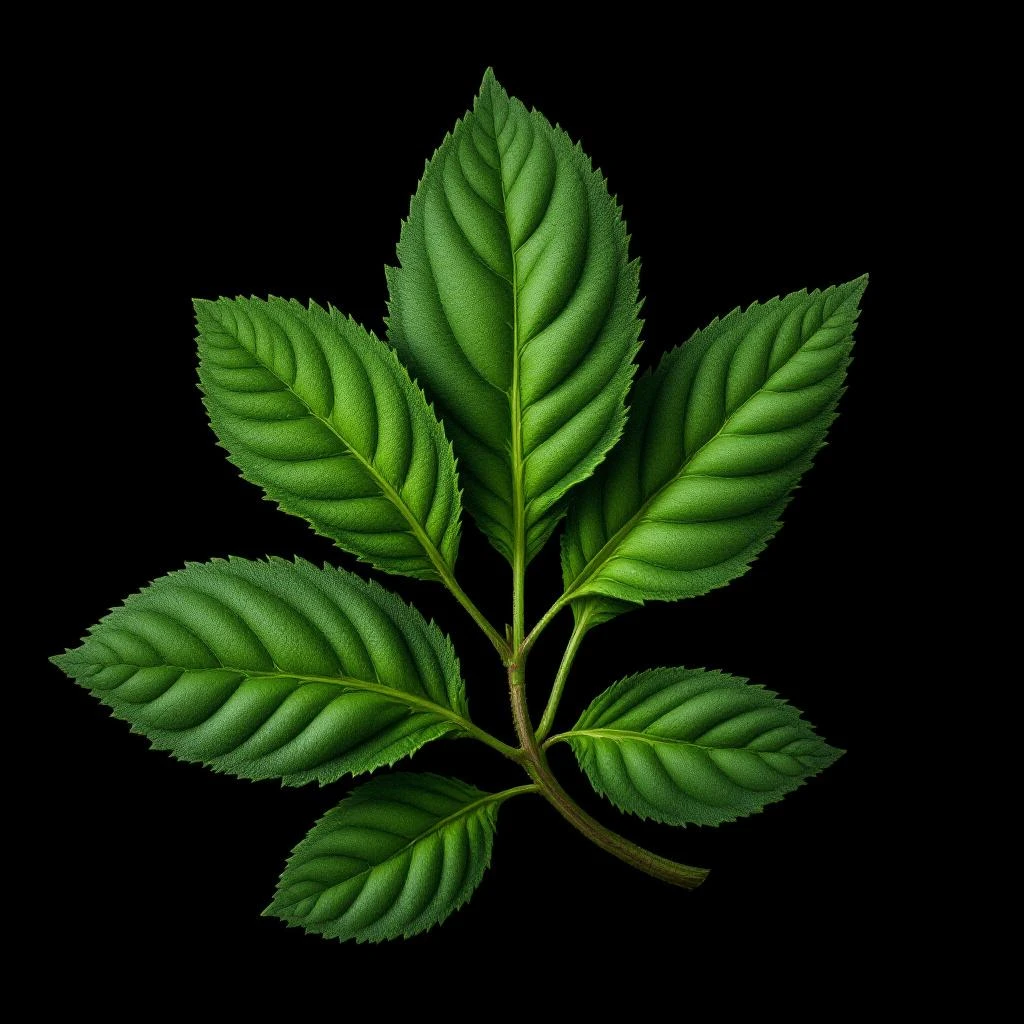
Peonies have been cultivated for over a thousand years across Asia and Europe, gracing imperial gardens and artistic representations. The root of Paeonia lactiflora holds particular significance in Traditional Chinese Medicine, where it appears in formulas addressing circulation and inflammation.
Yet despite centuries of appreciation for the flower itself, perfumery could not capture its fleeting scent. The breakthrough came only in the twentieth century, when analytical chemistry revealed peony's molecular secrets.
Rather than accepting defeat, perfumers began reconstructing the accord from individual aromatic molecules. This synthetic approach transformed peony from an impossible dream into a versatile perfumery material, now featured in countless fragrances from delicate florals to bold compositions.
Wears it best
Fragrances featuring Peony Root
Brands
Brands known for Peony Root
Good to know
Questions, answered
The essentials on Peony Root in perfumery: how it smells, where it comes from, and how it behaves on skin.
Can peony be extracted naturally for perfumery?
No. Peony metabolites degrade under heat and solvents, making traditional extraction impossible. Every peony note in perfumery is a synthetic reconstruction.
What does peony actually smell like?
Peony smells fresh, rosy, and green — not sweet. The scent combines crisp floral notes with herbaceous undertones and a clean, slightly dewy quality.
Is peony root used in perfumery?
No. Peony root is used in Traditional Chinese Medicine, but perfumery focuses on the flower. Since the flower cannot be extracted, the note is always synthesized.
Where does peony originate?
Paeonia lactiflora, the most common peony for perfumery, is native to central and eastern Asia, particularly China, where it has been cultivated for ornamental and medicinal purposes.
Why do perfumers use synthetic peony?
Because natural extraction fails. Perfumers identify key odorant molecules like phenylacetaldehyde and Rose oxide, then combine them to recreate peony's fresh, rosy character.
How does synthetic peony compare to natural?
Synthetic peony offers consistency and strength that natural materials cannot match. It performs reliably in formulations without the variability of botanical sources.
What molecules create peony's scent?
Phenylacetaldehyde provides rosy qualities, Rose oxide adds green freshness, and supporting materials like linalool and phenylethyl alcohol round out the floral character.
Is peony used as a base note?
Peony typically functions as a heart or top note due to its fresh, volatile character. It adds brightness and immediacy to floral compositions rather than lasting depth.





