Vietnamese cinnamon
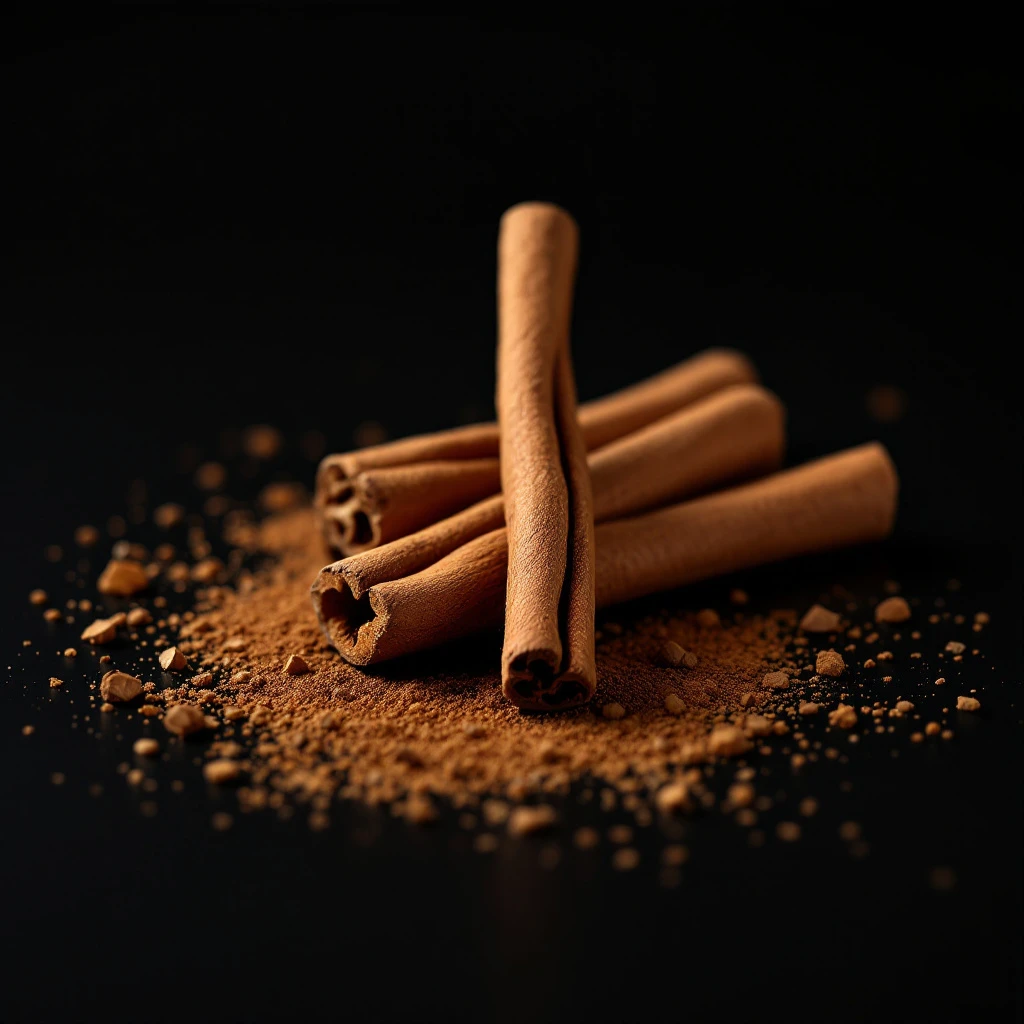
Vietnamese cinnamon carries one of the highest cinnamaldehyde concentrations of any cinnamon species, delivering a bold, intensely warm spiciness that anchors oriental and spicy fragrance compositions with unmistakable character.
Character
How it smells
Southeast Asia's boldest bark.
Vietnamese cinnamon bark contains up to 5% cinnamaldehyde by weight, roughly double the concentration found in most Ceylon varieties.
Pairs beautifully with



Origin
Vietnam
The forests of northern Vietnam have sheltered wild cinnamon trees for centuries, and the spice became a prized trade good well before European contact. Vietnamese merchants carried cinnamon along the same overland routes that moved silk and tea, eventually exchanging it with Chinese, Indian, and Arab traders.
By the seventeenth century, French colonial administrators recognized cinnamon's commercial value and encouraged cultivation in the northern provinces. Vietnamese cinnamon gained a reputation among European spice merchants for its strength, often commanding higher prices than milder Ceylon varieties.
During the twentieth century, the spice industry contracted due to war and political upheaval, but smallholder farmers in mountainous districts preserved their groves. Today, Vietnam ranks among the world's top two cinnamon exporters, and perfumers prize Vietnamese cassia specifically for its bold, assertive warmth that holds its own in complex oriental blends.
Wears it best
Fragrances featuring Vietnamese cinnamon
Brands
Brands known for Vietnamese cinnamon
Good to know
Questions, answered
The essentials on Vietnamese cinnamon in perfumery: how it smells, where it comes from, and how it behaves on skin.
What does Vietnamese cinnamon smell like in perfume?
It smells intensely warm and sweet-spicy, with a sharp bite from high cinnamaldehyde content. It reads as bolder and slightly rougher than Ceylon cinnamon, bringing an almost fiery quality to fragrance compositions.
How is Vietnamese cinnamon oil extracted?
The bark is dried and then steam distilled. This process pulls the essential oil from the plant material using pressurized steam, yielding a concentrated oil that captures the raw, spicy warmth of the bark.
Is Vietnamese cinnamon the same as Ceylon cinnamon?
No. Vietnamese cinnamon is primarily Cinnamomum cassia or Cinnamomum loureiroi, while Ceylon cinnamon is Cinnamomum verum. Vietnamese cassia contains significantly more cinnamaldehyde, producing a much stronger, spicier scent profile.
What fragrance families use Vietnamese cinnamon?
It appears most often in oriental and spicy fragrance families. Perfumers use it to add warmth and intensity to amber, woody, and fougère constructions, often in the heart or base stages of a composition.
Is cinnamon oil safe for skin use in perfumery?
Cinnamon bark oil is a known sensitizer due to its high cinnamaldehyde concentration. IFRA guidelines restrict its use in leave-on skin applications, though it is widely permitted in candles, diffusers, and carefully diluted topical formulations.
Which countries produce the most Vietnamese cinnamon?
Vietnam is the world's second-largest cinnamon producer after Indonesia, with most cultivation concentrated in the northern provinces of Yen Bai, Phu Tho, and Lao Cai.
Can cinnamon be synthesized for perfumery?
Yes. Cinnamaldehyde and related compounds like cinnamyl alcohol are available as aroma chemicals. Synthetic versions offer consistency and avoid the sensitizing risks of natural bark oil, though they lack the full complexity of the natural extract.
What part of the cinnamon plant is used in perfumery?
The bark is the primary material. After the outer layer is removed, the inner bark is stripped, dried, and distilled. The leaves can also be distilled for a different, greener-smelling oil, but bark oil is preferred for fine fragrance.