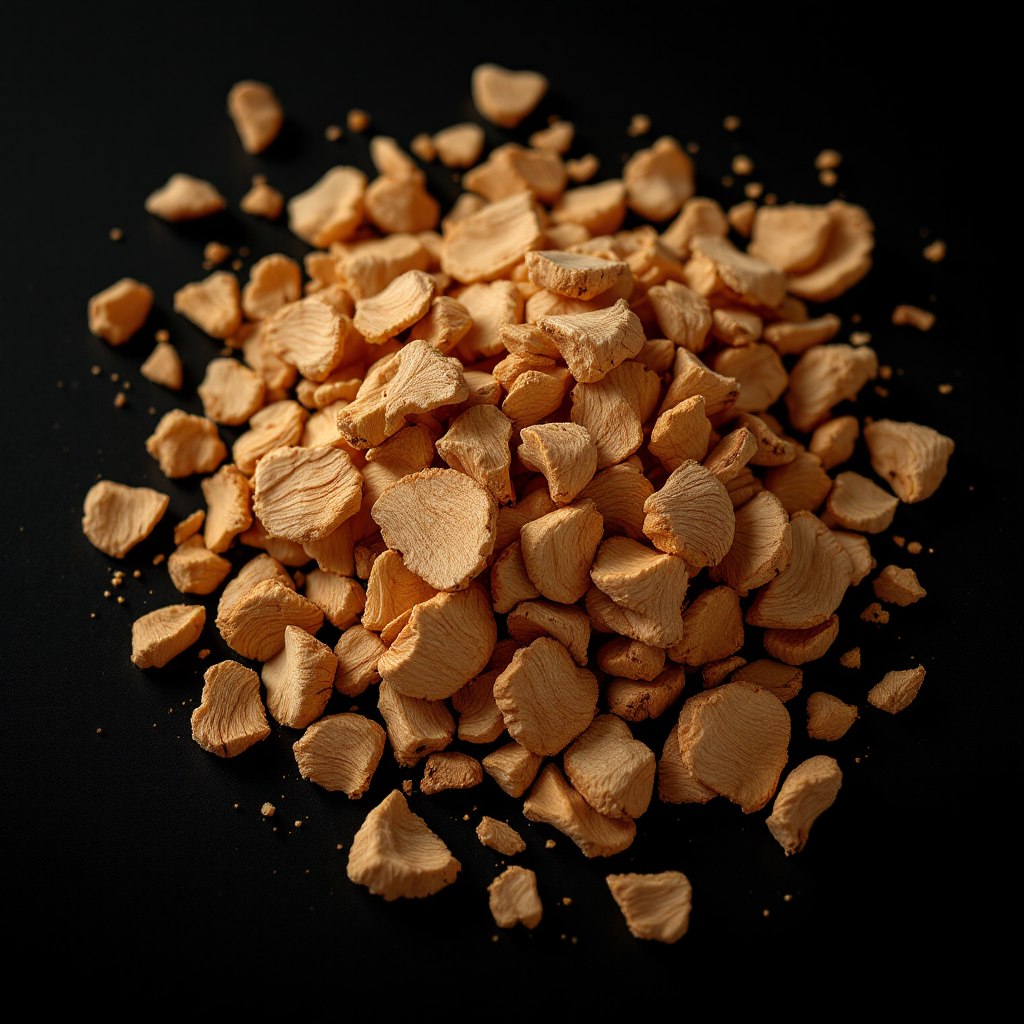
Pencil Shaving
The sharp, nostalgic scent of freshly sharpened cedar. What millions recognize from classrooms and drafting tables is actually the aroma of shaved cedarwood, the same material used in fine pencil manufacturing.
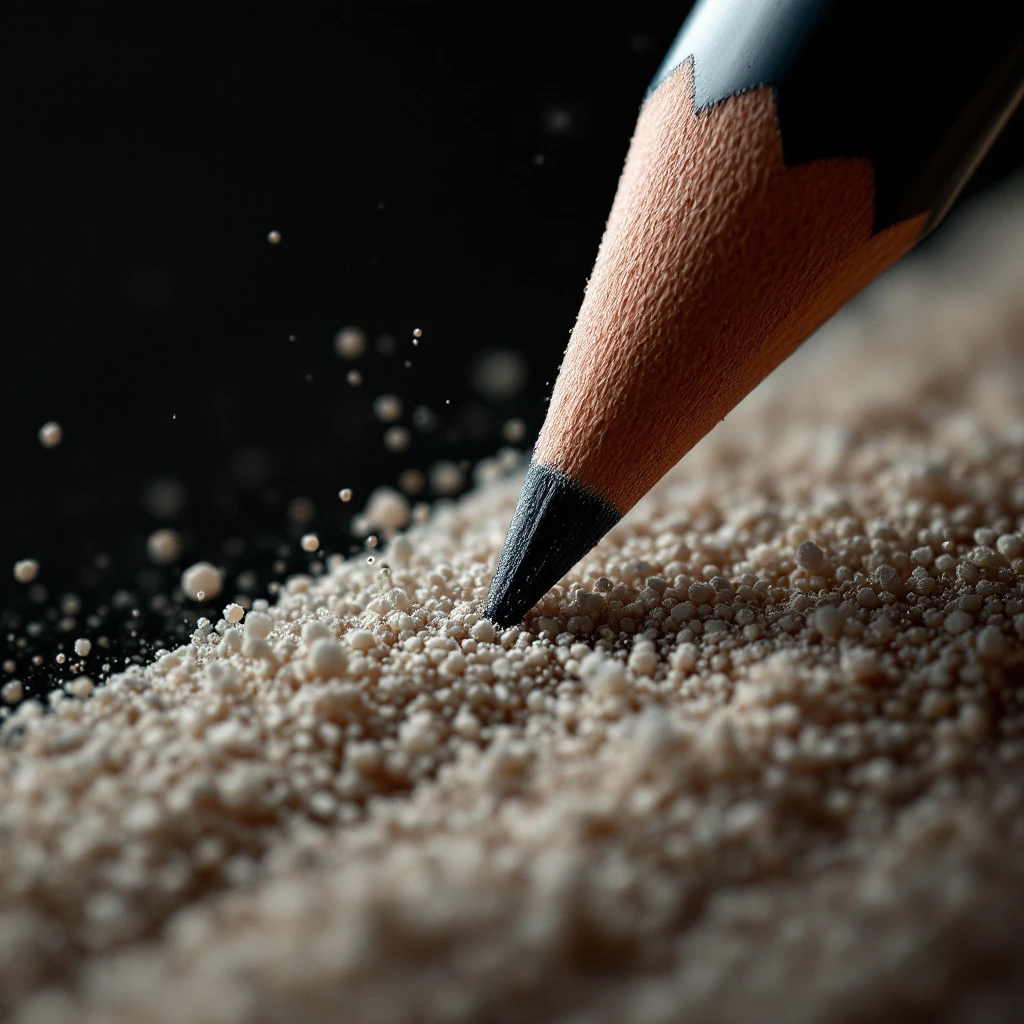
Character
How it smells
Classroom memories, bottled in cedar
In 2018, Swiss pencil maker Caran d'Ache partnered with perfumer Alberto Morillas to create pencils pre-infused with fragrance, reversing the usual perfume-to-pencil relationship.
Origin
United States
Cedarwood has shaped human culture far beyond fragrance. Ancient Egyptians used cedar oil in mummification and religious ceremonies, valuing its preservation properties. The modern pencil industry emerged in the 16th century when Conrad Gesner described graphite encased in wood, but it was Nicolas-Jacques Conte who in 1795 developed the graphite-clay mixture that enabled mass production of consistent pencils. He sourced cedar from California and North Carolina forests, establishing a supply chain that persists today.
The unique aromatic quality of cedar shavings became an unexpected byproduct of pencil manufacturing. Generations of students, architects, and artists developed an unconscious association between the scent and focused creative work. This cultural embeddedness explains why pencil shavings remain one of the most universally recognized fragrance notes, despite never existing as a standalone ingredient until modern perfumery recreated it from cedarwood oil.
Wears it best
Fragrances featuring Pencil Shaving
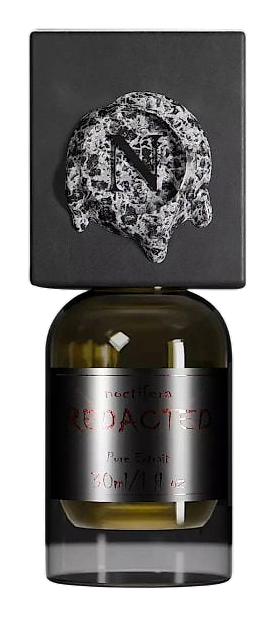
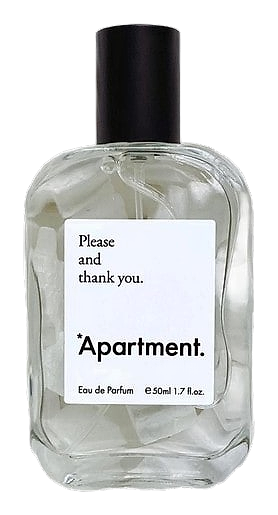
Brands
Brands known for Pencil Shaving
Good to know
Questions, answered
The essentials on Pencil Shaving in perfumery: how it smells, where it comes from, and how it behaves on skin.
Is pencil shaving a natural or synthetic ingredient?
Pencil shavings as a fragrance note comes from cedarwood oil, which can be either natural or synthetic. Natural cedarwood oil is extracted via steam distillation from juniper species. Most modern pencil shaving accords are synthetic recreations targeting the same cedar compounds like cedrol and thujopsene found in natural oil.
Why does a pencil smell like cedar?
Most quality pencils are made from incense cedar (Calocedrus decurrens), a species native to California and Oregon. This wood's straight grain, machinability, and aromatic qualities made it the industry standard since the 1790s. When sharpened, the shavings release volatile aromatic compounds naturally present in the wood.
What cedar compounds create the pencil shaving smell?
The characteristic scent comes from sesquiterpenes, primarily cedrol, atlantone, and thujopsene. Cedrol contributes the dry, pencil-shaving nuance that perfumers specifically seek. The combination of these compounds at specific ratios creates the recognizable classroom nostalgia note.
When did perfumers start using pencil shavings as a fragrance note?
Pencil shavings became a recognized fragrance note in the late 20th century as perfumers began recreating familiar everyday scents. The note gained prominence through woody, aromatic, and gender-neutral fragrances that sought to evoke clean, precise, and intellectual atmospheres.
Which fragrances feature pencil shaving notes prominently?
Pencil shaving notes appear in fragrances like Mizensir Alps de Carton d'Ache (directly inspired by the collaboration), various woody aromatic fragrances, and masculine fine fragrances. The note typically combines with other wood, paper, or aromatic elements to enhance its characteristic sharpness.
Can I extract fragrance from actual pencil shavings?
You can attempt steam distillation of cedar pencil shavings, but the yield and quality will be low. Commercial pencil shavings often come from treated or painted pencils, making them unsuitable for natural extraction. Sourcing pure cedarwood chips or oil from specialty suppliers produces better results.
How does pencil shaving scent differ from standard cedarwood?
Pencil shaving scent emphasizes the sharp, dry, slightly papery top note that fresh shavings release. Standard cedarwood essential oil often has deeper, more resinous qualities from longer distillation. The pencil shaving note captures that immediate, bright cedar character before it settles into base wood tones.
What other ingredients pair well with pencil shavings in perfumery?
Pencil shavings pairs well with paper, birch, dry vetiver,iso E Super, and aldehydic notes. These combinations reinforce the clean, intellectual, and precise character. It also works with lavender and other aromatics to create the classic drafting table atmosphere.