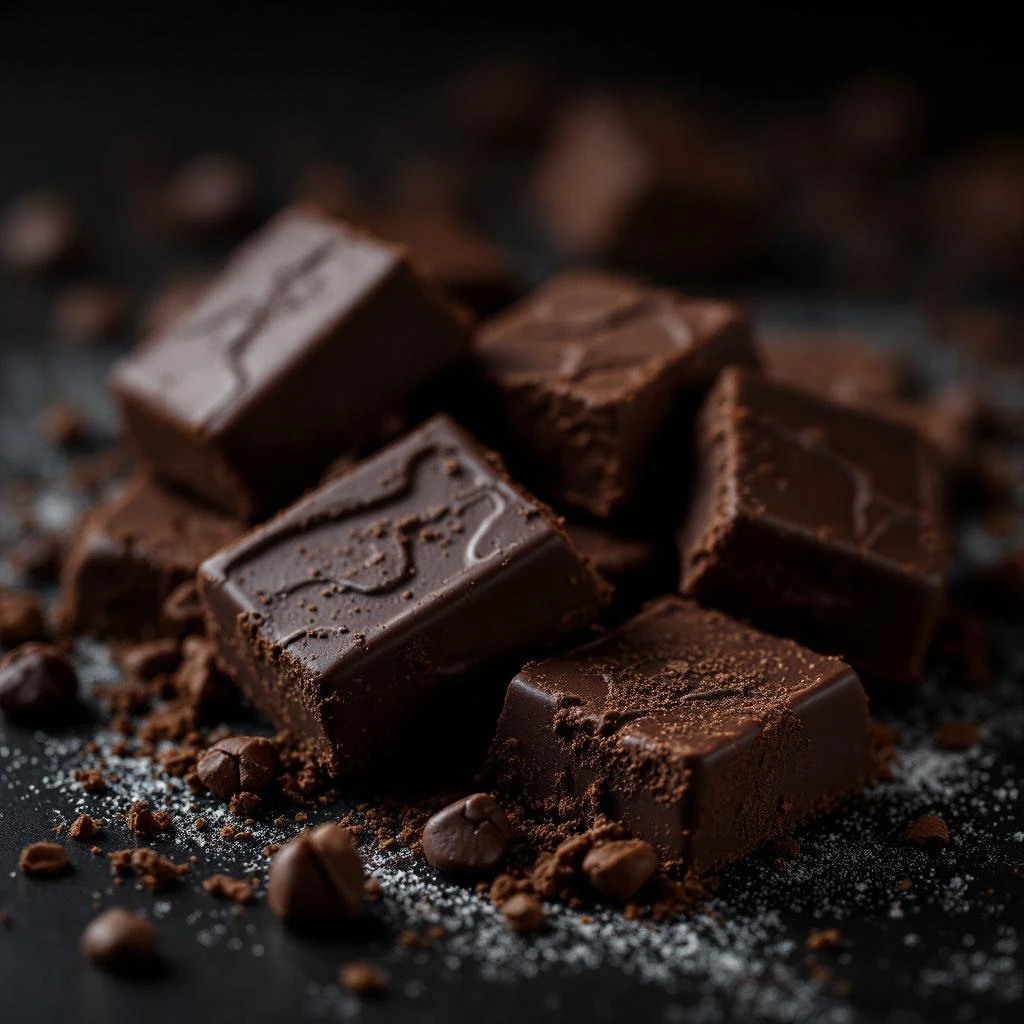
Peaty Whisky
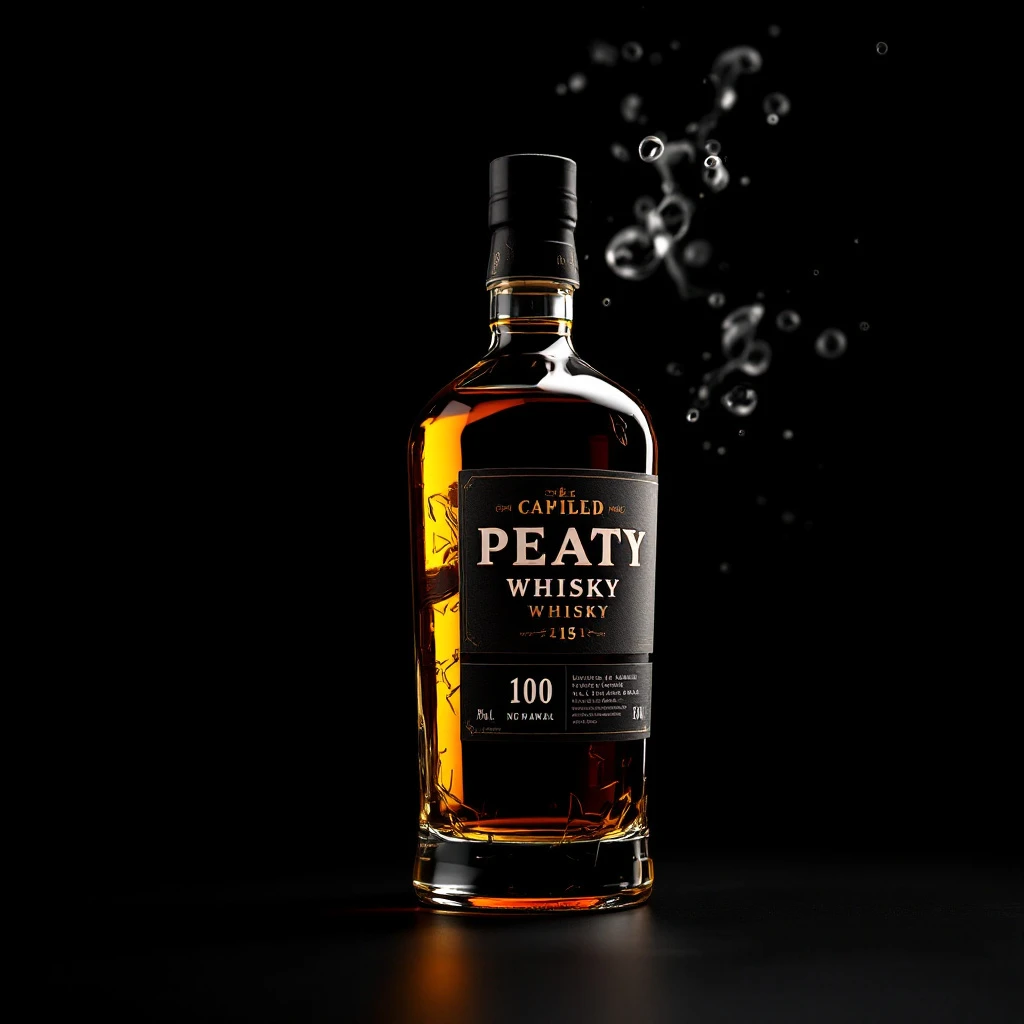
Peaty whisky captures the ancient, earthy essence of Scottish moors. Smoke from burning peat intertwines with malted barley, creating a rugged, smoky depth that evokes distant fires and windswept landscapes.
Character
How it smells
Moorland smoke in a bottle
Peat smoke releases guaiacol and other phenolic compounds that bind to barley kernels, creating the signature smoky character.




Origin
Scotland
Peat has served as a fuel source in Scotland since early inhabitants began distilling spirits from barley. Without access to forests for timber, Highlanders turned to the abundant bogs that blanket much of the Scottish landscape. Burning peat to dry malted barley became standard practice by the 1700s, and distillers noticed their spirits carried a distinctive smoky quality.
This flavor became intertwined with regional identity, particularly in the Hebridean islands where peated whisky developed a devoted following. Approximately 80% of Scotch whisky production still involves peat during malting. The compounds released by combustion left an indelible mark on both spirit-making and perfumery traditions.
Today, perfumers continue drawing inspiration from this ancient practice, translating the sensory memory of island distilleries into fragrance compositions that evoke smoke, earth, and heritage.
Wears it best
Fragrances featuring Peaty Whisky
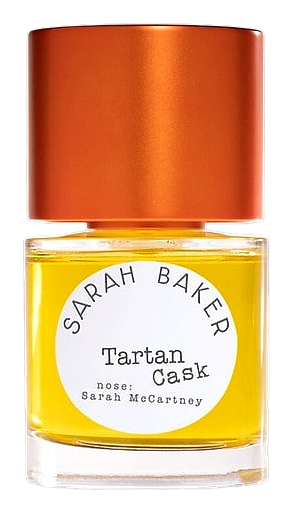
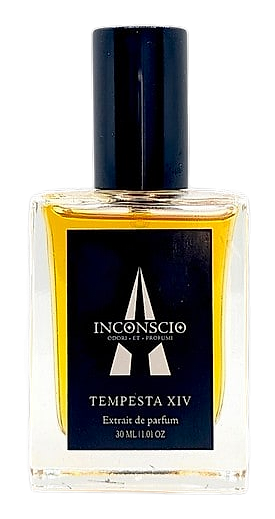
Brands
Brands known for Peaty Whisky
Good to know
Questions, answered
The essentials on Peaty Whisky in perfumery: how it smells, where it comes from, and how it behaves on skin.
What does peaty whisky smell like?
Peaty whisky carries a distinctive smoky, earthy character. The phenolic compounds from burning peat create notes reminiscent of wood smoke, damp earth, and a subtle medicinal quality. Some varieties also reveal hints of iodine and sea air, particularly those from coastal distilleries.
Is peaty whisky a natural or synthetic note in perfumery?
Peaty whisky exists in both natural and synthetic forms. Natural versions derive from actual peated malt extracts obtained through traditional malting and extraction processes. Synthetic versions recreate key compounds like guaiacol and cresol in laboratories. Many perfumers prefer natural extracts for their complexity.
How does peat create its distinctive aroma?
Peat releases guaiacol and related phenolic compounds when burned. These volatiles attach to barley kernels during the kilning process, infusing the grain with their character. Different peat compositions and burn temperatures yield varying aromatic profiles across whisky-producing regions.
Which countries produce peaty whisky for perfumery?
Scotland dominates production, especially regions like Islay and Speyside. Irish and Japanese distilleries also produce peaty styles with distinct regional signatures. Scottish peat remains the primary source material for perfumery applications due to its established tradition and consistent chemistry.
What fragrance families pair well with peaty whisky notes?
Peaty whisky integrates naturally with woody and oriental fragrance families. It pairs well with vetiver, cedar, and sandalwood bases while complementing amber, vanilla, and warm spices like cinnamon. Leather and tobacco notes also create compelling combinations with this smoky element.
How much peaty whisky concentrate typically appears in a fragrance?
Peaty whisky concentrate usually appears as an accent rather than a dominant note, typically comprising 1-5% of a fragrance formula. Its intensity allows small amounts to make an impact. Perfumers calibrate concentrations carefully to achieve the desired effect without overwhelming companion ingredients.
What role does peat source play in aromatic quality?
Peat composition varies based on the plants that formed it, including heather, moss, and sedge. Different botanical origins produce distinct aromatic profiles. Scottish peat from various bogs yields noticeably different characteristics, much like terroir influences wine.
Can peaty whisky notes work in summer fragrances?
Peaty whisky can function in warm-weather fragrances when used judiciously. Pairing it with citrus, marine, or green notes creates contrast against the smoke. Lighter concentrations and careful blending allow this rugged note to appear in seasonal compositions without heaviness.