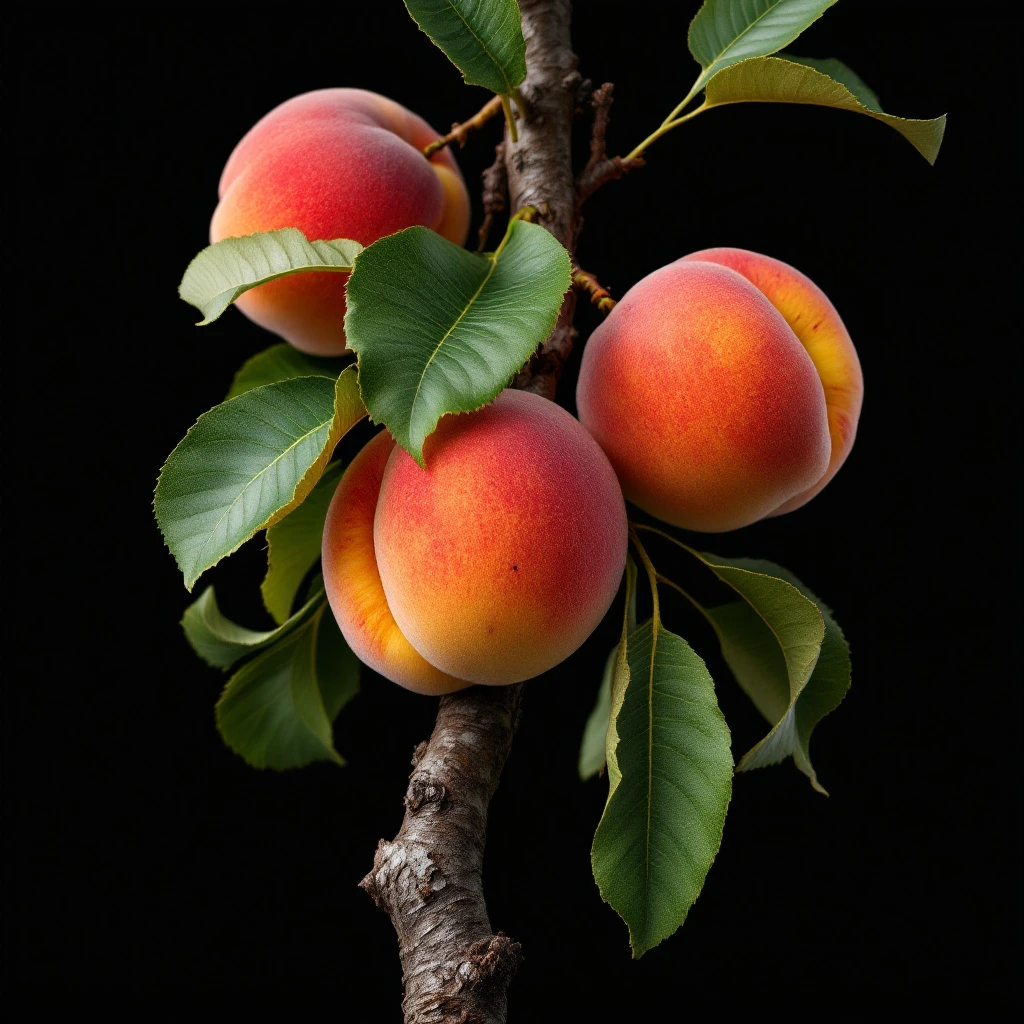
Peach Tree
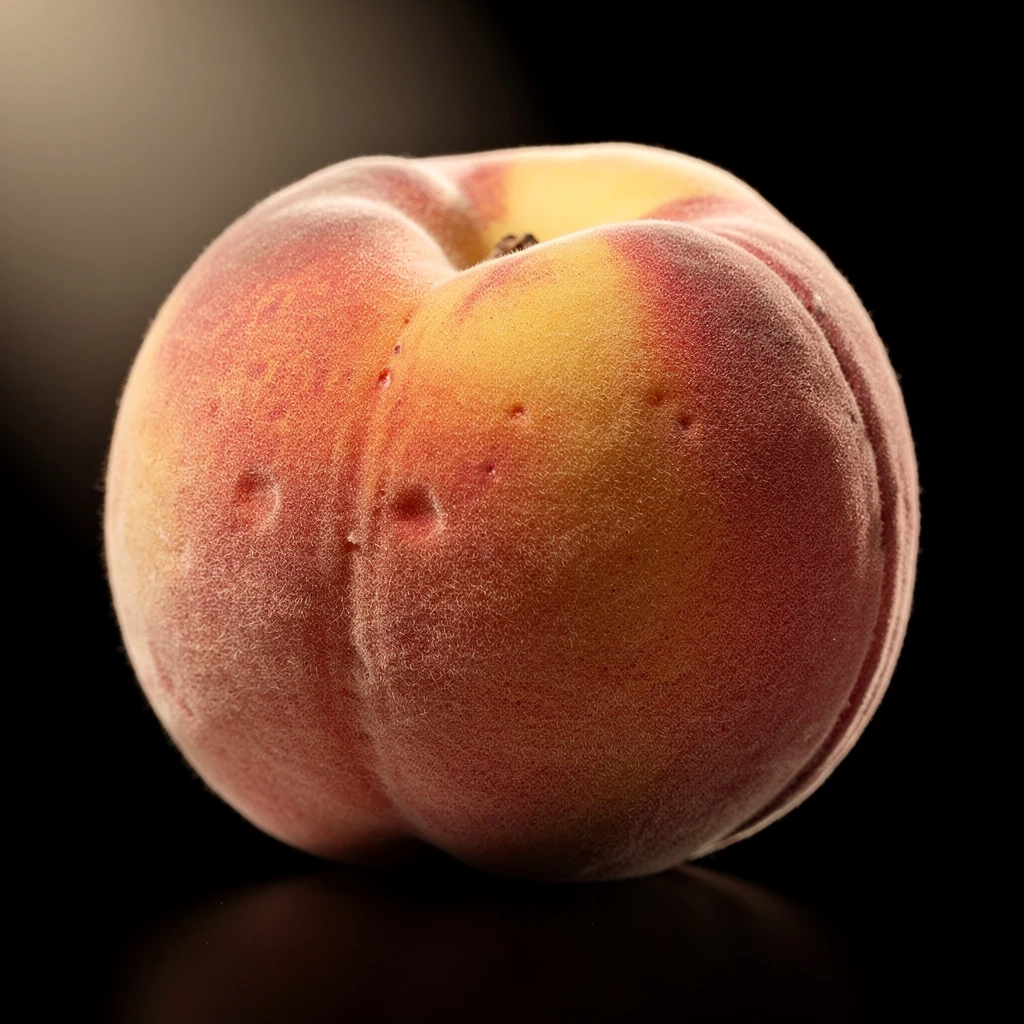
Peach brings sun-drenched sweetness to perfumery, but this beloved fruit never appears as a true extract. Modern perfumers recreate its fleeting aroma through synthetic chemistry, capturing the velvety, slightly tart essence that has enchanted cultures for millennia.
Character
How it smells
A fruit you smell but never truly extract.
No commercial peach essential oil exists. Perfumers rely entirely on lab-created molecules like gamma-decalactone to capture peach's signature scent.




Origin
China
The peach tree originated in Zhejiang province, Eastern China, where it was revered for over four thousand years before spreading along the Silk Road westward. In Chinese culture, the peach symbolized immortality and longevity; the legendary Peaches of Immortality granted eternal life to those who consumed them.
Buddhist missionaries carried the tree to Persia, and Alexander the Great reportedly introduced it to Greece. Roman writers documented the fruit by the first century CE, praising its velvety skin and succulent flesh.
The tree adapted readily to Mediterranean climates and eventually reached every temperate growing region on Earth. While peach occupied a sacred place in art, poetry, and medicine across Asia and Europe, perfumery only learned to evoke its scent in the twentieth century through synthetic chemistry.
Wears it best
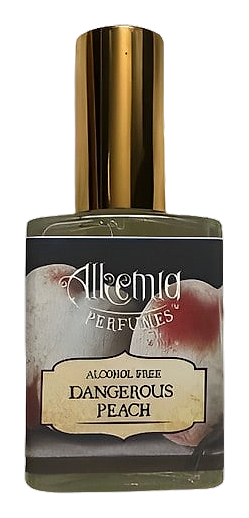
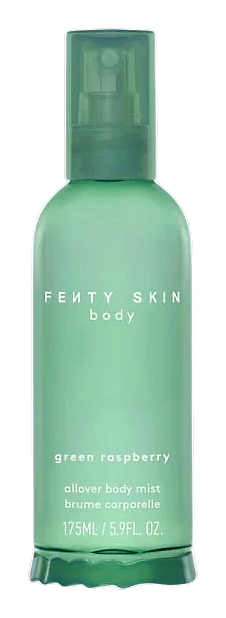
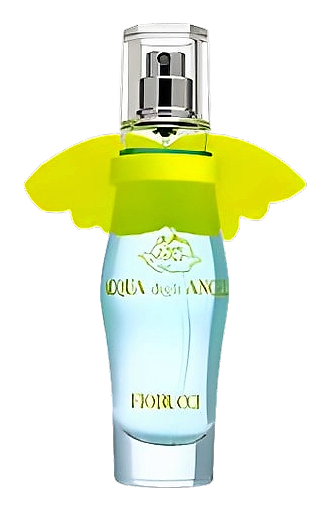
Fragrances featuring Peach Tree
Brands
Brands known for Peach Tree
Good to know
Questions, answered
The essentials on Peach Tree in perfumery: how it smells, where it comes from, and how it behaves on skin.
Can you extract fragrance directly from fresh peaches?
No. Peach fruit contains roughly 87% water, and its aromatic compounds are too volatile and unstable for any commercial extraction method. Steam distillation and solvent extraction both fail to capture the scent effectively.
How do perfumers create peach fragrance then?
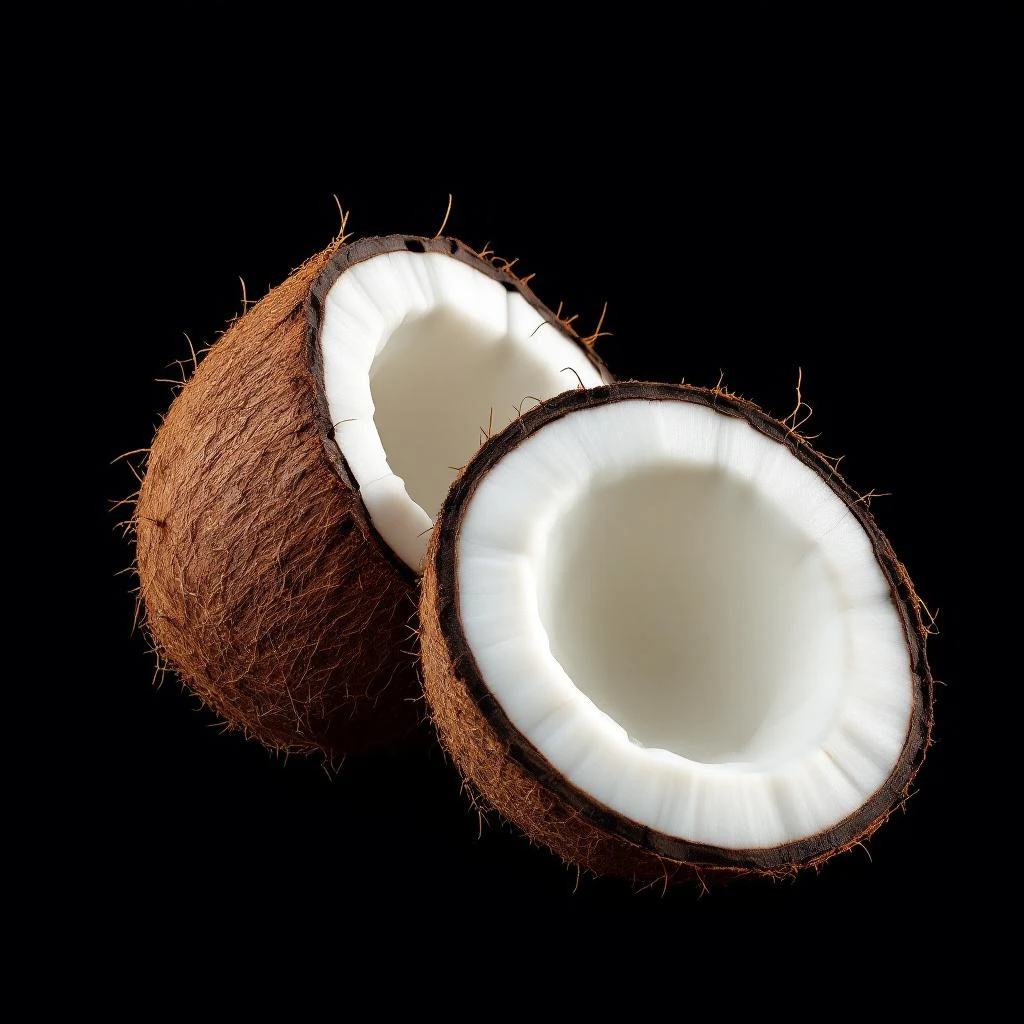
They use synthetic aromatic lactones, primarily gamma-decalactone, combined with supporting molecules like aldehydes and esters. These compounds are synthesized from natural fatty acids derived from coconut or palm kernel oils.
What does synthetic peach smell like?
A well-crafted peach accord smells velvety, slightly tart, and warmly sweet with creamy undertones reminiscent of overripe fruit. It reads as distinctly fruity without the sharpness of citrus or the greenness of apple.
Is synthetic peach safe to use in perfume?
Yes. Gamma-decalactone and related compounds are approved for cosmetic use by regulatory bodies worldwide. IFRA compliance guidelines govern maximum concentrations in finished fragrances.
Which fragrance families commonly use peach?
Peach appears frequently in fruity, floral, and chypre compositions. It works particularly well with aldehydic florals, musks, and light woods like sandalwood. Peachy fragrances often target spring and summer wear.
When did synthetic peach enter perfumery?
The commercial synthesis of gamma-decalactone became viable in the mid-twentieth century, following advances in organic chemistry that also enabled other fruity lactones like gamma-undecalactone (apricot) and delta-decalactone (coconut).
Does peach work in men's or women's fragrances?
Modern perfumery treats peach as a gender-neutral note. It appears in masculine fragrances as a bright top note balanced by woody or aromatic bases, and in feminine compositions as part of lush floral fruity constructions.
Why do peaches smell different at different ripeness stages?
Unripe peaches produce more aldehydes and green-smelling compounds, while ripe fruit develops higher concentrations of lactones and esters that contribute the creamy, sweet character. This is why some peach fragrances lean green and others warm and velvety.