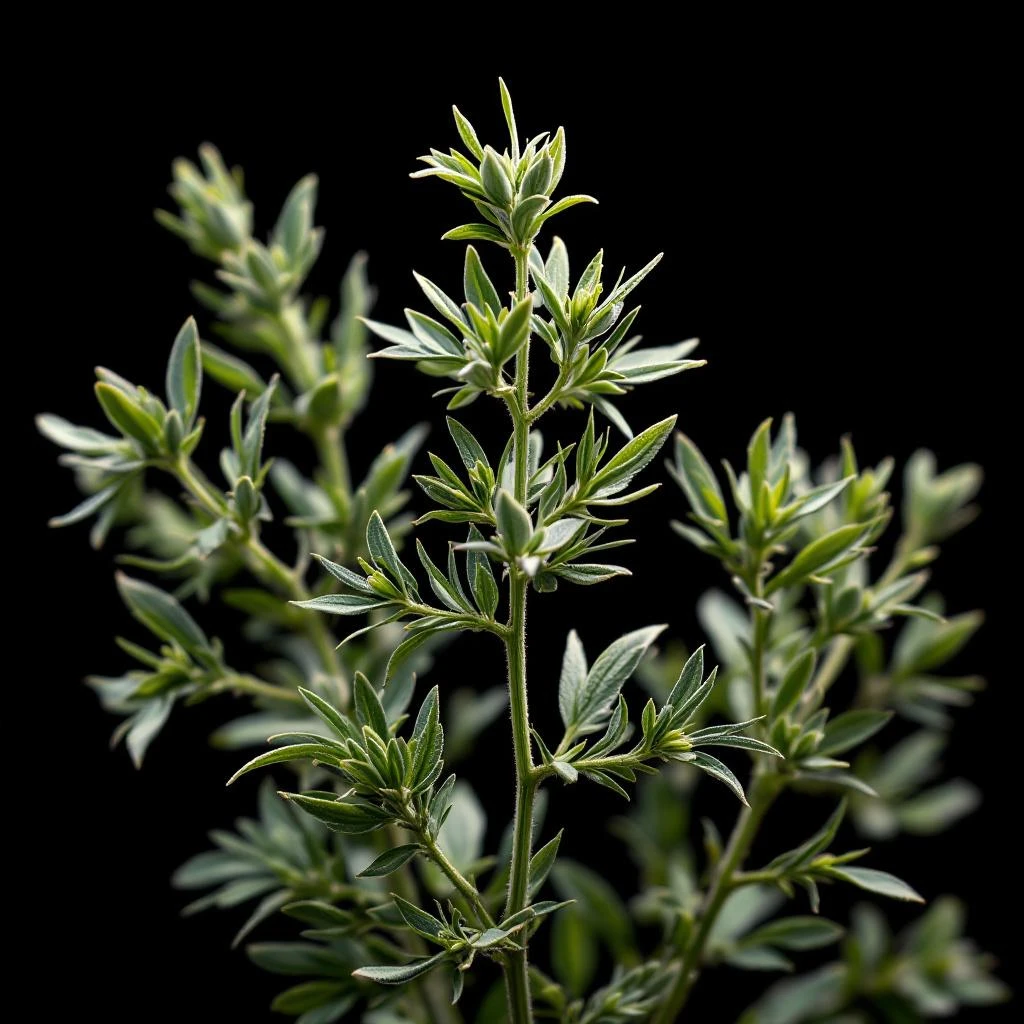
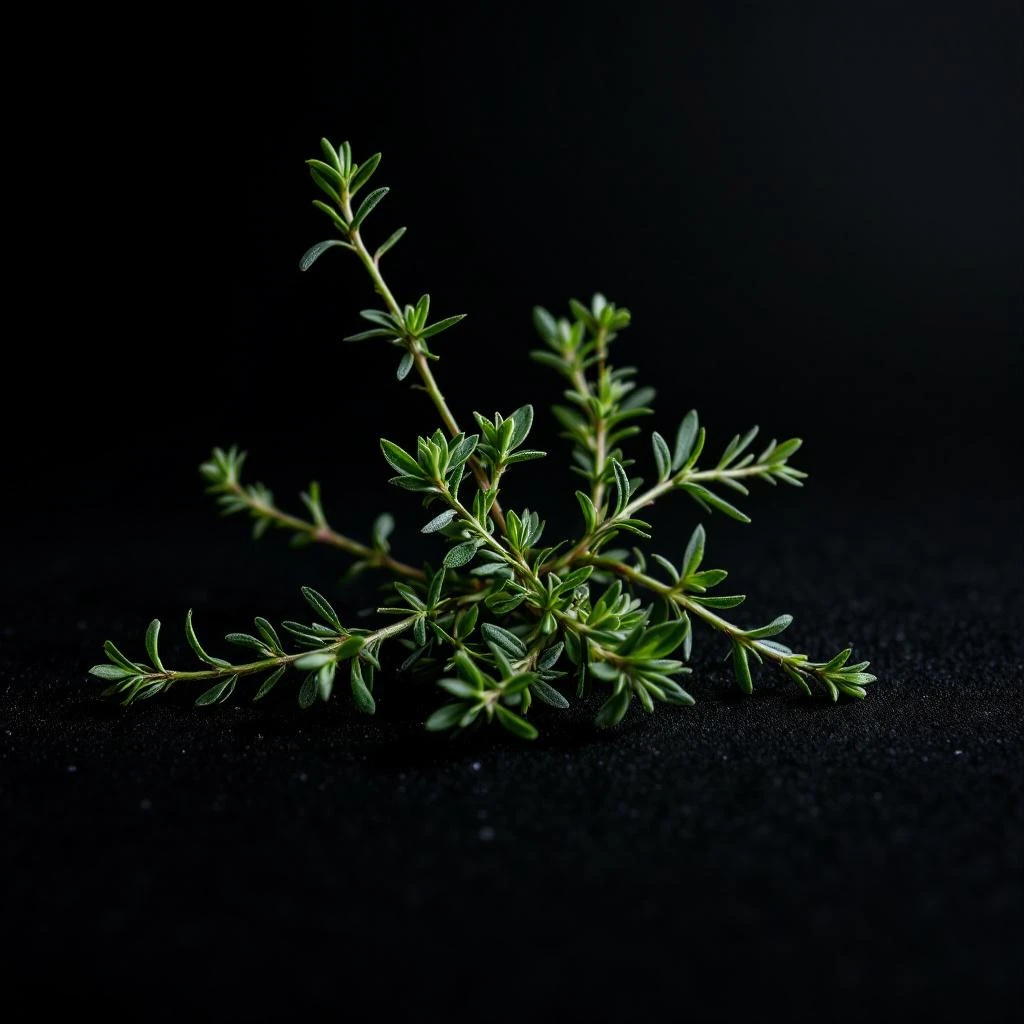
Parsnip
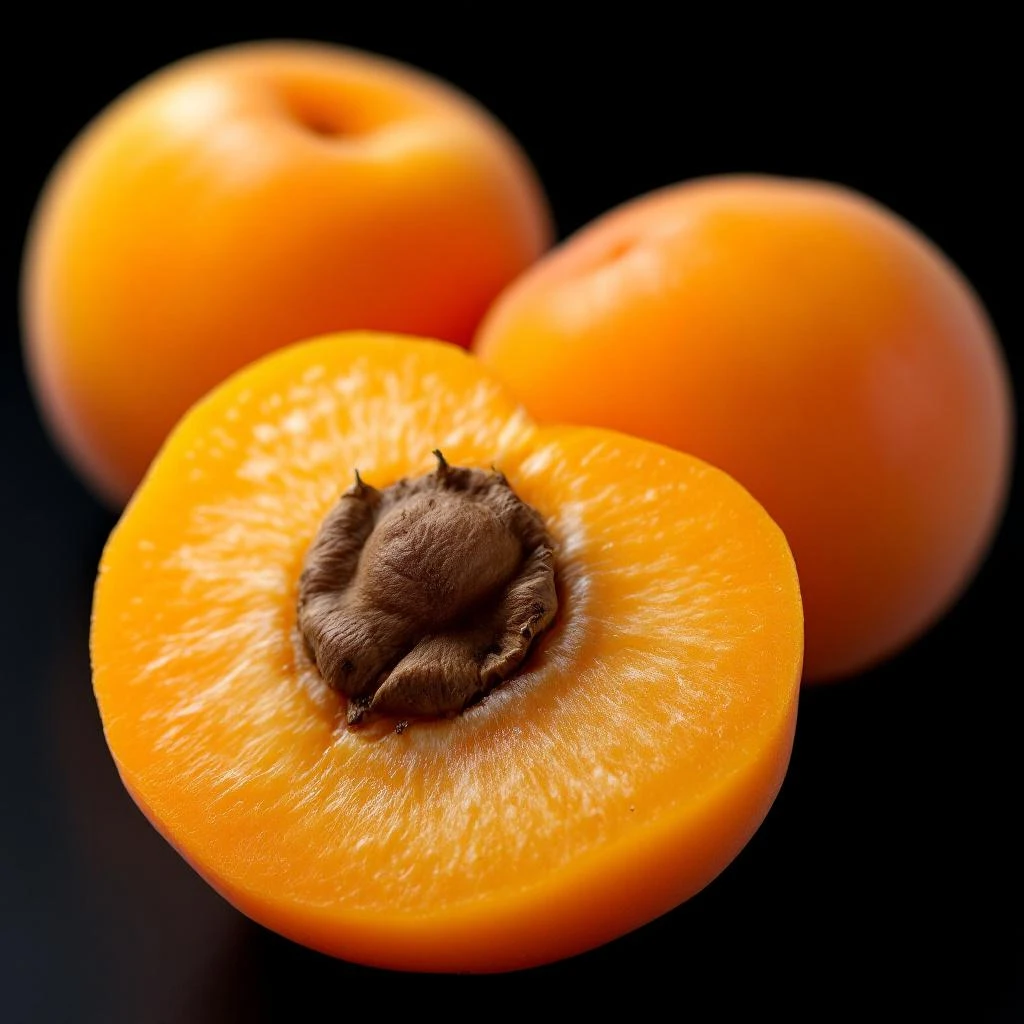
A rare earthy-sweet aroma from theApiaceae family. Parsnip root offers warm, musky undertones that add unexpected depth to fragrance compositions, particularly in green and autumnal accords.
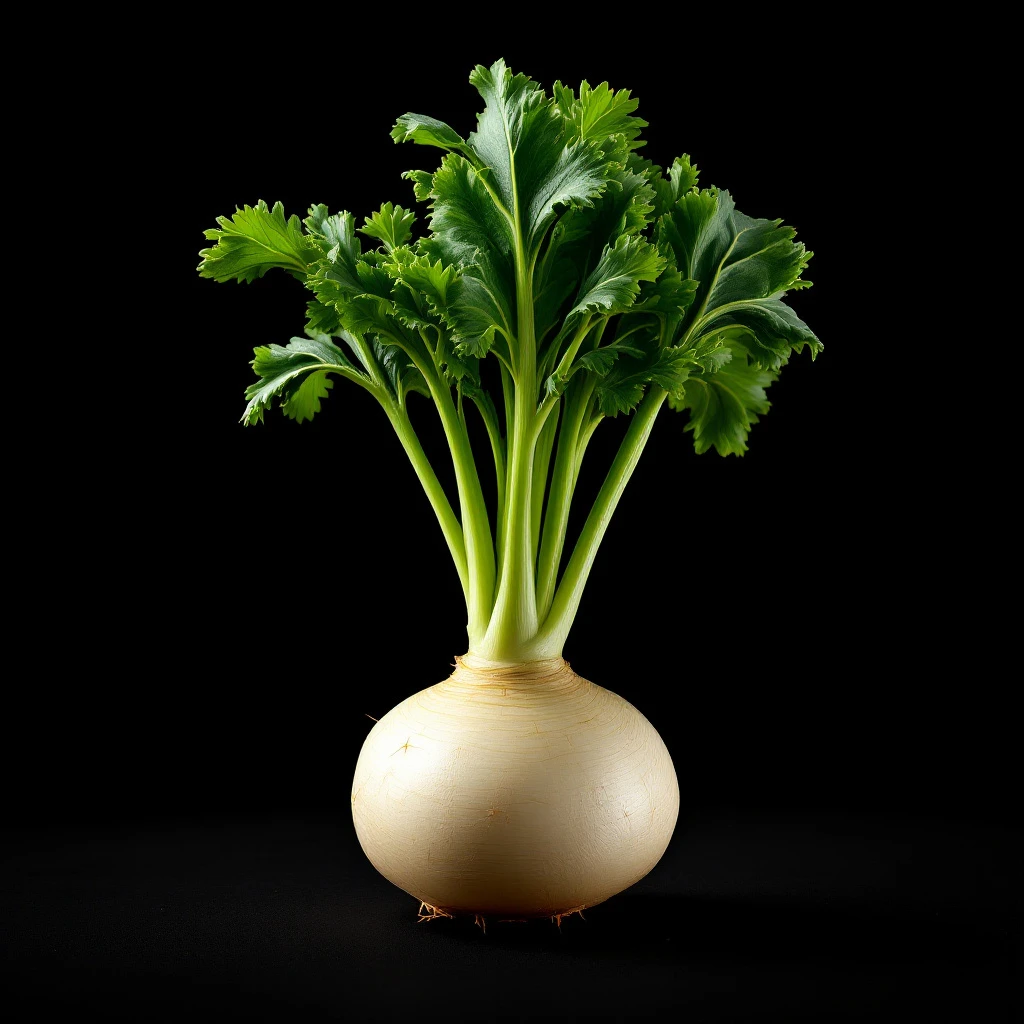
Character
How it smells
Rare earthy sweetness from root to bottle.
The wild ancestor of cultivated parsnip grew on the rocky steppes of southeastern Europe and Central Asia centuries before domestication.





Origin
Mediterranean/Europe
Parsnip cultivation dates back at least 5,000 years to the Mediterranean region, where ancient peoples harvested it as a staple root vegetable alongside other Apiaceae family members. Roman texts mention parsnip preparations for both culinary and medicinal purposes, though perfumery applications came much later. During the Renaissance, European herbalists occasionally used parsnip preparations in early aromatic preparations, though it never gained the prominence of other botanicals.
The gradual shift toward petroleum-based aroma chemicals in the 20th century further marginalized natural root extracts. Today, interest in unusual botanical materials has sparked occasional experimental use of parsnip-derived materials among natural perfumers seeking distinctive green-earth accords.
Wears it best
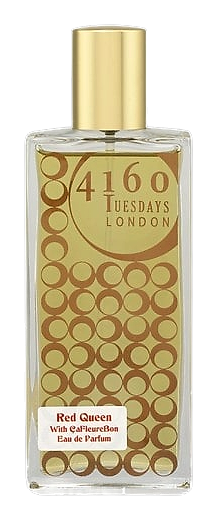
Fragrances featuring Parsnip
Brands
Brands known for Parsnip
Good to know
Questions, answered
The essentials on Parsnip in perfumery: how it smells, where it comes from, and how it behaves on skin.
Is parsnip commonly used in commercial perfumes?
No. Parsnip remains one of the rarest botanical ingredients in perfumery, appearing only in small-batch natural fragrances or experimental compositions seeking unusual green-earth accords.
What does parsnip smell like in fragrance?
The root delivers earthy, warm, slightly sweet aroma with musky undertones. It shares aromatic kinship with carrot and parsley family botanicals but with deeper, more resonant qualities.
How is parsnip root processed for fragrance use?
Steam distillation extracts the aromatic compounds from freshly harvested or briefly dried roots. Processing occurs within 24-48 hours of harvest to preserve volatile aromatic molecules.
Where does commercial parsnip fragrance material originate?
Specialty botanical extraction operations in Central Europe produce the majority of available material, typically working directly with root vegetable growers.
Is parsnip considered a natural perfume ingredient?
Yes. When used, it appears as a distilled essential oil from the root of Pastinaca sativa, making it a fully natural botanical material in perfumery contexts.
What fragrance families pair well with parsnip?
The earthy profile complements green, chypre, and woody compositions. It works alongside vetiver, cedar, angelica root, and other earth-forward ingredients.
Does parsnip contain any notable chemical compounds?
The root contains various terpene compounds and furanocoumarins characteristic of the Apiaceae family, though specific aromatic profiles vary by cultivation conditions.
Why is parsnip so rare in perfumery?
Low oil yield, rapid degradation of aromatic compounds post-harvest, and competition from more established root materials like vetiver have limited its commercial fragrance applications.