Pan Dulce
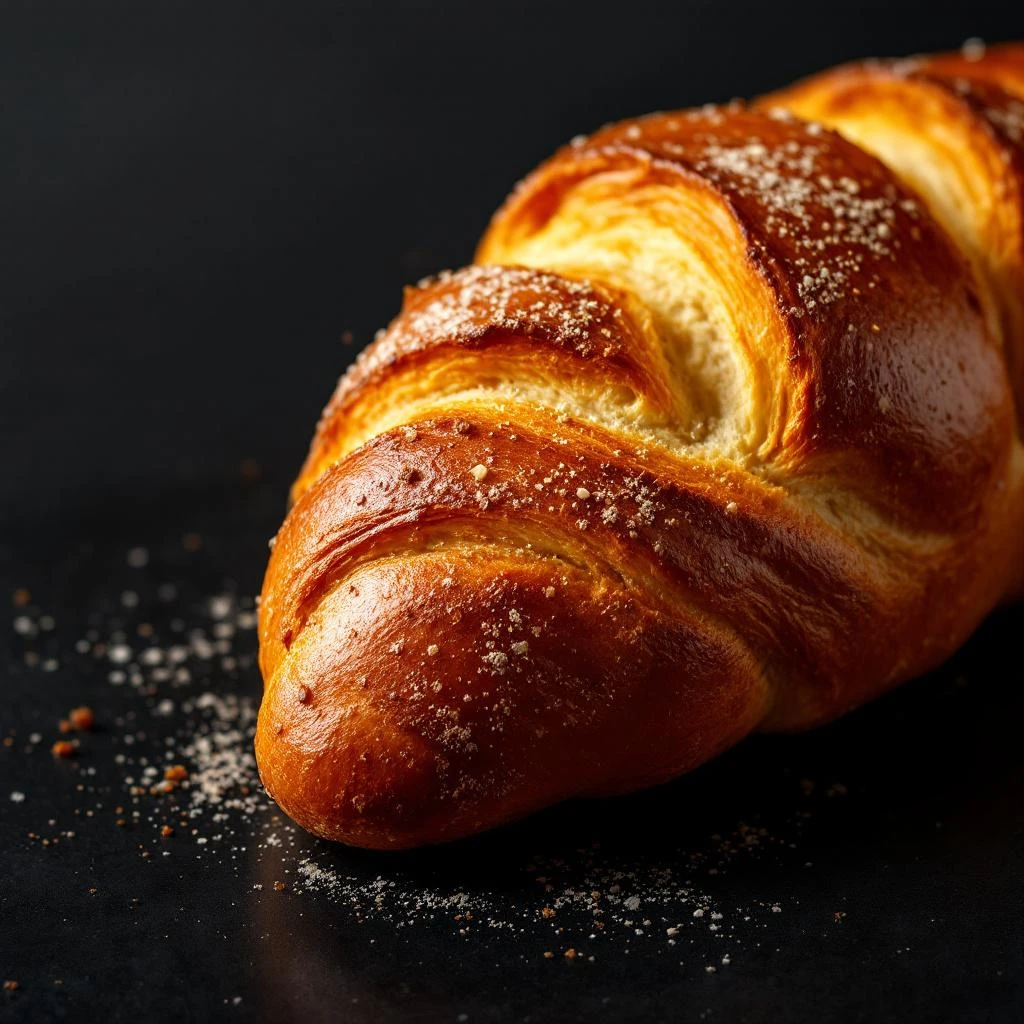
Pan dulce translates to sweet bread, the beloved Mexican pastry tradition born from colonial-era wheat and Indigenous ingredients. In perfumery, it captures warm baked notes, vanilla sugar, and toasted butter for gourmand compositions.
Character
How it smells
Warm sugar, fresh-baked comfort
Pan dulce as a perfumery note draws from a bread tradition shaped by two separate French invasions of Mexico, blending Old World baking with native cacao and vanilla.
Pairs beautifully with

Origin
Mexico
Pan dulce originated in Mexico during the colonial period after Spanish conquistadors introduced wheat in the 16th century. Indigenous bakers adapted European bread techniques using native ingredients like vanilla and cacao, developing distinct regional styles over generations.
The bread evolved further through two French interventions: the 1860s pastry chefs who arrived during the French intervention under Emperor Maximilian brought brioche-like techniques, and later waves of French-influenced baking refined laminated doughs and enriched recipes. Classic varieties include conchas (with their sugar-crusted shell patterns), orejas, and cuernitos.
In perfumery, the pan dulce concept emerged alongside the gourmand fragrance movement of the 1990s, when compositions like Thierry Mugler's Angel introduced edible, dessert-like accords to mainstream perfumery. Pan dulce as a note draws on this tradition while referencing specific Mexican bakery culture, giving perfumers a cultural anchor for warm, sweet compositions that feel rooted in a particular place and history rather than generic sweetness.
Wears it best
Fragrances featuring Pan Dulce
Brands
Brands known for Pan Dulce
Good to know
Questions, answered
The essentials on Pan Dulce in perfumery: how it smells, where it comes from, and how it behaves on skin.
What does pan dulce smell like in perfume?
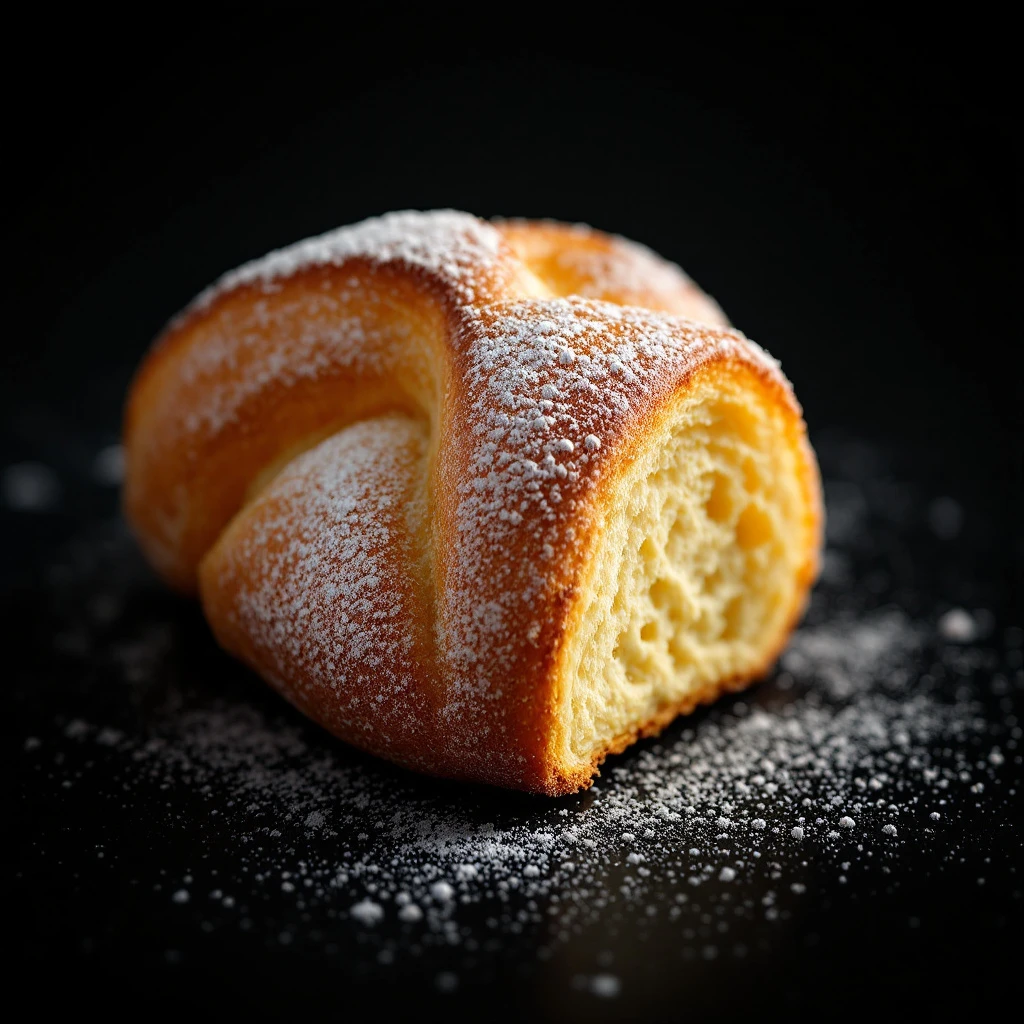
Pan dulce in perfumery smells like warm baked bread with vanilla sugar, toasted butter, and a caramelized crust. The accord typically combines vanillin, coumarin, and Maillard-browning molecules to recreate the comfort of a Mexican bakery at dawn.
Is pan dulce a natural or synthetic fragrance ingredient?
Pan dulce exists as a constructed fragrance accord rather than a single natural extract. Perfumers blend vanillin, coumarin, and other aroma molecules to recreate the scent, since distilling actual baked goods is impractical for stable commercial compositions.
Where does pan dulce originate?
Pan dulce originated in Mexico during the colonial period after Spanish settlers introduced wheat. Indigenous bakers adapted European bread techniques using native vanilla and cacao, shaping the sweet bread traditions still central to Mexican cuisine today.
What fragrance family does pan dulce belong to?
Pan dulce belongs to the gourmand fragrance family, which emerged in the 1990s with compositions like Thierry Mugler's Angel. Gourmand notes evoke edible, dessert-like qualities, and pan dulce fits squarely within that warm, sweet, food-inspired category.
What other notes pair well with pan dulce?
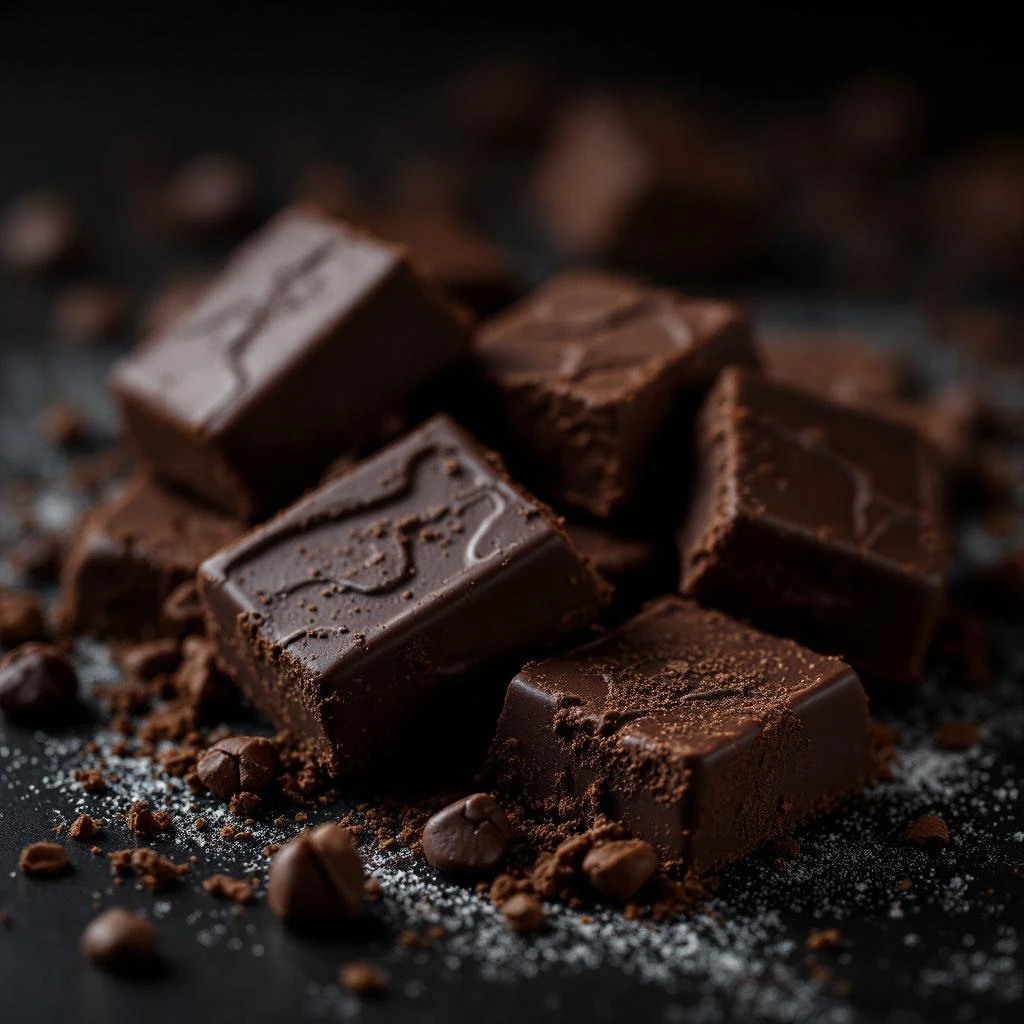
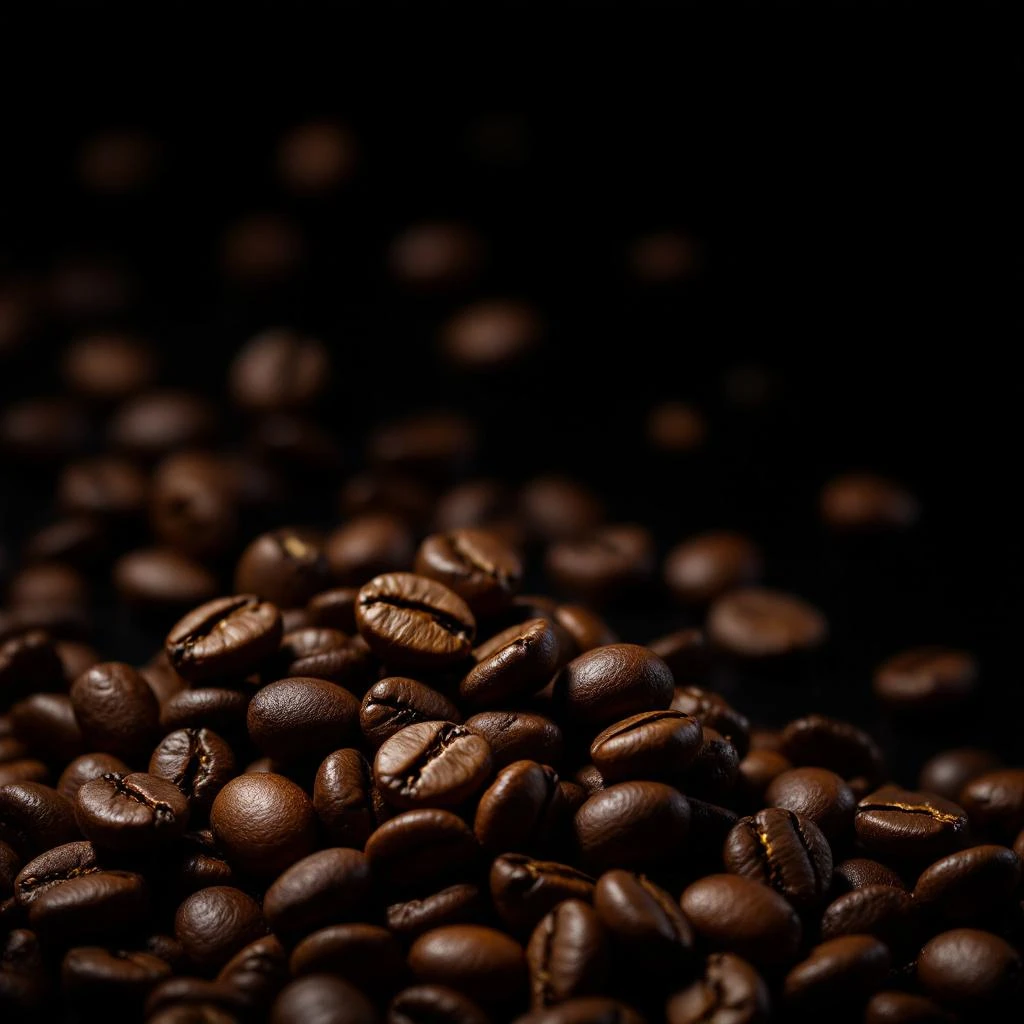
Pan dulce pairs naturally with vanilla, cocoa, cinnamon, and coffee notes. It also complements amber bases, tonka bean, and warm spices like cardamom, building layered gourmand compositions that feel like a bakery interior at morning service.
Can pan dulce be extracted naturally?
Pan dulce cannot be practically extracted from actual baked bread. Perfumery versions rely on reconstructed accords using synthetic and natural aroma molecules, drawing partly from vanilla absolute and cocoa absolute to suggest the authentic pastry character.
What is a concha in pan dulce?
A concha is one of the most recognized pan dulce varieties, a round sweet bread topped with a sugary crust scored to resemble a seashell. Its vanilla-rich flavor and buttery crumb make it a frequent reference point in pan dulce fragrance accords.
Why is pan dulce popular in gourmand perfumery?
Pan dulce offers perfumers cultural specificity within the gourmand category. Rather than generic sweetness, it evokes Mexican bakery traditions, giving warm, edible-scent compositions a sense of place, history, and artisanal craft that resonates with contemporary fragrance audiences.