Pakalana Blossom
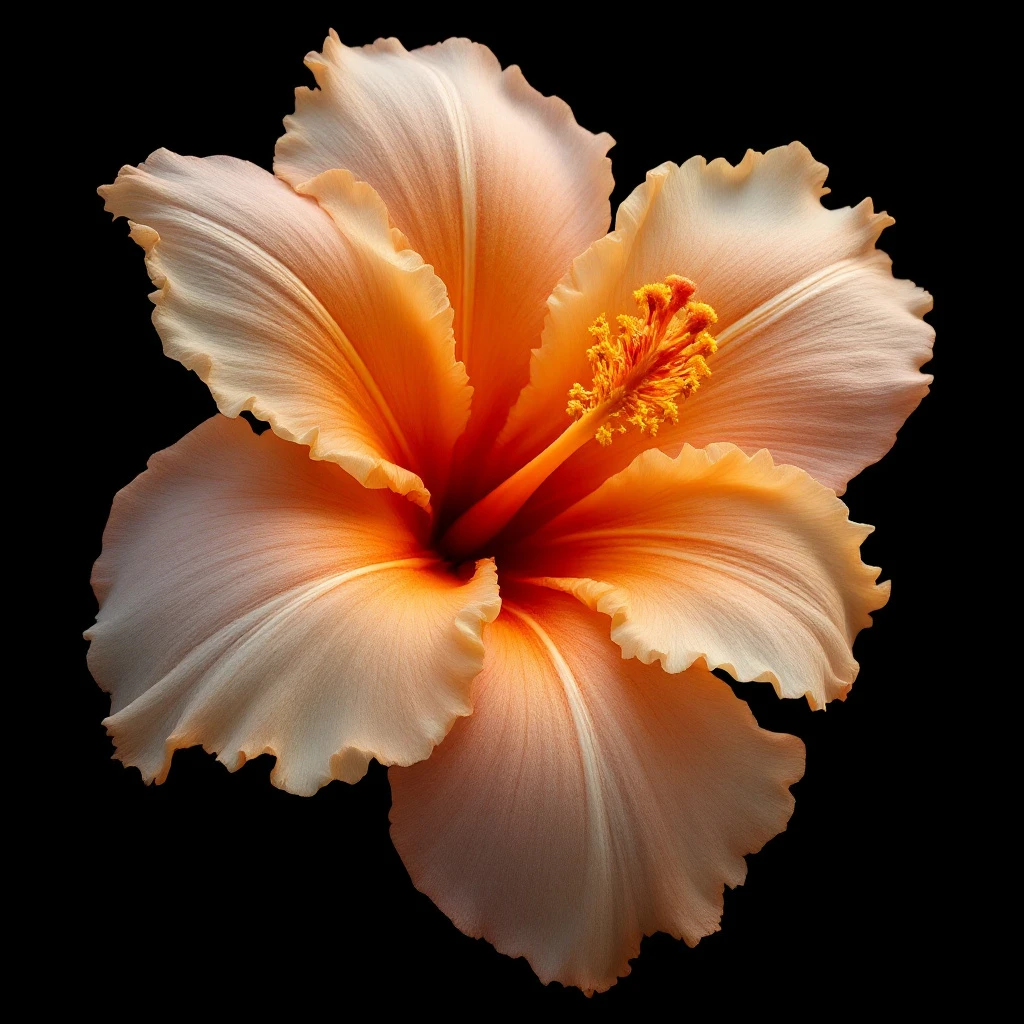
Pakalana blossom, a tropical night-blooming flower from Southeast Asia, releases a rich, jasmine-like sweetness with green undertones. Used sparingly in fine perfumery, it adds creamy depth to floral compositions.
Character
How it smells
Creamy tropical floral with green depth.
The flowers intensify their fragrance after sunset, releasing volatile compounds that attract nocturnal moths for pollination.



Origin
Thailand
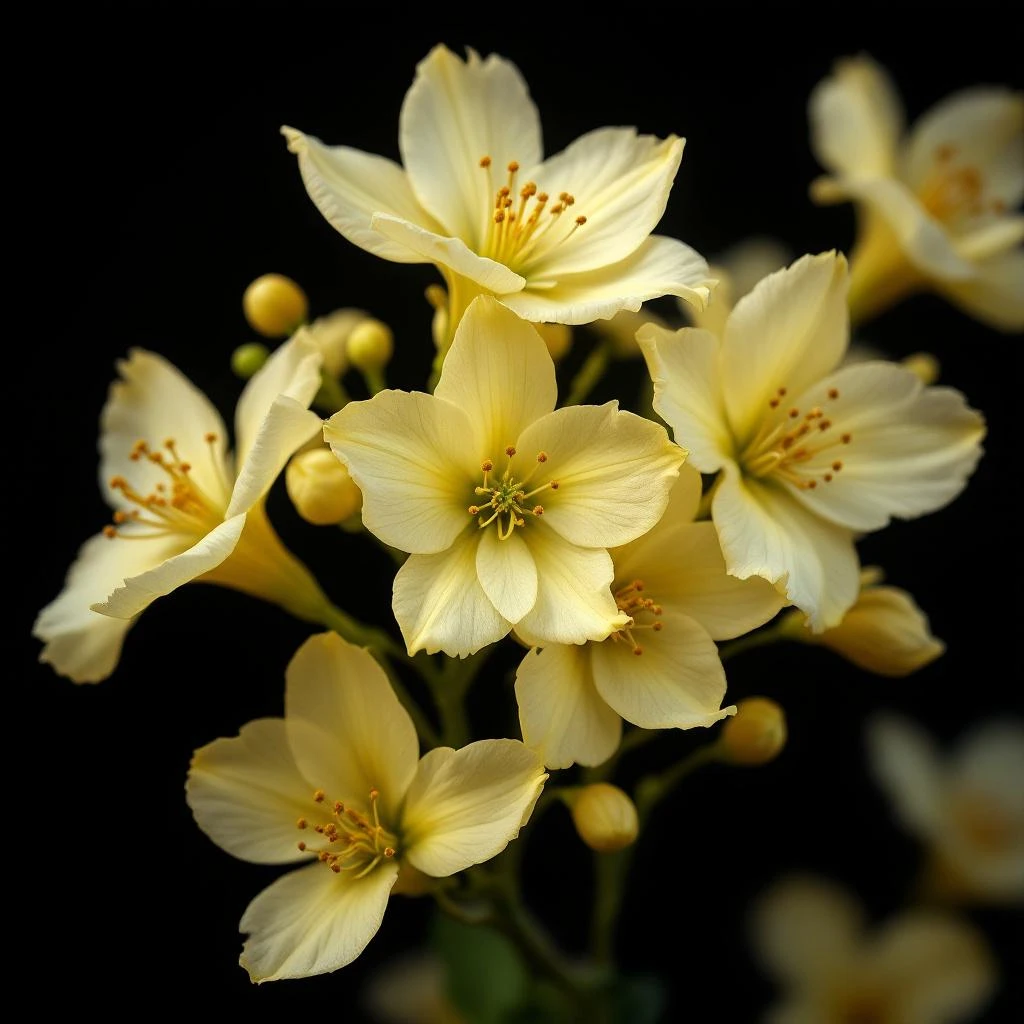
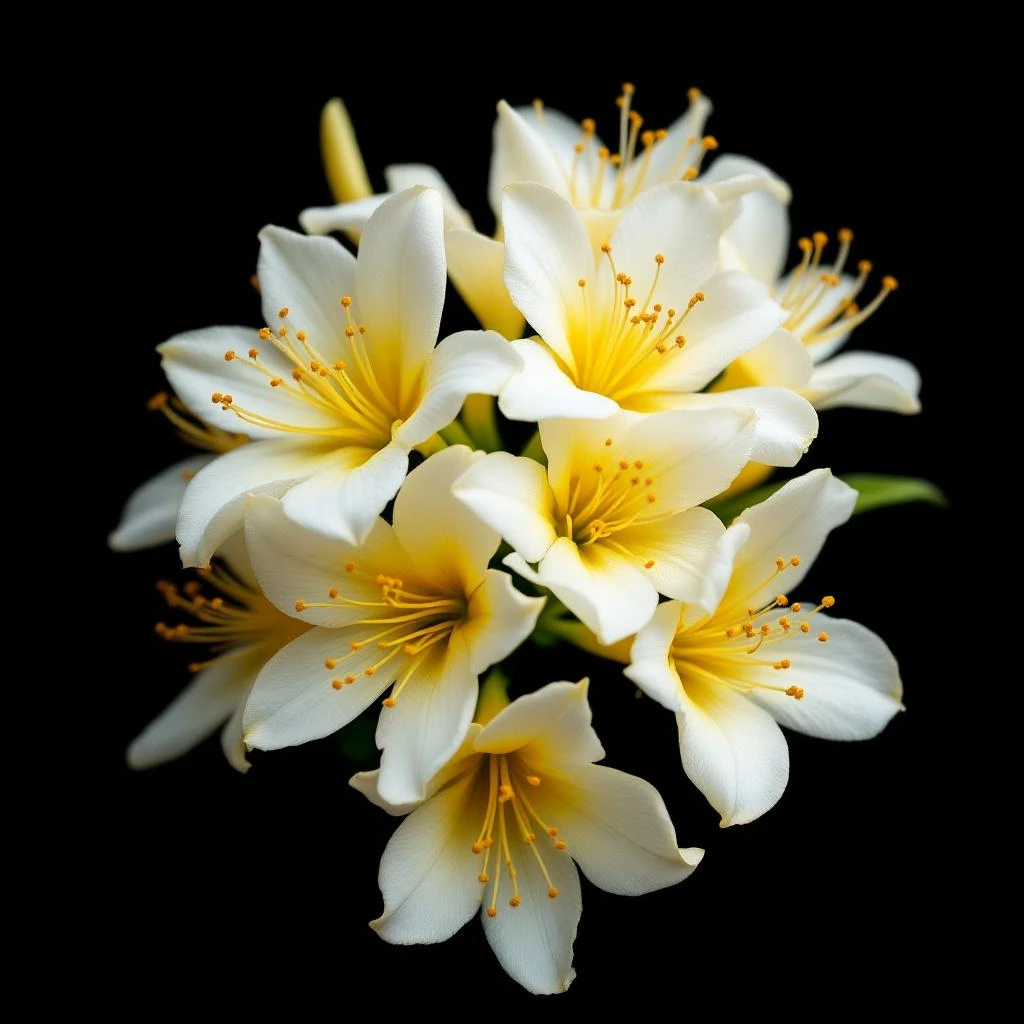
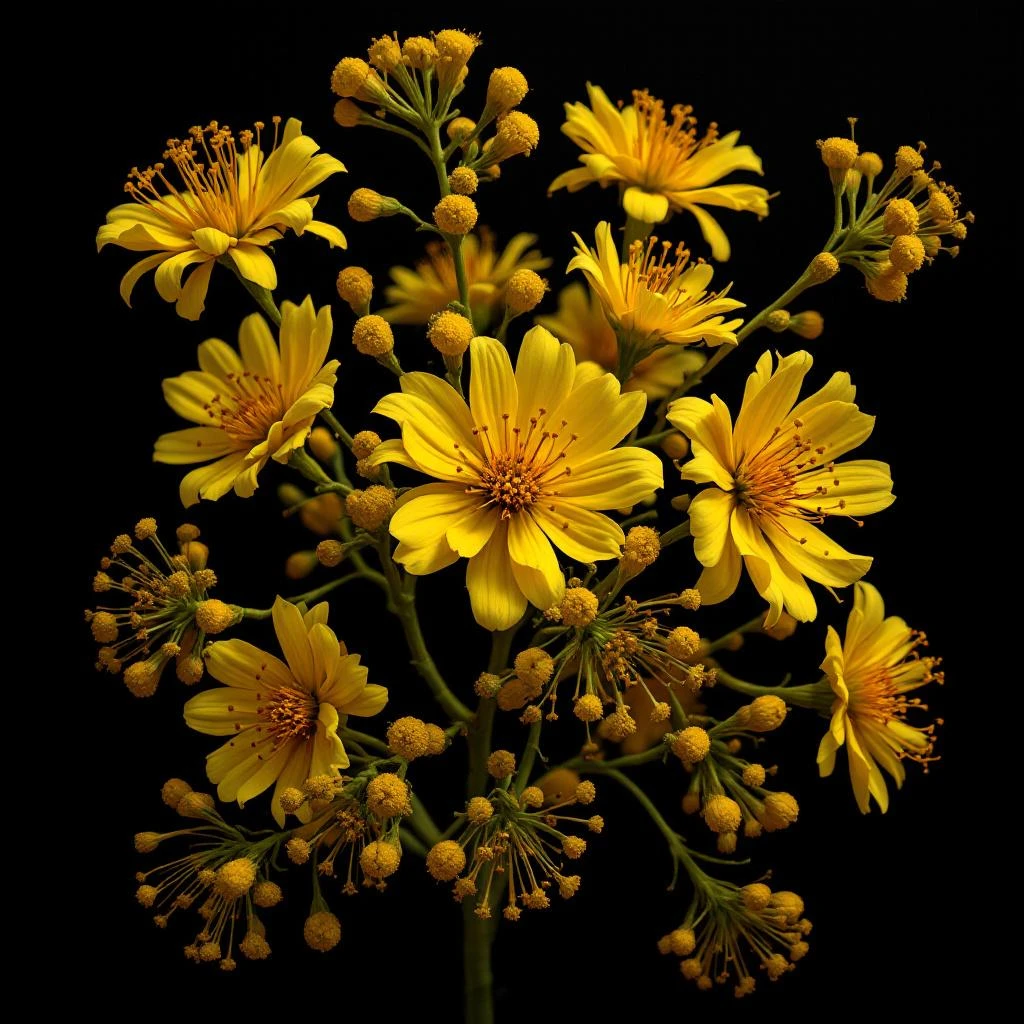
Pakalana, known botanically as Telosma cordata, carries deep cultural roots across Southeast Asia, particularly in Thailand, Indonesia, Malaysia, and the Philippines. The flower holds ceremonial importance in traditional wedding garlands and religious offerings throughout these regions, where its evening release of fragrance signals the end of the working day. In Thailand, the bloom earns the name 'scented evening star.'
Western perfumers began exploring pakalana in the mid-twentieth century as interest expanded beyond European florals like rose and jasmine. Its entry into fine fragrance coincided with broader searches for exotic white floral notes. Steep production costs kept it rare, appearing primarily in luxury-tier compositions rather than mass-market scents.
Today, the note still carries an aura of the unconventional, prized by perfumers seeking alternatives to ubiquitous jasmine and tuberose. Its historical ties to ritual and celebration lend the ingredient a narrative weight that pure chemistry cannot replicate.
Wears it best
Fragrances featuring Pakalana Blossom
Brands
Brands known for Pakalana Blossom
Good to know
Questions, answered
The essentials on Pakalana Blossom in perfumery: how it smells, where it comes from, and how it behaves on skin.
What does pakalana blossom smell like in perfume?
Pakalana offers a creamy, indolic sweetness with green freshness, sitting between jasmine and orange blossom. It adds depth and a tropical softness to white floral compositions, balancing lighter florals with richer base tones.
Is pakalana blossom rare in fragrances?
Yes, pakalana appears less frequently than jasmine or rose due to extraction costs and low oil yield. It typically features in niche and luxury compositions, where perfumers justify the raw material expense.
How is pakalana blossom extracted for perfumery?
Perfumers use solvent extraction on freshly picked blooms to produce an absolute. This method captures the flower's delicate volatile compounds, which steam distillation often destroys through heat damage.
Where does pakalana blossom originate?
Pakalana grows widely across Southeast Asia, including Thailand, Indonesia, Malaysia, and the Philippines. It thrives in tropical climates and has been cultivated for ceremonial garlands for centuries.
Why is pakalana blossom expensive in perfumery?
The flowers yield very little absolute per kilogram of fresh material, requiring labor-intensive hand harvesting. This low yield, combined with limited cultivation, keeps production costs high.
Can pakalana blossom be synthesized?
Yes, perfumers recreate the note using synthetic molecules that mimic its indolic and green facets. These accords offer cost-effective access to pakalana's character in commercial fragrance production.
What perfumes feature pakalana blossom?
Specific fragrance references are limited, but the note appears in select niche compositions seeking exotic white florals. Its use remains more common in regional Southeast Asian perfumery traditions.
Is pakalana related to jasmine?
No, pakalana belongs to the Apocynaceae family, distinct from jasmine's Oleaceae lineage. The similarity lies in shared aromatic compounds rather than botanical kinship.





