Pacific Sandalwood
Pacific Sandalwood carries the creamy, warm embrace of Santalum album and Santalum spicatum—woods prized across millennia for their velvety, lingering presence in fine fragrance.
Character
How it smells
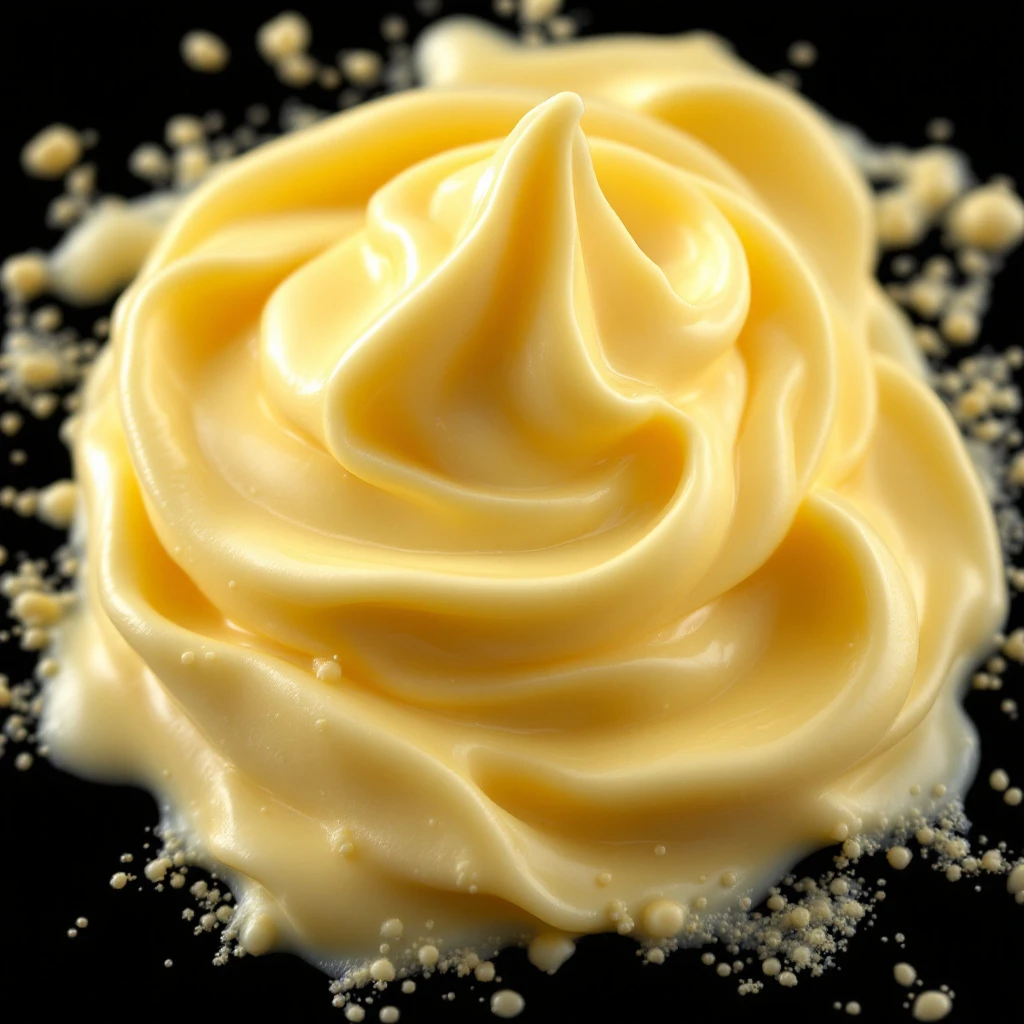
Creamy, warm wood with ancient roots
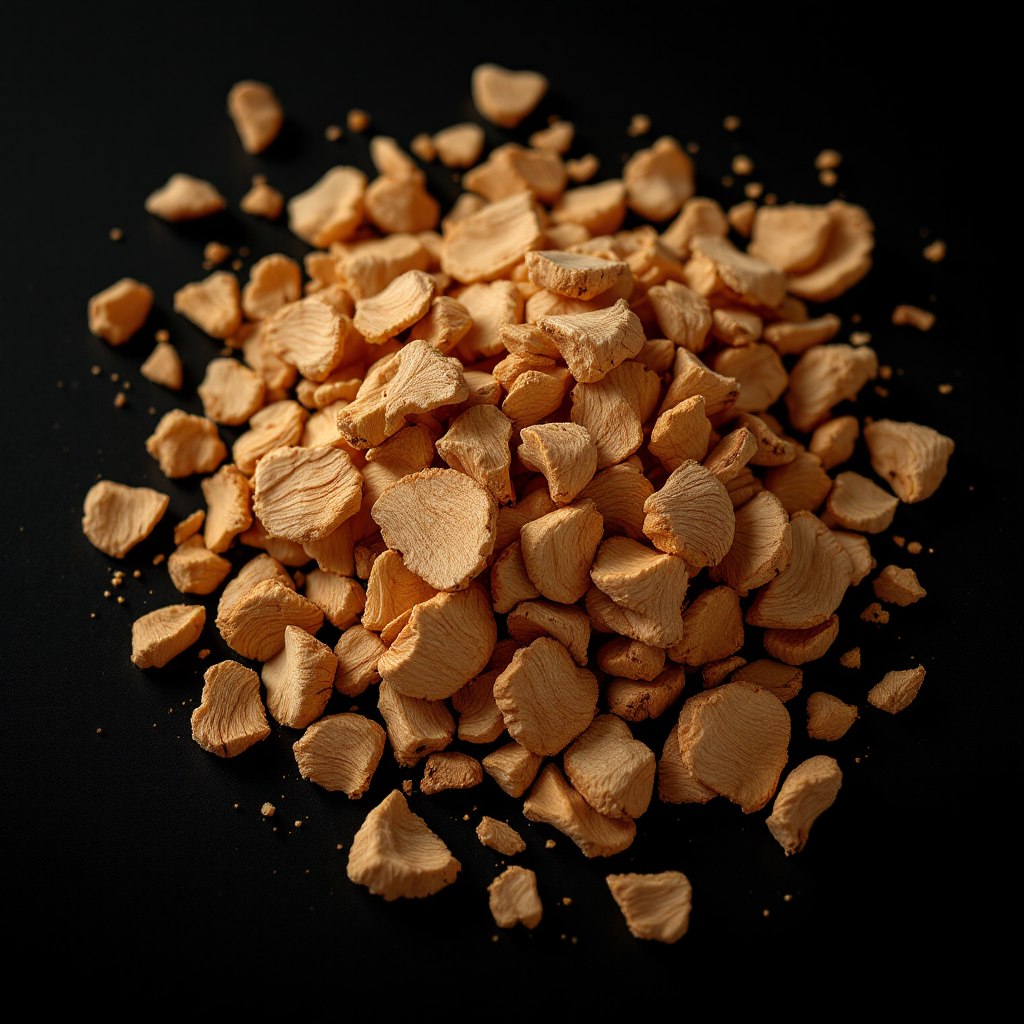
Ancient Arab perfumers ground sandalwood into sawdust to form the base of their solid perfumes.


Origin
Australia
Sandalwood has accompanied human civilization for roughly 4,000 years, with its fragrance documented in texts from modern India dating to 700 BC. Ancient Egyptians employed it in embalming rituals, while Arab perfumers prized it as the foundation of solid perfumes, grinding the wood into powder. Pacific sandalwood gained prominence in the 19th century when Australian production began in 1875, expanding global access to this precious material.
Indigenous communities across the Pacific islands held sandalwood sacred, using it in ceremonies and traditional medicine. Today, Pacific Sandalwood represents both a historical legacy and a more sustainable path forward, as overharvesting has made Indian sandalwood increasingly scarce and regulated.
Wears it best
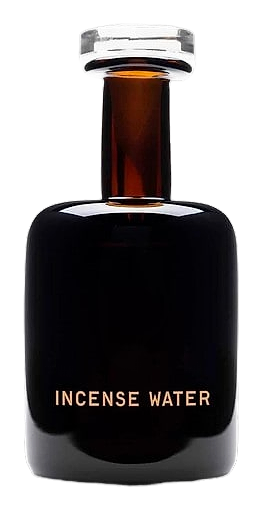
Fragrances featuring Pacific Sandalwood
Brands
Brands known for Pacific Sandalwood
Good to know
Questions, answered
The essentials on Pacific Sandalwood in perfumery: how it smells, where it comes from, and how it behaves on skin.
What does Pacific Sandalwood smell like?
Pacific Sandalwood has a creamy, warm, milky aroma with soft woody undertones and subtle sweetness. Alpha-santalol and beta-santalol compounds create its signature velvety warmth that lingers gracefully on skin.
Is Pacific Sandalwood a sustainable choice?
Pacific Sandalwood, particularly Australian Santalum spicatum, is considered more sustainable than Indian sandalwood. Australia cultivates plantations with regulated harvesting, reducing pressure on wild populations.
How does Pacific Sandalwood differ from Indian Sandalwood?
Indian Santalum album offers a classic, intensely creamy profile, while Pacific Santalum spicatum provides a slightly drier, more aromatic woodiness. Both contain santalol compounds, but the Pacific variant is more widely available today.
Why has sandalwood been valued for 4,000 years?
Sandalwood oil ranks among the oldest continuously used perfume ingredients. Texts from 700 BC in India documented its fragrance qualities, and ancient Egyptians used it for embalming, establishing its cultural significance across civilizations.
What extraction method produces sandalwood oil?
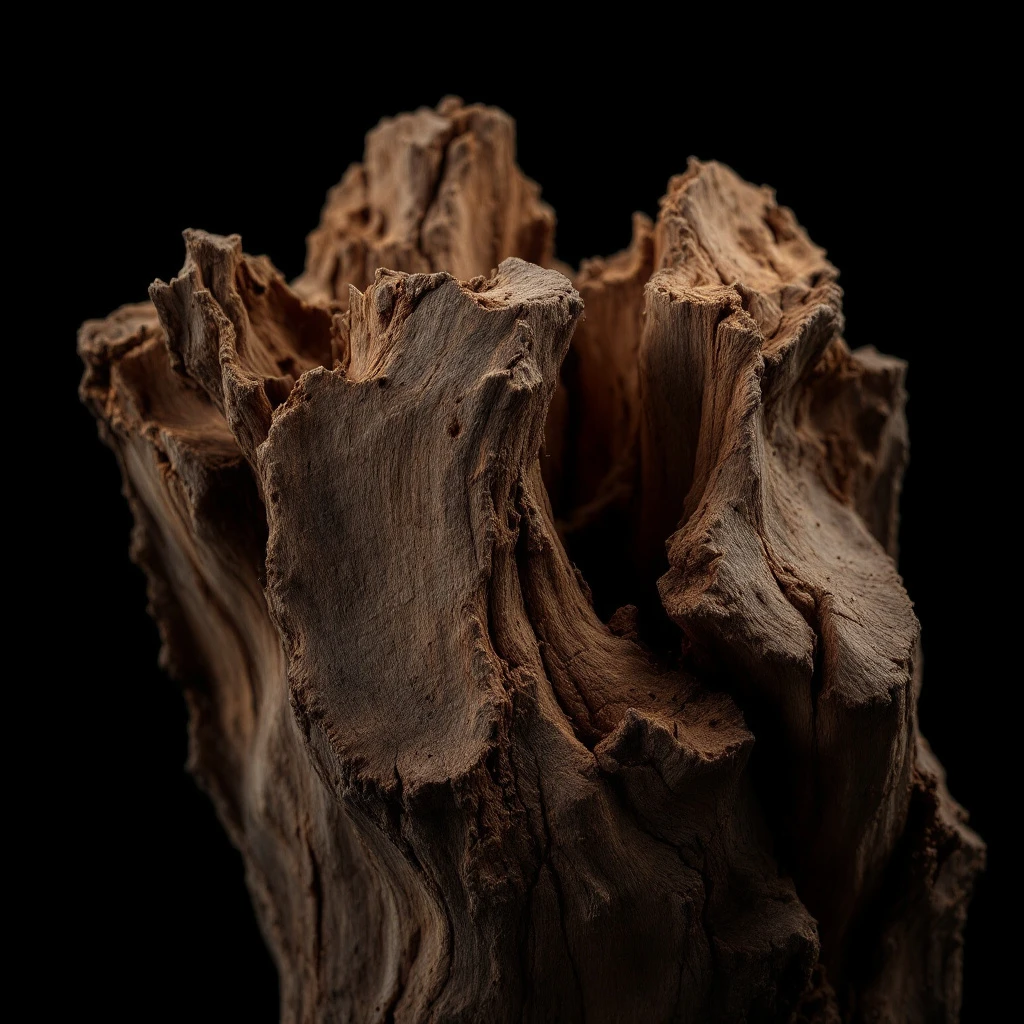
Steam distillation of dried heartwood yields sandalwood essential oil. The process requires 15-25 years of tree growth to develop sufficient aromatic compounds, producing only 1-2% oil by weight.
Why is authentic sandalwood expensive?
Sandalwood commands premium prices due to its slow growth, requiring decades to mature. Overharvesting has made Indian sandalwood scarce and heavily regulated, driving demand for Pacific alternatives.
What pairs well with Pacific Sandalwood in fragrance?
Pacific Sandalwood acts as an excellent base note, pairing beautifully with bergamot, jasmine, rose, vanilla, and oud. It softens sharper notes and adds warmth to fresh, green compositions.
Can Pacific Sandalwood be synthesized?
Synthetic sandalwood alternatives exist, such as Javanol and Ebanol, but they lack the full complexity of natural oil. Natural Pacific Sandalwood contains dozens of aromatic compounds that create its characteristic creamy depth.