Ouzo
Ouzo captures the soul of the Aegean in a glass. Its signature anise character, built on aromatic seeds and herbs distilled over centuries, brings an unmistakable Mediterranean freshness to fragrance.
Character
How it smells
The anise-scented soul of the Greek islands.
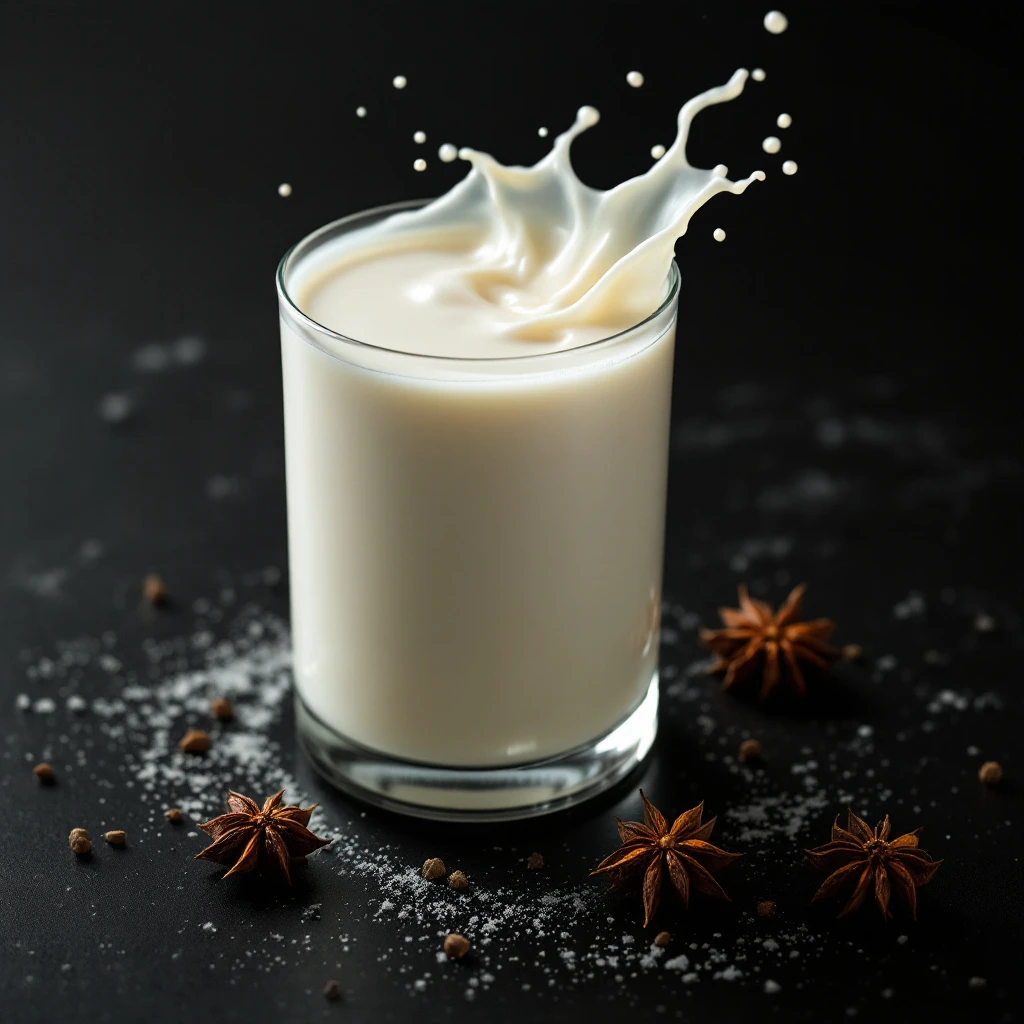
When water touches ouzo, it turns milky white—a visual phenomenon called the ouzo effect caused by the release of essential oils.




Origin
Greece
Ouzo's story traces back to the 14th century when Arab traders brought distillation knowledge to the Eastern Mediterranean. Greek distillers adapted these techniques, creating their own spirit rooted in local botanicals.
By the 19th century, merchant families from Asia Minor settling on Lesbos refined production methods, establishing the foundations of modern ouzo. The spirit became woven into Greek and Cypriot culture—served with meze, shared among friends, tied to celebrations.
Today, ouzo remains a protected geographic indication product, meaning only spirits produced in Greece or Cyprus using traditional methods can bear the name. That heritage translates into fragrance as a reminder of sun-soaked terraces and the sea breeze that defines these islands.
Wears it best
Fragrances featuring Ouzo
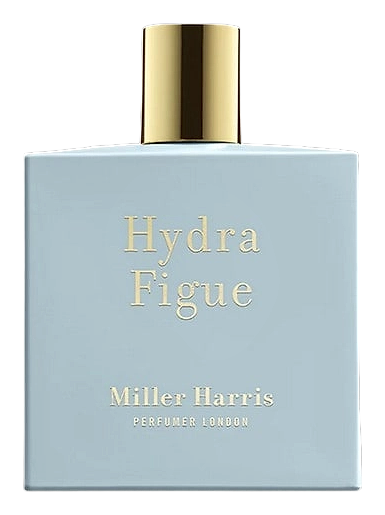
Brands
Brands known for Ouzo
Good to know
Questions, answered
The essentials on Ouzo in perfumery: how it smells, where it comes from, and how it behaves on skin.
What does ouzo smell like in perfume?
Ouzo in fragrance presents a sharp, sweet anise aroma with herbal undertones. It brings Mediterranean freshness—cool, slightly medicinal, with a hint of liquorice. Fragrances use this note to evoke warm coastal atmospheres.
Is ouzo note synthetic or natural?
Ouzo notes in perfume are typically synthesized to capture the spirit's characteristic aroma. Anethole, the compound responsible for anise's scent, can be derived from star anise or created synthetically. Blending both approaches produces the most accurate ouzo impression.
Which countries produce ouzo for fragrance use?
Greece and Cyprus hold geographic indication for ouzo production, with Lesbos recognized as a historic center. For perfumery applications, the aromatic compounds derive from anise cultivated across these regions and globally, including China and the Mediterranean basin.
How long has ouzo existed as a spirit?
Ouzo production traces to the 14th century when Arab distillation techniques arrived in the Eastern Mediterranean. Greek distillers adopted and adapted these methods over subsequent centuries, with commercial production flourishing in the 19th century.
What botanicals define ouzo's character?
Anise forms ouzo's backbone, accompanied by fennel, coriander, and mastic. Some producers add cardamom, cinnamon, or gentian root. Each distillery guards its specific botanical blend as a closely held tradition.
Does ouzo translate well to wearable fragrance?
Ouzo works effectively in fragrance, particularly in fresh colognes, aquatics, and aromatic men's scents. Its crisp, medicinal quality adds energy without heaviness, making it suitable for summer wear and daytime application.
What distinguishes ouzo from absinthe in perfumery?
While both spirits share anise, absinthe adds wormwood for a more bitter, complex profile. Ouzo emphasizes sweetness and freshness, with a cleaner, more approachable character. Fragrance creators reference ouzo for lighter, breezier compositions.
Can I find ouzo-fragranced perfumes easily?
Many designers include ouzo or anise notes in their catalogues. The aromatic profile has gained popularity since the early 2000s, appearing in masculine and unisex compositions from various houses. Checking fragrance databases by note allows targeted searching.