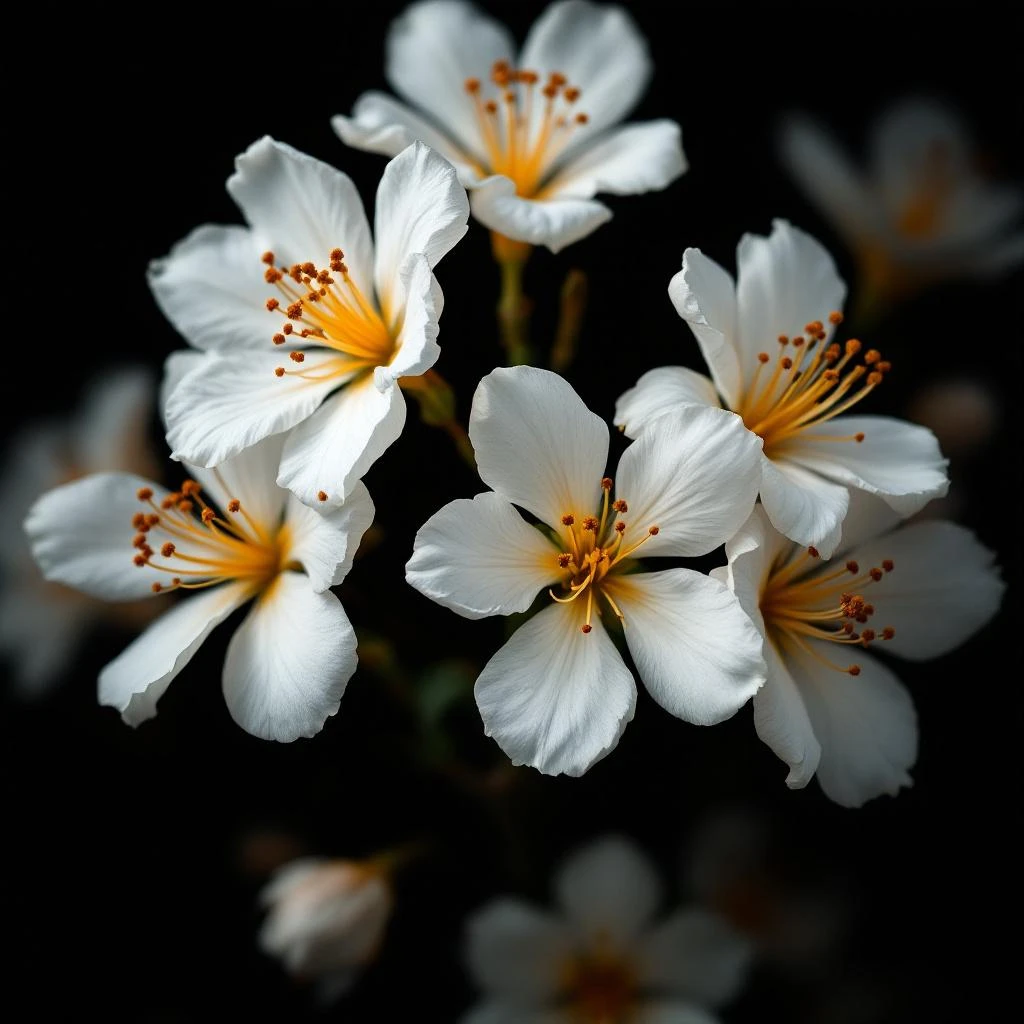
Orange absolute
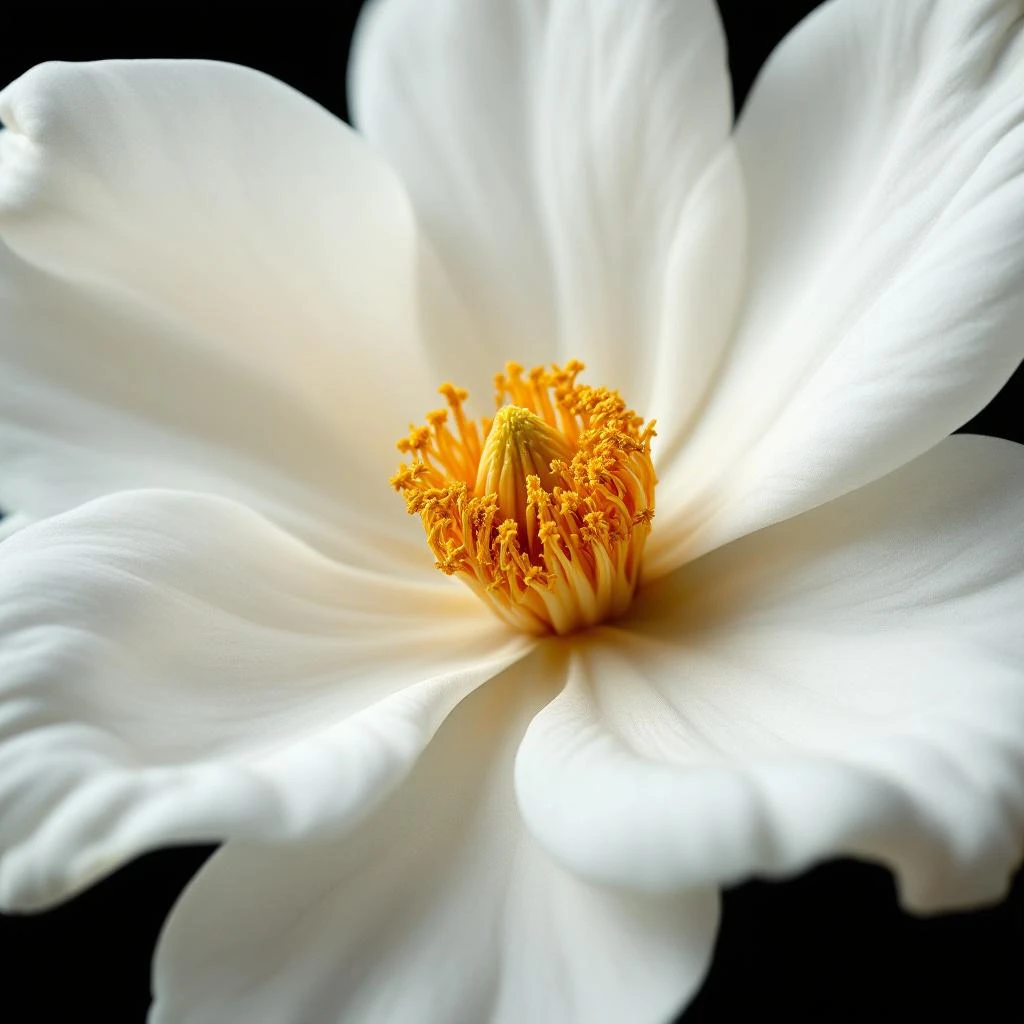
Orange absolute captures the intoxicating white blooms of the bitter orange tree. More concentrated than neroli, it delivers a rich, honeyed floral with a hint of green freshness. This precious material embodies the romance of Mediterranean groves.
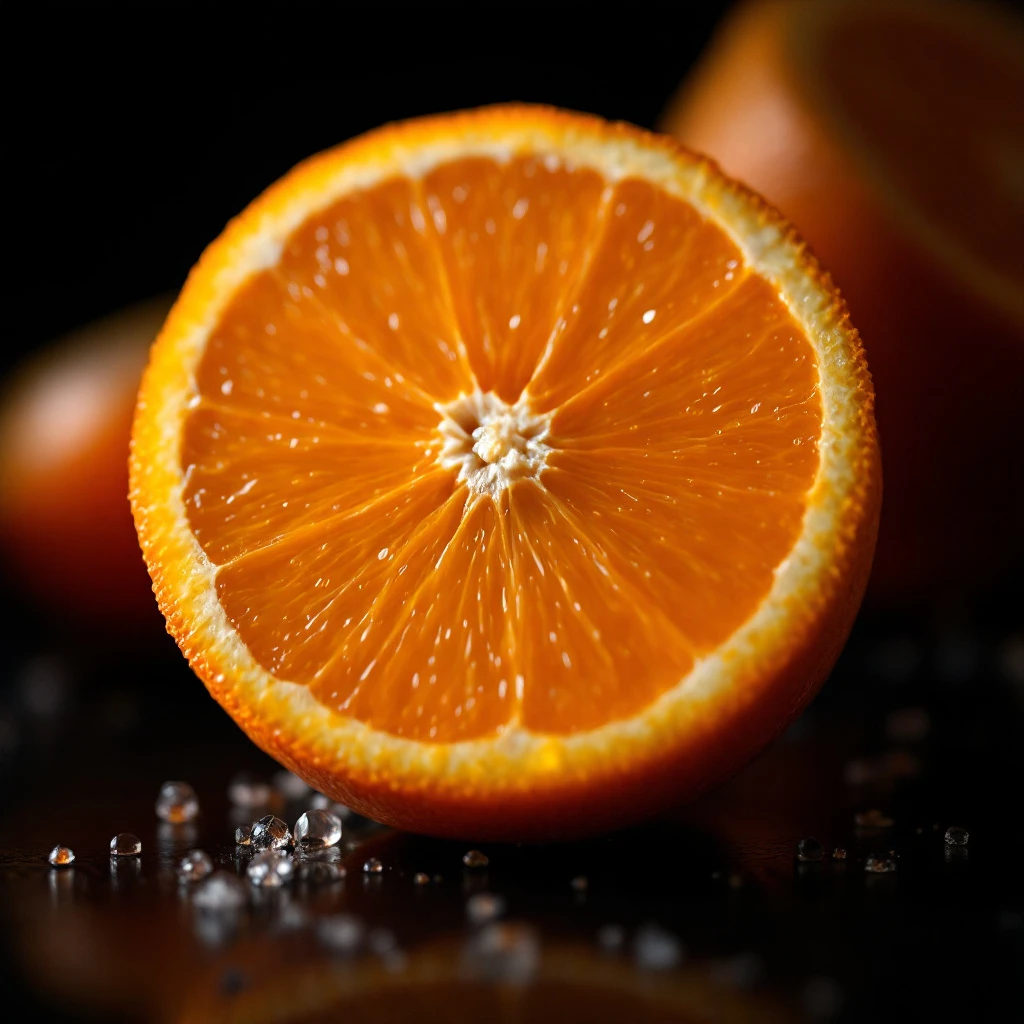
Character
How it smells
Mediterranean bloom in concentrated form
One ton of orange blossoms yields only two pounds of absolute, making it among the rarest citrus florals.


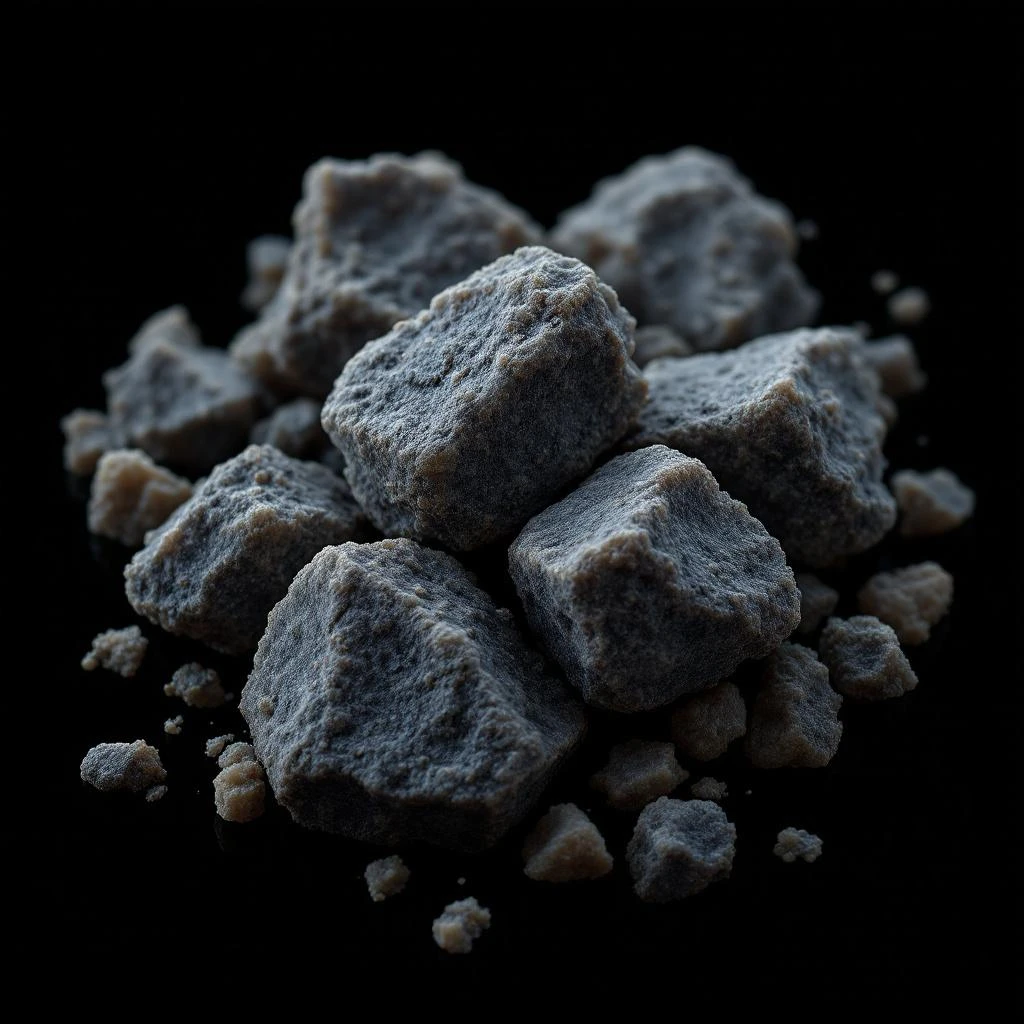


Origin
Tunisia
The bitter orange tree has been cultivated across the Mediterranean for over a thousand years, arriving via Arab traders who introduced it to Sicily and Spain. By the 12th century, monastic gardens throughout Europe grew these trees for their medicinal and aromatic properties. Commercial perfumery interest in orange blossom emerged in 19th-century France, where Grasse became the center of cultivation.
The city developed specialized techniques for harvesting and processing blossoms, creating an industry that peaked mid-century. Tunisia emerged as a major producer during this period, benefiting from its ideal climate along the Mediterranean coast. The flower remains culturally significant throughout the region, traditionally woven into bridal bouquets as a symbol of purity and fertility.
During the Belle Époque, orange blossom absolute became a signature note in French haute parfumerie, valued for its ability to lend warmth and sophistication to both floral and chypre compositions.
Wears it best
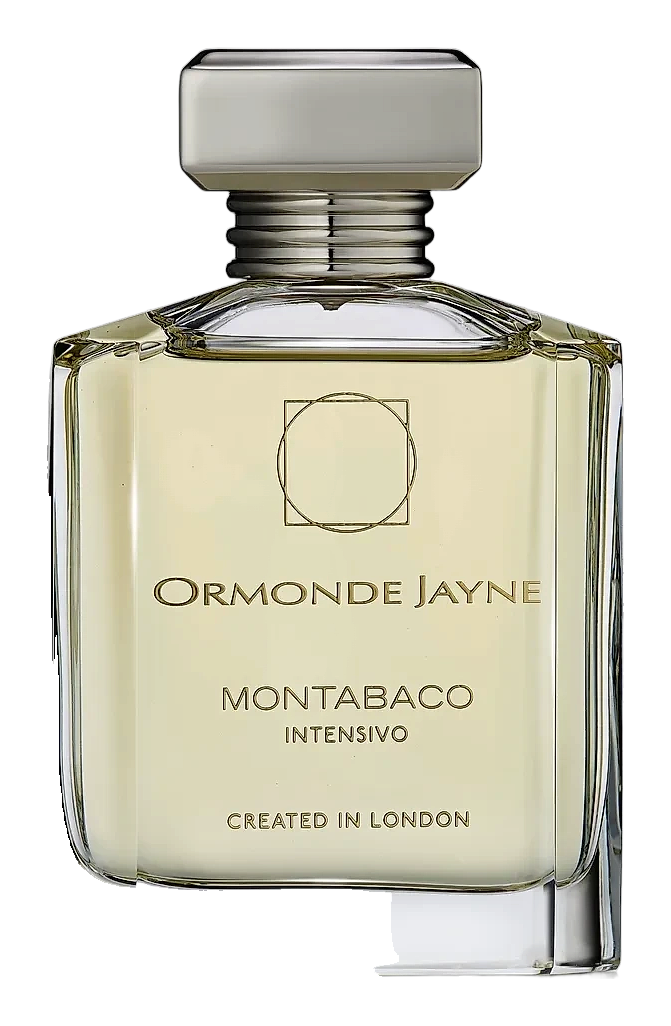
Fragrances featuring Orange absolute


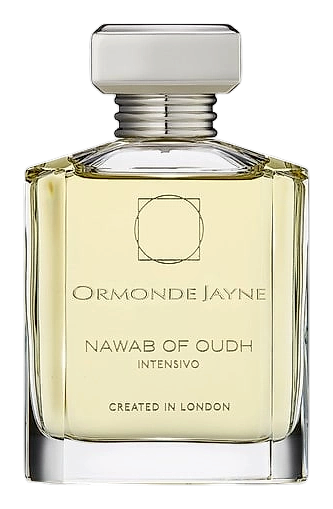
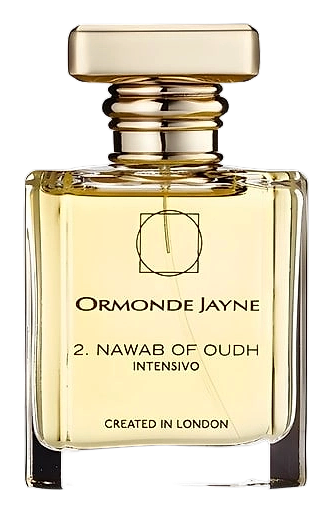
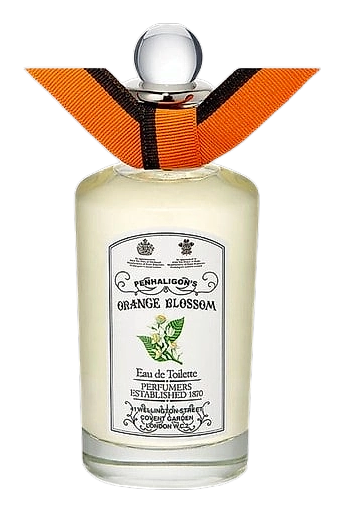

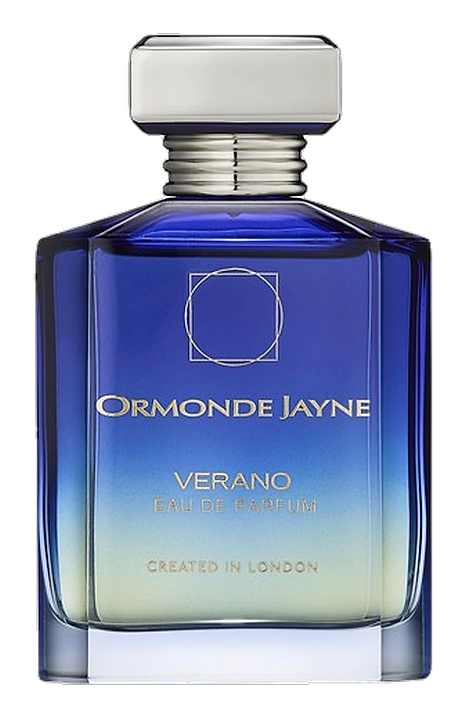
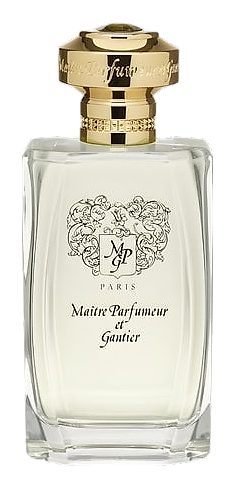
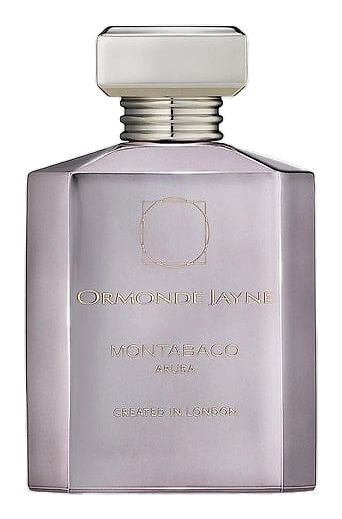
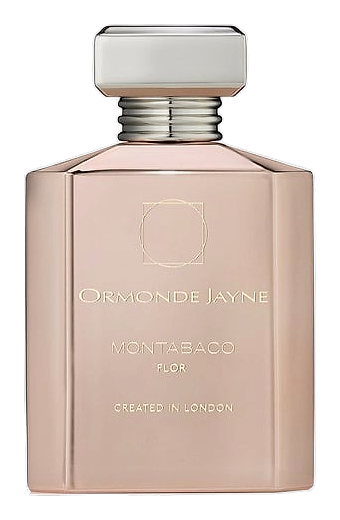
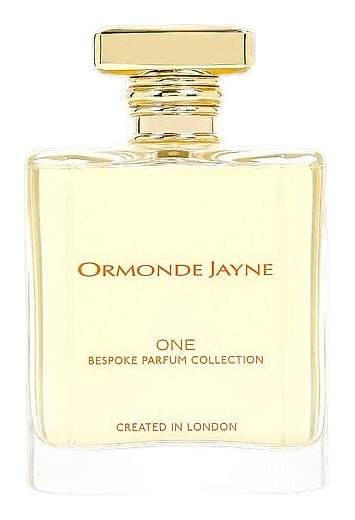
Brands
Brands known for Orange absolute
Good to know
Questions, answered
The essentials on Orange absolute in perfumery: how it smells, where it comes from, and how it behaves on skin.
What is orange absolute?
Orange absolute is a highly concentrated aromatic extract from the flowers of the bitter orange tree. It is obtained through solvent extraction, producing a richer, more complex material than steam-distilled neroli oil.
How does orange absolute differ from neroli?
Neroli results from steam distillation of orange blossoms, yielding an essential oil. Orange absolute undergoes solvent extraction, capturing more aromatic compounds and producing a thicker, more concentrated material with a honeyed depth neroli lacks.
What does orange absolute smell like?
Orange absolute presents a rich, warm floral with pronounced honey and orange flower water characteristics. It carries green, slightly waxy undertones balanced by a sweet, intoxicating nectar quality reminiscent of fresh blooms on a Mediterranean morning.
Which perfume families use orange absolute?
Orange absolute appears primarily in floral and white floral compositions. It also serves as a heart note in chypres, aldehydic fragrances, and oriental perfumes where it adds warmth and natural complexity.
Where is orange absolute produced?
Tunisia leads production, leveraging ideal growing conditions along its Mediterranean coast. Morocco, Egypt, and France historically produced significant quantities, though acreage has declined in recent decades.
Is orange absolute expensive?
Orange absolute commands premium pricing due to low yield. Approximately one ton of blossoms yields just two pounds of absolute, combined with seasonal harvest limitations and labor-intensive hand-picking requirements.
Can orange absolute be synthetically replicated?
While synthetic alternatives exist, they cannot fully replicate orange absolute's complexity. Natural orange blossom contains hundreds of trace compounds that contribute to its characteristic warm, honeyed depth and green undertones.
What parts of the bitter orange tree are used in perfumery?
The bitter orange tree yields multiple perfumery materials: blossom absolute from flowers, neroli oil from steam distillation, petitgrain from leaves and twigs, and orange oil from fruit peel.