Opium Poppy
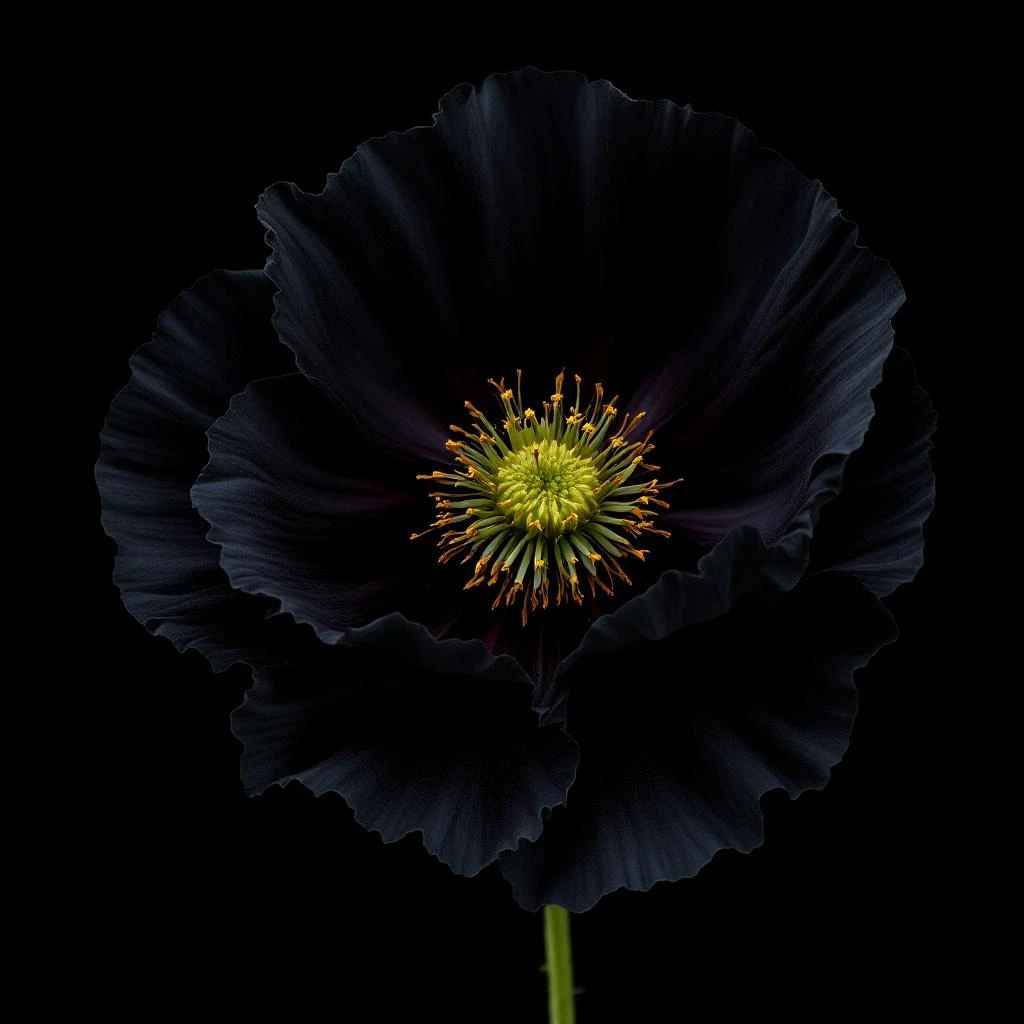
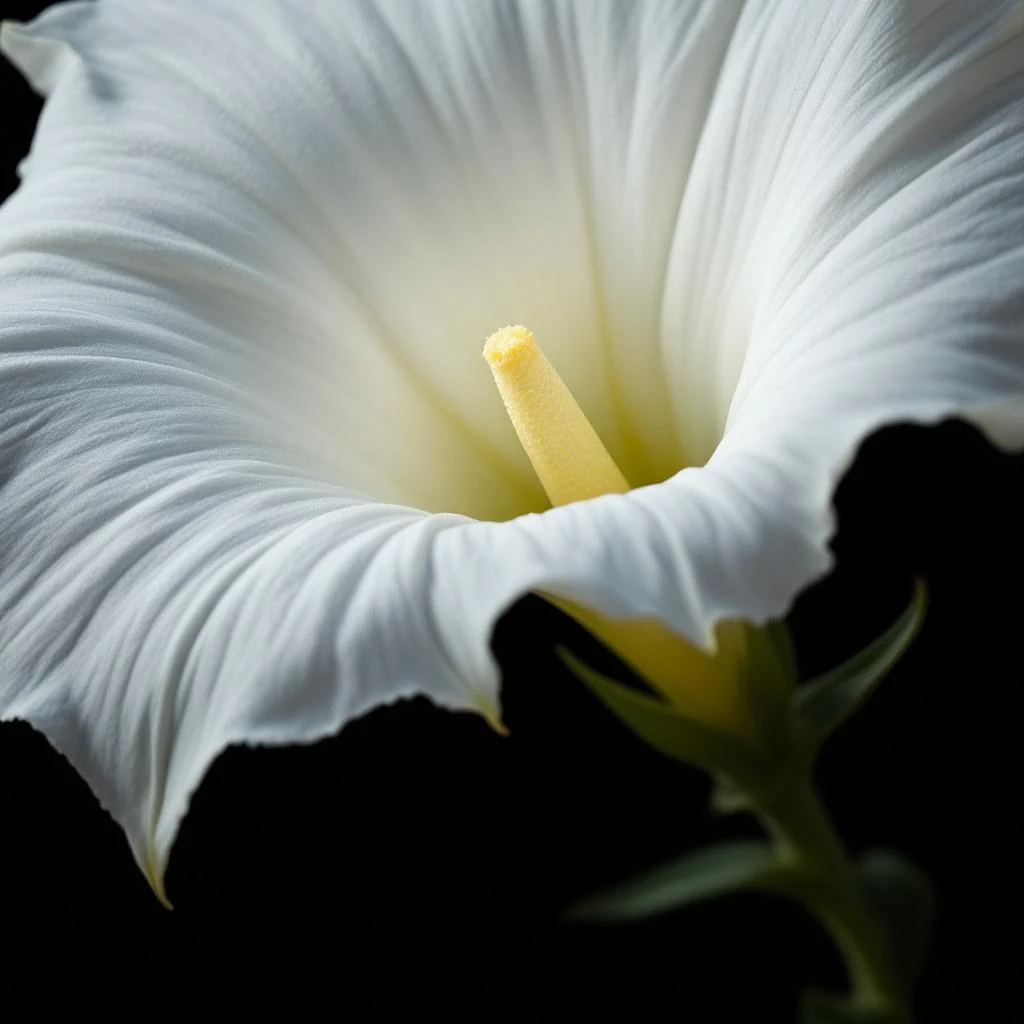
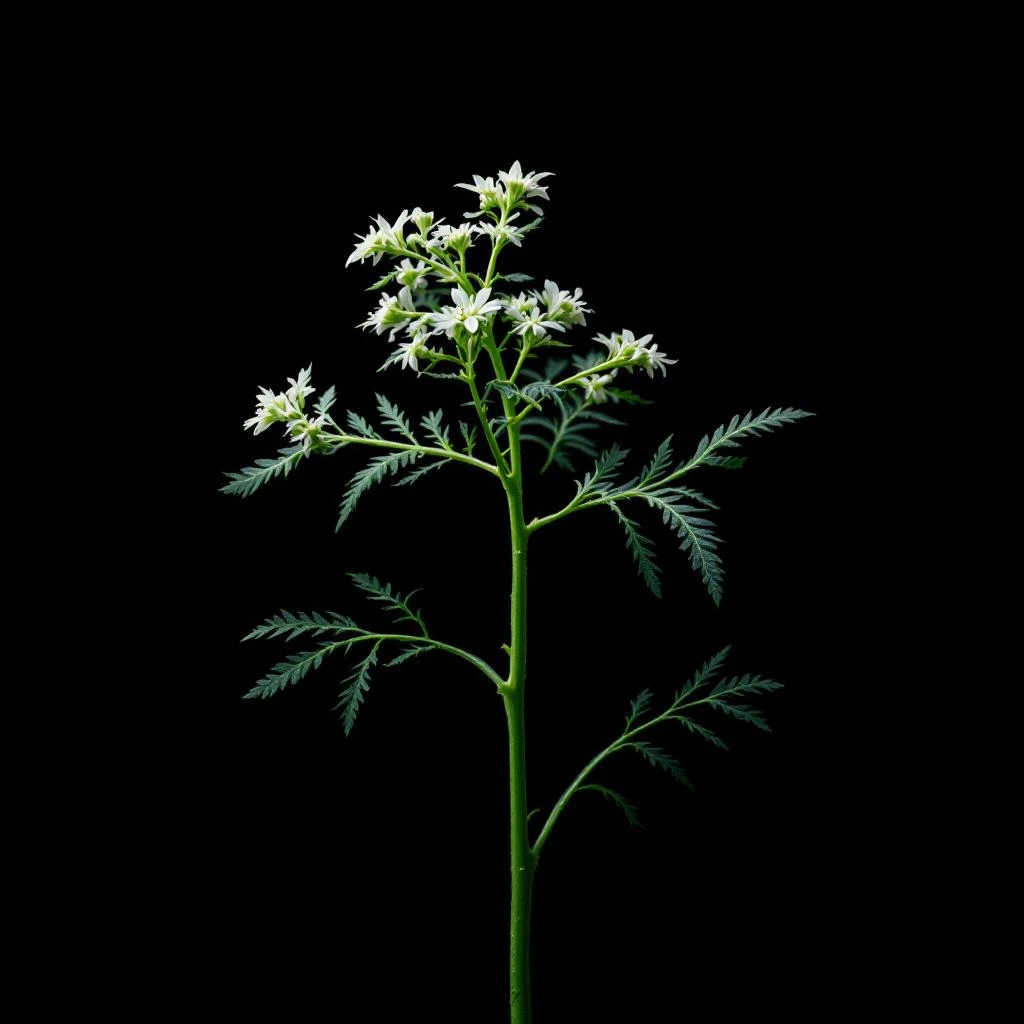
Opium poppy (Papaver somniferum) delivers a powdery, hypnotic floral note that has enchanted perfumers since ancient times. Though the flower lacks natural scent, master perfumers craft its essence synthetically, capturing the delicate beauty and mysterious allure of this iconic bloom.
Character
How it smells
A hypnotic floral accord with powdery, subtly spiced warmth.
Papaver somniferum seeds have been found in Bronze Age archaeological sites across the British Isles, proving centuries of cultivation.





Origin
Mediterranean region
Papaver somniferum originated in the western Mediterranean region, likely Macaronesia, before ancient civilizations spread its cultivation worldwide. The plant has accompanied human civilization since at least the Bronze Age, with seeds discovered in archaeological excavations spanning from Britain to China.
Ancient Egyptian, Roman, Persian, Greek, and Arab empires all revered this poppy for ceremonial, medicinal, and culinary purposes. It symbolized nocturnal decadence, healing, and mystery across cultures for millennia.
During the 16th and 17th centuries, European poets and authors romanticized its narcotic properties, adding an air of danger and intrigue to the flower's reputation. In perfumery, this storied history translates to a note associated with hypnotic, mysterious compositions that evoke both ancient tradition and sensual allure.
Wears it best
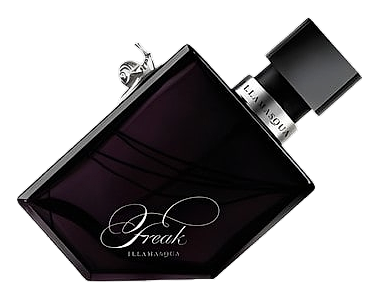
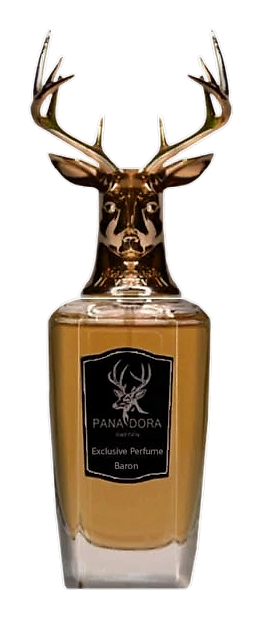
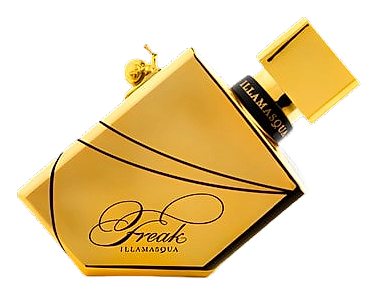
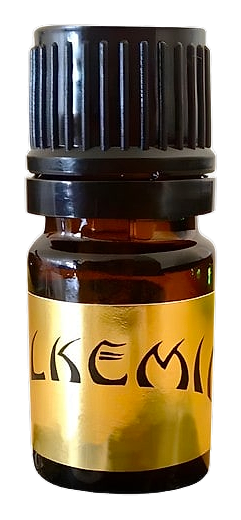
Fragrances featuring Opium Poppy
Brands
Brands known for Opium Poppy
Good to know
Questions, answered
The essentials on Opium Poppy in perfumery: how it smells, where it comes from, and how it behaves on skin.
Why do perfumers choose synthetic poppy accords?
Papaver somniferum yields no extractable essential oil, so its characteristic powdery floral scent must be reconstructed using aromatic molecules. This synthetic approach captures the evocative beauty of the flower while ensuring reliable, sustainable fragrance production.