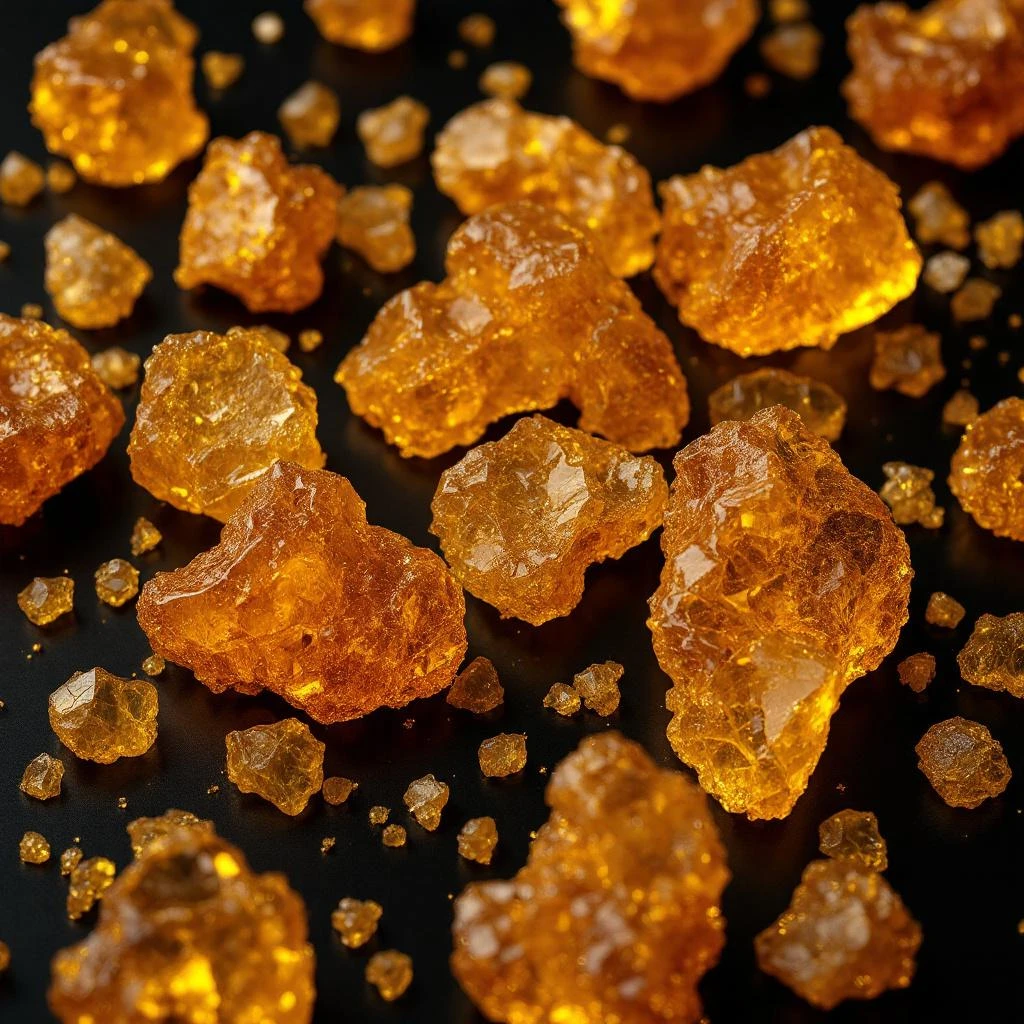
Omani Myrrh
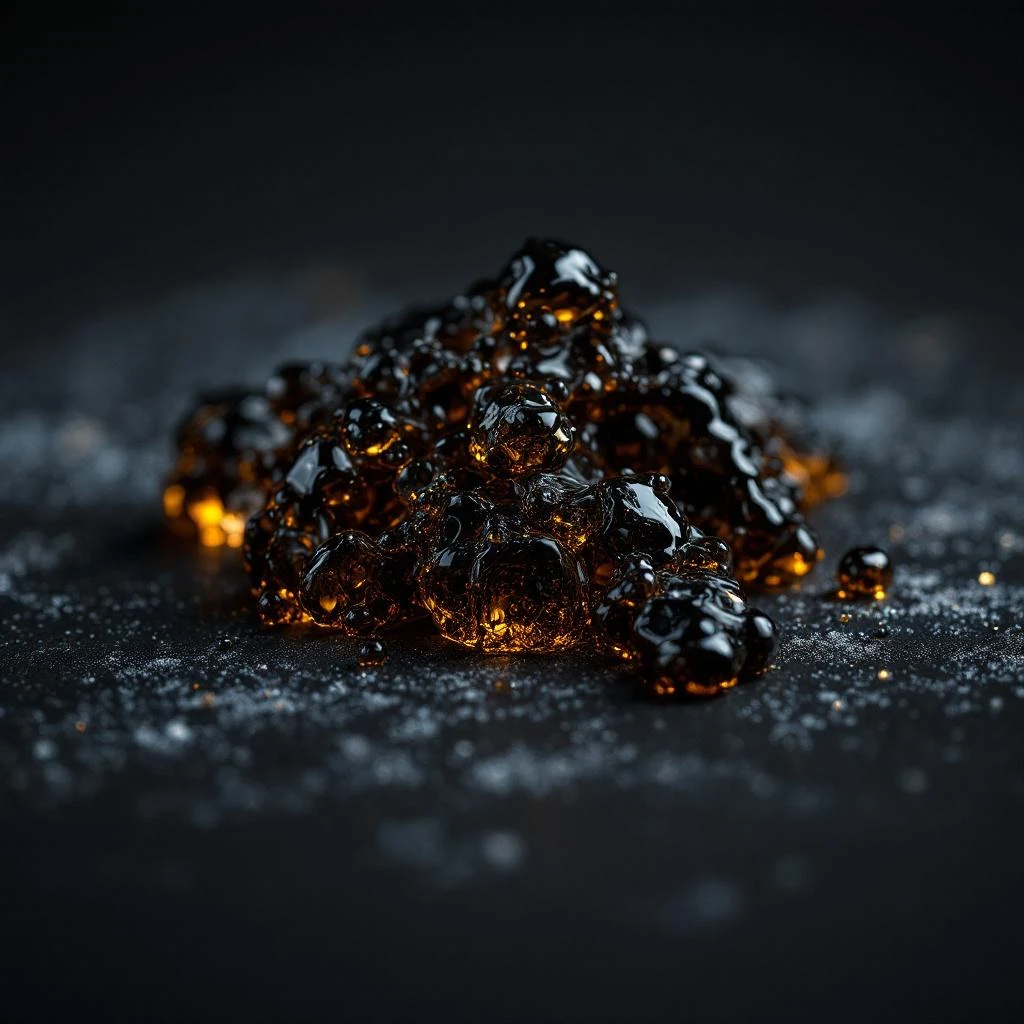
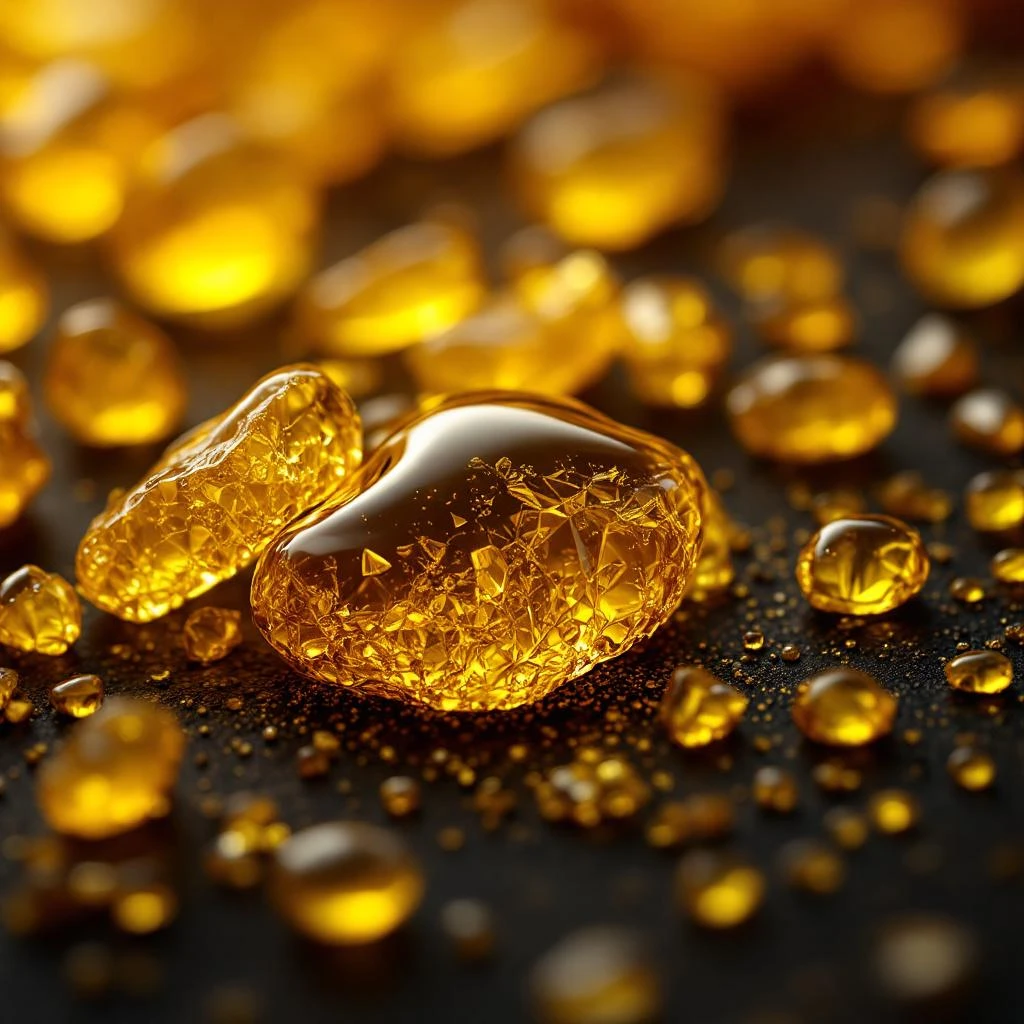
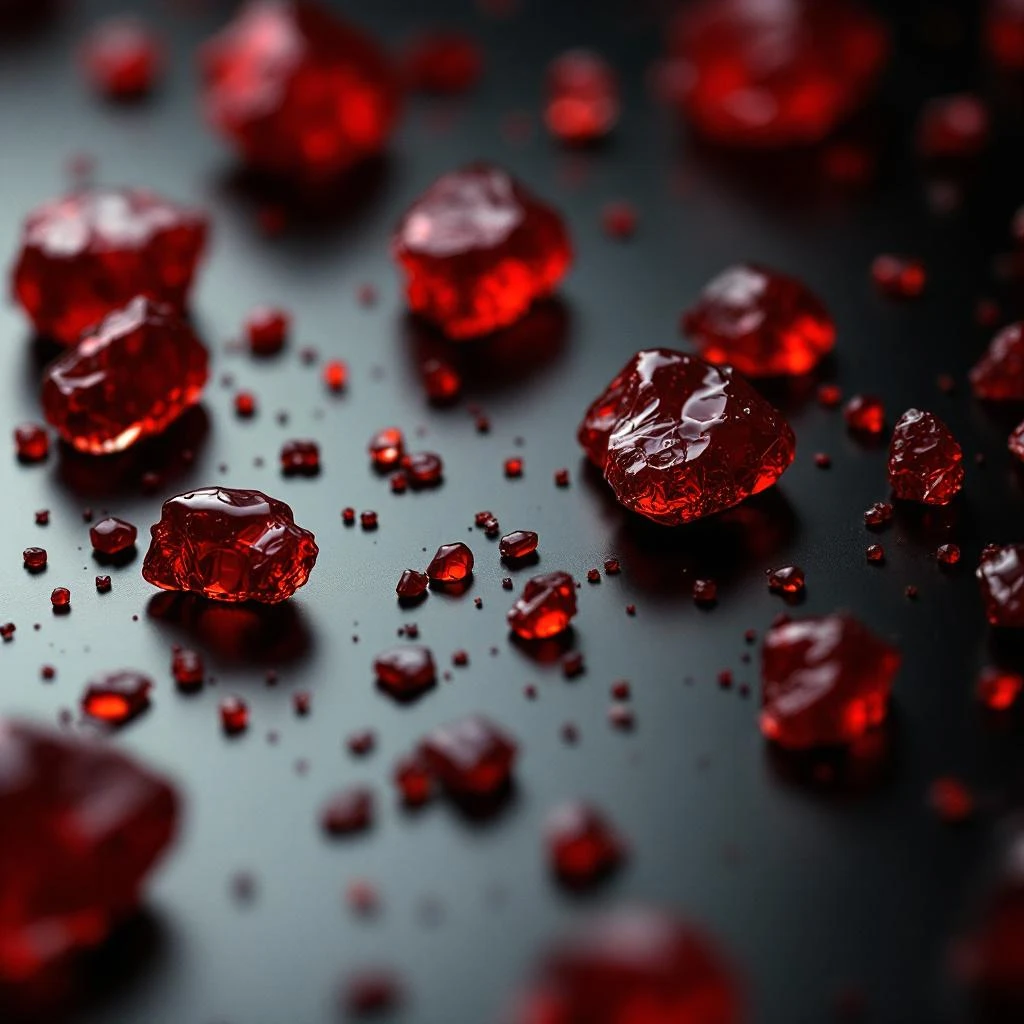
Omani Myrrh is a sacred gum resin harvested from the Commiphora myrrha tree, prized in perfumery for its warm, balsamic depth. This ancient ingredient has perfumed sacred rituals and luxury fragrances for millennia, lending complex, resinous warmth to compositions.
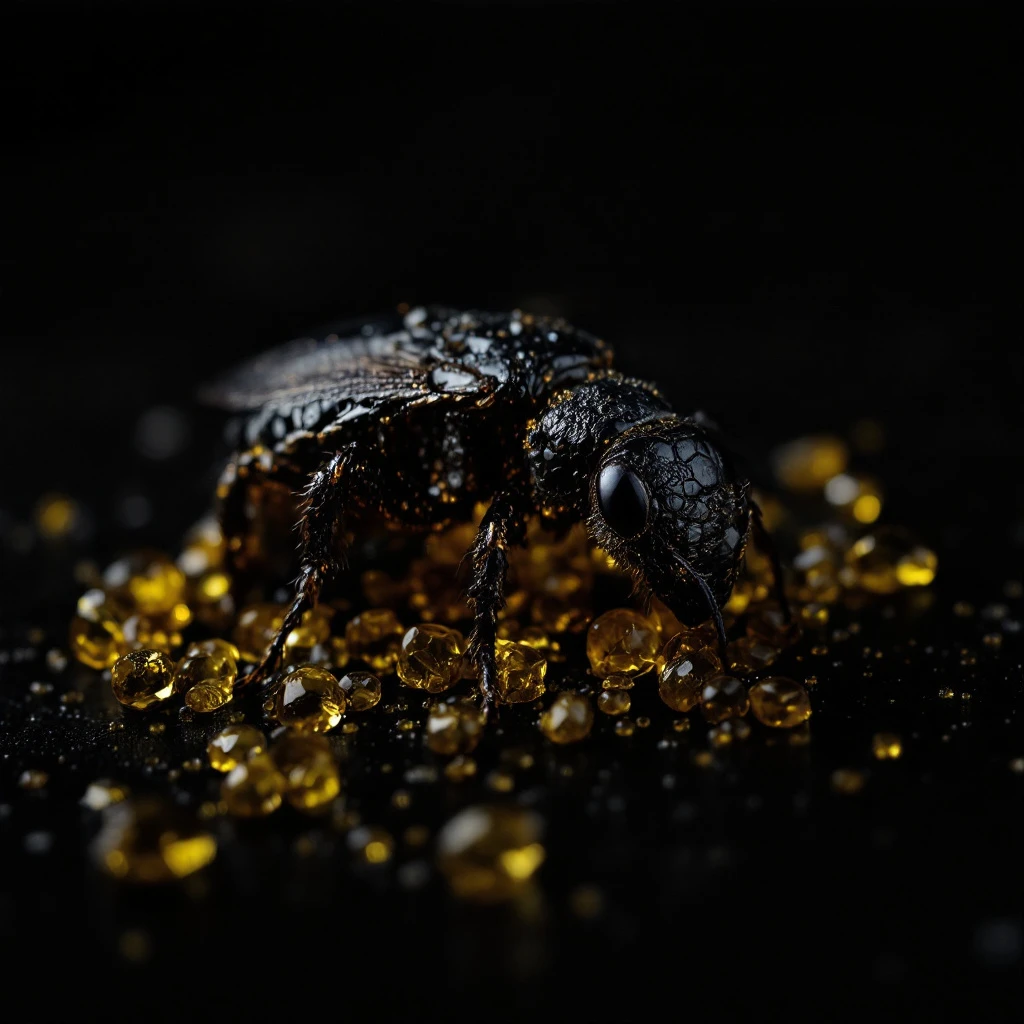
Character
How it smells
Sacred resin with ancient perfumery roots.
The Commiphora myrrha tree must grow for 30 to 50 years before its first resin harvest, making each drop extraordinarily precious.

Origin
Oman
Myrrh ranks among the oldest continuously traded aromatic materials on Earth, documented in ancient Egyptian medical texts from 1550 BCE and mentioned repeatedly in the Bible as a precious gift. Arab traders carried myrrh along the Incense Route alongside frankincense, creating vast networks connecting Oman, Somalia, and the Mediterranean world. The Resh Mutallib tribe of Oman developed specialized techniques for sustainable resin harvesting that remain largely unchanged today.
Three wise men reportedly brought myrrh to Bethlehem, though its use predates this account by thousands of years. Omani myrrh held particular significance in Islamic perfumery traditions, where it became essential in attar-making alongside rose and sandalwood. Colonial-era European traders sought Omani myrrh aggressively, recognizing its superior quality compared to African varieties.
Today, Omani myrrh remains a cornerstone ingredient in Arabian perfumery, representing an unbroken link to ancient fragrance traditions.
Wears it best
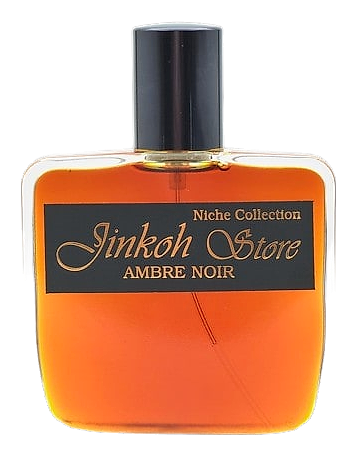
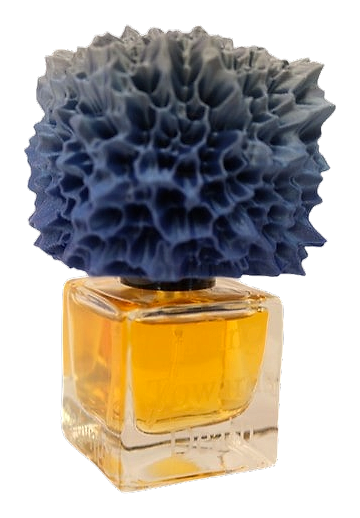
Fragrances featuring Omani Myrrh
Brands
Brands known for Omani Myrrh
Good to know
Questions, answered
The essentials on Omani Myrrh in perfumery: how it smells, where it comes from, and how it behaves on skin.
What does Omani myrrh smell like?
Omani myrrh delivers a warm, balsamic aroma with honeyed sweetness and smoky undertones. It reads as resinous, slightly medicinal, and deeply resinous. The scent evolves over time, becoming softer and more powdery as it dries down on skin.
How long has myrrh been used in perfumery?
Myrrh has anchored fine fragrances for at least 4,000 years. Ancient Egyptians used it in cosmetics and temple rituals. Omani perfumers have worked with myrrh continuously since before recorded history, passing harvesting techniques through generations.
Is myrrh sustainable?
Responsible myrrh harvesting leaves trees intact. Tappers make shallow cuts that heal over time, allowing repeated harvests. The Commiphora myrrha regenerates its resin naturally. Unsustainable overharvesting threatens wild populations in some regions, making traceable sourcing essential.
What fragrance note family does myrrh belong to?
Myrrh functions as a base note in perfumery, providing depth, longevity, and warmth. It belongs to the balsamic-resinous family alongside frankincense, labdanum, and benzoin. Blenders use it to anchor lighter top and heart notes.
What ingredients pair well with Omani myrrh?
Omani myrrh harmonizes naturally with frankincense, creating a signature Arabian pairing. Rose amplifies its honeyed qualities. Oud adds smoky depth. Labdanum adds leather-like warmth. Vanilla rounds its edges into something softer and more confectionery.
What makes Omani myrrh distinct from other varieties?
Omani myrrh develops in arid mountain valleys where stress concentrates aromatic compounds in the resin. This produces a cleaner, less medicinal character than African varieties. Omani harvesting traditions emphasize patient maturation, yielding resin with superior color and luminosity.
Does harvesting myrrh harm the tree?
Mature Commiphora myrrha trees tolerate tapping when performed correctly. Harvesters make narrow bands around the trunk, allowing the wound to callous between collections. The tree continues growing and producing resin for decades. Improper deep cuts or over-tapping can kill trees, which is why traditional methods prioritize long-term yield.
How do perfumers use myrrh in modern formulations?
Perfumers employ myrrh absolute for concentrated impact in base note blends. Some prefer raw resin tears for natural perfumery and attars. Myrrh works exceptionally well in oriental fragrances, incense-inspired compositions, and gender-neutral scents. It adds fixative properties that extend the longevity of lighter materials.