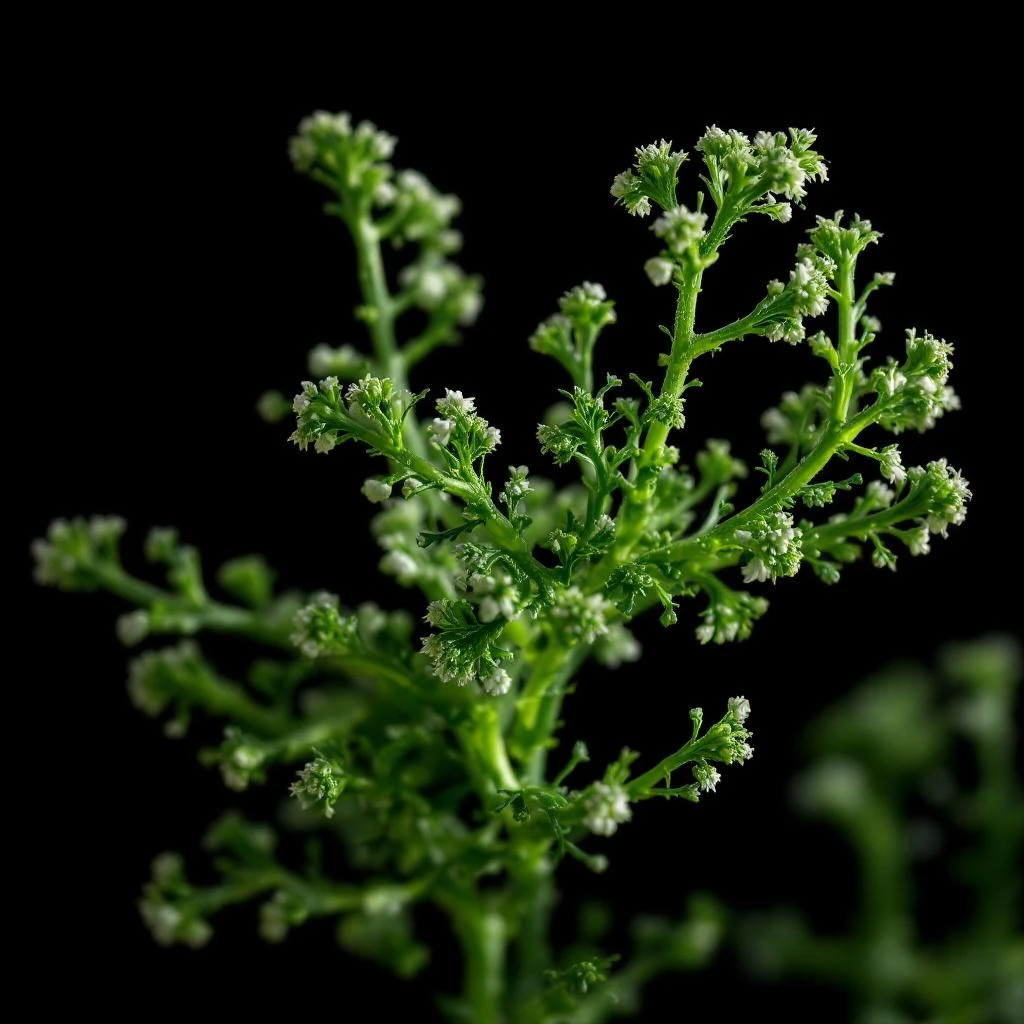
Olive Tree Resin
An ancient Mediterranean fixative with warm, herbaceous depth. Olive tree resin captures the sun-drenched essence of the olea europaea, lending fragrances a quietly powerful, grounding presence that endures.
Character
How it smells
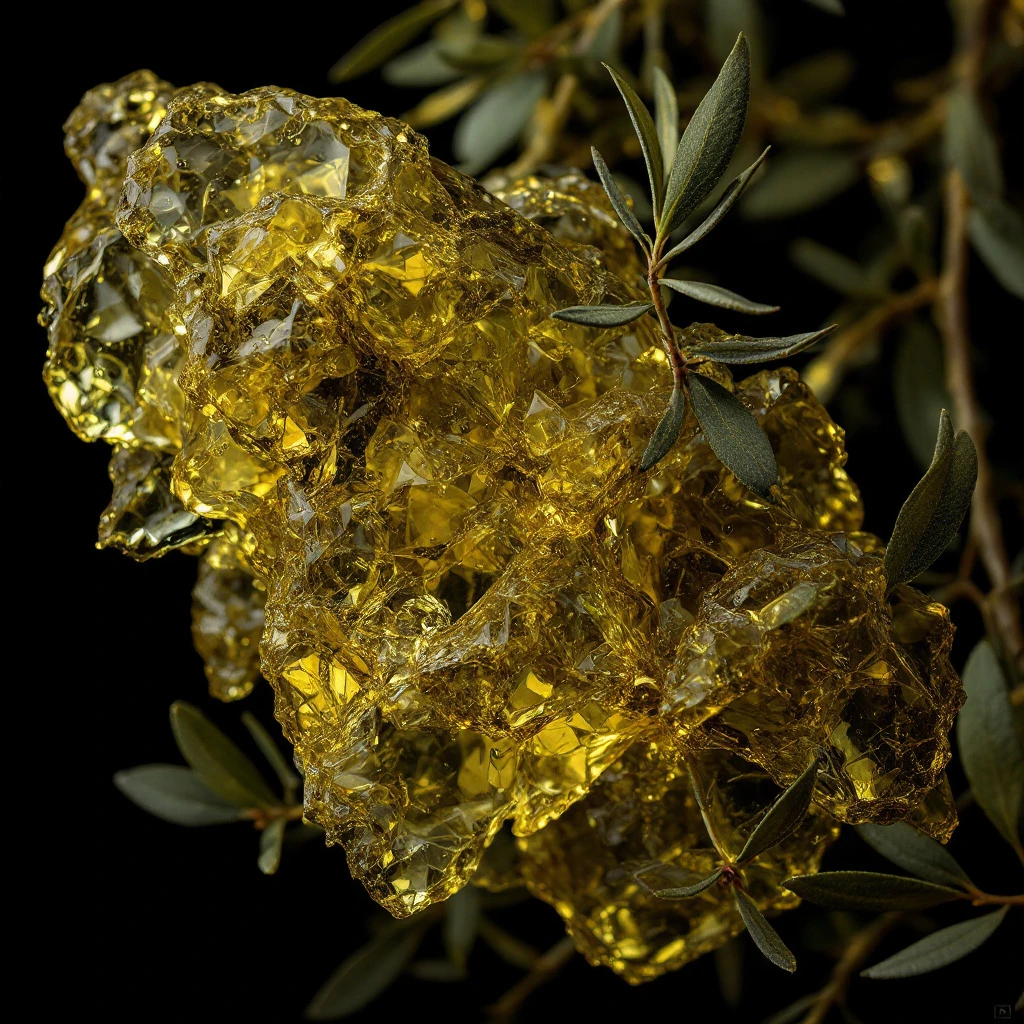
Mediterranean warmth captured in crystalline amber.
Olive trees must be wounded before producing resin, much like the ancient Greeks first discovered.


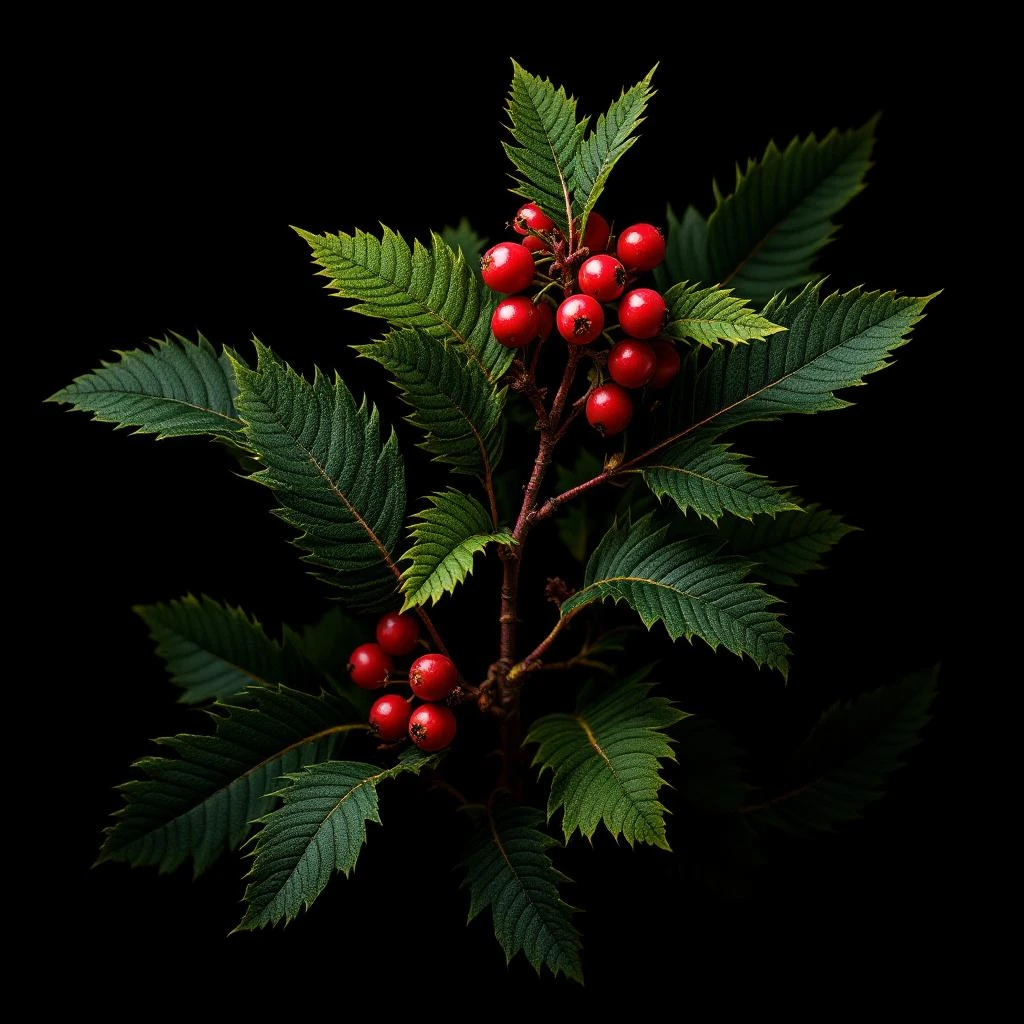

Origin
Greece
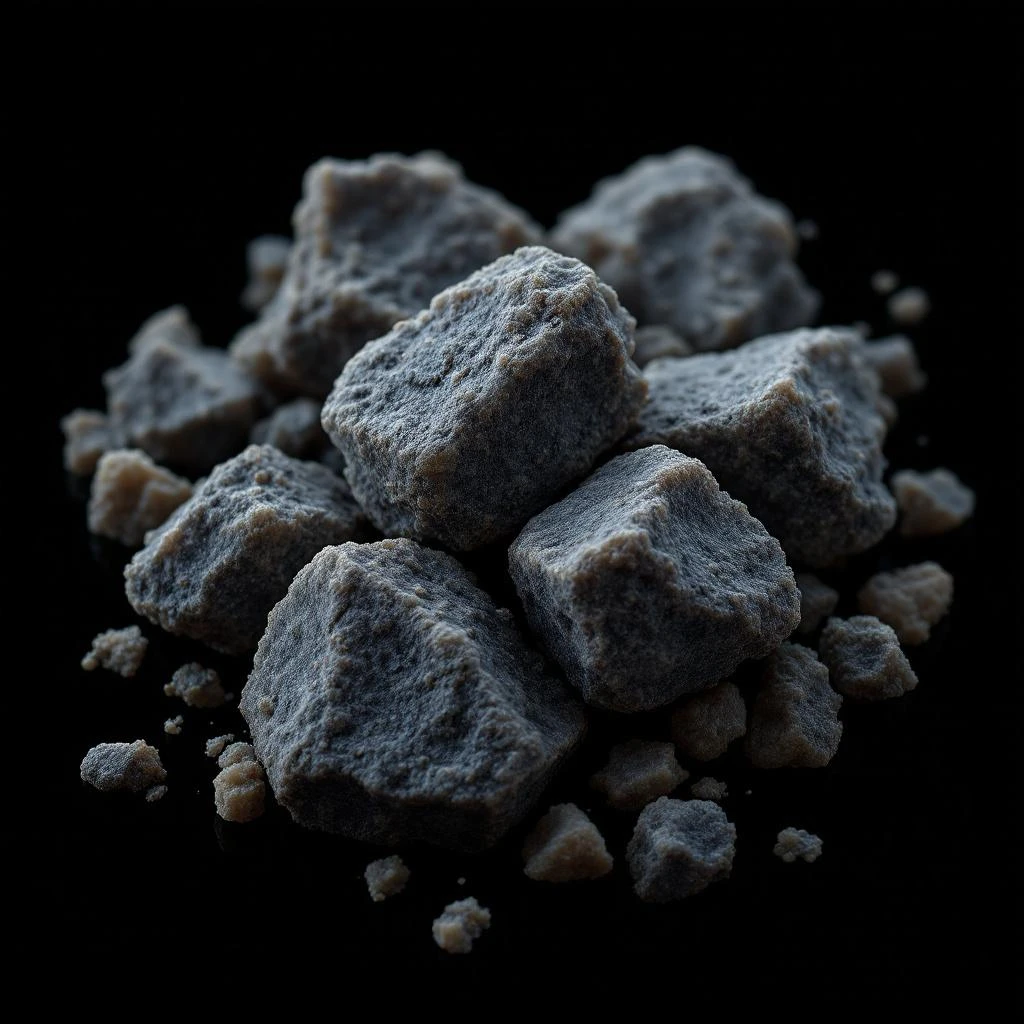
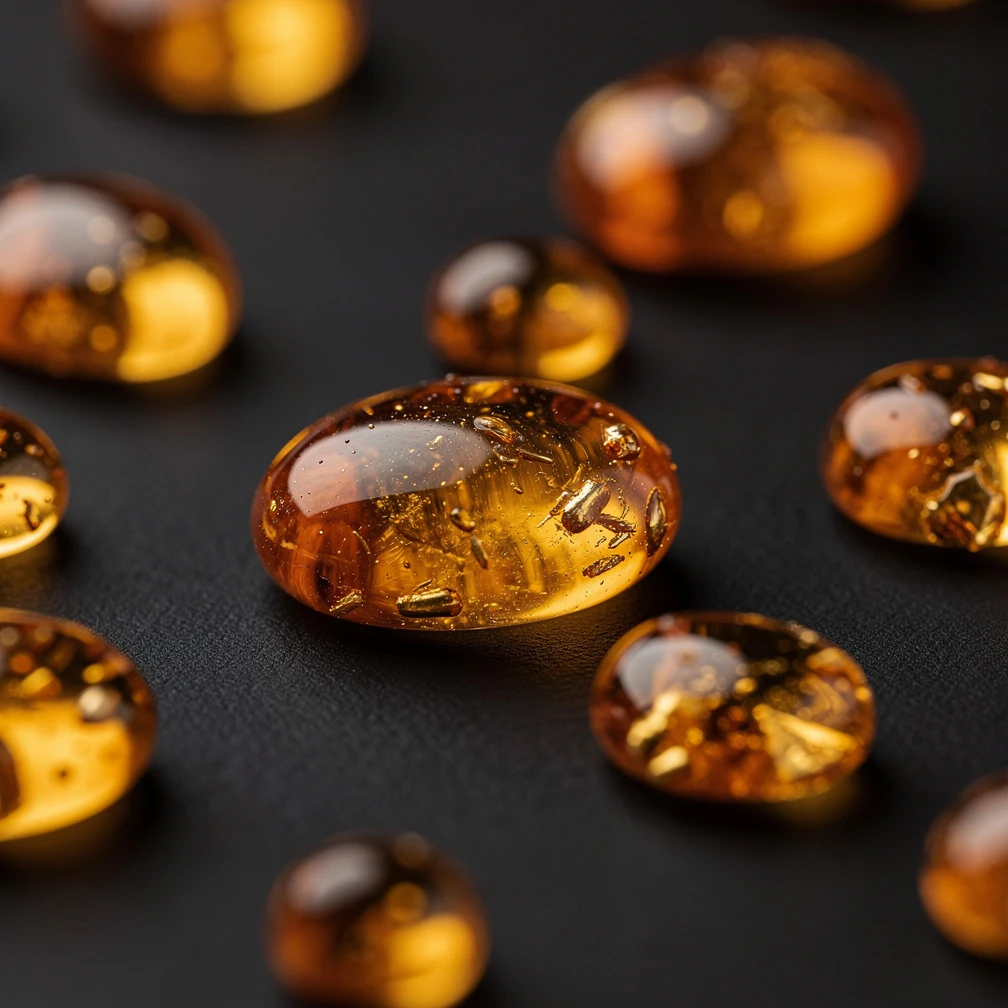
The olive tree has anchored Mediterranean civilization for over 6,000 years, appearing in Mesopotamian records, Egyptian tombs, and Greek mythology. While olive oil dominated commerce, perfumers discovered the tree's resinous secretions held their own aromatic power.
Ancient Phoenician traders carried olive resin alongside frankincense along Mediterranean routes, using it as both incense and fixative. Pliny the Elder documented various tree resins in Roman perfumery, though olive tree resin held particular regional significance in Greek workshops.
The material never achieved the fame of labdanum or frankincense, remaining a hiddennote in traditional Mediterranean fragrance compounds. Today, small-scale producers in the Peloponnese and Crete maintain the practice, supplying a niche but devoted corner of natural perfumery.
Wears it best
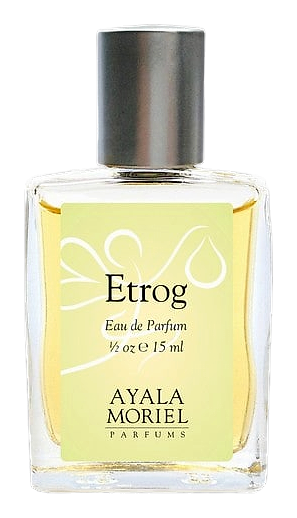
Fragrances featuring Olive Tree Resin
Brands
Brands known for Olive Tree Resin
Good to know
Questions, answered
The essentials on Olive Tree Resin in perfumery: how it smells, where it comes from, and how it behaves on skin.
What does olive tree resin smell like?
Olive tree resin offers warm, slightly bitter, herbaceous notes with underlying green and woody facets. It works as a fixative, adding longevity and depth to fragrance compositions rather than dominating as a top note.
Is olive tree resin commonly used in perfumery?
No. It remains a niche ingredient found primarily in artisan and natural perfume houses. Most mainstream fragrances rely on synthetic alternatives or more common resins like labdanum.
Where does olive tree resin originate?
The Mediterranean basin, particularly Greece, Italy, Spain, Turkey, and Morocco, where Olea europaea has grown for thousands of years.
Does olive tree resin come from olive fruit?
No. The resin derives from the tree's bark and woody tissue, similar to how frankincense or myrrh forms, not from the fruit itself.
Can synthetic alternatives replace olive tree resin?
Partially. Synthetics can approximate the fixative properties, but they rarely replicate the full aromatic complexity of the natural material.
How long has olive tree resin been used in fragrance?
Documented use spans at least 2,000 years, with evidence of Mediterranean perfumers incorporating tree resins including olive well before the Common Era.
What fragrances feature olive tree resin?
It appears primarily in niche and natural perfume collections. Check individual fragrance listings for specific formulas, as ingredient transparency varies by brand.