
The Story
Why it exists.
The beginning
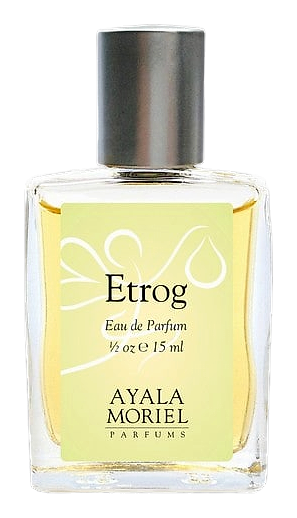
The etrog, Citrus medica, is no ordinary citrus. In Jewish tradition, it is one of the four species taken up during Sukkot, paired with myrtle, willow, and palm. Each represents a different part of the body, a different kind of person, a different kind of faith. The etrog: the heart. The one that smells as good as it looks. The fragrance Etrog draws on this symbolism, the mythic qualities of the original ceremonial fruit, not the sweetness of the supermarket lemon. Released in 2012.
What makes Etrog work as a fragrance is the gap between its ceremonial opening and where it ends up. Citron, grapefruit zest, Japanese mint arrive bright and brisk, the olfactory equivalent of morning light on stone. But poplar buds and olive tree resin shift the composition in unexpected ways. They introduce depth and complexity that moves the fragrance toward resinous, slightly bitter green notes. Frankincense and opoponax arrive as the composition evolves, adding warmth and a resinous sweetness that lingers. Honey absolute contributes a subtle sweetness that never announces itself directly.
The evolution
The first ten minutes are almost aggressive in their clarity. Grapefruit zest and Japanese mint team up to make something sharper than either could alone, clean, green, the smell of intention. Citron holds it together, gives it a slightly waxy, almost floral undertone that grounds the brightness before it gets away. Then the poplar buds arrive, and everything softens without getting soft. There's honey here, but it's not sweet honey, it's the smell of sap, of something living. Frankincense, olive tree resin, and opoponax follow, layering into the composition as time passes. The citrus phase gradually recedes, giving way to resin, warmth, and a faint animalic breath that stays close to the skin. The overall trajectory moves from bright and green to deep and resinous, with the heart notes taking over as the top notes fade.
Cultural impact
Etrog occupies an unusual space in niche perfumery, a fragrance built around a fruit with deep religious and cultural significance, rendered in a style that feels both ancient and contemporary. It appeals to wearers who find meaning in specificity: the etrog isn't a metaphor, it's the real thing. Those who wear it tend to be people who chose it deliberately, drawn by the symbolism or the unusual poplar heart. The fragrance has a quiet presence that rewards attention rather than demanding it.