Ocean Air
The synthetic marine accord that captures the fresh, ozonic spirit of sea air. Ocean Air delivers crisp, airy freshness impossible to extract from nature, bringing coastal immediacy to modern fragrances.
Character
How it smells
Liquid coastal air, captured in a bottle.
Marine notes only emerged in perfumery in the late 1980s, revolutionizing the industry and launching the aquatic fragrance category almost overnight.
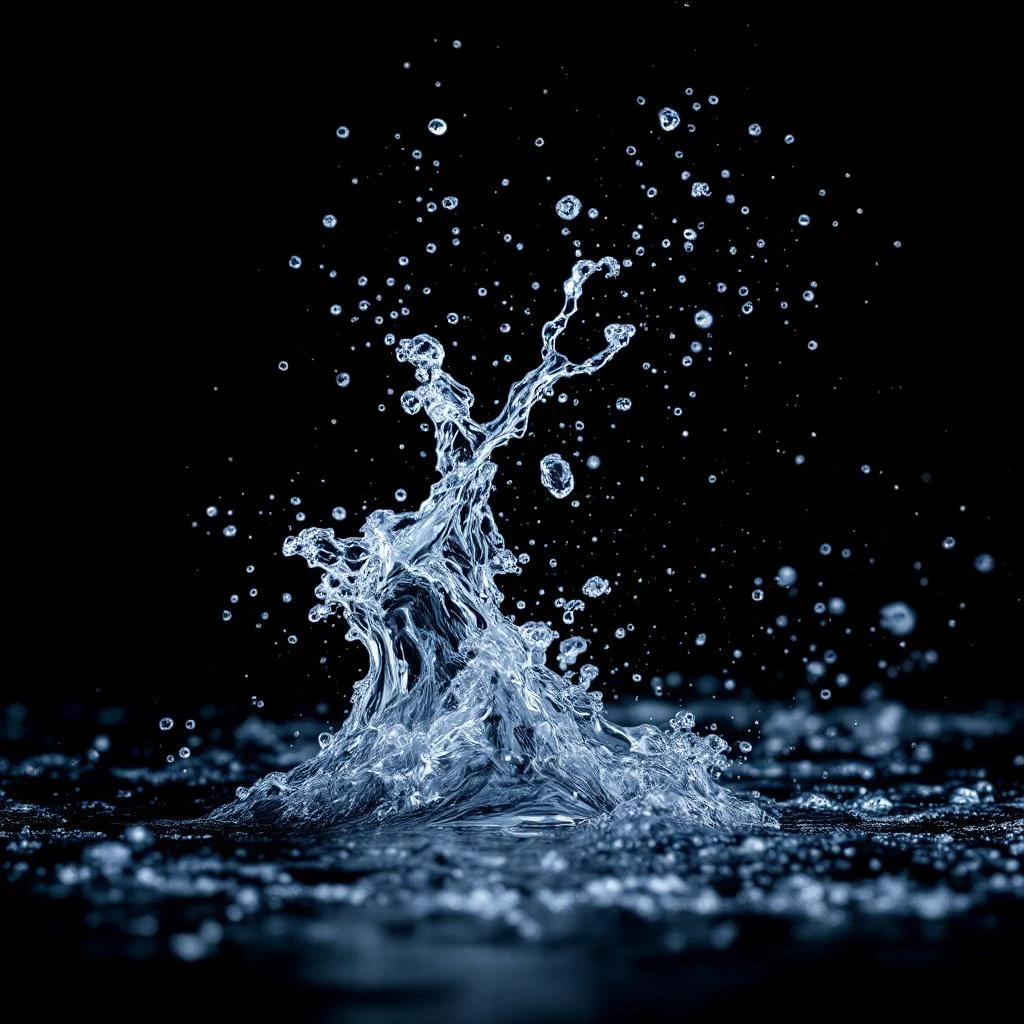
Origin
France
The story of marine notes in perfumery begins in 1988 when fragrance chemist Philip Charpentier synthesized Calone (BTPE) while developing an anti-ulcer medication. Rather than a drug, he had created something unexpected: a molecule with extraordinary ozonic, fresh qualities. The following year, perfumer Françoise Caron created Aqua Universal by Douceur for Sawaswati, marking one of the first fragrances built around this new marine accord.
Then came the seismic shift: in 1992, Olivier Multon created Angel for Mugler using Calone prominently, and the aquatic fragrance category exploded. By the 2000s, marine notes had become essential building blocks in masculine and feminine fragrances worldwide, reshaping consumer expectations for freshness in perfume.
Wears it best
Fragrances featuring Ocean Air
Brands
Brands known for Ocean Air
Good to know
Questions, answered
The essentials on Ocean Air in perfumery: how it smells, where it comes from, and how it behaves on skin.
What is Ocean Air in perfumery?
Ocean Air is a synthetic marine accord composed of ozonic and aquatic-smelling molecules. It mimics the fresh, breezy quality of sea air without requiring any natural source material.
When did marine notes first appear in perfume?
Marine notes emerged in 1989 with the creation of Calone (BTPE), a synthetic molecule that revolutionized aquatic fragrance design and launched an entirely new category of perfumes.
What fragrances feature Ocean Air notes?
Ocean Air appears across countless modern fragrances, from Chanel Allure Homme Sport to Issey Miyake L'Eau d'Issey. It typically forms the top note in aquatic, fresh, and sport fragrances.
What molecules create the marine effect?
Calone (watermelon ketone) provides the signature ozonic quality. Perfumers also use compounds like Hivernal, Adoxal, and Trimenyl acetate to build fuller, more complex marine accords.
How long does Ocean Air last on skin?
Marine notes typically evaporate within 1-3 hours as top notes. Longevity varies by concentration and formulation, with specialized fixatives sometimes extending the scent trail.
What notes pair well with Ocean Air?
Ocean Air complements citrus, white woods, transparent florals, and green notes. It brightens woody bases and adds freshness to sweeter oriental compositions.
Is Ocean Air natural or synthetic?
Ocean Air is entirely synthetic. No natural source captures the ozonic quality of sea air, making laboratory creation the only viable method for this note.
Are Ocean Air notes safe to use?
Ocean Air accords use established aromatic molecules with extensive safety data. IFRA regulations govern usage concentrations, ensuring consumer safety in compliant formulations.