Coastal Redwoods
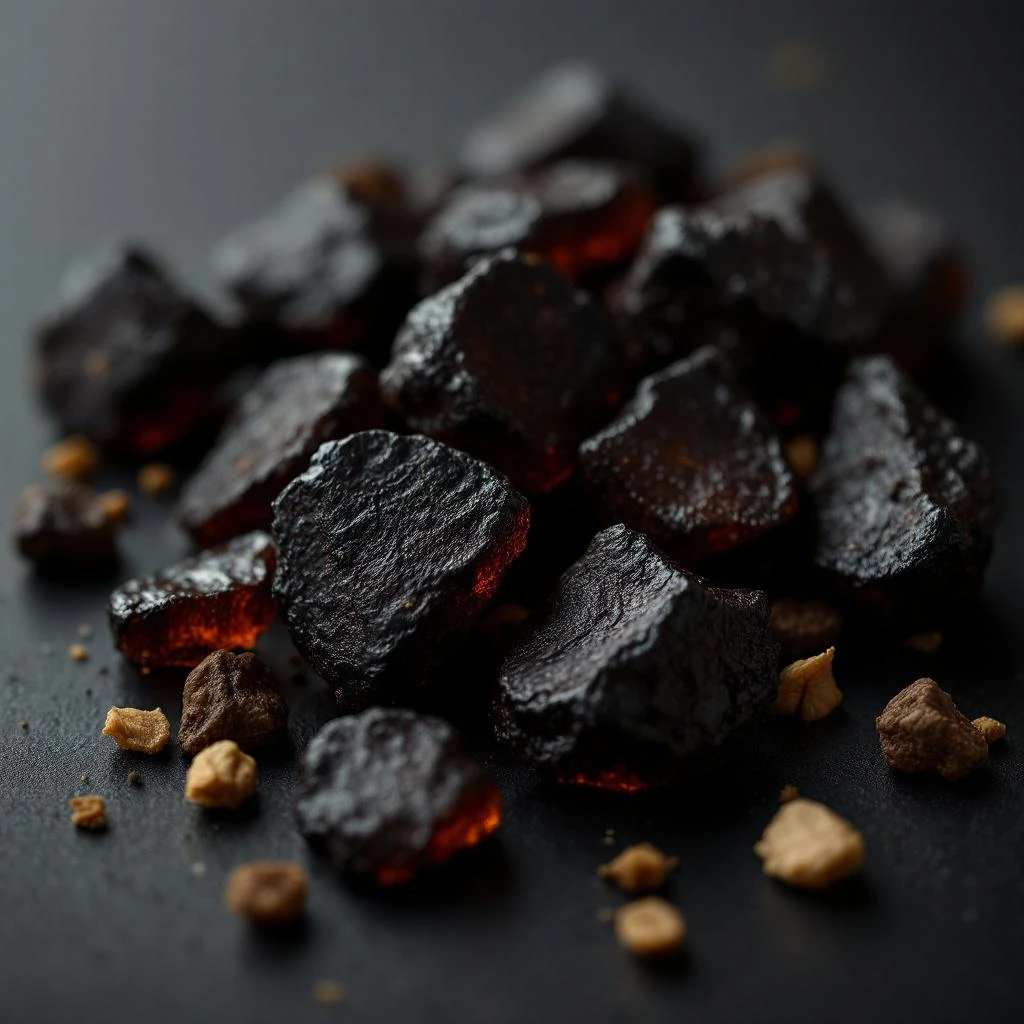
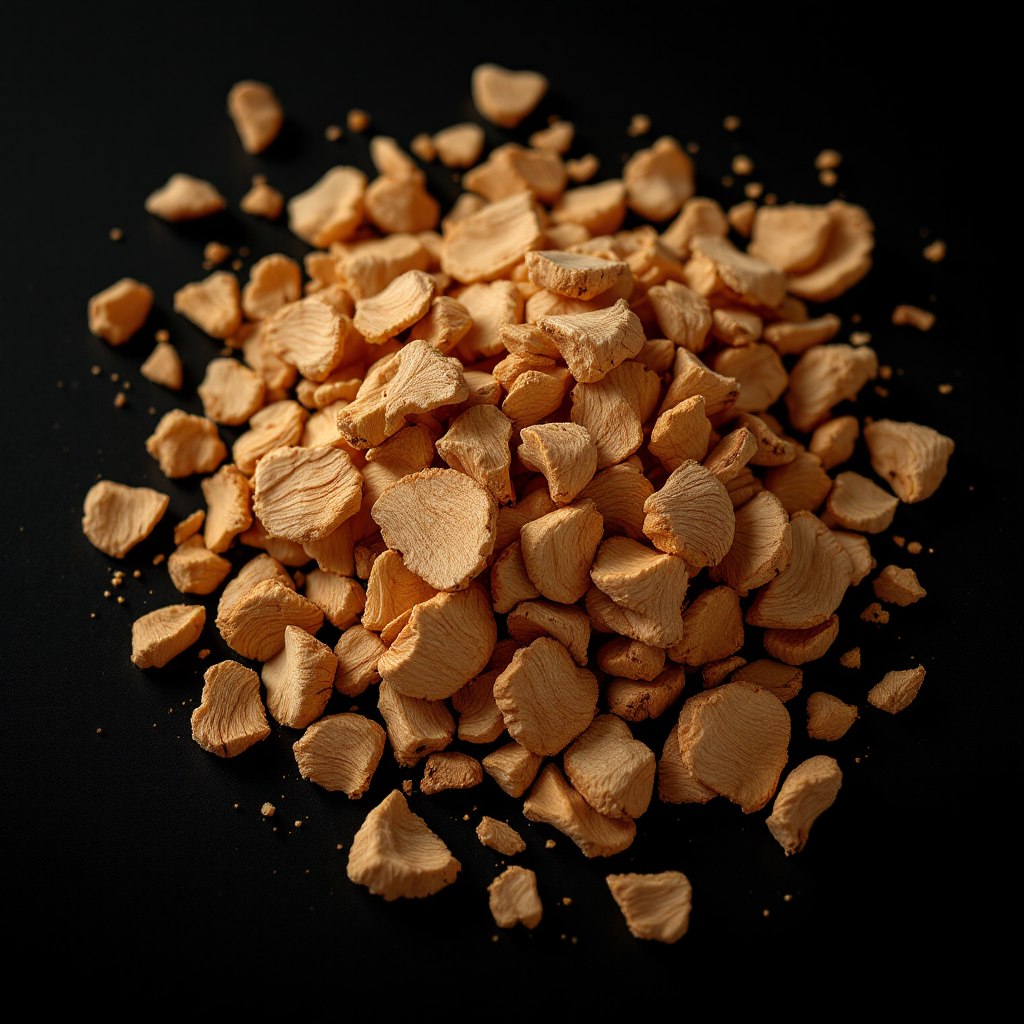
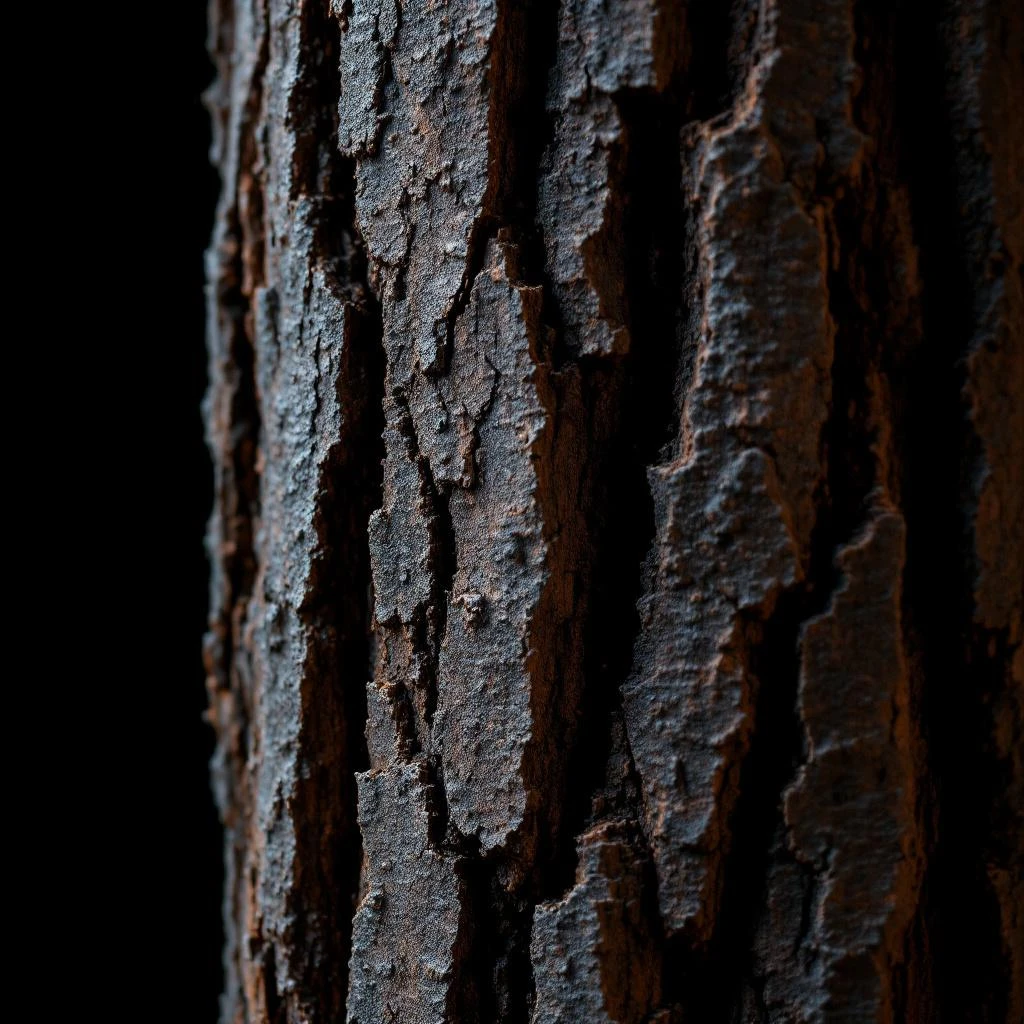
Coastal redwood bark distills into one of perfumery's rarest materials. The oil carries the forest's deepest memory: resinous, tannin-dark, with a drydown that lingers like morning fog among ancient trees. Only a handful of artisans work with it.
Character
How it smells
Ancient forest, captured in scent.
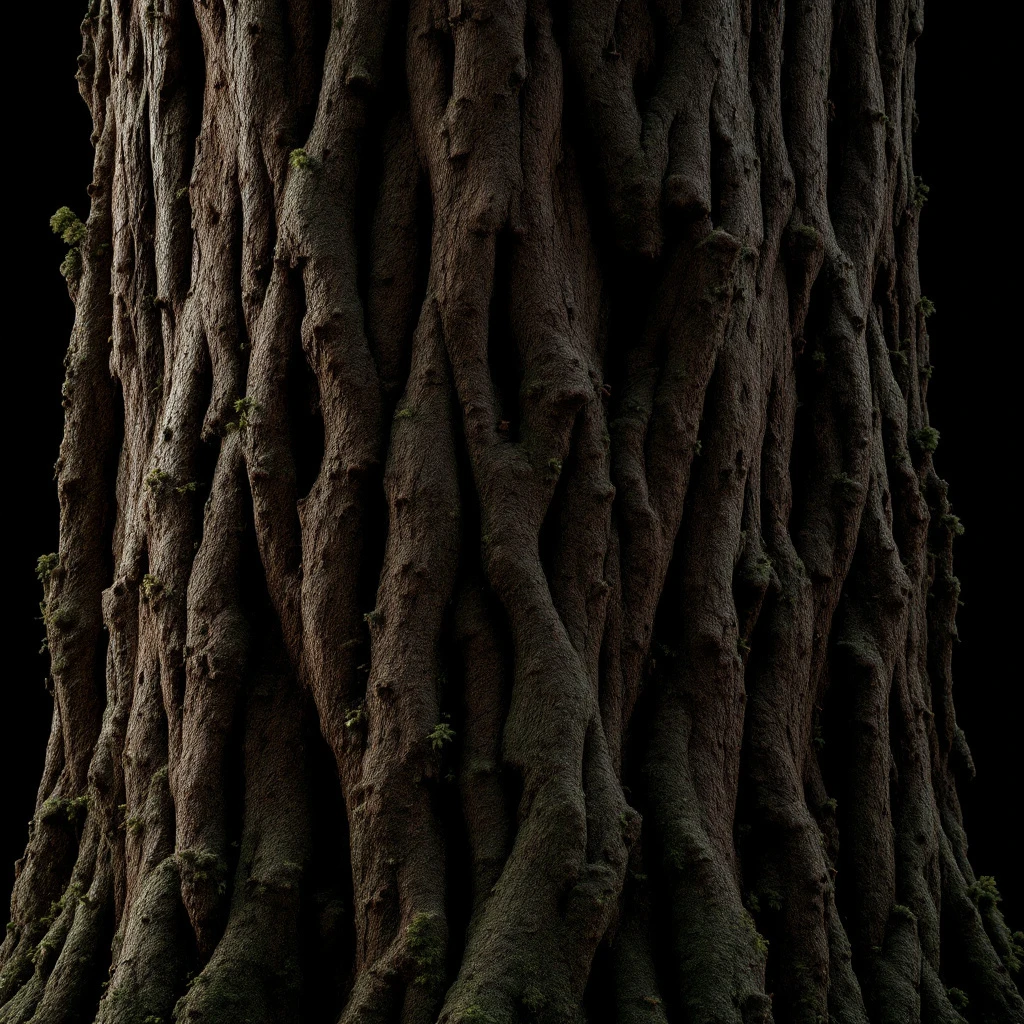
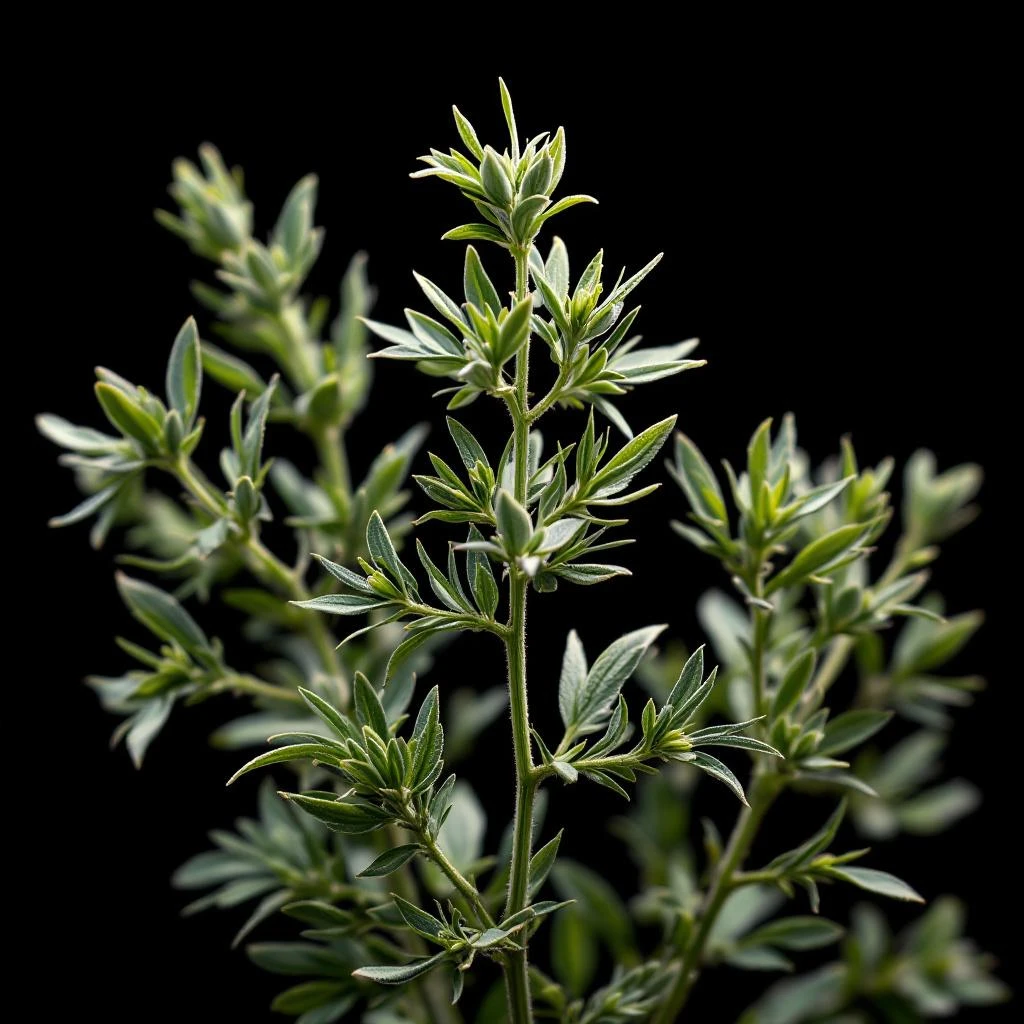
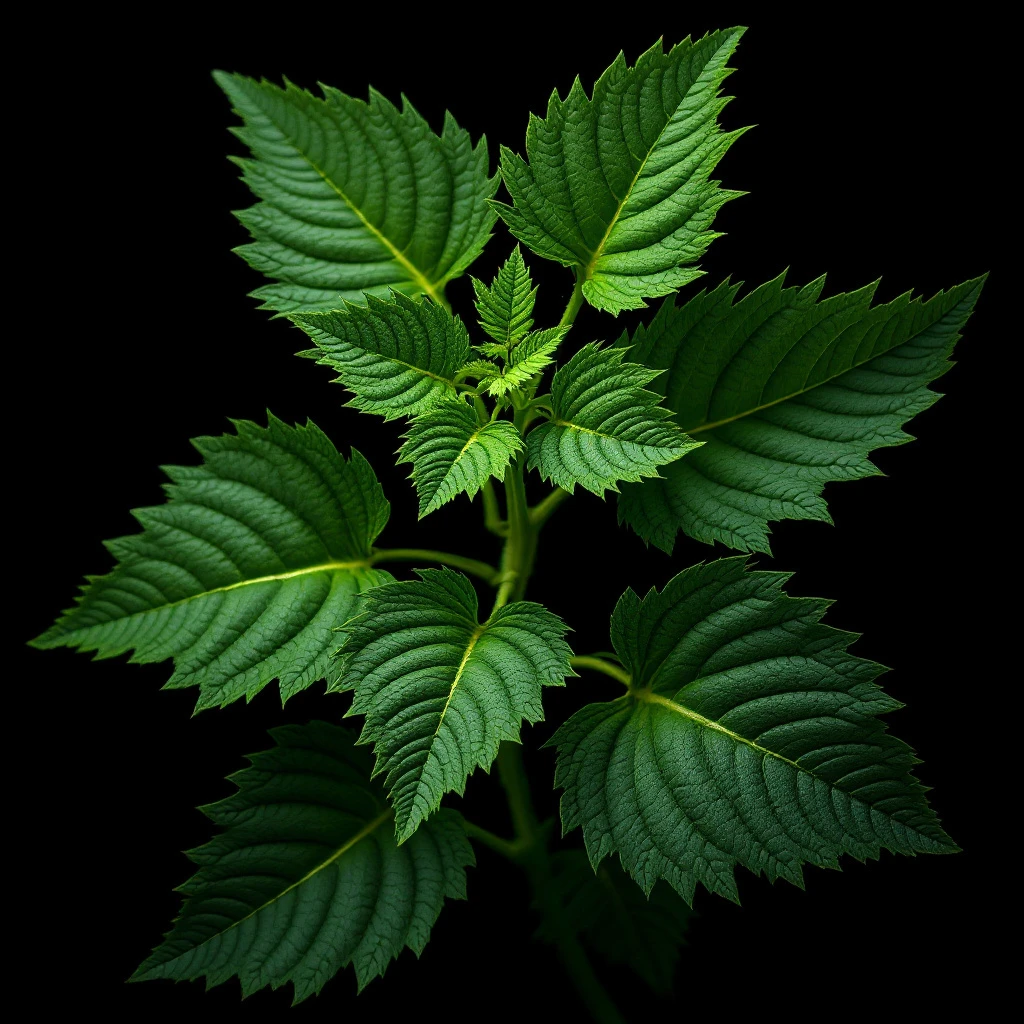
Coastal redwoods are the tallest living trees on Earth, with some specimens exceeding 380 feet in height and living for more than 2,000 years.

Origin
United States
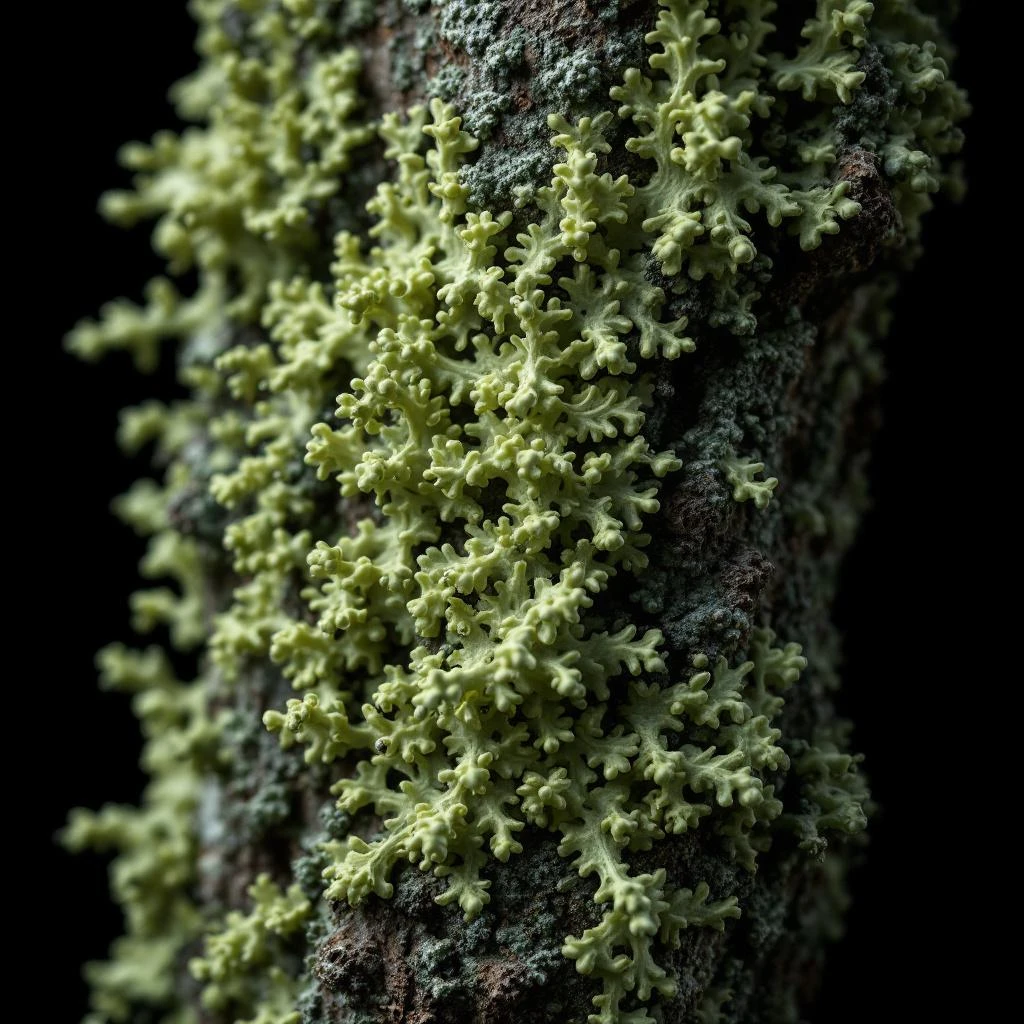
Coastal redwoods have stood in the misty Pacific Northwest for millennia. Indigenous communities of the region developed deep relationships with these trees, using the bark for building, medicine, and ceremony long before perfumery existed as a practice. Redwood essential oil entered perfumery much later, when 19th-century California attracted botanical explorers captivated by the state's extraordinary fragrant landscapes.
Early American perfume pioneers began experimenting with the state's native botanicals, including redwood, as synthetic materials transformed the global fragrance industry. Today, redwood remains a niche material, carried forward by a small community of distillers who forage fallen trees in Humboldt County and along the Oregon border.
Wears it best
Fragrances featuring Coastal Redwoods
Brands
Brands known for Coastal Redwoods
Good to know
Questions, answered
The essentials on Coastal Redwoods in perfumery: how it smells, where it comes from, and how it behaves on skin.
What does coastal redwood smell like in perfume?
Redwood bark oil has a warm, resinous, slightly smoky character with dry woody undertones. It resembles a deeper, darker version of conifer notes, with prominent tannins that create a distinctly forest-floor quality.
Is coastal redwood oil sustainable to use?
When sourced from fallen wood or salvage operations, redwood oil is sustainable. Harvesting from living trees is not practiced. Reputable distillers work exclusively with already-fallen material, making responsible sourcing straightforward to verify.
What type of note is redwood in perfumery?
Redwood functions as a base note. It anchors compositions with resinous depth and contributes significant longevity to the drydown. Its tannic quality makes it especially suited for the foundational stages of a fragrance.
What pairs well with redwood in fragrance?
Redwood harmonizes naturally with other conifer notes, vetiver, citrus, amber, and green accords. It blends particularly well with cedar, pine, and潮湿 forest-inspired materials to build layered forest compositions.
How rare is redwood oil in perfumery?
Redwood oil is genuinely uncommon. Only a small number of artisanal distillers in Northern California work with it. Most operate at a very small scale, producing limited quantities each year from salvaged or fallen wood.
Which parts of the redwood tree are used?
The bark and heartwood yield the most aromatic material. Fallen branches and driftwood also contribute usable material. The bark specifically carries high concentrations of tannins that define redwood's signature scent.
How is redwood oil different from cedarwood?
Redwood is generally darker, more resinous, and more tannic than cedarwood. It carries earthy, forest-floor qualities rather than cedar's cleaner, more pencil-shavings-like character. The two are related in spirit but distinctly different in practice.
What role does redwood play in fragrance composition?
Redwood adds brooding depth and natural authenticity to woody fragrances. Its scarcity and distinctive character make it a signature material for perfumers seeking a Pacific forest identity. It works best in the base, providing lasting presence.