Nigella
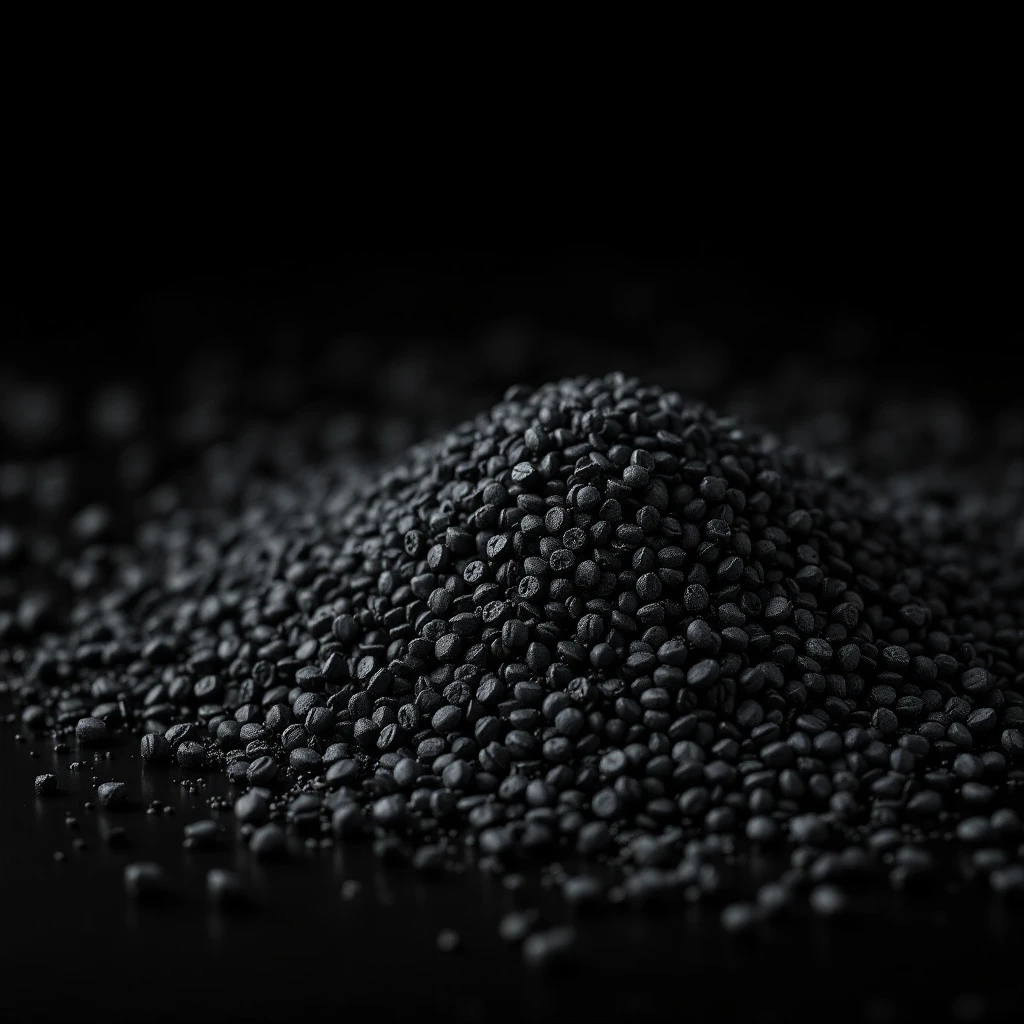
Nigella, or black seed, brings a complex spicy-aromatic character to perfumery. Its seeds yield an oil with warm, peppery, and slightly bitter facets that add depth and intrigue to fragrance compositions.
Character
How it smells
Warm spice from ancient fields
Prophetic tradition references black seed as a cure for everything except death, earning it the nickname 'seed of blessing' across Middle Eastern cultures.


Origin
India
Nigella sativa has grown wild across the Eastern Mediterranean, Western Asia, and the Indian subcontinent for over three thousand years. Ancient Egyptians included black seed in their aromatic preparations, and Egyptian tomb paintings suggest its use in ceremonial contexts.
The plant gained prominence in Islamic medicinal tradition; Prophet Muhammad reportedly referenced it as a cure for many ailments, cementing its status throughout Arab perfumery and apothecary traditions. Indian Ayurvedic practice adopted black seed centuries ago, incorporating it into both culinary and aromatic preparations.
European perfumers began experimenting with the oil during the colonial era as trade routes opened. Today, traditional perfumers in Damascus and Lucknow still use black seed oil in their attars and fragrant blends, maintaining a lineage that stretches back millennia.
Wears it best
Fragrances featuring Nigella
Brands
Brands known for Nigella
Good to know
Questions, answered
The essentials on Nigella in perfumery: how it smells, where it comes from, and how it behaves on skin.
Is nigella commonly used in modern perfumery?
Nigella appears infrequently in perfumery due to limited availability and strong aroma. When used, perfumers employ it at very low concentrations, typically below 0.5% of a formula, to add warm, spicy depth. It works best in oriental fragrances and aromatic blends seeking exotic character.
What does nigella smell like in a fragrance?
Black seed oil presents warm, peppery top notes with slightly bitter undertones and a faint herbal character reminiscent of thyme and oregano. The dry-down reveals a persistent aromatic warmth that pairs well with amber, woods, and other spices.
How does nigella compare to black pepper or cumin in perfumery?
Nigella shares peppery qualities with black pepper but offers greater aromatic complexity. Unlike cumin's direct earthy-spicy character, black seed provides a more nuanced blend of warmth, slight bitterness, and herbal depth. Many perfumers consider it the more sophisticated choice for subtle spicing.
Can I smell nigella in any famous fragrances?
Black seed appears primarily in niche and Middle Eastern fragrance houses rather than mass-market perfumes. It features more prominently in traditional attars and oil-based fragrances where its warming qualities complement oud, rose, and amber compositions.
Is black seed oil safe for skin application in fragrances?
IFRA guidelines classify nigella oil as a potential skin sensitizer requiring dilution. Professional perfumers use it at controlled concentrations, and reputable brands formulate with appropriate dilution to ensure skin safety.
Where does the best nigella oil for perfumery originate?
Syrian and Indian black seed oils rank among the finest for perfumery use. Syrian oil tends toward sweeter, warmer notes while Indian varieties often display sharper, more peppery characteristics. Both regions have centuries of cultivation expertise.
Does synthetic nigella exist for perfumery?
No complete synthetic substitute replicates black seed oil's complex profile. Some perfumers use thymoquinone isolates or blends of thymol, carvacrol, and pinene to approximate its spicy-herbal character, though these lack the full natural oil's nuance.