Nectaryl
A sweet, fruity synthetic peach note that adds warmth and tropical depth to modern fragrances. Developed for its distinctive stone-fruit character.

Character
How it smells
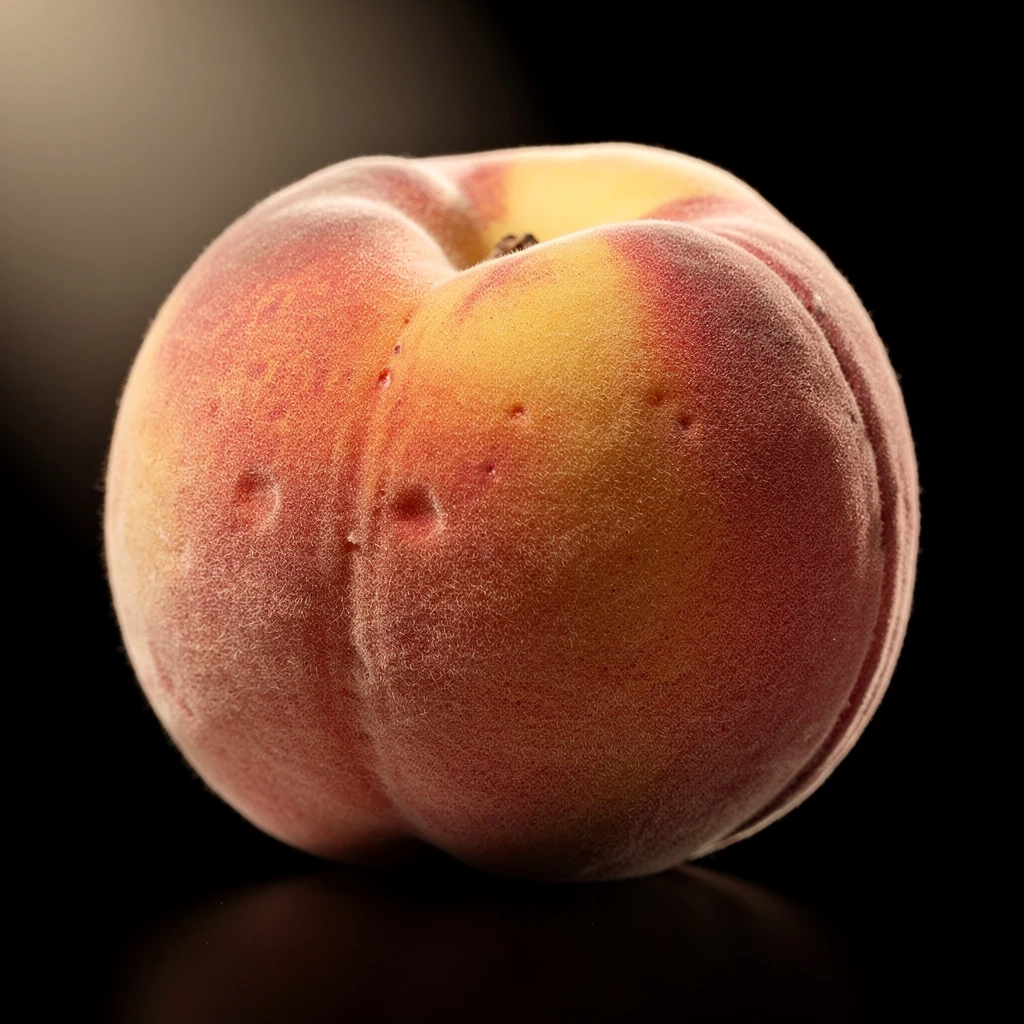
Sweet peach sweetness in molecular form.
Before Nectaryl, capturing a true peach note required actual fruit extracts. This synthetic changed that, letting perfumers dial in exact peach intensity.




Origin
France
Modern perfumery began shifting in the late nineteenth century when commercial synthesis of vanillin and coumarin opened new creative territory. The twentieth century accelerated this transformation as chemical companies invested in systematic synthesis programs targeting specific odor profiles. Nectaryl emerged from this era of molecular exploration, developed as the fragrance industry sought to replicate and improve upon fruity notes found in nature.
Its creation reflects how synthetic chemistry expanded creative possibilities beyond the limitations of natural sourcing. The compound represents one of hundreds of purpose-designed aroma chemicals that now form the backbone of contemporary fragrance formulation.
Wears it best
Fragrances featuring Nectaryl
Brands
Brands known for Nectaryl
Good to know
Questions, answered
The essentials on Nectaryl in perfumery: how it smells, where it comes from, and how it behaves on skin.
What does Nectaryl smell like?
Nectaryl has a sweet, fruity aroma with distinct peach characteristics, tropical undertones, and a subtle floral quality. It functions as a rounding ingredient that lends warmth and gourmand sweetness to fruit compositions, floral bouquets, and ambient fragrance blends.
Is Nectaryl natural or synthetic?
Nectaryl is entirely synthetic. It was developed through twentieth-century organic synthesis as the fragrance industry expanded beyond natural ingredients. Its creation reflects how chemical innovation opened new olfactory possibilities that natural sourcing alone could not provide.
When was Nectaryl created?
Nectaryl emerged during the twentieth-century expansion of synthetic fragrance chemistry. Following breakthroughs with vanillin and coumarin in the late 1800s, the industry systematically developed purpose-designed aroma chemicals, including peach-like materials such as Nectaryl.
How is Nectaryl made?
Nectaryl is produced via industrial esterification, combining cyclohexanol derivatives with acetic compounds in controlled chemical reactions. This synthetic process ensures batch-to-batch consistency and allows precise tuning of the final material's odor profile.
What fragrance family uses Nectaryl?
Nectaryl appears across fruity, chypre, and amber fragrance families. It is valued for its peach-like qualities and frequently used in fine fragrances, cosmetics, and personal care products where a sweet, fruity character enhances the overall composition.
Is Nectaryl safe to use in perfumes?
Nectaryl is approved for use by the International Fragrance Association (IFRA). Regulatory authorities have evaluated it for safe use in the concentration levels specified for perfumes and cosmetic applications.
Does Nectaryl occur naturally?
Nectaryl does not occur in nature in appreciable quantities. It must be synthesized entirely through industrial chemical processes. Its ester structure shares some aromatic similarities with natural esters found in fruits like peaches.
What chemical family does Nectaryl belong to?
Nectaryl belongs to the ester chemical family. Esters generally contribute fruity, sweet, and often floral notes. This classification distinguishes Nectaryl from aldehydes, ketones, and other fragrance chemical families.