Nectar
Nectar is the sweet, golden essence that flowers produce to attract pollinators. In perfumery, it describes a rich, syrupy sweetness that captures the honeyed heart of blooms like orange blossom and jasmine, lending depth and warmth to fragrance compositions.
Character
How it smells
The honeyed sweetness captured from flowering plants.
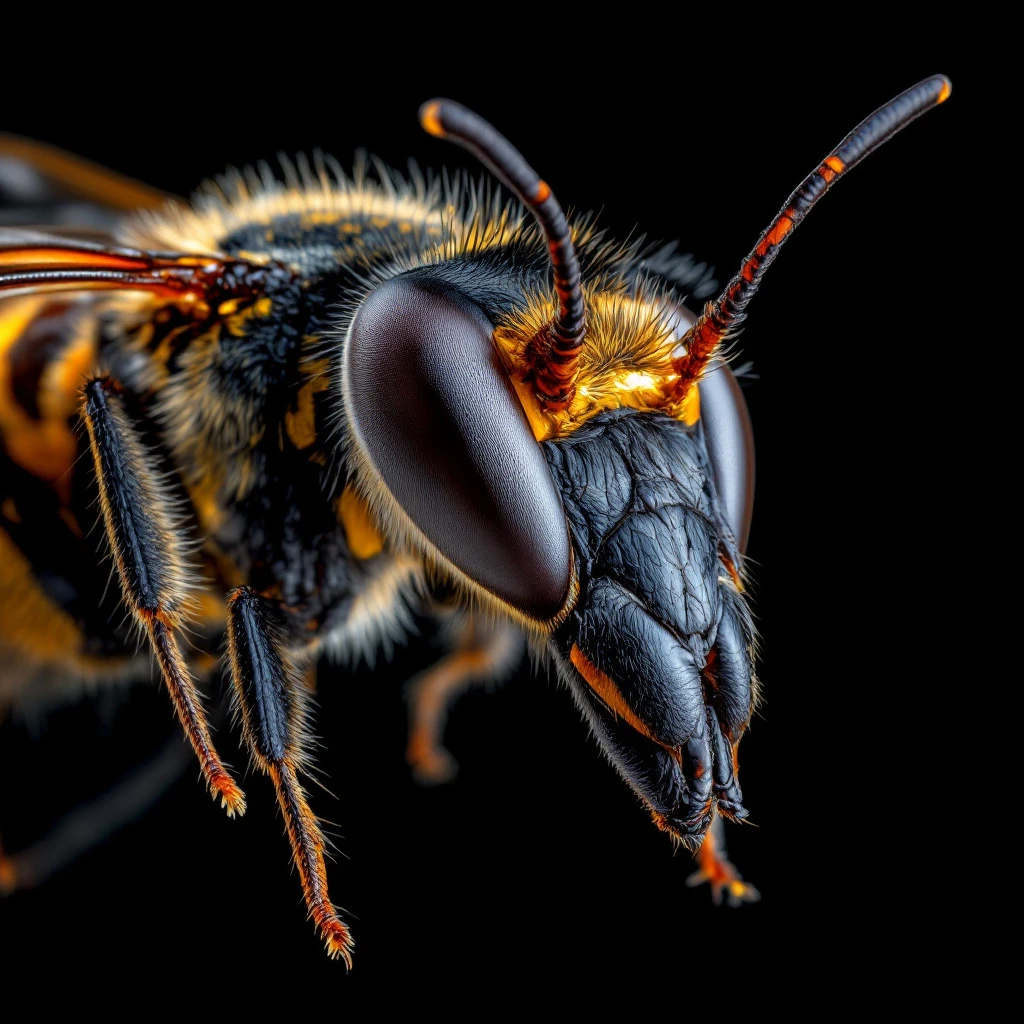
Bees visit up to 500 flowers daily to gather nectar, which they transform into a single pound of honey through regurgitation and evaporation.



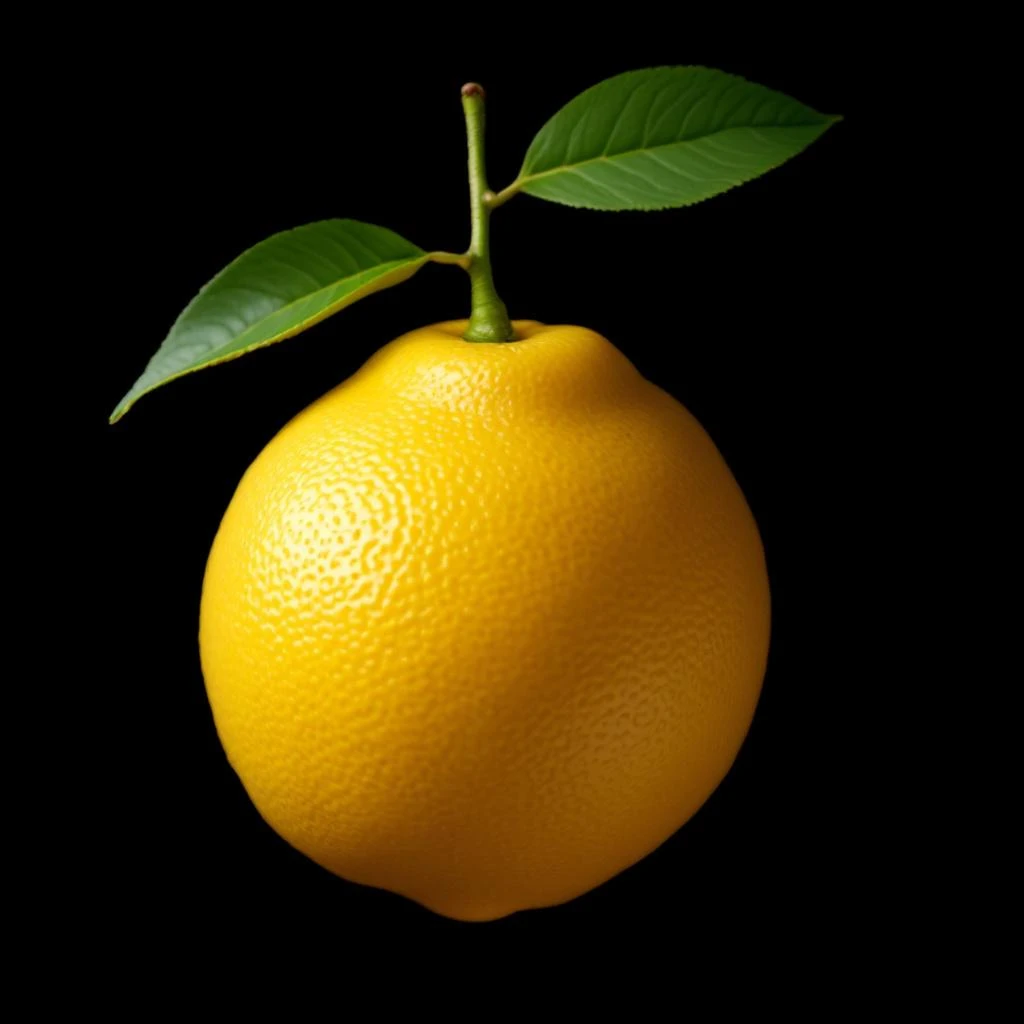
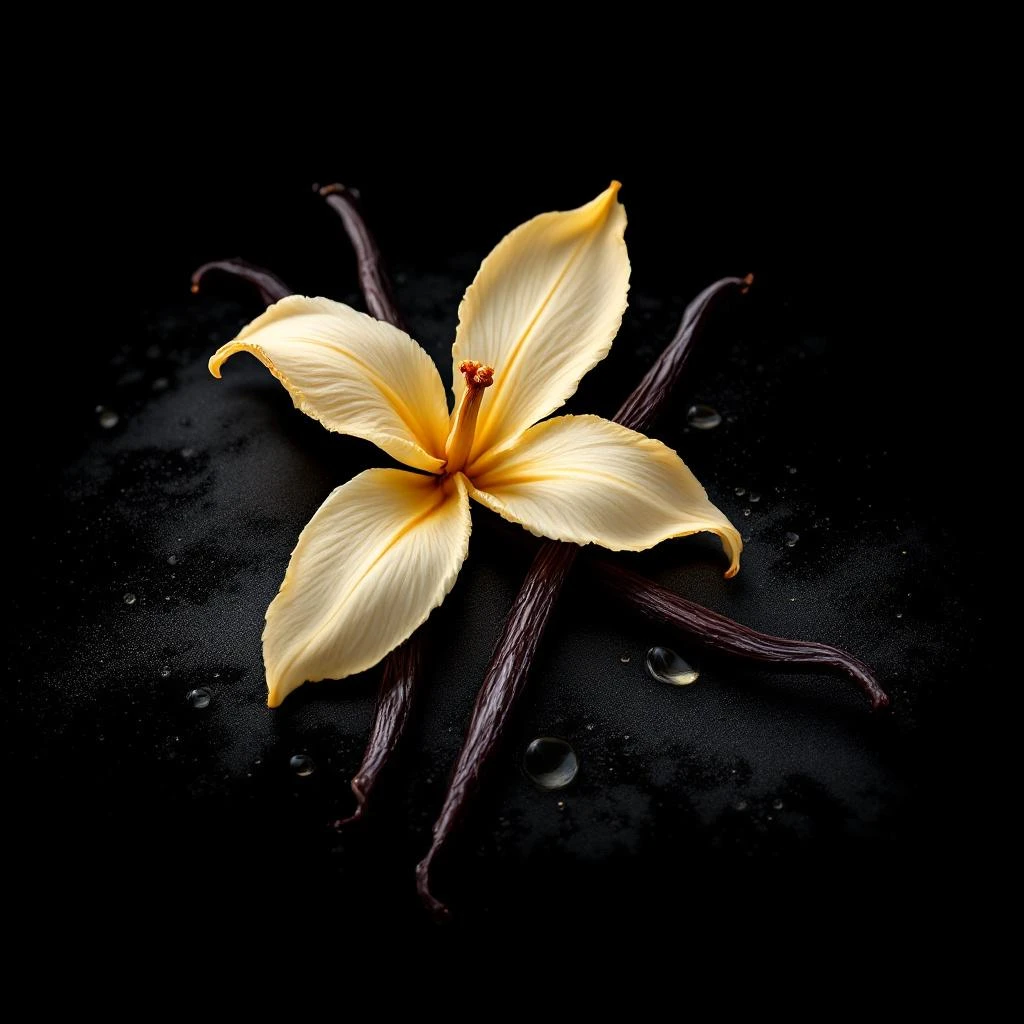
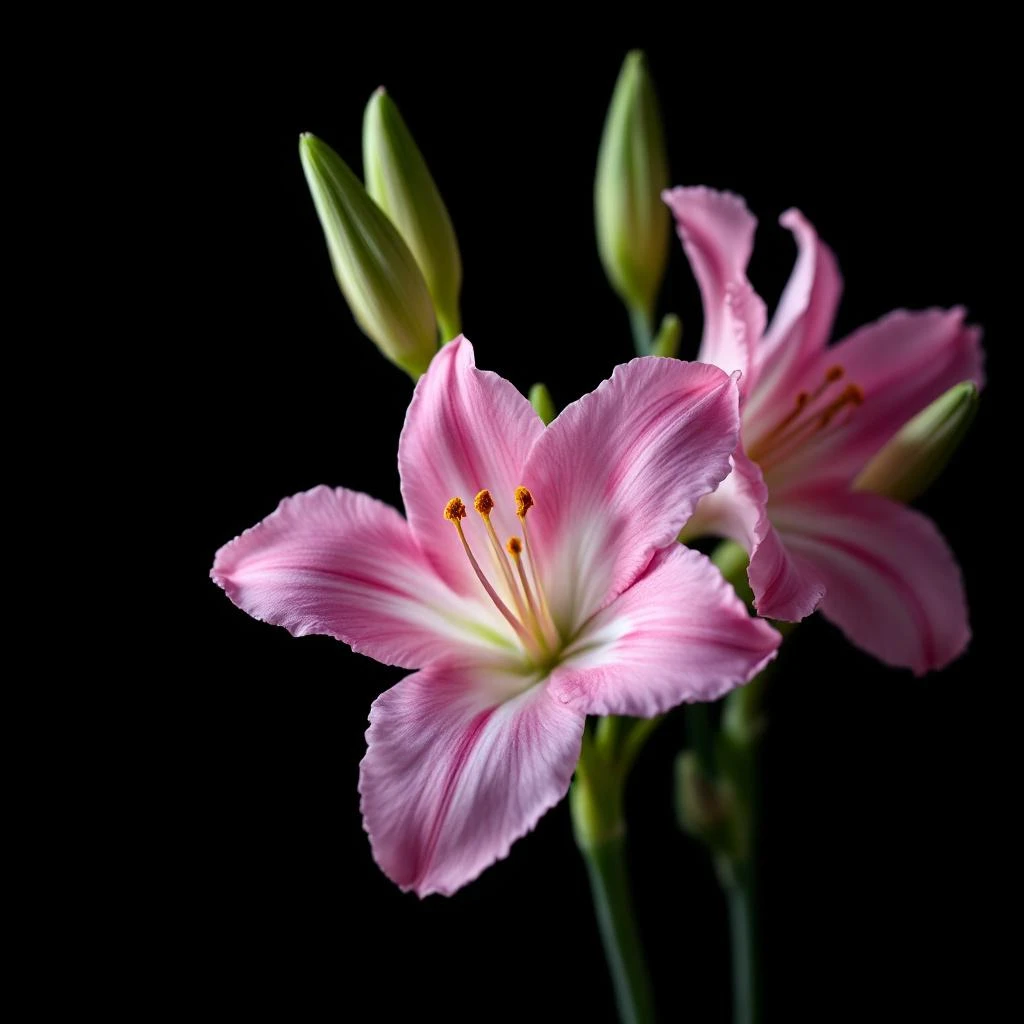

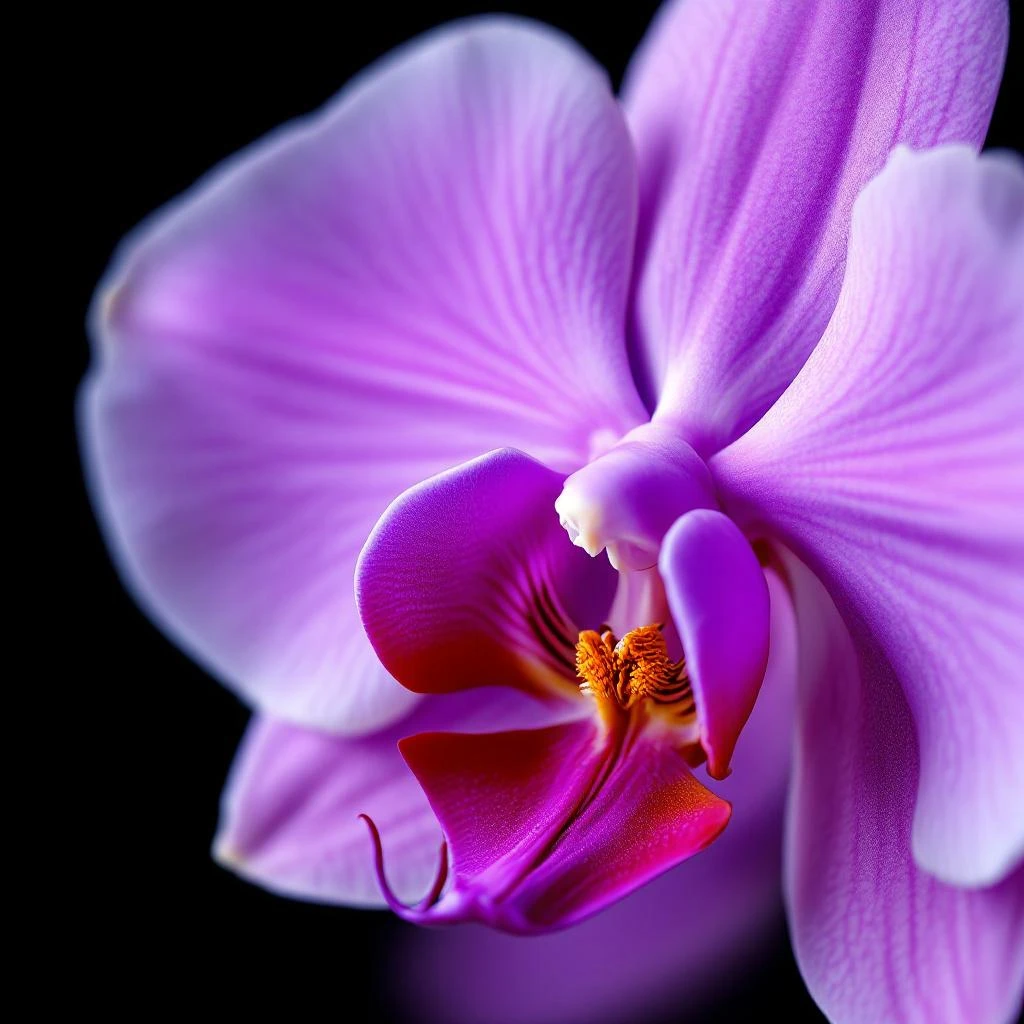
Origin
France
The word nectar traces to Greek mythology, where it referred to the drink of the gods, conferring immortality to those who consumed it. Ancient Egyptians collected floral nectars by pressing flower petals to capture their aromatic essences, using these materials in religious ceremonies and cosmetics. The Persian physician Ibn al-Baitar documented honey-based perfumery preparations in the 13th century, describing methods for extracting aromatic compounds from floral sources.
Traditional perfumers in Grasse, France, began systematically working with floral nectars in the 18th century, developing extraction techniques that preserved the sweet, complex character of flower-derived materials. Modern perfumery expanded the concept of nectar beyond pure botanical extracts to include synthetic interpretations that reliably reproduce this honeyed sweetness across batches and seasons.
Wears it best
Fragrances featuring Nectar

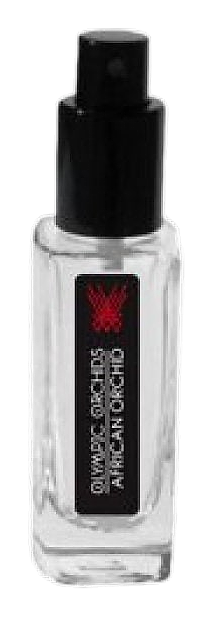
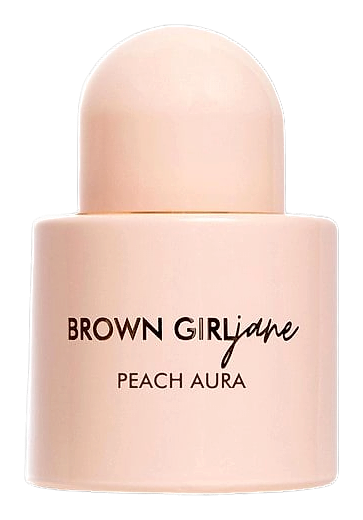

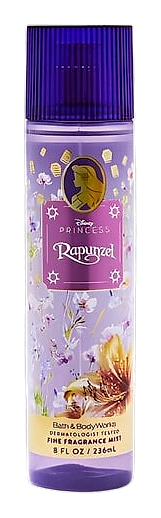
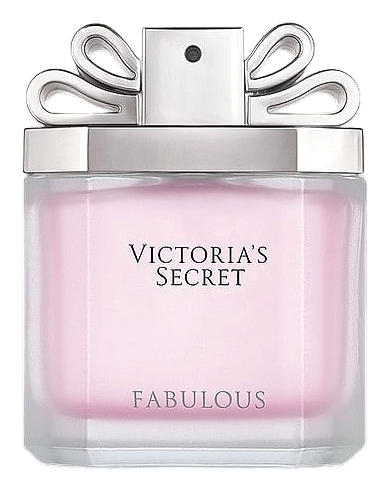
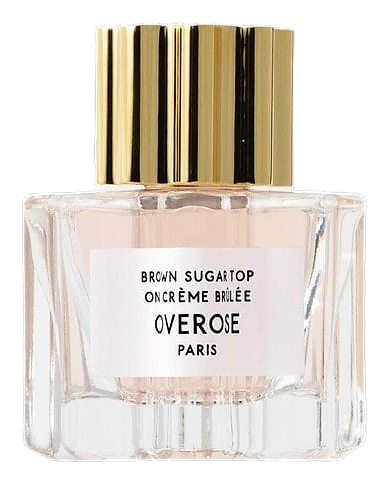
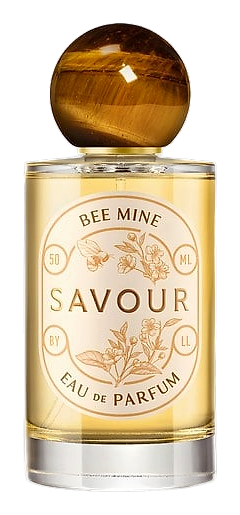
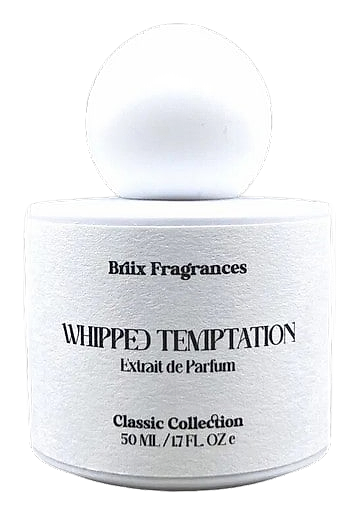
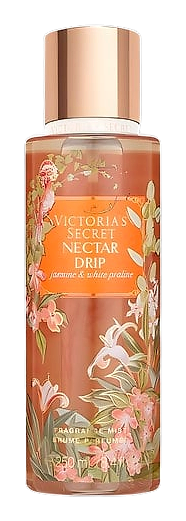
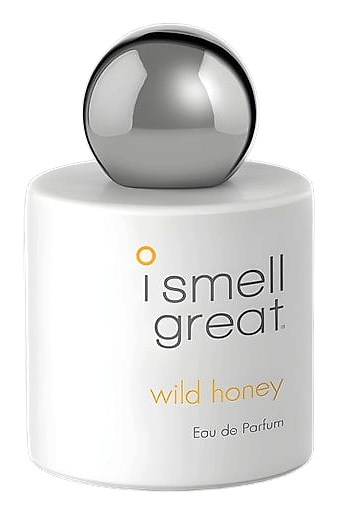
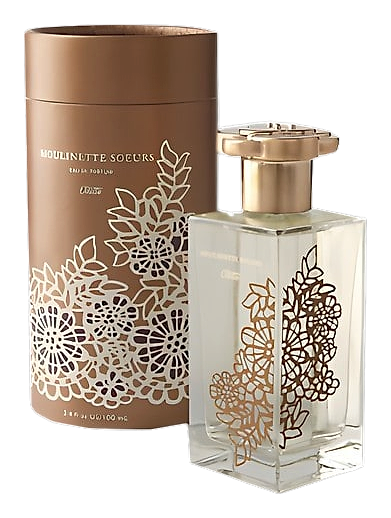
Brands
Brands known for Nectar
Good to know
Questions, answered
The essentials on Nectar in perfumery: how it smells, where it comes from, and how it behaves on skin.
What does nectar smell like in perfume?
Nectar smells like concentrated floral sweetness with honeyed, syrupy undertones. It combines the freshness of blossom with a rich, warm depth that suggests ripe fruit and golden honey.
Is nectar a natural or synthetic ingredient?
Nectar can be either. Natural nectar materials include honey absolute and certain floral absolutes. Perfumers also use synthetic molecules to create consistent nectar accords that reproduce this sweetness reliably.
Which fragrances commonly feature nectar notes?
Nectar notes appear frequently in oriental and floral compositions. Chypres, amber fragrances, and white floral scents often feature nectar as a heart note to add warmth and sweetness.
How does nectar differ from honey in perfumery?
Nectar captures the fresh, floral sweetness of flower essences, while honey carries deeper, more complex notes from the bees processing it. Nectar is lighter and more ethereal; honey is richer and more animalic.
What extraction method produces nectar materials?
Solvent extraction is the primary method, particularly for honey absolute and floral absolutes like orange blossom. This process pulls aromatic compounds using solvents while preserving the delicate nectarous character.
Can nectar notes be found in natural perfumery?
Yes. Natural perfumery uses honey absolute, bee resin, and botanical absolutes extracted from nectar-rich flowers to achieve these sweet, syrupy notes without synthetic materials.
What scent family typically uses nectar?
Oriental, floral, and amber families frequently incorporate nectar. These fragrance families benefit from nectar's warmth and sweetness, which adds depth to base notes and bridges floral hearts with woody foundations.
How long do nectar notes last in a fragrance?
Nectar notes typically last 4 to 8 hours on skin, depending on concentration and formulation. In perfume extract concentrations, nectar can linger as a lingering dry-down note for many hours.