Pink Freesia
Pink freesia carries a tender, romantic warmth that perfumers have learned to reconstruct rather than extract—a synthetic accord born from decades of aromatic exploration. Its blush-hued petals hold no essential oil, yet chemistry has captured something nature withheld.
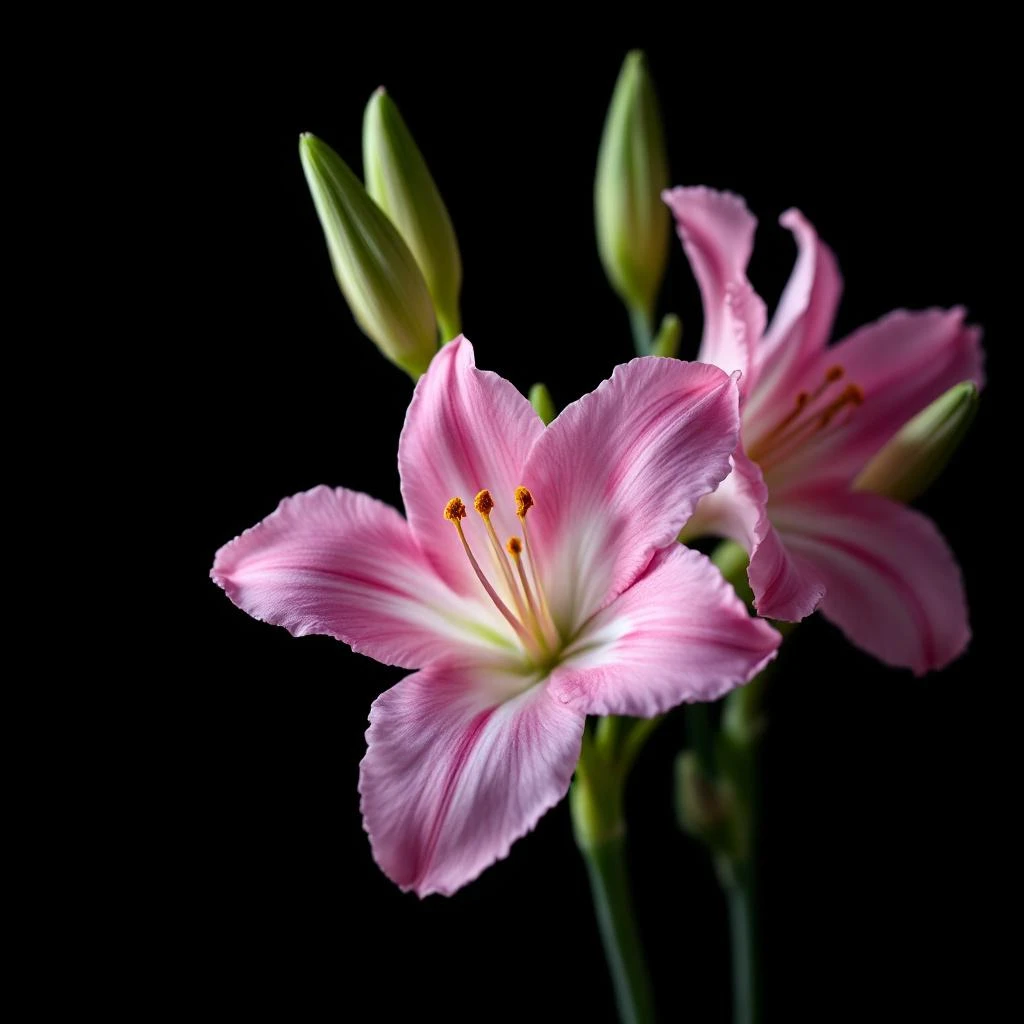
Character
How it smells
Where nature resists, chemistry succeeds.
Freesia took over 200 years to enter perfumery, first appearing in European gardens in 1766 but only becoming a fragrance note in 1985.








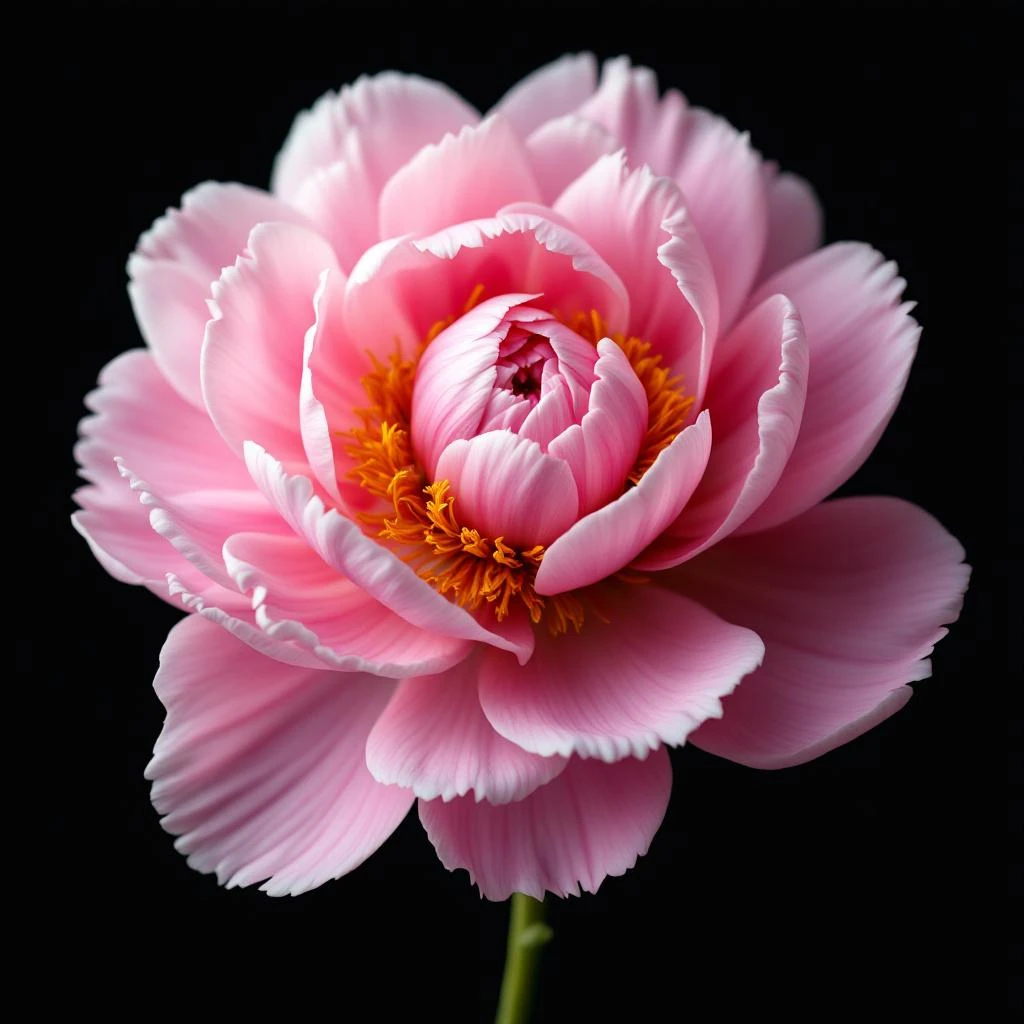
Origin
South Africa
Freesia refracta hails from the Cape Floral Region of South Africa, where the perennial bulb thrives in the Western Cape Province. Botanist Christian Friedrich Ecklon named the flower in 1866 to honor his friend, German physician Friedrich Heinrich Theodor Freese.
The plant arrived in Europe around 1766, quickly gracing French and Italian court gardens where it became a symbol of youth and tenderness. It also marked the traditional gift for seventh wedding anniversaries.
Yet despite its visual beauty and captivating fresh scent, no one successfully captured freesia's fragrance naturally for over two centuries. When Bernard Chant of IFF finally introduced freesia as a perfume note in 1985 with Antonia’s Flowers, he did so through synthetic reconstitution—proving that some flowers simply cannot be extracted, only reimagined.
Wears it best
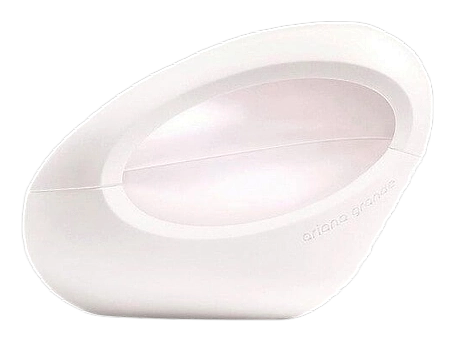
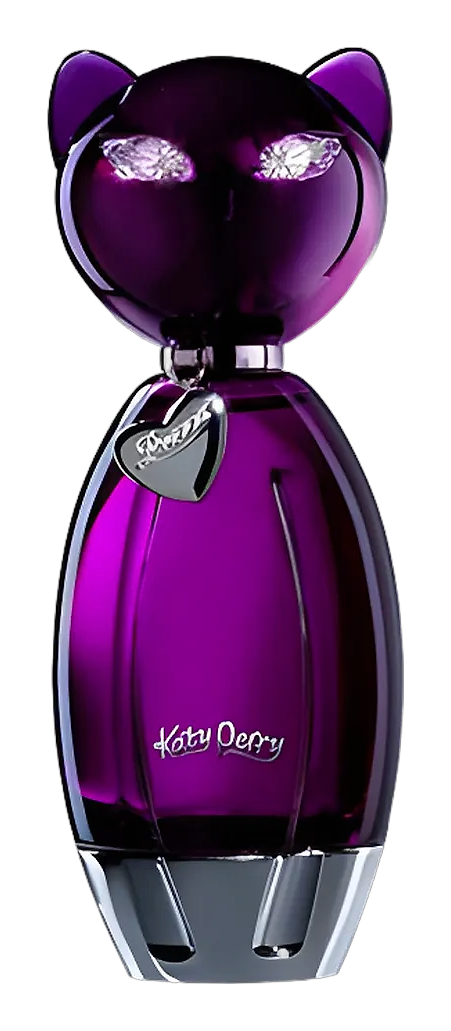
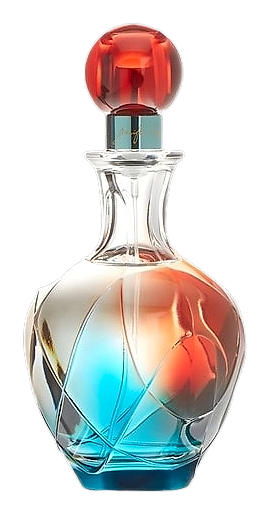
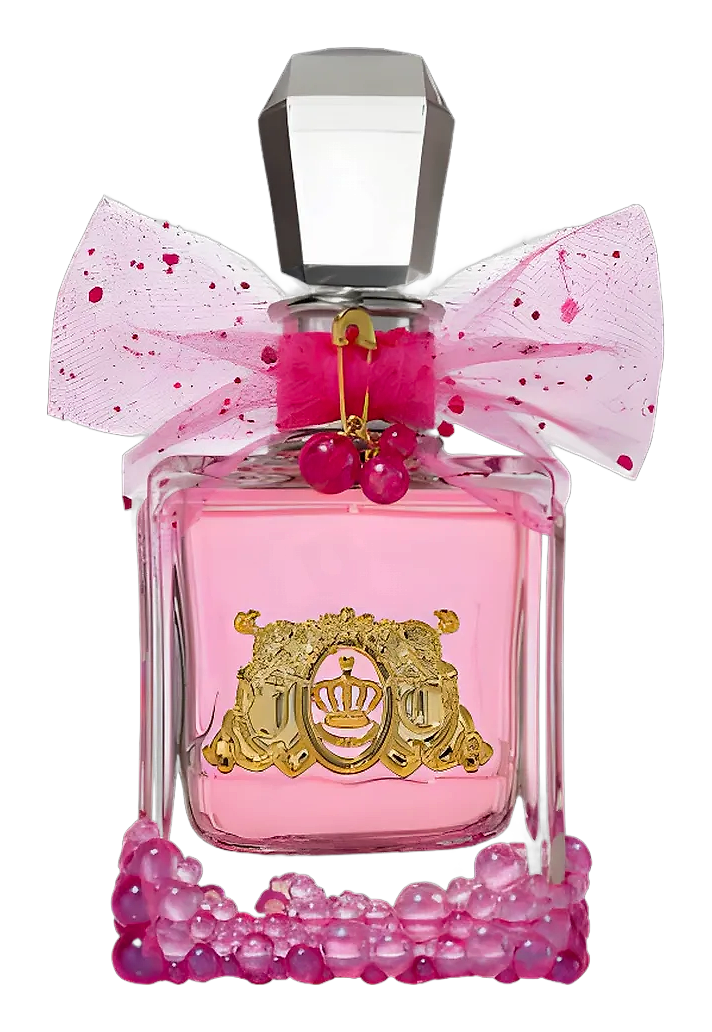
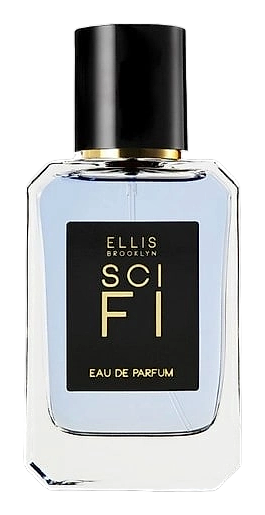
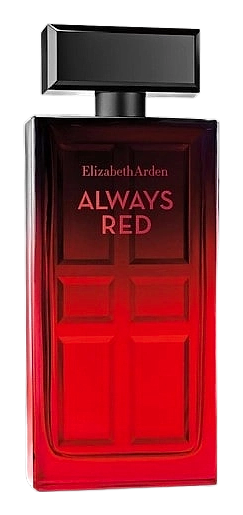
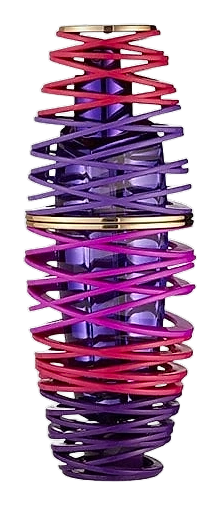
Fragrances featuring Pink Freesia
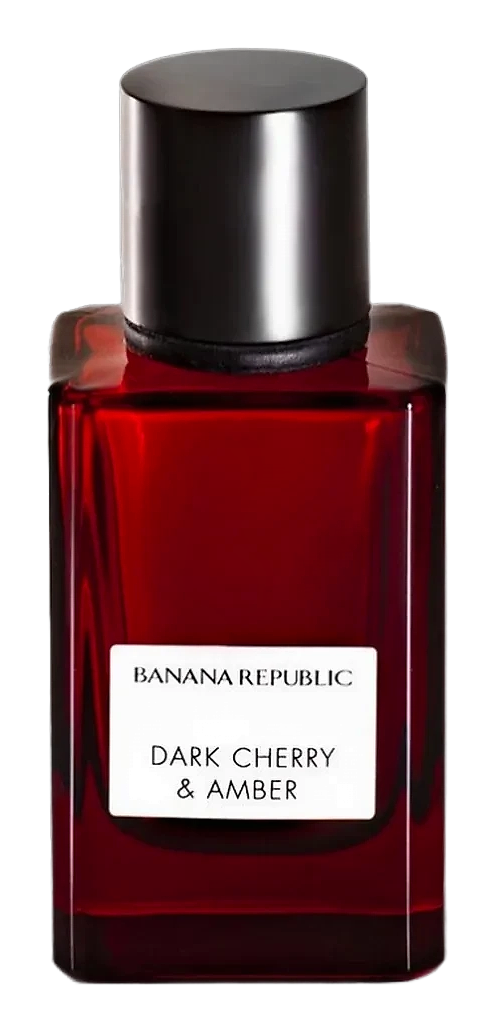
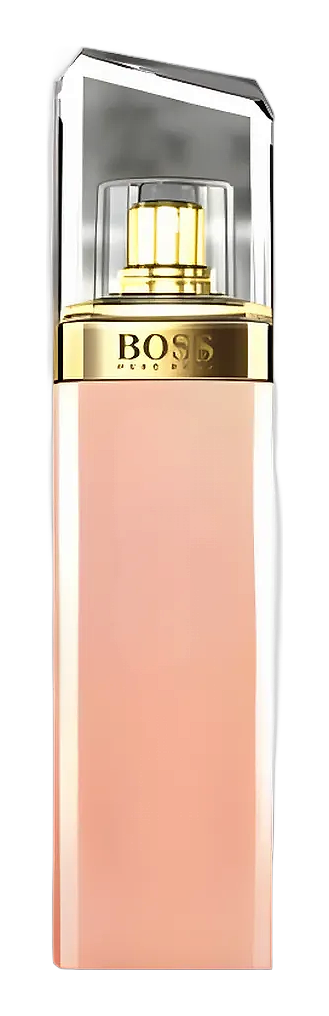
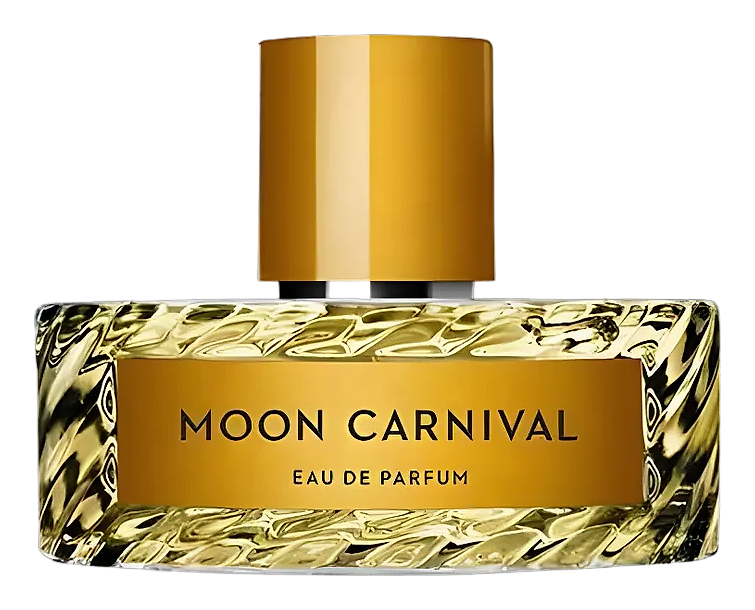
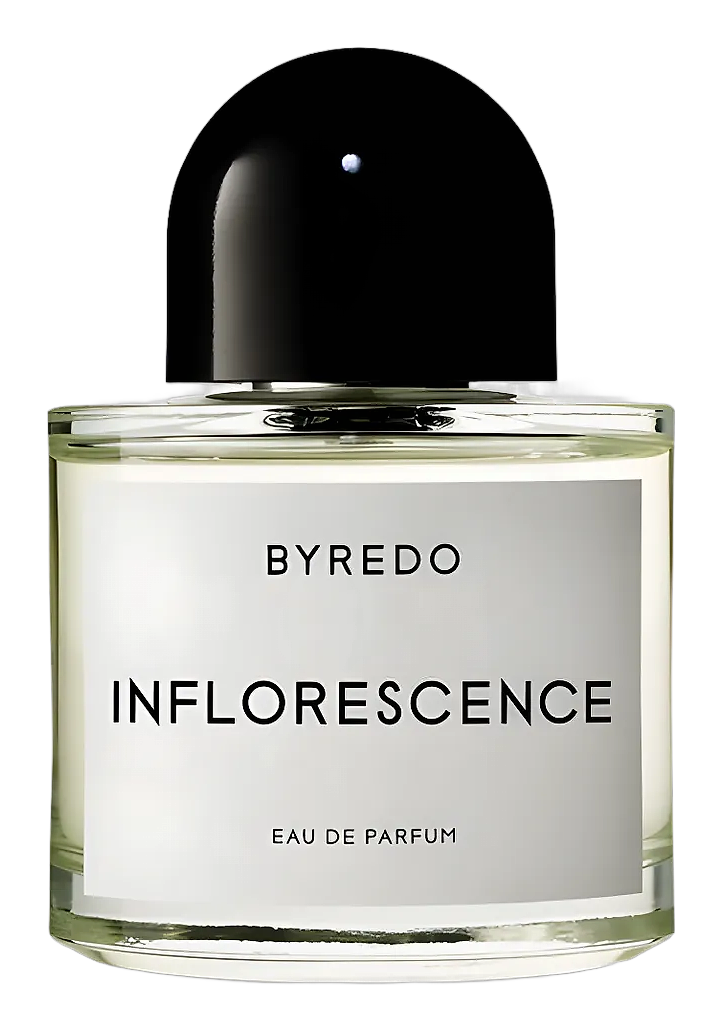

Brands
Brands known for Pink Freesia
Good to know
Questions, answered
The essentials on Pink Freesia in perfumery: how it smells, where it comes from, and how it behaves on skin.
Is pink freesia a natural or synthetic ingredient?
Pink freesia is exclusively synthetic. Natural extraction fails because the flower produces negligible essential oil, making natural sourcing impossible on any commercial scale.
What does pink freesia smell like?
Freesia carries a sweet, luminous floral scent with green undertones and a hint of citrus freshness. Think jasmine-like warmth meets pear-like fruitiness, all wrapped in an airy,扬起 quality that feels springlike.
Why did freesia take so long to appear in perfumery?
Freesia entered perfumery only in 1985, despite arriving in European gardens in 1766. The flower resists conventional extraction, and chemistry lacked the tools to reconstruct it for over two centuries.
Who created the first freesia perfume?
Bernard Chant of IFF created the first freesia-based fragrance in 1985: Antonia’s Flowers, dedicated to florist Antonia Bellanca-Mahoney of East Hampton, New York.
What flower family does freesia belong to?
Freesia refracta belongs to the Iridaceae family, a group of flowering plants native to southern Africa that includes roughly 1,500 species of iris-like blooms.
Can headspace technology capture freesia’s scent?
Headspace technology analyzes volatile compounds surrounding fresh flowers, helping chemists identify freesia’s scent profile for synthetic reconstitution, though the actual oil cannot be extracted this way.
What colors does freesia grow in?
Freesia grows in white, yellow, pink, and occasionally purple. Pink varieties carry the same aromatic profile as other colors but add visual warmth to fragrance compositions.
What fragrances feature pink freesia prominently?
Freesia appears across designer and niche fragrances for both genders. For women, it graces Alaïa Paris and Alien Acqua Chic; for men, it features in Acqua di Giò and Allure pour Homme.



