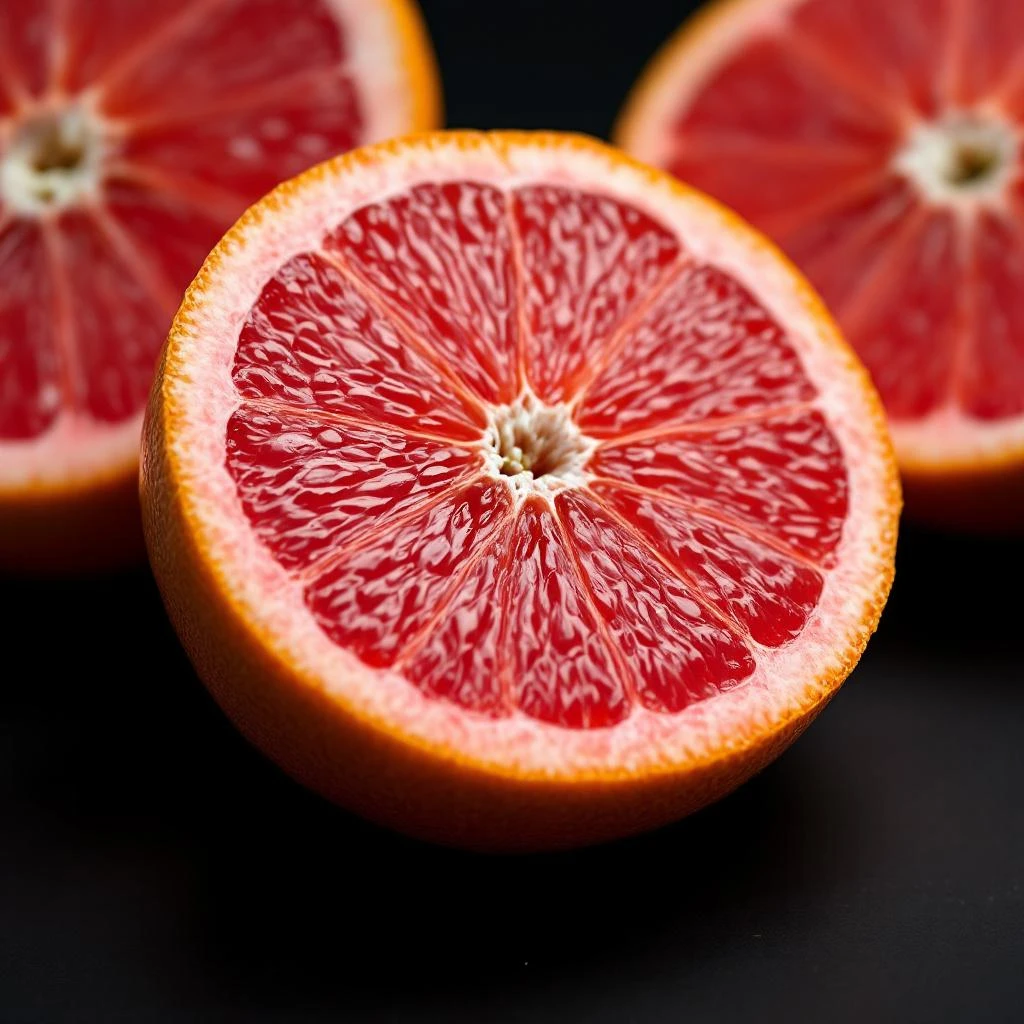
Navel Orange
Navel Orange delivers the bright, sun-ripened sweetness of Citrus sinensis at its peak. This seedless variety, distinguished by its characteristic naval-like depression, yields an essential oil prized for its clean, juicy top notes that lift entire fragrance compositions.

Character
How it smells
Sun-kissed citrus brightness captured in oil.
Navel oranges are self-sterile and must be propagated through grafting, making each tree a genetic clone of its parent.






Origin
Brazil
The navel orange emerged as a mutation in Brazil around 1820, arriving in California via diplomatic gift in 1873. Commercial cultivation exploded once growers realized these seedless fruits shipped and stored remarkably well. Fragrance chemists began isolating orange peel oil in the early 19th century, but the real breakthrough came with systematic cold-pressing techniques developed in Mediterranean regions.
The ancient Egyptians and Romans used bitter orange varieties for perfumery, yet sweet orange oil only became widely available once global trade routes could deliver fresh fruit consistently. Today, Brazil produces the majority of orange oil for fragrance, though Florida and Mediterranean groves contribute specialty batches prized for subtle terroir differences.
Wears it best
Fragrances featuring Navel Orange

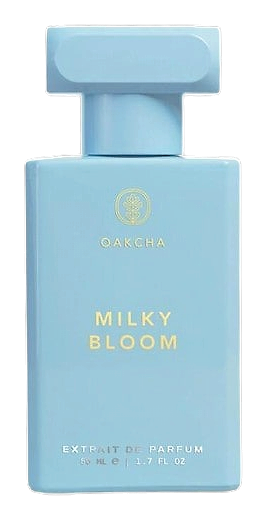
Brands
Brands known for Navel Orange
Good to know
Questions, answered
The essentials on Navel Orange in perfumery: how it smells, where it comes from, and how it behaves on skin.
What is navel orange oil in perfumery?
Navel orange oil is a cold-pressed citrus essential oil derived from the peel of Citrus sinensis navel oranges. It provides bright, sweet top notes that add immediate freshness and warmth to fragrance compositions.
How does navel orange differ from bitter orange?
Navel orange comes from Citrus sinensis, yielding sweeter, fruitier oil. Bitter orange (Citrus aurantium) produces more floral, slightly bitter notes and includes neroli and petitgrain as separate aromatic materials.
What extraction method produces navel orange oil?
Cold expression mechanically extracts oil from scored orange peel without heat. This preserves fragile citrus molecules that steam distillation would alter, resulting in a more authentic, bright scent profile.
Where does most navel orange oil originate?
Brazil produces approximately 40% of global orange oil for fragrance, followed by Florida and Mediterranean regions. Each origin offers subtle terroir-driven variations in the final aromatic profile.
How long does navel orange oil last on skin?
As a top note, navel orange oil typically evaporates within 2-4 hours on skin. Fixatives such as woods or musks can extend its presence when blending is required.
Is navel orange oil natural or synthetic?
Navel orange oil is a natural ingredient obtained through cold expression. Synthetic orange fragrance alternatives exist but lack the complex natural mixture of over 400 identified compounds found in cold-pressed oil.
What fragrance families pair well with navel orange?
Navel orange pairs naturally with other citrus, white florals, green notes, and aromatic herbs. It also complements marine and ozonic accords, adding natural warmth to otherwise synthetic-feeling compositions.
Why is navel orange called by its name?
The variety takes its name from the depression at the base of the fruit, which resembles a human navel. This mutation occurred naturally in Brazil around 1820 and was introduced to California in 1873.