Murcia Lemon
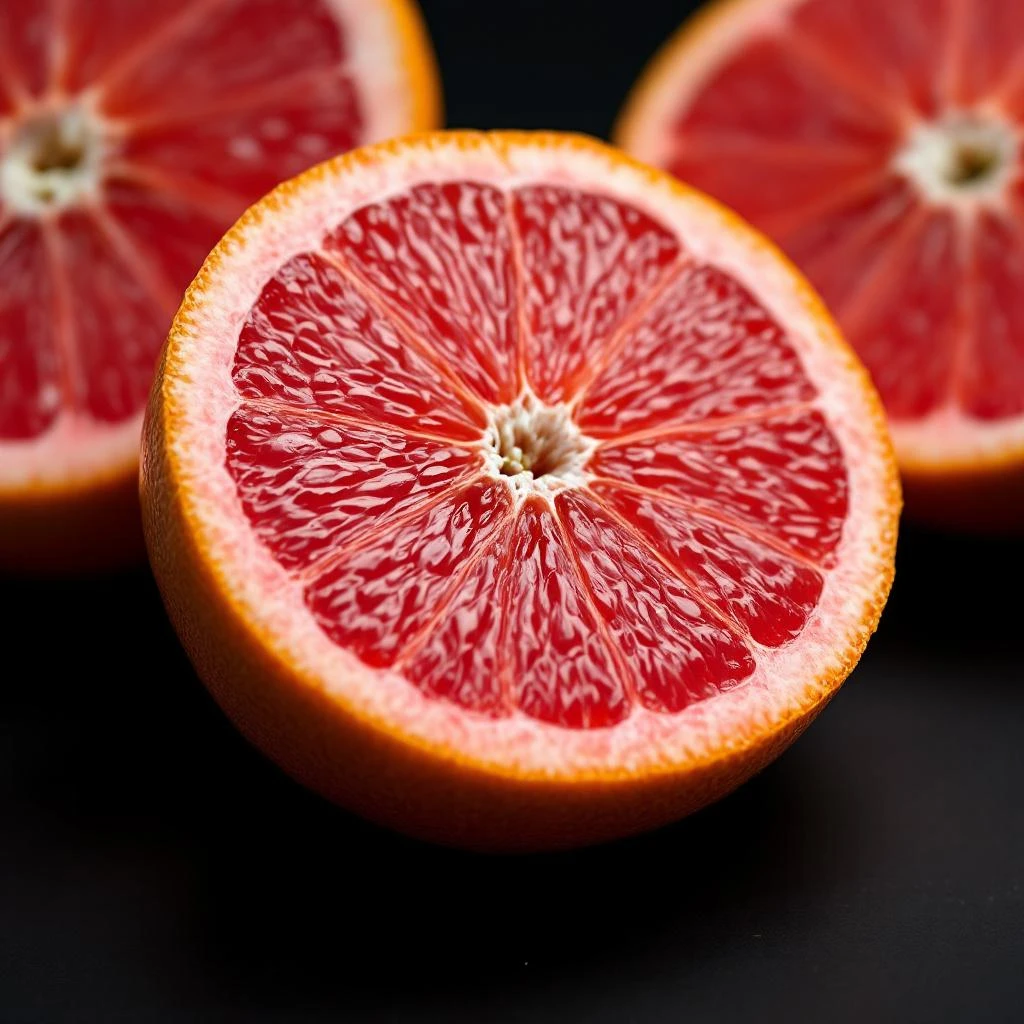
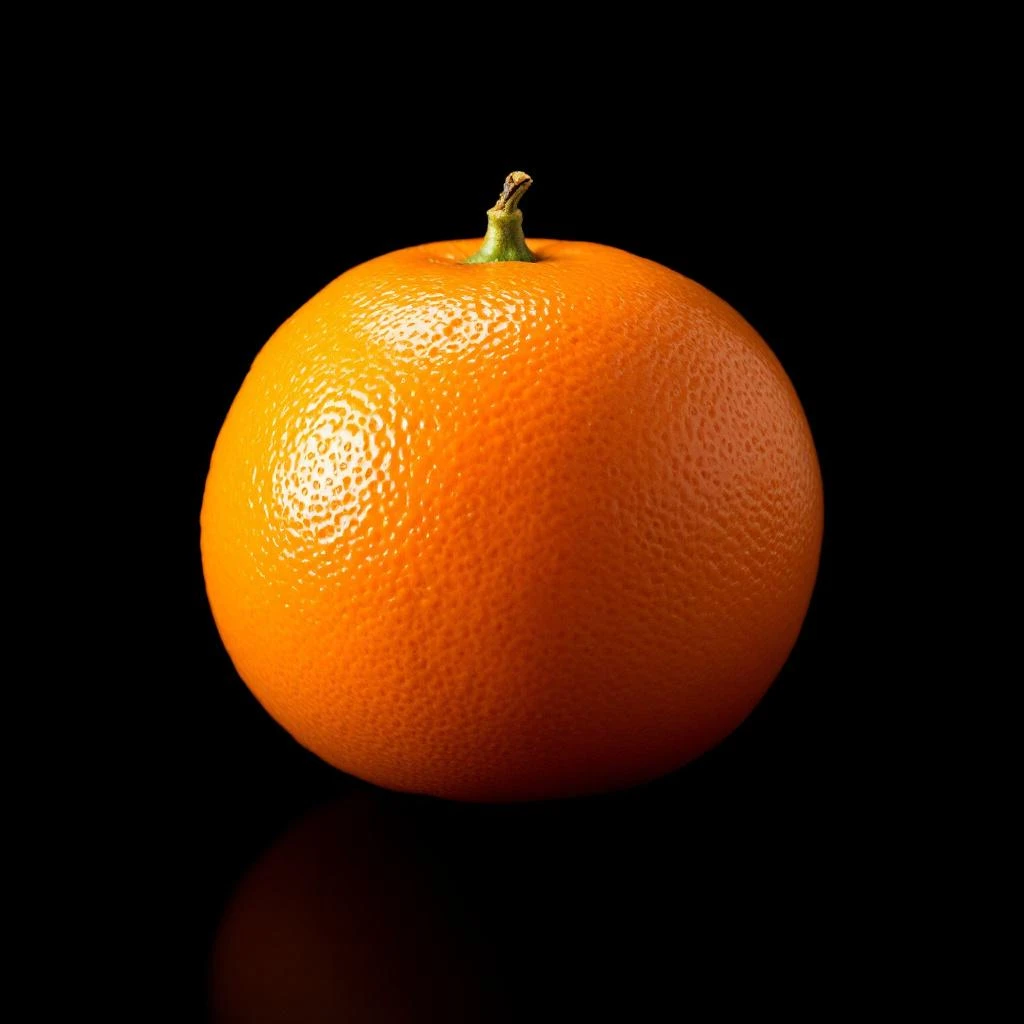
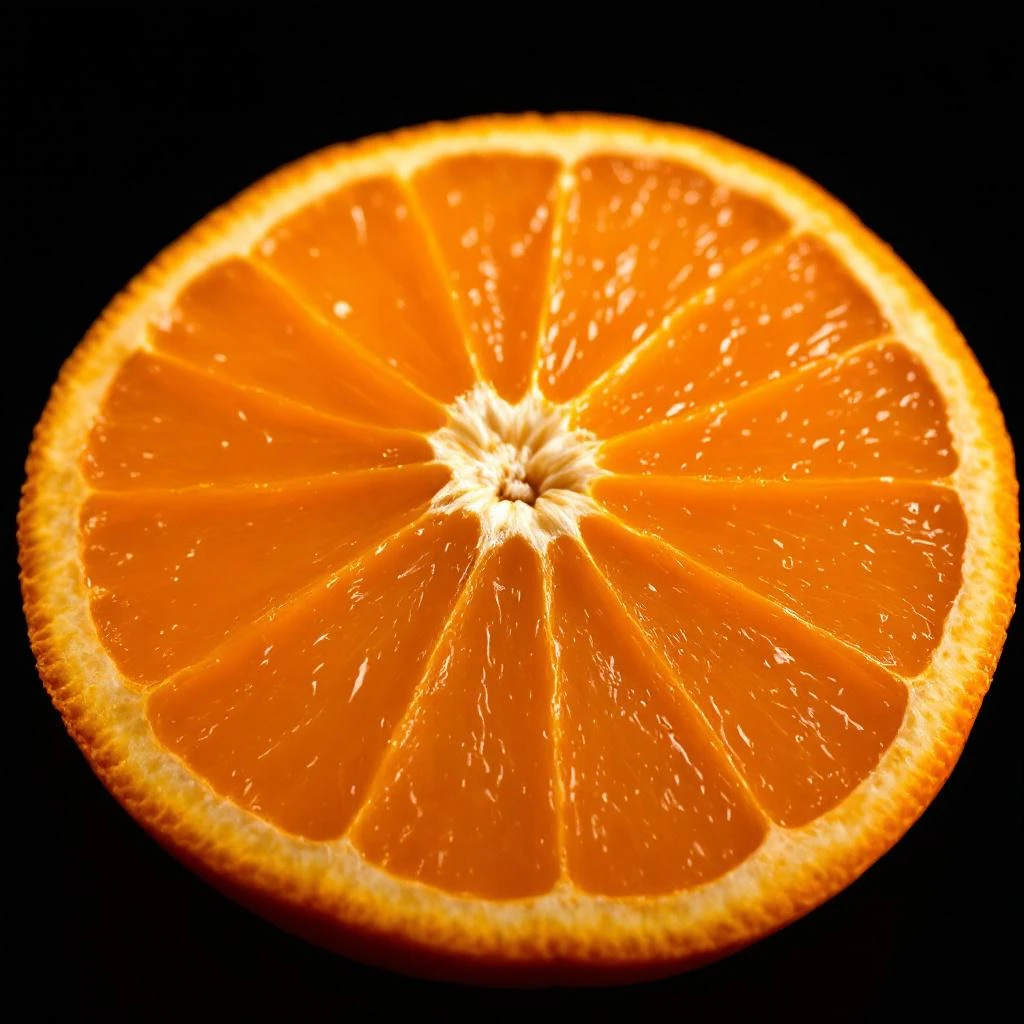
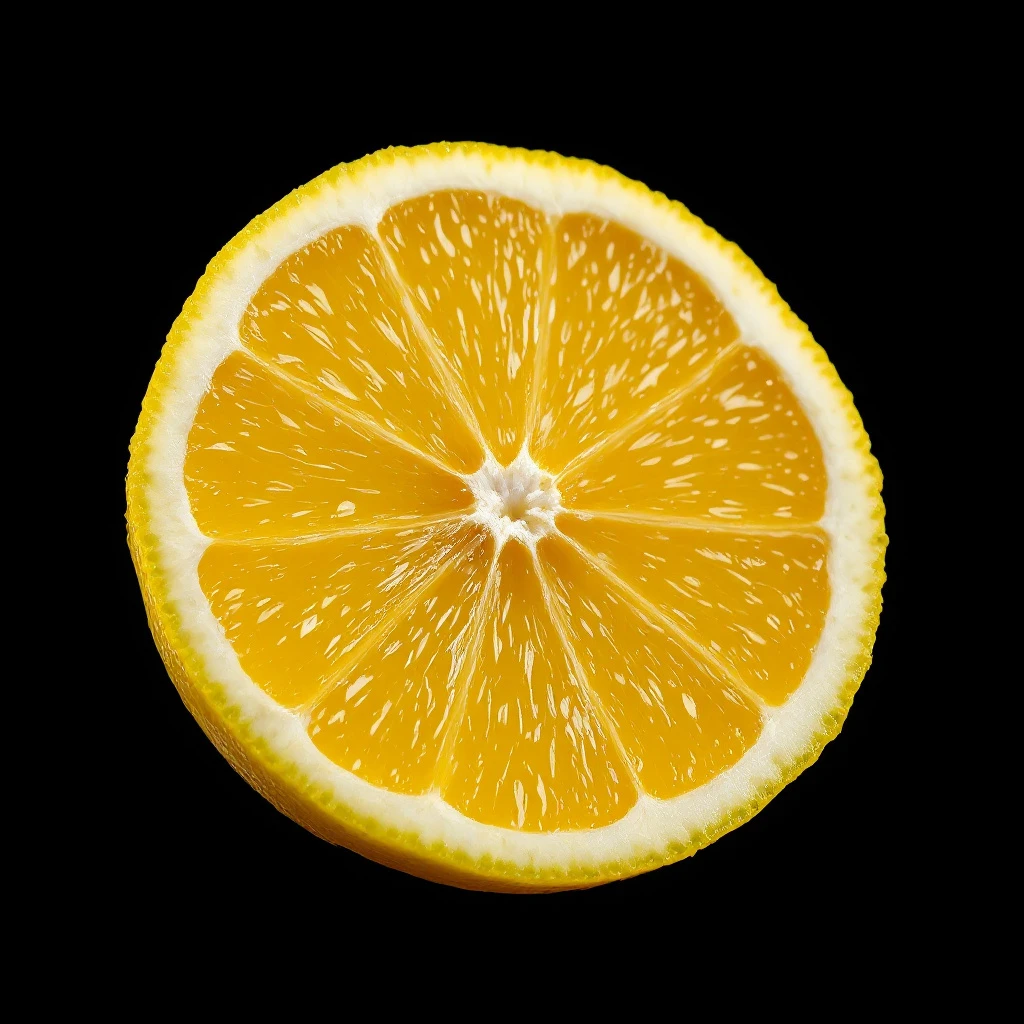
Murcia Lemon captures the bright, sun-warmed zest of Citrus limon cold-pressed from Spanish rinds. Spain's first lemon-producing region yields over 600,000 tonnes annually, supplying perfumers with a sharper, more herbaceous citrus than its Sicilian counterpart.
Character
How it smells
Mediterranean sunshine, pressed into rind
Murcia was the first region in Spain to cultivate lemons, and it now produces more than 600,000 tonnes of fruit every year, enough to scent colognes across three continents.





Origin
Spain
Citrus limon has perfumed European colognes since 1709, when Johann Maria Farina composed his original formula in Cologne. Yet the variety sourced from Murcia carries a distinct lineage. The region became Spain's first dedicated lemon-producing area in the late nineteenth century, capitalizing on the Segura River valley's microclimate and calcareous soils.
Growers established the Fino and Verna cultivars, both prized for their thick, oil-rich rinds. By the mid-twentieth century, Murcia's cooperatives had built industrial-scale pressing facilities, supplying citrus oils to French and American fragrance houses seeking a consistent, herbaceous alternative to Sicilian material. The region's annual output now exceeds 600,000 tonnes, making it one of the world's four principal lemon-growing zones alongside Sicily, Tucumán, and California.
Murcia Lemon today anchors many classic eau de cologne compositions and contemporary fresh fragrances, valued for its green, slightly bitter edge that lifts top notes with authenticity.
Wears it best
Fragrances featuring Murcia Lemon
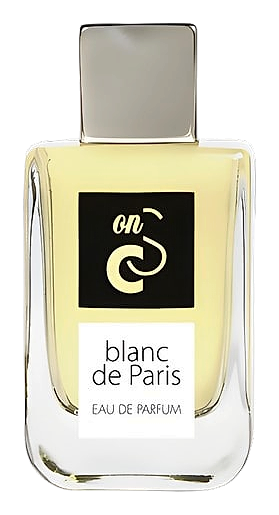
Brands
Brands known for Murcia Lemon
Good to know
Questions, answered
The essentials on Murcia Lemon in perfumery: how it smells, where it comes from, and how it behaves on skin.
What makes Murcia Lemon different from regular lemon oil?
Murcia Lemon oil comes from Citrus limon grown in Spain's semi-arid Segura Valley, where intense sun and low humidity concentrate the peel's aromatic compounds. The result is a sharper, greener, more herbaceous profile than Sicilian lemon, with pronounced bitter-almond undertones from higher citral content.
How is Murcia Lemon essential oil extracted?
Producers use cold-press expression, mechanically puncturing the rind to release oil-bearing cells without heat damage. Murcia's facilities process over 600,000 tonnes of fruit annually under EU quality certifications, ensuring consistent aromatic specifications for perfumers.
When did lemon first appear in perfumery?
Lemon has perfumed Western colognes since 1709, when Johann Maria Farina included it in his original Eau de Cologne formula. Murcia began cultivating lemons commercially in the late nineteenth century, becoming Spain's first dedicated lemon-producing region.
Why is Murcia ideal for lemon cultivation?
The Segura River valley offers calcareous soils, minimal rainfall, and intense solar exposure, conditions that thicken lemon rinds and elevate oil concentration. These terroir factors give Murcia Lemon its characteristic zest intensity compared to fruit from humid climates.
Which fragrance families use Murcia Lemon?
Murcia Lemon anchors citrus, aromatic, and fougère compositions, serving as a bright top note in eau de cologne, fresh aquatics, and Mediterranean-style fragrances. Its herbaceous edge also suits chypre and green cologne structures.
Is Murcia Lemon essential oil safe for skin?
Cold-pressed lemon oil is phototoxic due to furanocoumarins and can cause skin sensitivity when exposed to UV light. Most perfumers use it in wash-off products or at IFRA-limited concentrations to avoid photoirritation.
What does Murcia Lemon smell like?
Murcia Lemon opens with sharp, sun-warmed citrus zest, moves into green, slightly bitter peel notes, and finishes with a subtle herbaceous undertone. It reads brighter and more astringent than Sicilian lemon, with less sweetness and more aromatic complexity.
Can Murcia Lemon be replaced by synthetic lemon notes?
Synthetic isolates like limonene and citral approximate lemon's brightness but lack the green, waxy, and sulfurous trace compounds found in cold-pressed Murcia oil. Perfumers seeking natural depth still prefer the genuine cold-pressed material for fine fragrance work.