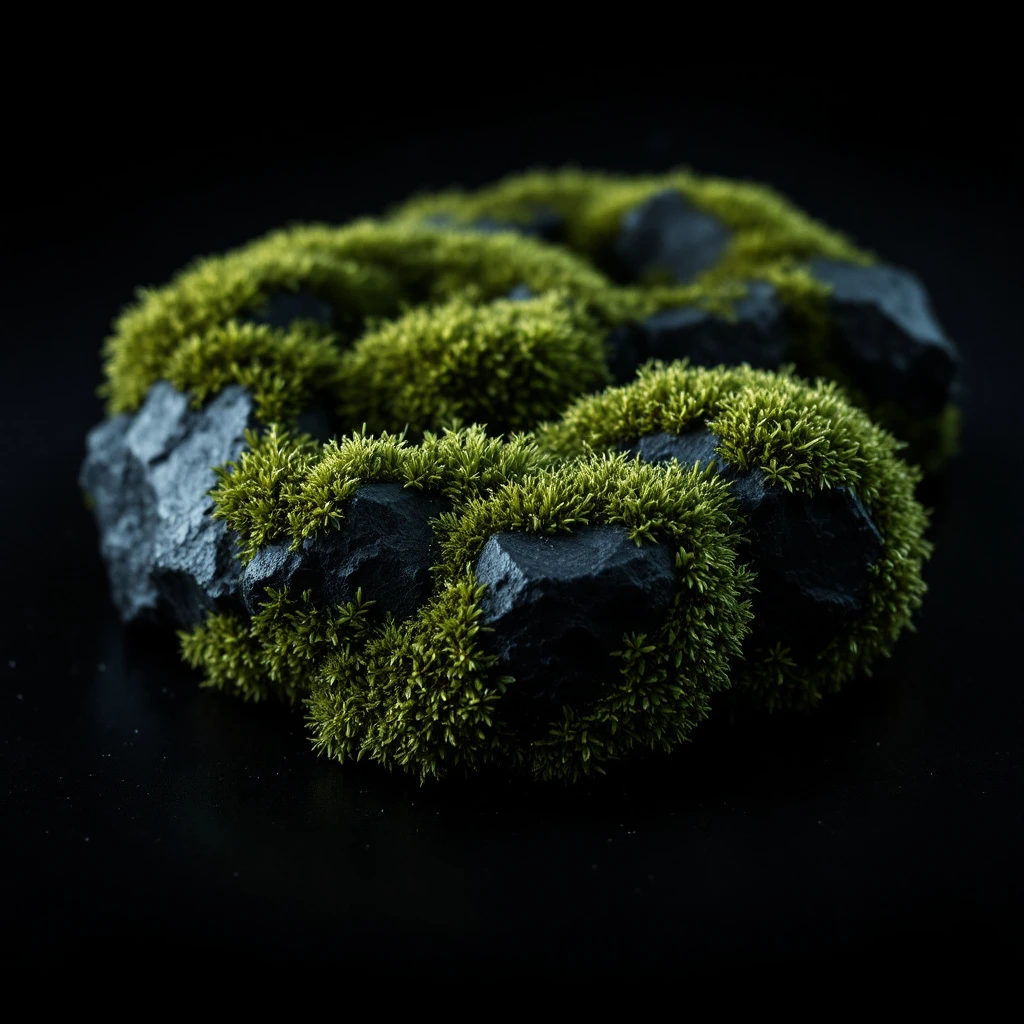
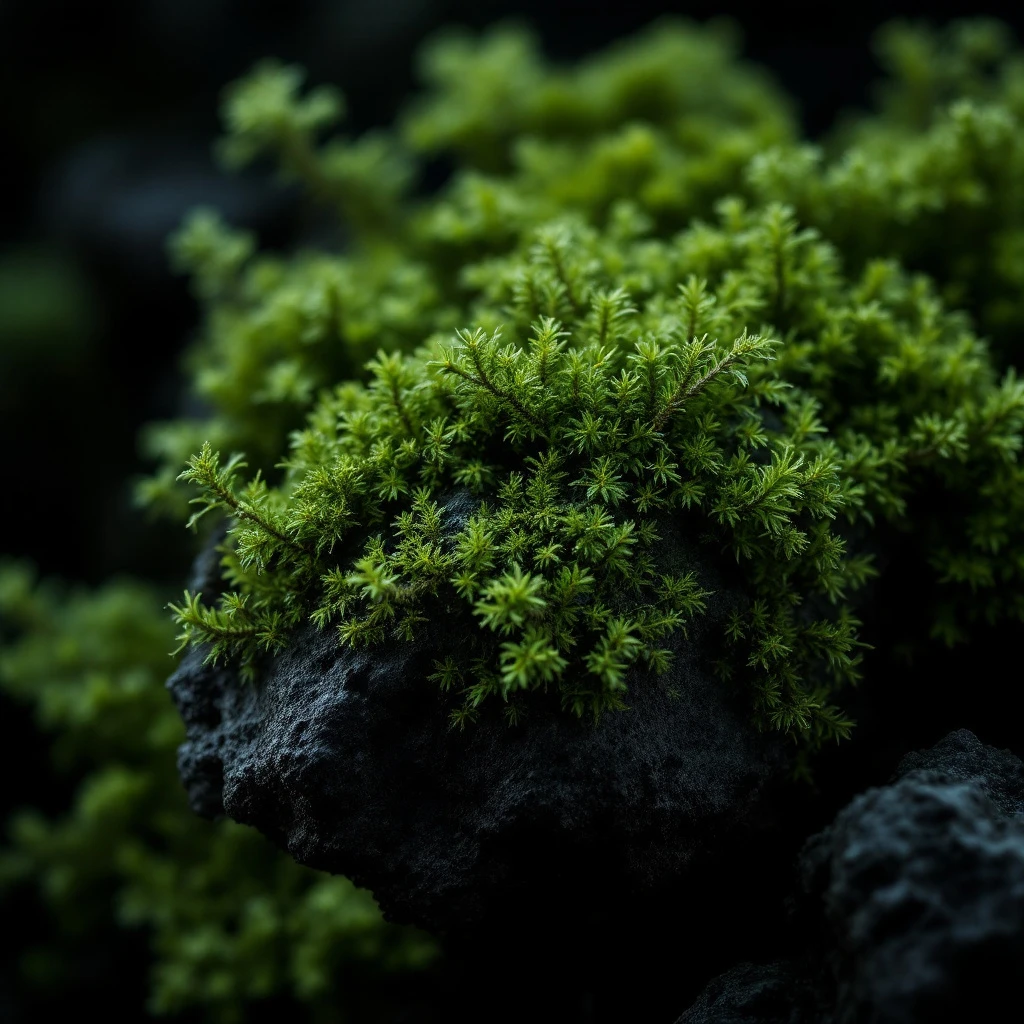
Mousse De Sax
Mousse de Saxe is a classic perfumery base with mossy, leathery, and slightly floral character. Developed in early 20th-century France, this composite material became a cornerstone of chypre and fougère fragrances, lending depth and vintage character.
Character
How it smells
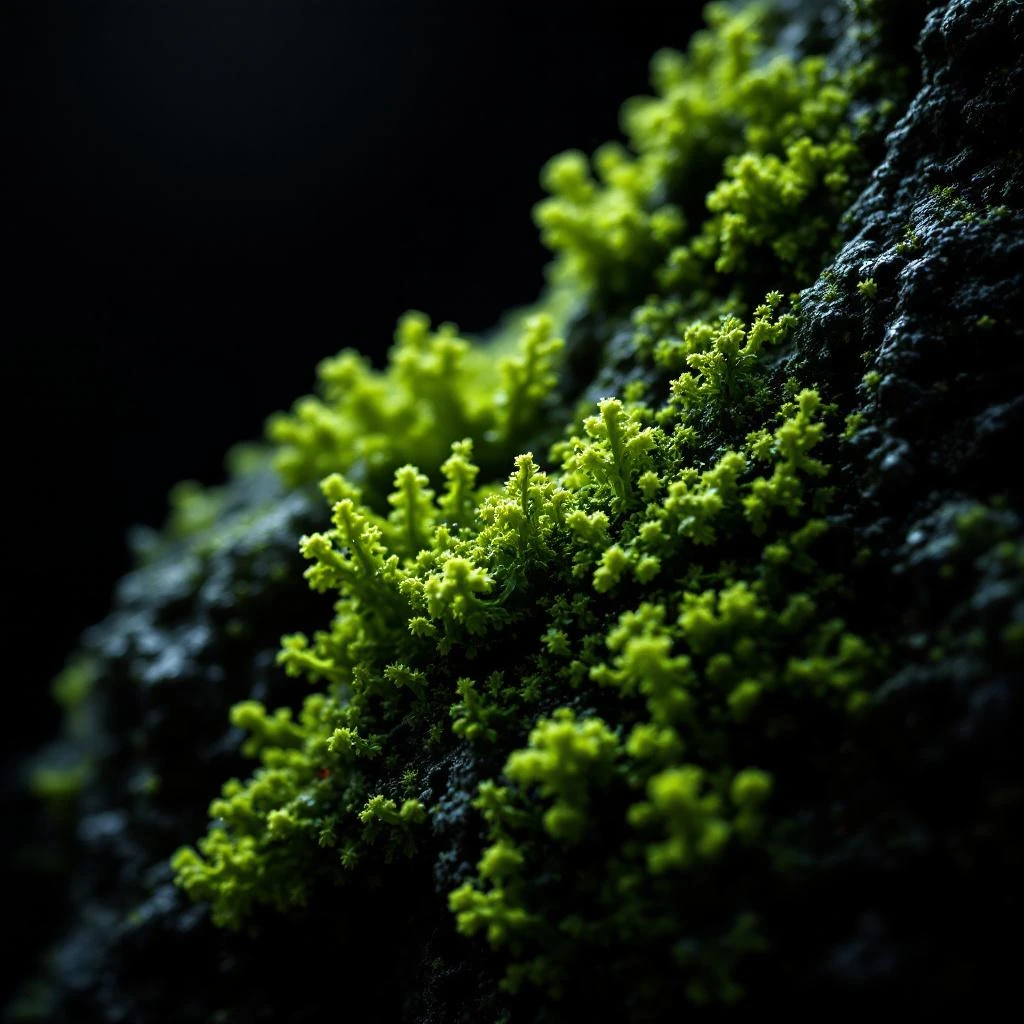
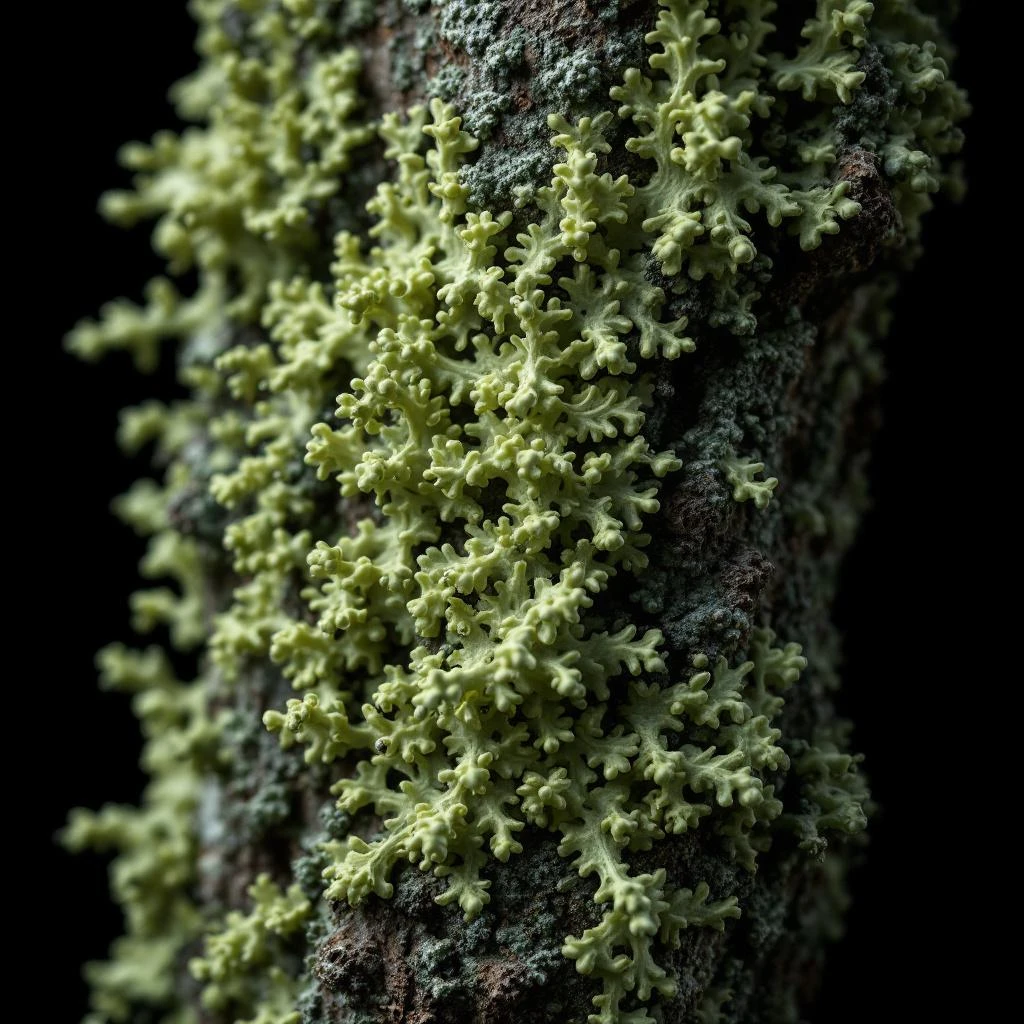
The mossy heart of classic chypre
Mousse de Saxe is detectable in a fragrance at less than 1% concentration, yet it shapes the entire character of a composition.



Origin
France
Mousse de Saxe emerged at the turn of the 20th century, produced by the renowned French aroma firm De Laire. The formula was developed under the direction of Marie Thérèse, whose exact surname appears partially documented in historical records. This base quickly became essential to the chypre and fougère families that defined early 20th-century perfumery.
Perfumers adopted Mousse de Saxe as a foundational material, using it to construct the mossy, leathery backbone of countless landmark fragrances. Its invention reflected a broader shift in the industry toward composite bases that could be consistently replicated. Though the original De Laire formula has evolved, the name persists as a description of a specific aromatic character rather than a single proprietary product.
Today, perfumers continue to work with Mousse de Saxe bases, honoring a material that shaped the scent landscape of classic perfumery.
Wears it best
Fragrances featuring Mousse De Sax
Brands
Brands known for Mousse De Sax
Good to know
Questions, answered
The essentials on Mousse De Sax in perfumery: how it smells, where it comes from, and how it behaves on skin.
What is Mousse de Saxe?
Mousse de Saxe is a perfumery base with mossy, leathery character. It originated in early 1900s France and became essential to chypre and fougère fragrance families.
What does Mousse de Saxe smell like?
It delivers earthy moss, soft leather, and subtle floral nuance. The effect is rich, warm, and distinctly vintage in character.
Why is Mousse de Saxe significant in perfumery?
It enabled perfumers to consistently reproduce complex mossy accords. Before standardized bases, achieving this profile required extensive trial and error.
Which fragrance families use Mousse de Saxe?
Chypre and fougère fragrances rely most heavily on this base. It also appears in certain orientals and classic colognes seeking mossy depth.
Is Mousse de Saxe still used today?
Yes. Contemporary versions exist, including formulations by ex-Symrise perfumer Kevin Verspoor available through Perfumer Supply.
How much Mousse de Saxe is needed in a formula?
A little goes a long way. Fratersworks notes it registers in a fragrance at under 1% concentration while still shaping the composition.
What is the origin of the name?
The name references Saxon moss, though the material is a composite blend rather than a single botanical extract. It emerged from the French perfumery tradition of De Laire.
Can Mousse de Saxe be natural?
Modern versions blend natural and synthetic materials. Traditional formulas used aromatic chemicals, but contemporary perfumers have reconstructed the accord with natural-dominant approaches.