Frangipani Flower
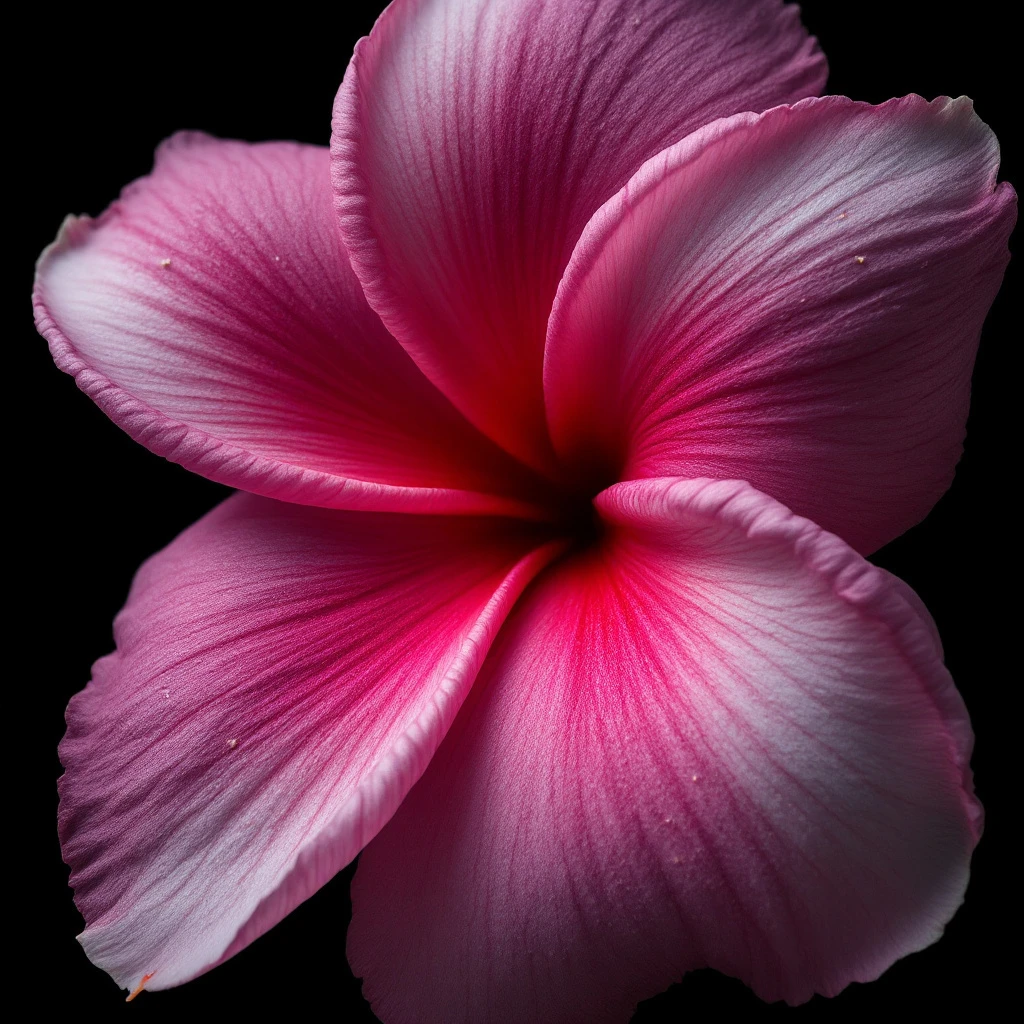
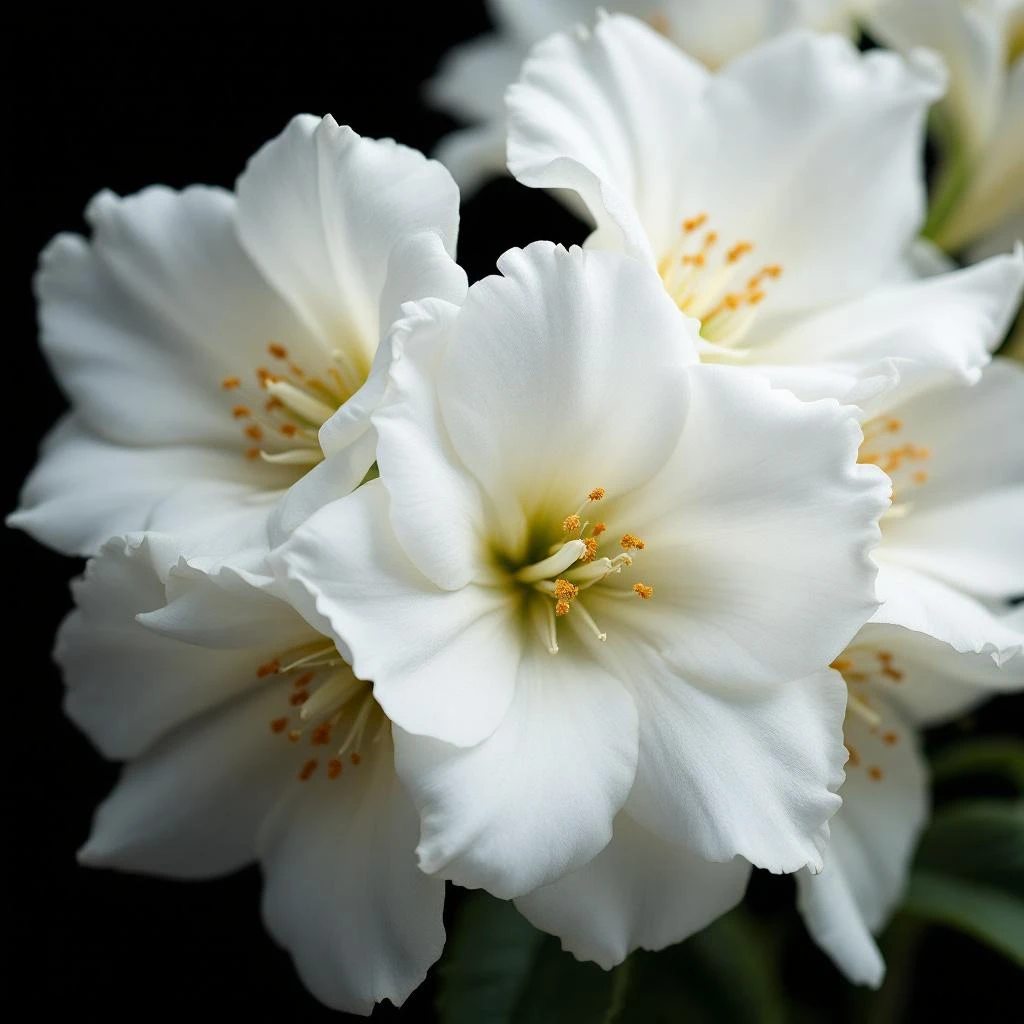
Frangipani carries the lush, creamy scent of tropical paradise—heady gardenia warmth threaded with coconut milk and a whisper of peach skin. A solar floral that has captivated perfumers for centuries, yet defies every extraction method nature offers.
Character
How it smells
Tropical sweetness that cannot be captured, only imagined.
The flower that bears this name had not yet reached Europe when the original frangipane perfume recipe was written in the 1500s—a scent named after a flower it never contained.



Origin
Mexico
The name frangipani predates the flower itself. In Renaissance Rome, the aristocratic Frangipani family produced a luxury perfume worn by nobility—an almond-based composition blended with musk, civet, orris root, and various resins. No plumeria anywhere near it.
When French botanists later encountered Plumeria rubra in the Caribbean and tropical Americas, they noted its scent bore a passing resemblance to the beloved frangipane perfume. The flower was labelled accordingly, and the name stuck. By the time Plumeria eventually reached European hothouses in the 19th century, the confusion was already permanent.
Today the flower carries spiritual weight in Hindu and Buddhist traditions—planted near temples across India and Southeast Asia—where its nocturnal fragrance is considered sacred. In perfumery, frangipani occupies a peculiar position: one of the most recognizable tropical notes, universally beloved, and technically impossible to produce naturally.
Wears it best
Fragrances featuring Frangipani Flower
Brands
Brands known for Frangipani Flower
Good to know
Questions, answered
The essentials on Frangipani Flower in perfumery: how it smells, where it comes from, and how it behaves on skin.
Can frangipani be extracted to make natural perfume?
No. Standard extraction methods destroy frangipani's scent before capture. Perfumers rebuild it entirely from accord using natural absolutes and synthetic aroma chemicals.
What does frangipani smell like?
A lush tropical gardenia with coconut milk warmth, ripened peach skin, and a gentle green undertone. Heady and creamy without being heavy.
Why is frangipani called frangipani?
The name comes from the 16th-century Frangipani family of Rome, whose almond-based perfume inspired the naming when botanists later encountered the flower.
Does frangipani contain actual plumeria?
Frangipani and plumeria refer to the same plant genus, Plumeria. The terms are used interchangeably in perfumery to describe the tropical solar floral note.
What is a solar floral accord?
A fragrance category describing flowers that evoke warm, sun-drenched daytime gardens—jasmine, frangipani, ylang ylang—marked by richness and a slightly creamy radiation.
Which countries produce natural frangipani for perfumery?
No country produces natural frangipani extract commercially. Tropical nations like India, Thailand, and Hawaii grow the flowers for decorative and ceremonial use, but none for fragrance extraction.
When does frangipani release its strongest scent?
Frangipani flowers are most fragrant after dark. The plant emits peak volatiles at night to attract nocturnal pollinators—moths—making its scent a twilight garden experience.
Is frangipani the same as plumeria in perfumery?
Yes. Both names describe the same tropical genus, Plumeria. Frangipani is the anglicized French term used most commonly in fragrance contexts to describe the reconstructed solar floral note.





