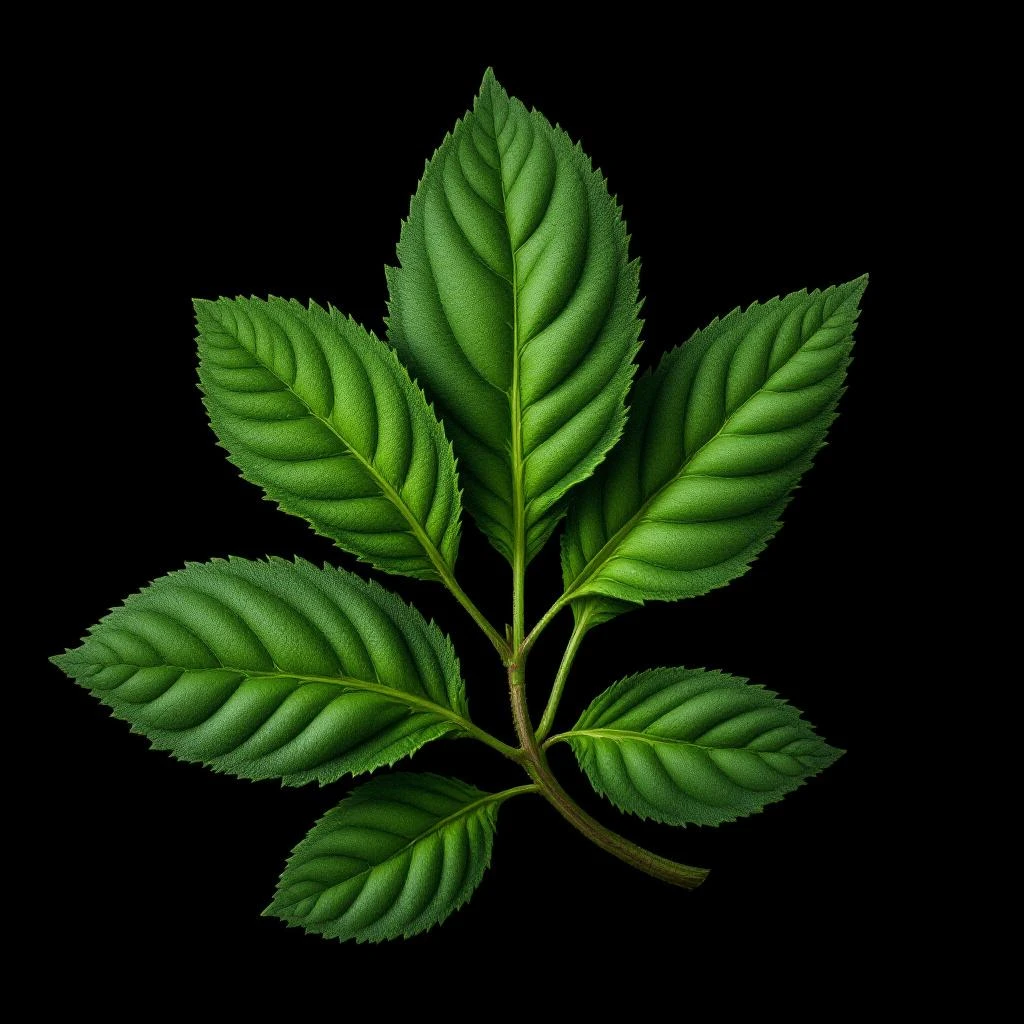
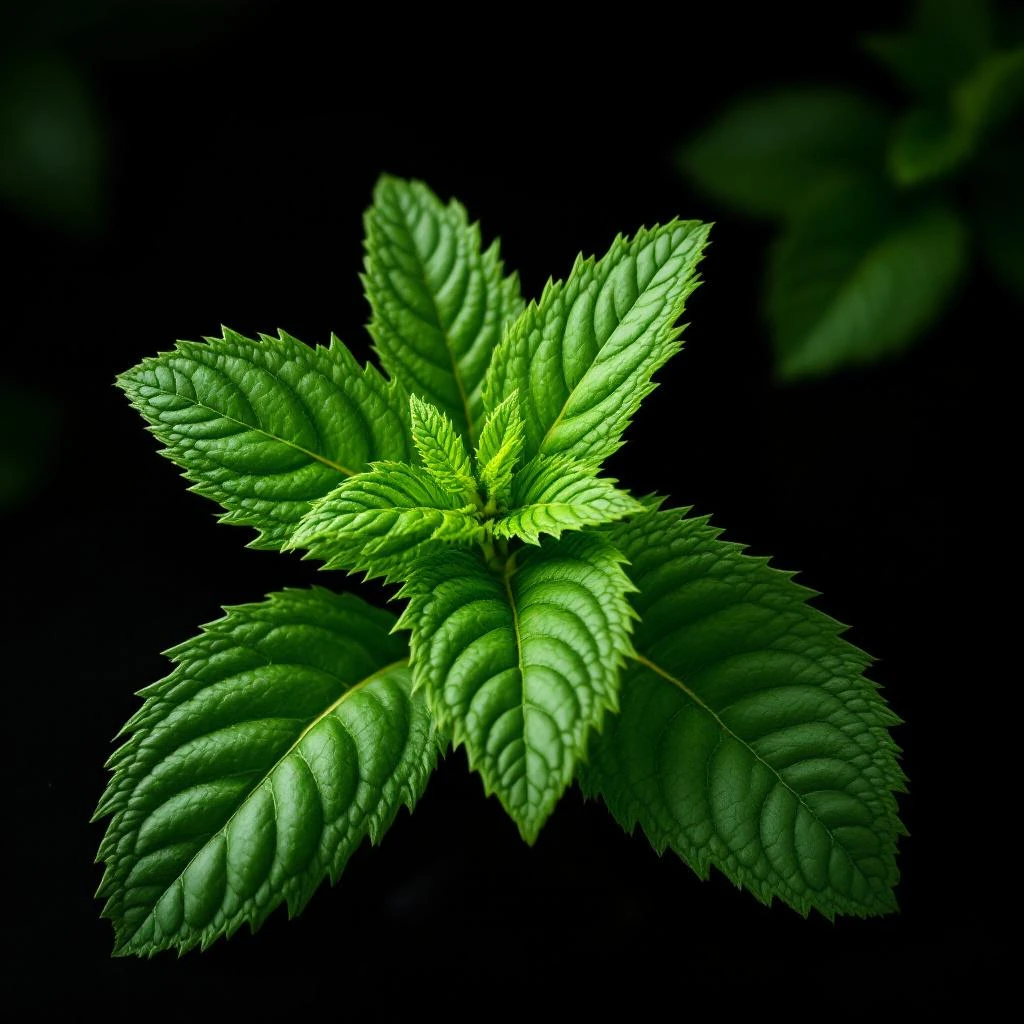
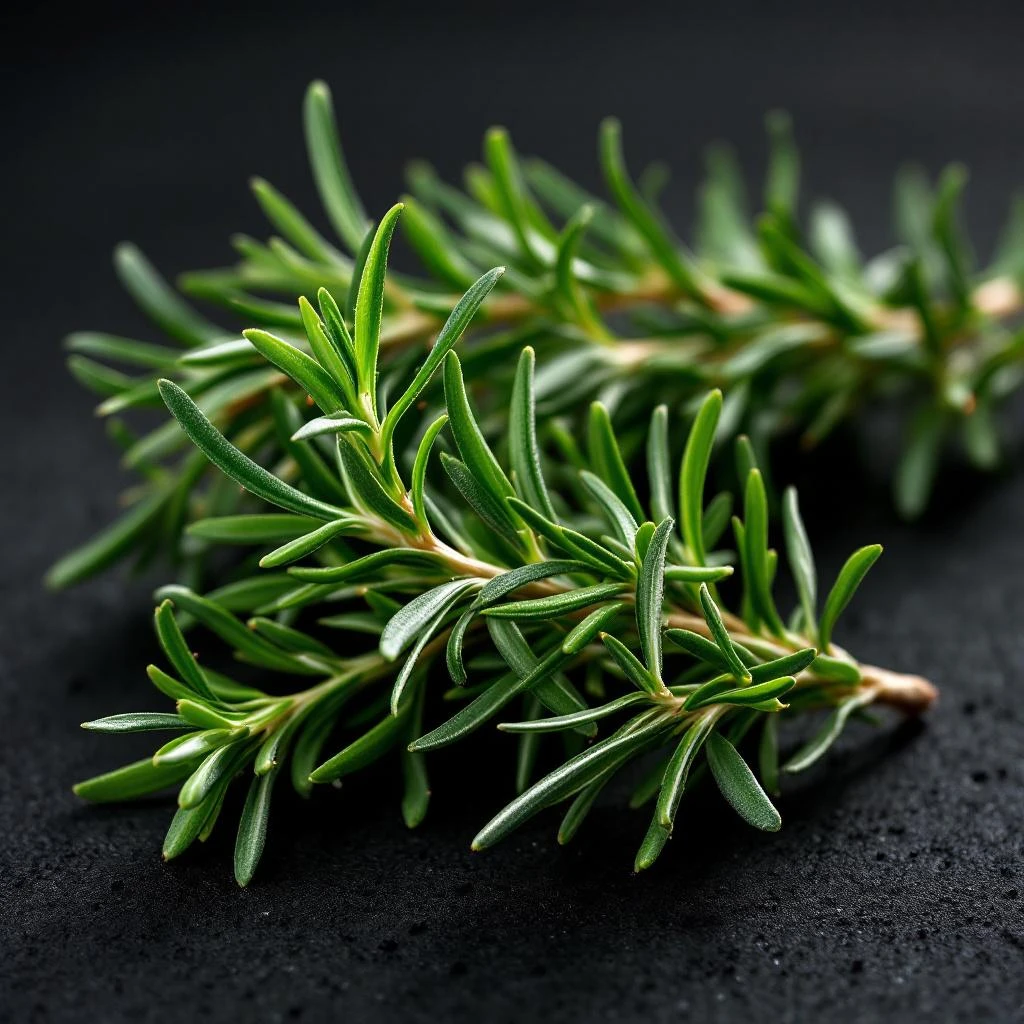
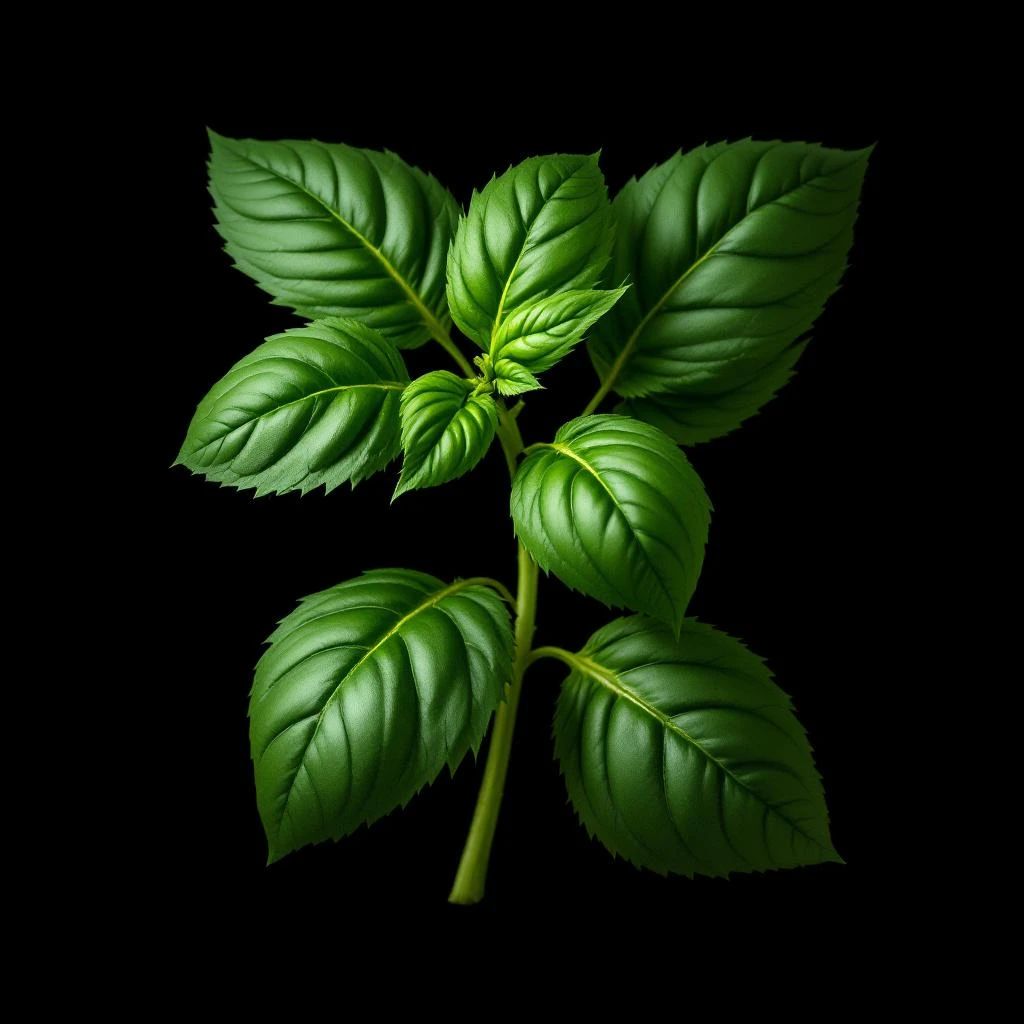
Mountain Sage
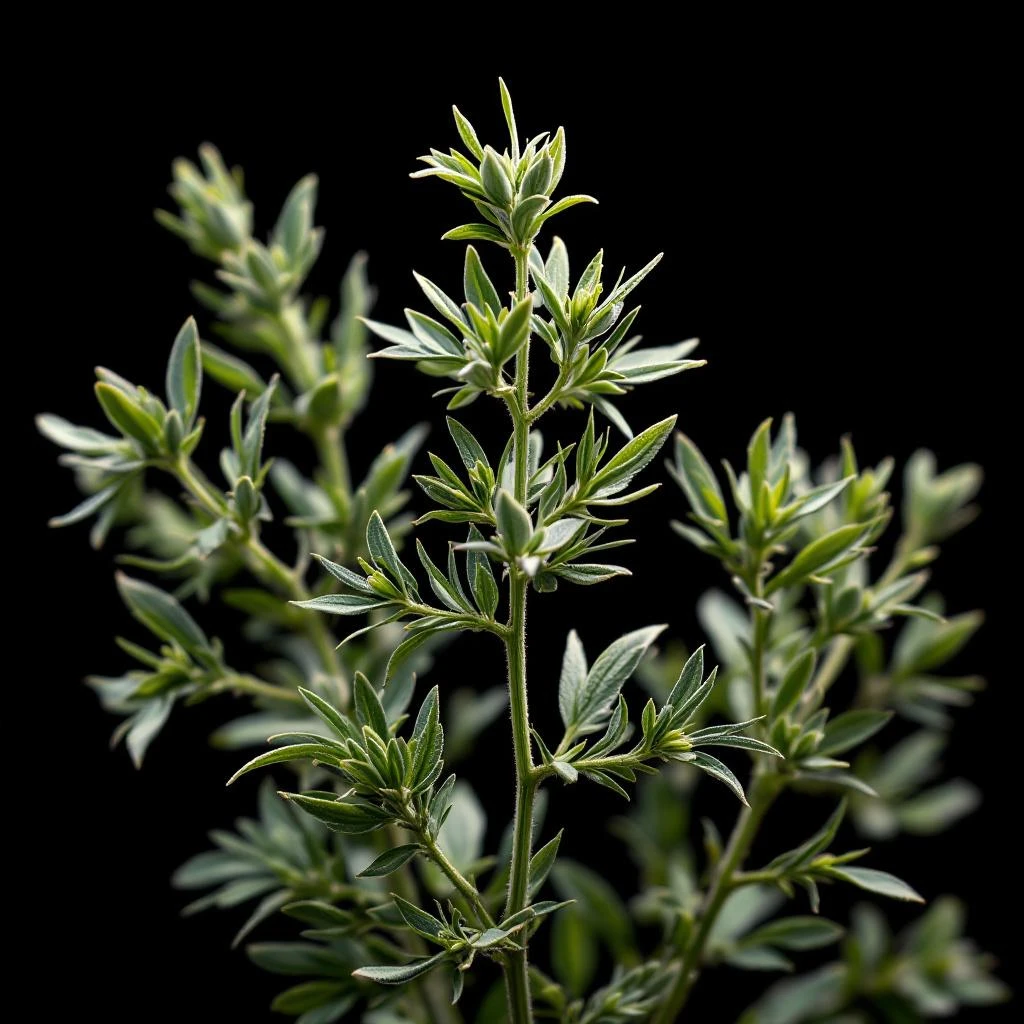
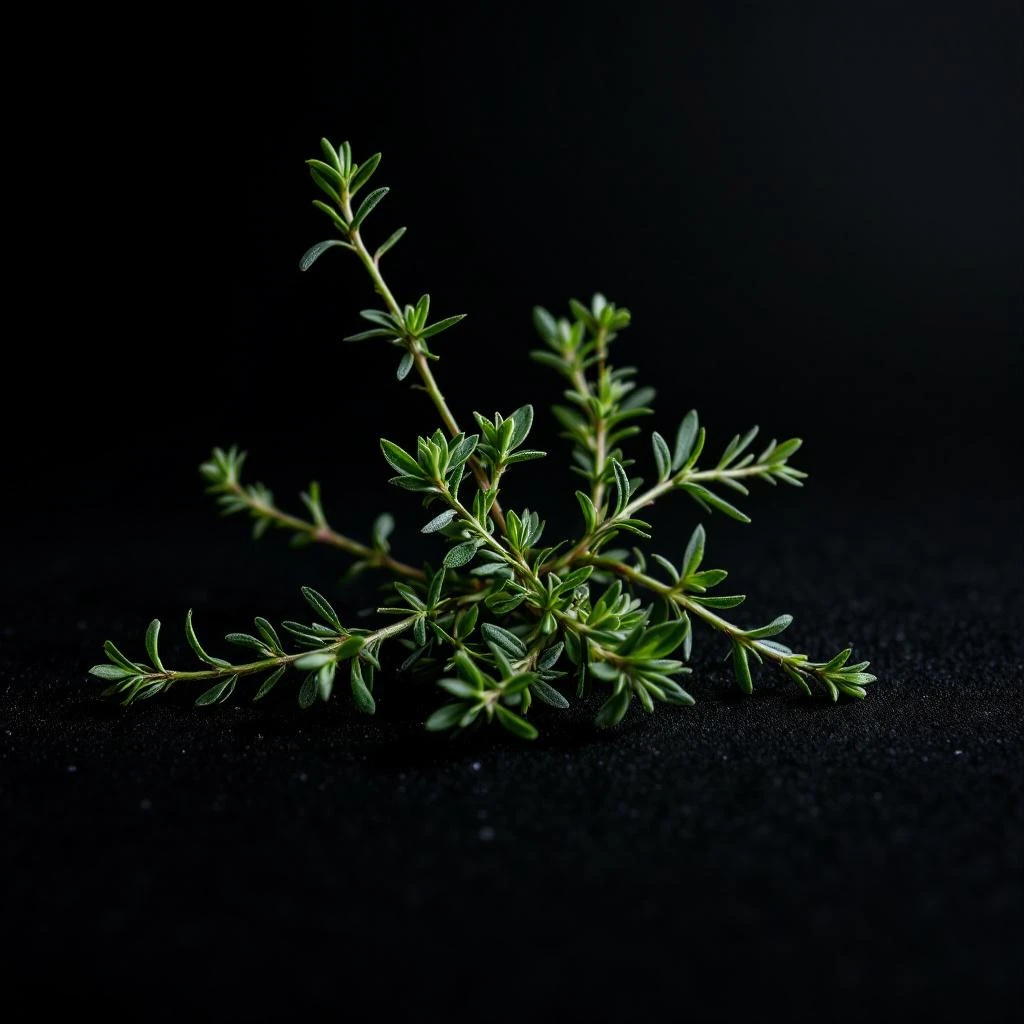
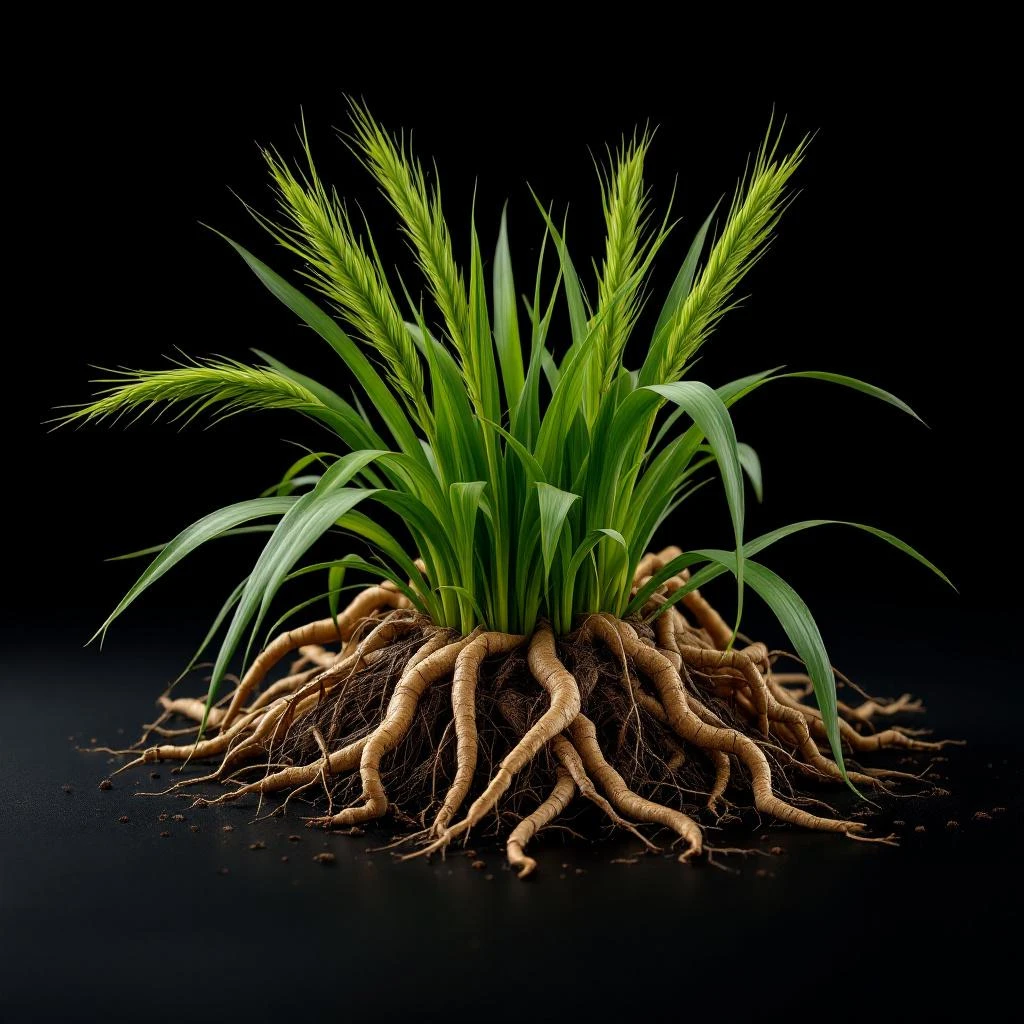
Mountain Sage delivers an aromatic punch of camphor, pepper, and wild herbs straight from Mediterranean limestone slopes. This potent leaf has anchored men's fragrances and beyond for centuries, lending crispness and an outdoorsy edge that feels like morning mist over rocky terrain.
Character
How it smells
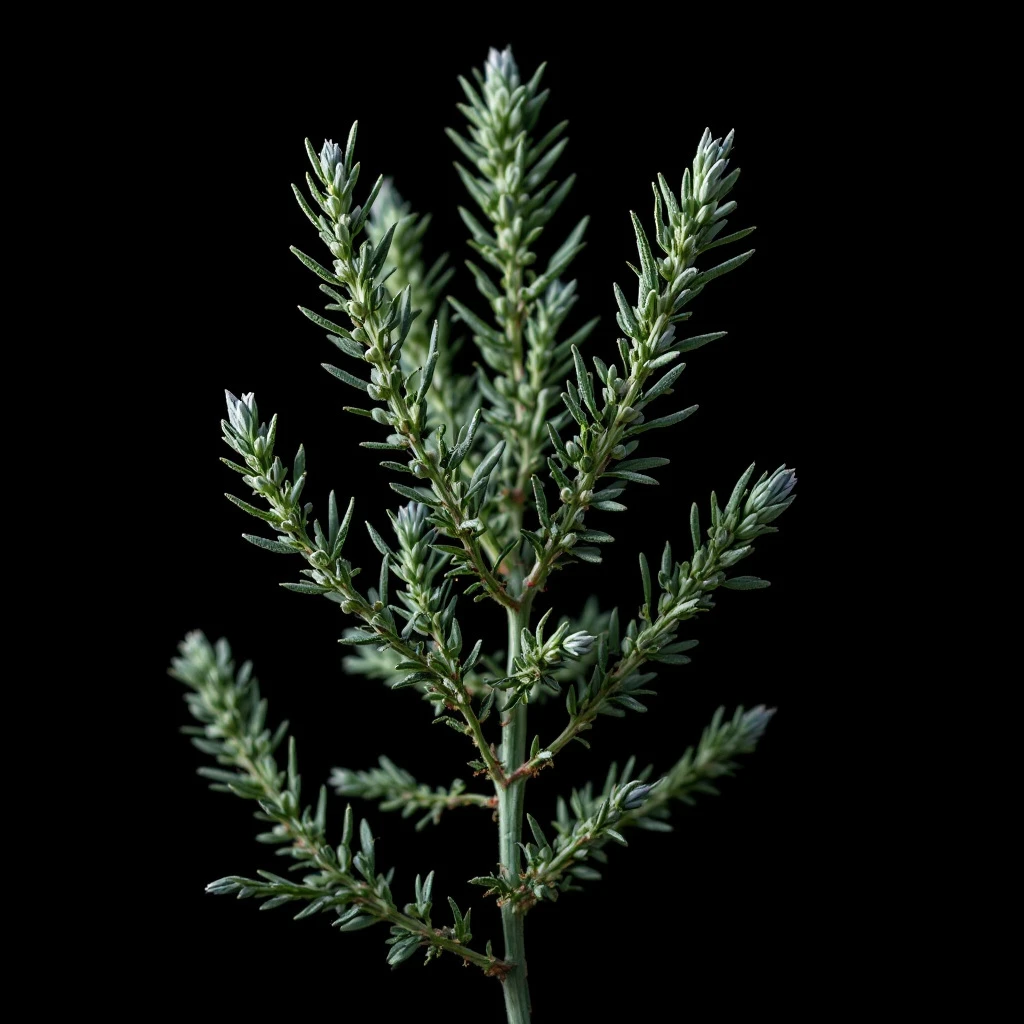
Mediterranean herb with a sharp, camphorated bite.
Ancient Romans considered sage sacred, believing it could cure infertility and extend lifespan—the name itself derives from the Latin salvat, meaning to save or heal.



Origin
France
Sage has accompanied Mediterranean civilizations for over two thousand years. Ancient Egyptians prescribed sage baths and teas to treat wounds and infertility, while Greek physicians like Dioscorides documented its medicinal properties in De Materia Medica around 50 CE.
The Romans elevated sage to ritual significance, harvesting it with ceremony and believing the plant held divine properties. When perfumery emerged as an art form in medieval Persia and later flourished in Renaissance Europe, sage's aromatic intensity made it valuable for fixing lighter notes.
François Coty began incorporating herbal absolutes into modern fragrances during the late 19th century, popularizing solvent extraction techniques that captured sage's complexity more fully than earlier enfleurage methods. Today, Mountain Sage appears across masculine fougères, aromatic chypres, and fresh colognes seeking an herbal backbone with Mediterranean soul.
Wears it best
Fragrances featuring Mountain Sage
Good to know
Questions, answered
The essentials on Mountain Sage in perfumery: how it smells, where it comes from, and how it behaves on skin.
What does Mountain Sage smell like in perfume?
Mountain Sage delivers a crisp, camphorated aroma with peppery warmth and dry herbal undertones. It reads as fresh yet grounded, evoking rocky Mediterranean hillsides rather than sweet florals. In blends, it acts as a bridge between citrus top notes and deeper woody bases.
Is Mountain Sage natural or synthetic?
Mountain Sage is natural. Perfumers obtain it through steam distillation of dried Salvia officinalis leaves. Synthetic versions exist as isolated compounds like thujone, but premium fragrances typically use the natural oil for its complex aromatic profile that synthetic reproductions cannot fully replicate.
What type of fragrances pair well with Mountain Sage?
Mountain Sage works in aromatic, fougère, and chypre compositions. It harmonizes with lavender, oakmoss, rosemary, and citrus oils. It also complements woody materials like cedar and vetiver, adding an herbal counterpoint that prevents sweetness from dominating the blend.
Does Mountain Sage have any safety concerns in perfumery?
Mountain Sage oil contains thujone, which regulations restrict in consumer products. IFRA guidelines cap thujone content depending on product category, typically limiting it to 0.5 percent in finished fragrances. Reputable perfumers formulate within these thresholds to ensure safety.
What gives Mountain Sage its distinctive aroma?
Thujone and 1,8-cineole primarily shape sage's aroma. Thujone contributes a bitter, camphor-like intensity, while 1,8-cineole adds eucalyptus-like freshness. Growing conditions, particularly soil mineral content and drought stress, significantly influence the ratio of these compounds and thus the final oil character.
How long has sage been used in perfumery?
Sage entered perfumery during the 19th century when extraction technologies advanced beyond enfleurage. However, its aromatic properties were recognized much earlier—medieval herbalists burned sage for its fragrance, and Roman texts from 50 CE describe its scent. Mass aromatic use in fine fragrance began around 1850.
Why is Mediterranean sage considered higher quality?
Mediterranean regions provide the dry conditions and limestone soils that stress Salvia officinalis, triggering higher essential oil production and more concentrated aromatic compounds. French and Italian sage oils consistently score higher in 1,8-cineole content than sage grown in milder climates, producing the bright, penetrating character perfumers seek.
Can Mountain Sage replace lavender in a fragrance formula?
Mountain Sage and lavender share herbal freshness but differ significantly. Sage is sharper, more camphorated, and less sweet than lavender. While they can appear in the same fragrance family, substituting one for the other alters character substantially. Sage performs better in masculine, outdoorsy compositions rather than soft, floral arrangements.