Moroccan Rosa centifolia absolute
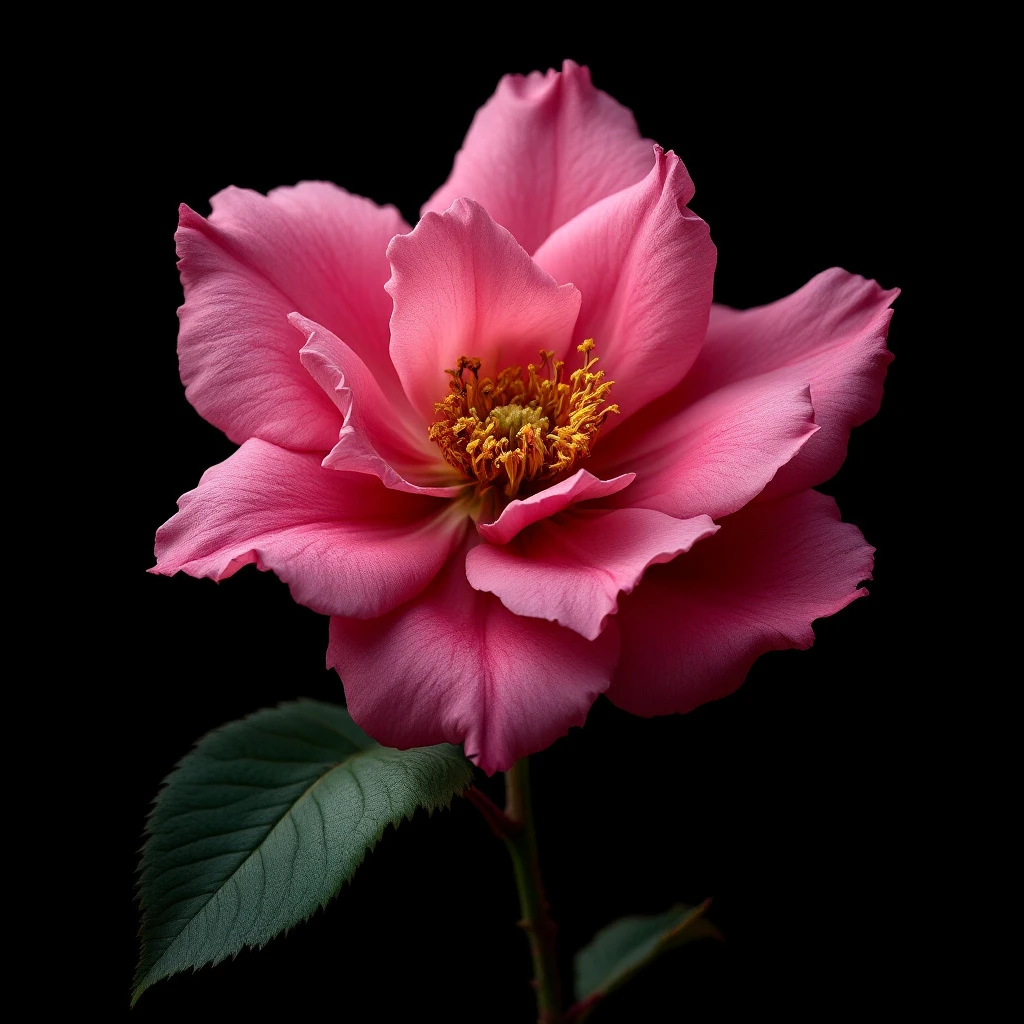
Moroccan Rosa centifolia absolute captures the honeyed soul of five-leafed rose in a richly floral, honey-warm extract. Grown under Morocco's equatorial sun, this variety delivers a softer, more enveloping rose profile than its Damask cousin, prized by perfumers building heart notes with depth and softness.
Character
How it smells
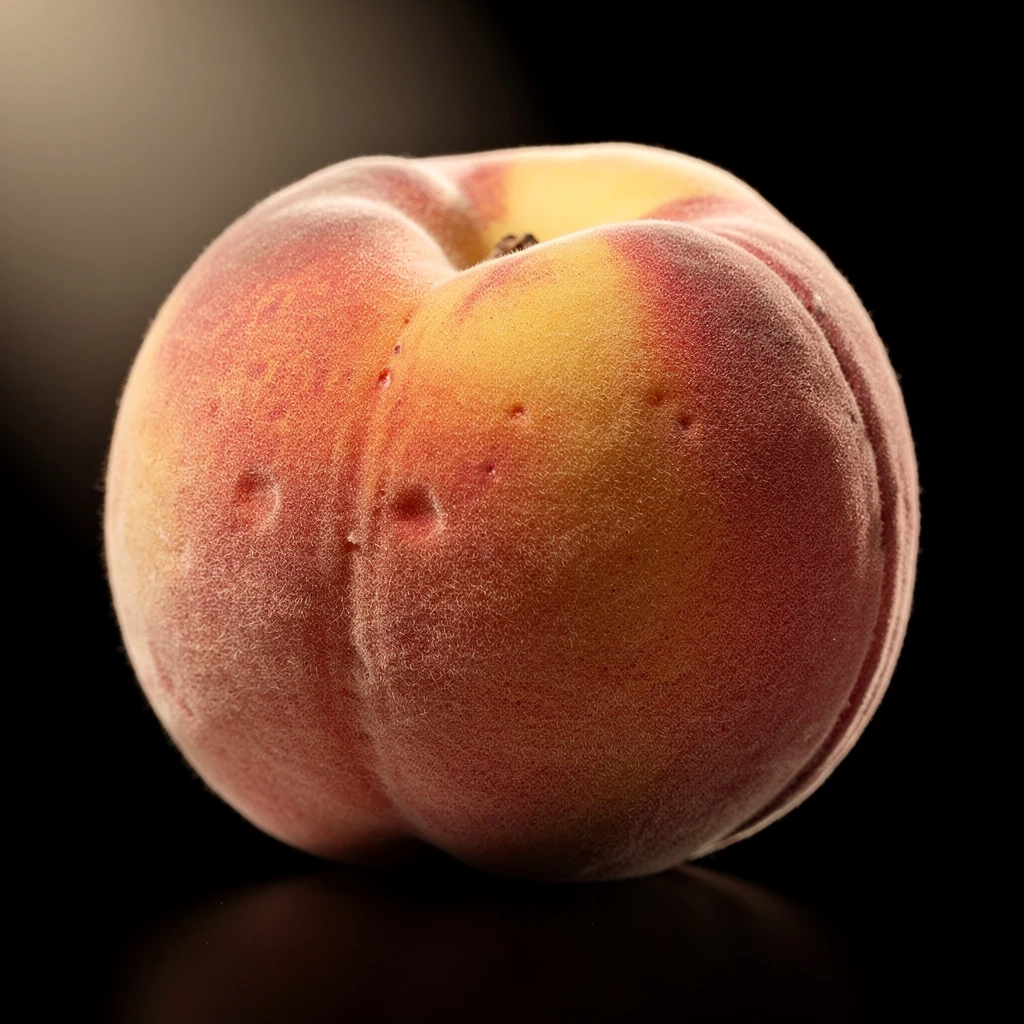
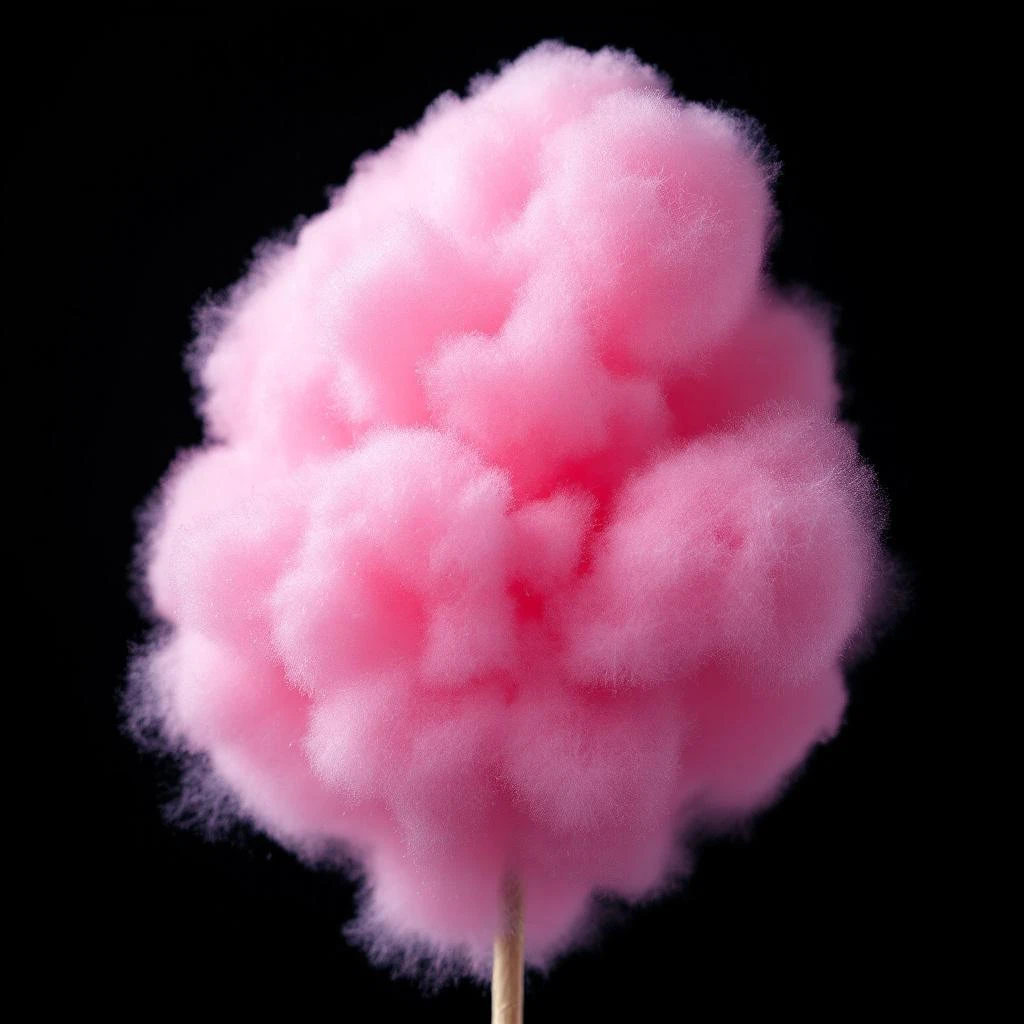
Soft Moroccan rose, honeyed and deep.
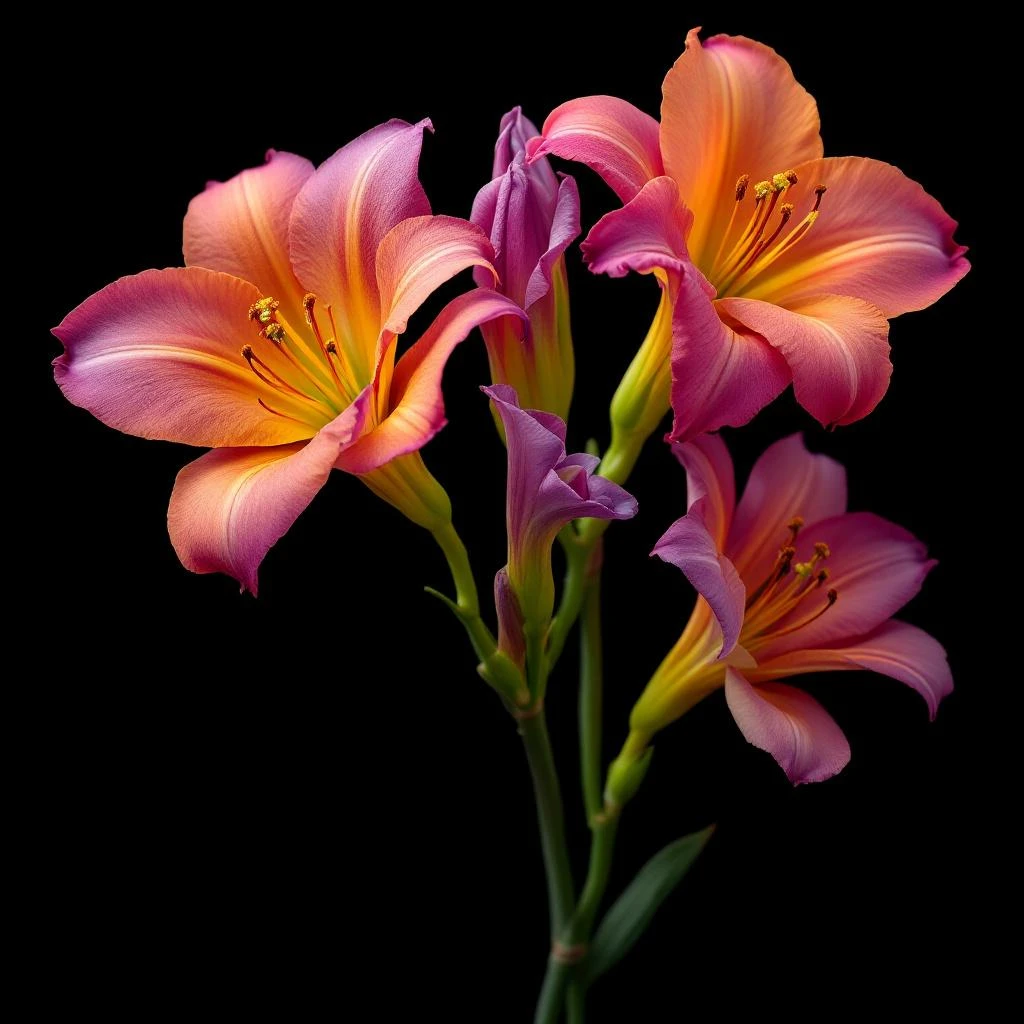
Rosa centifolia literally means "hundred-leafed rose" despite having just five petals per bloom.




Origin
Morocco
The rose appears in Chinese and Sanskrit texts dating back millennia, though Moroccan cultivation of Rosa centifolia crystallised much later. North African Berber communities likely introduced rose growing to Morocco's mountain valleys centuries ago, where the flower found ideal conditions. By the 17th century, Grasse had established itself as Europe's perfume capital, cultivating R.
centifolia for its mildness, while Persians, Egyptians, Greeks, and Romans had already revered rose for cosmetics and ritual unguents since antiquity. Moroccan R. centifolia emerged as a distinct expression of floral perfumery in the 20th century as solvent extraction technology advanced.
Today, Morocco supplies a meaningful portion of global rose absolute, with Fleur des Fées cooperatives near Ourika harvesting specifically for niche and artisan perfumery. The ingredient bridges ancient Mediterranean rose traditions with distinctly Moroccan terroir.
Wears it best
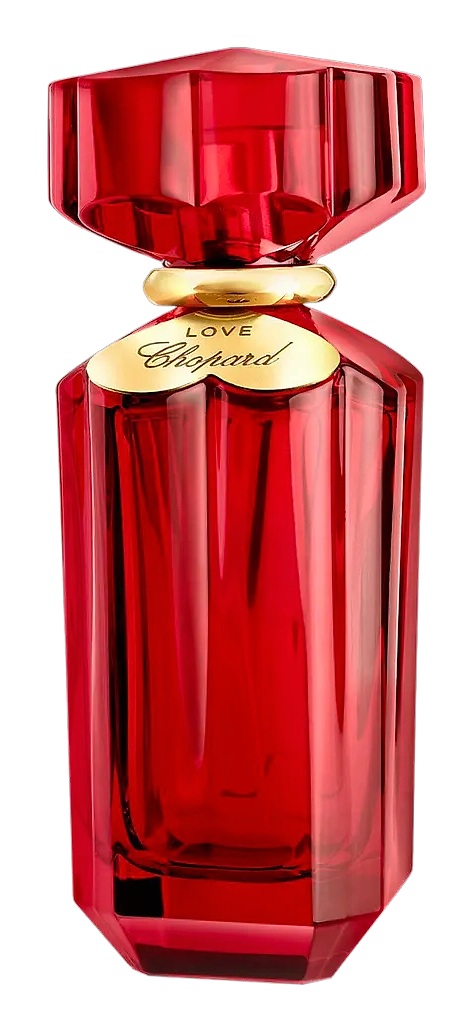
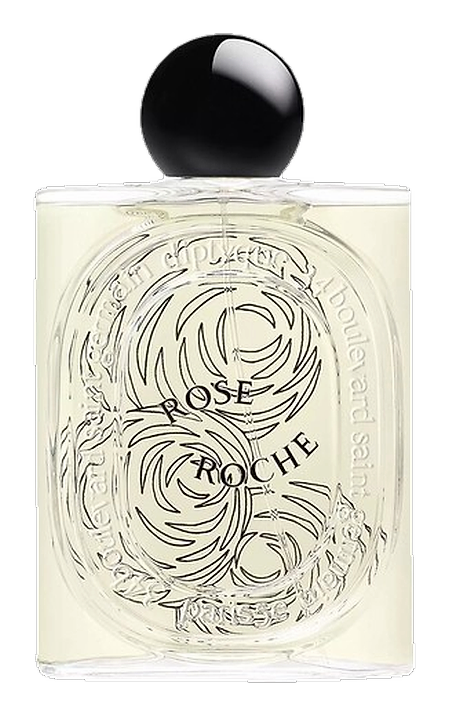
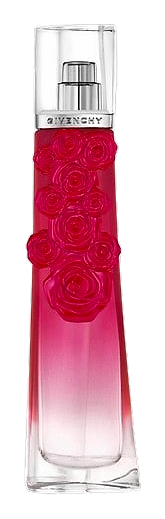
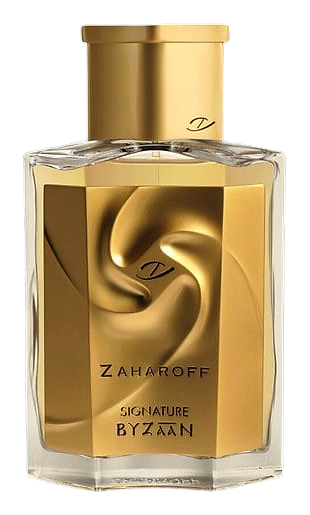
Fragrances featuring Moroccan Rosa centifolia absolute
Good to know
Questions, answered
The essentials on Moroccan Rosa centifolia absolute in perfumery: how it smells, where it comes from, and how it behaves on skin.
What does Moroccan Rosa centifolia absolute smell like?
It presents a warm, honeyed rose profile with floral sweetness and soft green undertones. Softer and rounder than Damask rose, with notable depth from phenylethyl alcohol.
How is Moroccan Rosa centifolia absolute produced?
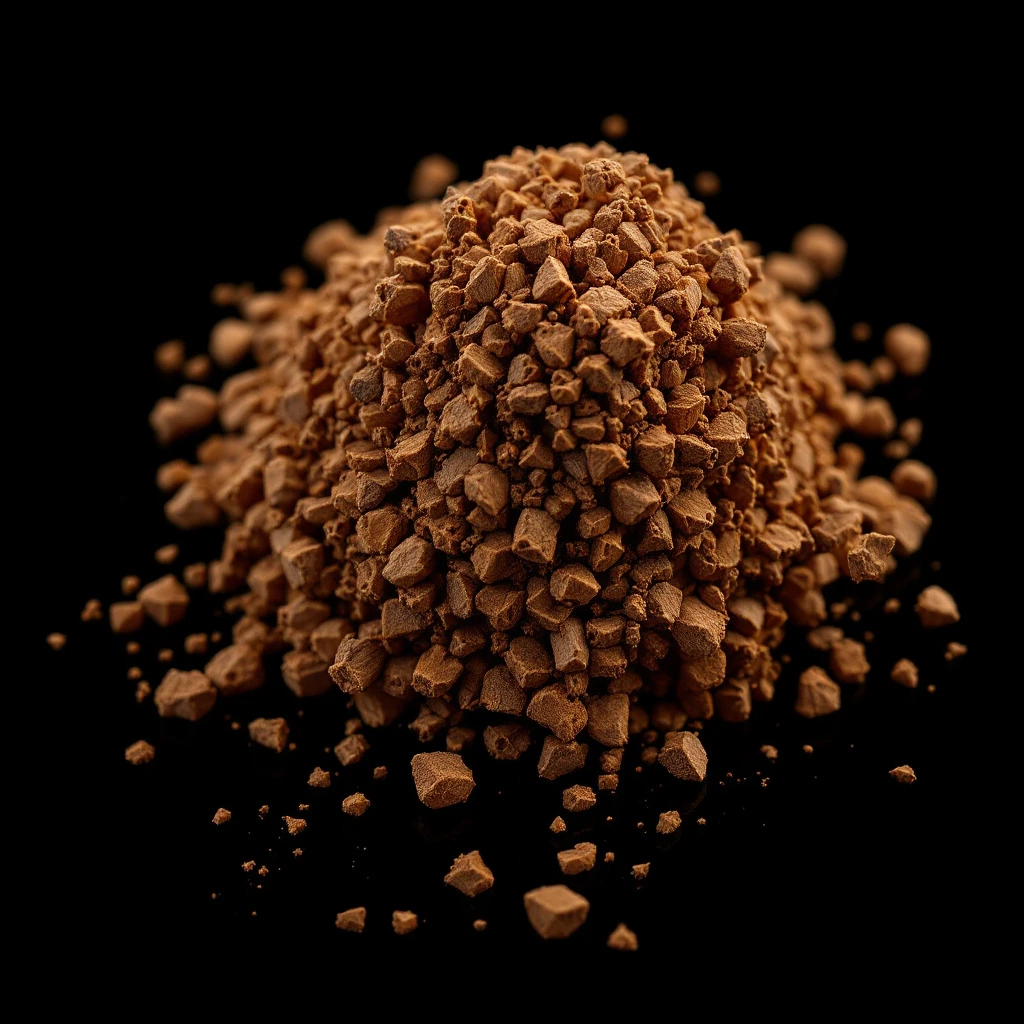
Petals are hand-harvested in May-June at dawn, then undergo solvent extraction. Hexane pulls the concrete from flower wax, leaving an absolute that retains the rose's full aromatic complexity.
What is the difference between Rosa centifolia and Rosa damascena absolute?
R. centifolia offers a softer, honeyed, more enveloping rose note; R. damascena skews sharper, spicier, and more complex. Centifolia grows better in Morocco's climate, Damask dominates Bulgarian and Turkish production.
How much rose absolute does one harvest yield?
Approximately 2-3 kilograms of absolute result from one metric ton of fresh Rosa centifolia petals, making the ingredient extremely concentrated and labor-intensive.
Is Rosa centifolia thornless?
Yes. Unlike wild roses, Rosa centifolia was selectively cultivated to grow without thorns, making hand-harvesting considerably safer and more efficient.
When should Moroccan Rosa centifolia absolute be harvested?
The harvest window runs from late May through June. Blooming occurs once annually, and petals must be picked within hours of dawn to preserve peak aromatic oil content.
What compounds define Rosa centifolia absolute's scent?
Key aromatics include phenylethyl alcohol for sweet floralcy, benzyl alcohol for warm softness, and rose oxide contributing a characteristic honeyed-green characteristic.
Why is Moroccan Rosa centifolia preferred in fine perfumery?
Morocco's high-altitude valleys produce blooms with concentrated honey-rose character. Perfumery houses covet the absolute for heart-note florals requiring warmth and softness without sharpness.